Free tools Windows power users keep installed
One-click scans. No signup required.
The 100 best TV episodes of all time cannot be determined by arithmetic alone. The ranking below is an argued canon of episodes that best demonstrate television’s range, craft, formal invention, cultural influence, and lasting power—from live broadcast and classic anthology work to sitcoms, animation, documentaries, cable drama, international television, and streaming.
There is no mathematically correct ranking of television. This is an argued canon: 100 episodes that most convincingly demonstrate what the medium can do through writing, performance, direction, editing, sound, animation, nonfiction access, cultural impact, and sheer durability.
The list ranges from live-broadcast inheritances and classic anthology television to sitcoms, animation, socially ambitious drama, cable, streaming, documentary, children’s television, variety, and international work. It is also a ranking of the surviving record. Much early television was broadcast live, and many programs survive only as kinescopes, partial recordings, or deteriorating film and tape copies. What is easy to stream is not necessarily what mattered most. The honest claim, therefore, is that these are the best episodes we can evaluate from the surviving record.
Cataloging correction: The View from Halfway Down is an episode of BoJack Horseman, not Orange Is the New Black. It appears below under the correct series.
Recommended Free Tools
#1 Best Overall

- 720p resolution - View your favorite movies, shows and games in high definition.
- Alexa voice control - The Alexa Voice Remote lets you easily control your entertainment, search across apps, switch inputs, and more using just your voice. Press and hold the voice button and ask Alexa to easily find, launch, and control content, and even switch to cable.
- Access thousands of shows with Fire TV - Watch over 1.5 million streaming movies and TV episodes with access to thousands of channels, apps and Alexa skills, including Prime Video, Netflix, Hulu, HBO Max, YouTube, Apple TV+, Disney+, ESPN+, Sling TV, Paramount+, and other services right from this TV.*
- DTS Virtual-X Sound - An immersive sound format creates a three-dimensional sound experience with your TV’s speakers.
- Supports HDMI ARC - Sends audio directly from the HDMI jack to a compatible soundbar or AV receiver, removing the need for an extra cable.
How this ranking works
Each episode was considered against a 100-point framework, followed by editorial judgment. Awards and list appearances are useful corroboration, but they do not settle the question: institutional recognition is shaped by eligibility rules, category definitions, campaigning, and the tastes of a particular period.
| Criterion | Weight | What it asks |
|---|---|---|
| Episode craft | 25 | Does the structure, pacing, dialogue, point of view, and scene construction work as a complete piece? |
| Formal achievement | 20 | Does it make exceptional use of direction, editing, cinematography, sound, staging, animation, or nonfiction form? |
| Performance | 15 | Are the acting, hosting, ensemble chemistry, voice work, or documentary access unusually strong? |
| Cultural and historical impact | 15 | Did it change conversation, representation, genre expectations, or television culture? |
| Influence | 10 | Can later programs, creators, or audiences be seen building on its methods or images? |
| Standalone power | 10 | Can a viewer grasp the episode’s central achievement without treating it merely as a reward for completing a series? |
| Rewatchability and durability | 5 | Does it remain effective after its original moment? |
Scope: conventional television episodes are eligible, as are episode-length documentary installments, anthology segments, finales, multi-part broadcast installments, and variety or sketch episodes when the episode itself is the unit of achievement. Feature films released theatrically are excluded, so The End of Evangelion is not ranked as a Neon Genesis Evangelion episode. Game-show episodes and isolated tournament games are also excluded because they require a separate argument about competition rather than authored episode craft. International programs are included where their achievement has clear relevance to television history and a broad English-language audience.
Spoilers: The entries are written as critical, spoiler-aware summaries rather than plot recaps. Some finales and major dramatic episodes cannot be discussed honestly without referring to their consequences.
The 100 best TV episodes of all time
1. Breaking Bad — Ozymandias
Season/episode: S5E14 · Year: 2013 · Written by: Moira Walley-Beckett · Directed by: Rian Johnson
Quick wins for a faster PC:
Clear out junk files and repair common Windows errorsFree Scan →Scan for outdated or missing drivers - takes under a minuteDriver Scan →Why it belongs: This is the rare penultimate episode that feels like a complete tragedy rather than a bridge to a finale. Its fractured geography, escalating consequences, and devastating performances turn years of moral compromise into a single, coherent collapse. The episode’s power comes not only from what happens, but from the way every location and object carries the weight of earlier choices.
2. The Sopranos — Pine Barrens
Season/episode: S3E11 · Year: 2001 · Written by: Tim Van Patten and Terence Winter · Directed by: Steve Buscemi
Why it belongs: A botched collection job becomes an almost perfectly calibrated collision of farce, menace, vanity, and existential uncertainty. The single-location wilderness structure strips Tony’s criminal world down to two frightened men, while the unresolved fate at its center demonstrates how confidently the series could refuse conventional closure.
3. The Twilight Zone — The Monsters Are Due on Maple Street
Season/episode: S1E22 · Year: 1960 · Written by: Rod Serling · Directed by: Ronald Winston
Do these 3 things before closing this tab:
1Repair Windows errors before they cause bigger problems2Fix the driver behind crashes, sound loss and screen glitches3Clear out junk files and repair common Windows errorsWhy it belongs: Serling’s suburban fable makes paranoia visible through a simple formal device: ordinary neighbors gradually convert suspicion into persecution. The science-fiction premise is less important than the social mechanism, which still gives the episode its unsettling durability. It is an anthology story with a clean structure, a memorable visual vocabulary, and a warning that remains legible across political eras.
4. Fleabag — Episode 3
Season/episode: S2E3 · Year: 2019 · Written by: Phoebe Waller-Bridge · Directed by: Harry Bradbeer
Why it belongs: The episode turns a romantic encounter into a formal argument about intimacy and spectatorship. Fleabag’s relationship with the viewer is not a decorative fourth-wall trick; it is the emotional architecture of the series. Small glances, interruptions, and changes in attention make the invisible audience feel like a character whose presence has consequences.
5. I Love Lucy — Job Switching
Season/episode: S2E4 · Year: 1952 · Written by: Madelyn Pugh, Bob Carroll Jr., and Jess Oppenheimer · Directed by: William Asher
Why it belongs: The chocolate-factory conveyor belt is one of television comedy’s defining pieces of physical choreography, but the episode earns its place through more than a famous gag. Its parallel plots, escalating rhythm, and studio-audience timing show how filmed sitcoms could inherit the immediacy of live performance while building comic sequences with cinematic precision.
6. The Wire — Middle Ground
Season/episode: S3E11 · Year: 2004 · Written by: David Simon and George Pelecanos · Directed by: Joe Chappelle
Why it belongs: The episode’s central confrontation is powerful because it is simultaneously personal, institutional, and inevitable. Omar and Brother Mouzone’s encounter is staged with ritual clarity, while the aftermath reveals how quickly individual codes are absorbed by larger systems. It is a model of television that makes political structures emotionally immediate without reducing them to speeches.
7. The Simpsons — Last Exit to Springfield
Season/episode: S4E17 · Year: 1993 · Written by: John Collier · Directed by: Mark Kirkland
The Tool Desk
Outbyte PC Repair FREEClear out junk files and repair common Windows errorsFree Scan →Outbyte Driver Updater FREEFix the driver behind crashes, sound loss and screen glitchesFind Drivers →Why it belongs: A labor dispute becomes a surreal, densely layered satire of corporate power, dentistry, organized labor, and political memory. The jokes arrive at cartoon speed, yet the episode has a surprisingly lucid argument about what workers surrender when they bargain away collective strength. Its visual inventions and quotable set pieces have remained unusually durable.
8. Roots — Part VIII
Season/episode: S1E8 · Year: 1977 · Teleplay by: Ernest Kinoy · Directed by: John Erman
Why it belongs: The concluding installment transformed a television miniseries into a national event without losing sight of the intimate human scale of its story. Its historical importance is inseparable from its craft: generational continuity, restrained performances, and the cumulative force of witnessing make the final movement feel like both narrative resolution and public reckoning.
9. The Singing Detective — Episode 6
Season/episode: Episode 6 · Year: 1986 · Written by: Dennis Potter · Directed by: Jon Amiel
Why it belongs: Dennis Potter’s drama collapses memory, illness, fantasy, noir, and popular song into a single unstable consciousness. The final installment does not simply explain earlier images; it recontextualizes them, making form itself part of the character’s recovery. It remains a landmark in the possibilities of television subjectivity.
10. The Leftovers — International Assassin
Season/episode: S2E8 · Year: 2015 · Written by: Damon Lindelof and Tom Perrotta · Directed by: Craig Zobel
Why it belongs: The episode takes an apparently impossible premise and treats it with the exacting rules of a spiritual fable. Its hotel-world staging, abrupt shifts in identity, and tonal confidence refuse to distinguish neatly between grief, metaphysics, and psychological projection. It is television using serialization to create mystery without making explanation the point.
11. M*A*S*H — Abyssinia, Henry
Season/episode: S3E24 · Year: 1975 · Written by: Everett Greenbaum and Jim Fritzell · Directed by: Larry Gelbart
Why it belongs: The episode’s achievement lies in the collision between the series’ familiar comic rhythm and an abrupt, irreversible emotional consequence. It proved that a sitcom-shaped ensemble could earn devastating dramatic weight without abandoning its established voice. The final movement is still a lesson in how television can make absence feel physically present.
12. Twin Peaks: The Return — Part 8
Season/episode: S3E8 · Year: 2017 · Written by: David Lynch and Mark Frost · Directed by: David Lynch
Why it belongs: Part 8 is closer to audiovisual composition than conventional plot delivery. Its nuclear imagery, industrial sound, darkness, and emergence of a mythic evil expand the series’ dream logic into a meditation on violence and creation. Few television episodes have so radically challenged the assumption that viewers must be guided by ordinary narrative grammar.
13. Buffy the Vampire Slayer — Hush
Season/episode: S4E10 · Year: 1999 · Written by: Jane Espenson · Directed by: Joss Whedon
PC Slower Than It Used to Be?
A free scan shows the junk files, broken settings and background clutter dragging Windows down - then fixes them in one click.Free scan · Windows 10 & 11Crashes, No Sound, or Screen Glitches?
Random freezes, missing sound and display glitches usually trace back to one bad driver. Find and replace yours safely.Free scan · under a minuteWhy it belongs: The episode removes spoken language just as its characters most need to communicate. Sign language, visual reaction, sound design, and physical staging carry the dramatic burden, while the monsters turn silence into a material threat. It is a formally inventive genre episode that also makes the awkwardness of human connection its subject.
14. Seinfeld — The Contest
Season/episode: S4E11 · Year: 1992 · Written by: Larry David · Directed by: Tom Cherones
Why it belongs: The episode turns a subject that network television could not openly name into an elaborate machine of euphemism, escalation, and character revelation. Its four-way structure gives every performer a distinct comic strategy, and its refusal to moralize allows embarrassment to become the engine of the plot. It changed what mainstream sitcom implication could accomplish.
15. Mad Men — The Suitcase
Season/episode: S4E7 · Year: 2010 · Written by: Matthew Weiner and Lisa Albert · Directed by: Jennifer Getzinger
Why it belongs: A missed boxing match and an overnight work session create a bottle episode of unusual emotional breadth. Don and Peggy’s guarded relationship is revealed through pauses, exhaustion, resentment, and mutual recognition rather than exposition. The confined setting becomes a pressure chamber for two people who understand one another precisely because neither can speak plainly.
16. BoJack Horseman — The View from Halfway Down
Season/episode: S6E15 · Year: 2020 · Written by: Raphael Bob-Waksberg · Directed by: Aaron Long
Why it belongs: The episode stages a surreal dinner as a confrontation with memory, regret, and the possibility that self-knowledge may arrive too late. Its theatrical structure lets each performance embody a different kind of unfinished life, while the animation makes transitions between recollection and nightmare fluid. It is a formally ambitious work about consequence rather than redemption.
17. Black Mirror — San Junipero
Season/episode: S3E4 · Year: 2016 · Written by: Charlie Brooker · Directed by: Owen Harris
Why it belongs: The episode initially uses nostalgia as a disguise, then steadily turns its technology into a question about identity, aging, and chosen eternity. Its color, music, and shifting chronology create a rare piece of science fiction that is emotionally generous without becoming intellectually weightless. The tonal reversal is earned through visual and performance detail.
18. All in the Family — Sammy’s Visit
Season/episode: S2E21 · Year: 1972 · Written by: Burt Styler · Directed by: John Rich
Why it belongs: Sammy Davis Jr.’s guest appearance turns Archie Bunker’s prejudices into an immediate comic conflict, but the episode is more sophisticated than a simple lesson. It understands celebrity, performance, and social discomfort as forces that can briefly rearrange a family’s power. The famous closing gesture works because the episode has carefully built the room around it.
19. Cheers — Thanksgiving Orphans
Season/episode: S5E9 · Year: 1986 · Written by: Ken Levine and David Isaacs · Directed by: James Burrows
What’s actually slowing this PC down?
Pick the symptom - the matching free tool is one click away.
Why it belongs: The dinner-table brawl is controlled chaos: each character’s grievance, appetite, and physical business remains legible even as the scene explodes. The episode turns a temporary gathering into a portrait of chosen family. Its lasting appeal comes from ensemble geometry, not merely from the escalating food fight.
20. The Dick Van Dyke Show — Coast-to-Coast Big Mouth
Season/episode: S5E26 · Year: 1966 · Written by: Carl Reiner · Directed by: Jerry Paris
Why it belongs: Laura Petrie’s accidental television confession is a master class in comic misunderstanding and performance within performance. The episode moves between studio, home, and broadcast spaces while keeping the emotional stakes grounded in marriage and embarrassment. It shows the classic sitcom becoming self-aware without sacrificing warmth.
21. The Mary Tyler Moore Show — Chuckles Bites the Dust
Season/episode: S6E7 · Year: 1975 · Written by: David Lloyd · Directed by: Joan Darling
Free tools Windows power users keep installed
One-click scans. No signup required.
Rank #2

- 1080p Resolution - Watch movies and TV shows in high-definition picture quality.
- LED-backlit LCD screen - With reliable and long-lasting LED lighting, this LCD screen delivers a wide range of colors and contrast for a memorable viewing experience.
- Watch what you want - Stream over 1.5 million movies and TV episodes. Watch favorites with subscriptions to Netflix, Prime Video, Disney+, and more. Subscription fees may apply.
- All your entertainment in one place - Watch live and free TV, play video games, and stream music.
- Smart and always getting smarter - Fire TV adds new Alexa skills, features, smart home capabilities, and voice functionality all the time.
Why it belongs: The episode’s daring comes from the mismatch between Mary’s sincere grief and everyone else’s inability to stop making jokes about a clown’s ridiculous death. The funeral scene turns that comic premise inside out, exposing how laughter can be both defense and cruelty. It is a sitcom about the ethics of finding something funny.
22. The Sopranos — College
Season/episode: S1E5 · Year: 1999 · Written by: David Chase · Directed by: Allen Coulter
Why it belongs: Tony’s family visit and his criminal errand run in parallel, making domestic tenderness and violence impossible to separate. The episode established the series’ central moral arrangement: the protagonist can be attentive, funny, and loving while remaining capable of brutal action. Its structure made prestige television’s antihero intimate rather than abstract.
23. The Twilight Zone — Time Enough at Last
Season/episode: S1E8 · Year: 1959 · Written by: Rod Serling · Directed by: John Brahm
Do these 3 things before closing this tab:
1Fix the driver behind crashes, sound loss and screen glitches2Repair Windows errors before they cause bigger problems3Scan for outdated or missing drivers - takes under a minuteWhy it belongs: A bookish man’s wish for uninterrupted reading becomes a compact study in loneliness, desire, and cruel irony. The episode’s clean premise and controlled performance style demonstrate the efficiency of anthology television: a few spaces, a single emotional want, and a final image that permanently alters the story’s meaning.
24. I May Destroy You — Ego Death
Season/episode: S1E12 · Year: 2020 · Created and written by: Michaela Coel · Directed by: Sam Miller
Why it belongs: The finale rejects the false neatness of a single definitive ending and instead treats survival as a series of possible narratives. Its formal alternatives give shape to contradictory feelings about justice, revenge, forgiveness, and self-definition. The episode’s achievement is ethical as well as dramatic: it makes uncertainty a form of agency.
25. Watchmen — This Extraordinary Being
Season/episode: S1E6 · Year: 2019 · Written by: Damon Lindelof and Cord Jefferson · Directed by: Stephen Williams
Why it belongs: The episode uses inherited superhero imagery to tell a story about American history, racial identity, and the psychological cost of enforced disguise. Its transitions across time are not ornamental; they make memory feel like a system that has been imposed on the body. Genre adaptation becomes historical argument rather than nostalgic reference.
26. Lost — The Constant
Season/episode: S4E5 · Year: 2008 · Written by: Damon Lindelof and Carlton Cuse · Directed by: Jack Bender
Why it belongs: Time-travel mechanics become emotionally intelligible through one relationship and one urgent act of recognition. The episode alternates between temporal states without reducing its characters to puzzle pieces, proving that high-concept television works best when its rules are attached to human need. Its structure remains one of the medium’s most graceful uses of suspense.
27. Mr. Robot — 407 Proxy Authentication Required
Season/episode: S4E7 · Year: 2019 · Written and directed by: Sam Esmail
Quick wins for a faster PC:
Repair Windows errors before they cause bigger problemsFix Now →Scan for outdated or missing drivers - takes under a minuteDriver Scan →Clear out junk files and repair common Windows errorsFree Scan →Why it belongs: A long-confined confrontation becomes a study in coercion, trauma, and the limits of cinematic control. Esmail’s framing makes domestic space feel architecturally hostile, while the performances resist melodramatic shortcuts. The episode demonstrates how a series known for visual bravura can use formal restraint to make revelation more painful.
28. Six Feet Under — Everyone’s Waiting
Season/episode: S5E12 · Year: 2005 · Written by: Alan Ball · Directed by: Alan Ball
Why it belongs: The finale gives each member of the Fisher family a future without pretending that family patterns disappear. Its famous temporal montage is effective because the preceding hour has made ordinary decisions feel monumental. Television’s long relationship with its characters becomes the subject: watching people age is both narrative closure and an argument for serial form.
29. The Good Place — Whenever You’re Ready
Season/episode: S4E13–14 · Year: 2020 · Written by: Michael Schur · Directed by: Michael Schur
Why it belongs: The finale turns its philosophical premise toward the quiet question of when a life feels complete. Rather than escalating forever, it discovers drama in acceptance, friendship, and release. Its generous ending is also a formal achievement: a high-concept comedy resolves its rules by making emotional maturity more important than plot mechanics.
30. Game of Thrones — Hardhome
Season/episode: S5E8 · Year: 2015 · Written by: David Benioff and D. B. Weiss · Directed by: Miguel Sapochnik
Why it belongs: The episode changes the scale of the series’ threat without reducing the battle to spectacle. Its geography, sound, and withholding of information make catastrophe feel like a force that ordinary courage cannot fully master. Whatever one thinks of the later series, this episode remains a precise example of serialized television converting accumulated lore into immediate terror.
31. The West Wing — In Excelsis Deo
Season/episode: S1E10 · Year: 1999 · Written by: Aaron Sorkin · Directed by: Alex Graves
Windows Errors? Fix Them Before They Spread
Repair common Windows errors and clear accumulated junk for a smoother, more stable PC - no reinstall needed.Free scan · no reinstallCrashes, No Sound, or Screen Glitches?
Random freezes, missing sound and display glitches usually trace back to one bad driver. Find and replace yours safely.Free scan · under a minuteWhy it belongs: The episode’s intersecting stories connect a homeless veteran, a presidential staffer, and a Christmas-season workplace without flattening their differences. Its brisk dialogue is balanced by unusually patient emotional beats. The result is political television that understands idealism not as certainty, but as the decision to keep showing up for strangers.
32. Homicide: Life on the Street — Three Men and Adena
Season/episode: S1E5 · Year: 1993 · Written by: James Yoshimura · Directed by: Martin Campbell
Why it belongs: Almost the entire episode is an interrogation, yet the room never becomes static. Shifts in power, fatigue, performance, and interpretation make the investigation feel like an ethical contest rather than a procedural exercise. Its compression and concentration helped establish that television crime drama could be as psychologically severe as the best stage drama.
33. Deadwood — New Money
Season/episode: S2E1 · Year: 2005 · Written by: David Milch · Directed by: Ed Bianchi
Recommended Free Tools
Why it belongs: The episode turns commerce into theater: deals, threats, building projects, and public rituals all reveal who is trying to control the camp’s future. David Milch’s language is heightened but never detached from material need. Every exchange simultaneously advances plot and invents a political vocabulary for a society still deciding what law means.
34. Fawlty Towers — The Germans
Season/episode: S1E6 · Year: 1975 · Written by: John Cleese and Connie Booth · Directed by: Bob Spiers
Why it belongs: The episode is a lesson in farce as escalating architecture. Basil’s attempts to control the hotel’s atmosphere create the very disaster he fears, while entrances, exits, lies, and physical business lock the story into a nearly musical rhythm. Its satire is broad, but its construction is exact.
35. Blackadder Goes Forth — Goodbyeee
Season/episode: S4E6 · Year: 1989 · Written by: Richard Curtis and Ben Elton · Directed by: Richard Boden
Why it belongs: The series’ verbal agility finally gives way to a still, nearly wordless image of loss. The episode earns that tonal transformation through four hours of comedy about bureaucracy, class, and military absurdity. Its ending is powerful precisely because the show understands that jokes can build affection before history abruptly interrupts it.
36. Arrested Development — Pier Pressure
Season/episode: S1E10 · Year: 2004 · Created and written by: Mitchell Hurwitz · Directed by: Joe Russo
Why it belongs: The episode’s intersecting schemes demonstrate the series’ defining narrative compression: jokes planted in one storyline detonate in another, often before the characters understand what happened. Its narration, reaction shots, flashbacks, and visual callbacks make editing part of the comedy. It rewards attention without confusing density for mere speed.
37. The Office — Dinner Party
Season/episode: S4E13 · Year: 2008 · Written by: Lee Eisenberg and Gene Stupnitsky · Directed by: Paul Feig
The Tool Desk
Outbyte Driver Updater FREEFix the driver behind crashes, sound loss and screen glitchesFind Drivers →Outbyte PC Repair FREERepair Windows errors before they cause bigger problemsFix Now →Why it belongs: The episode traps a workplace ensemble in a suburban home where status anxiety becomes impossible to disguise. The mockumentary camera does not rescue anyone; it records the long pauses, forced smiles, and social cruelty. Its discomfort is carefully choreographed, turning a tiny dinner into a complete study of power and desperation.
38. 30 Rock — Rosemary’s Baby
Season/episode: S2E4 · Year: 2007 · Written by: Tina Fey · Directed by: Scott Ellis
Why it belongs: The episode uses a guest character to expose the contradictions in Liz Lemon’s self-image and workplace feminism. Its surreal jokes and rapid exchanges never lose the underlying argument about who gets to be difficult, ambitious, or unlikable. The comedy is formally busy but thematically focused.
39. Futurama — Jurassic Bark
Season/episode: S4E7 · Year: 2002 · Written by: Eric Kaplan · Directed by: Susan Dietter
Why it belongs: The episode’s science-fiction premise gives a forgotten fossil an emotional history, then lets visual repetition do what dialogue cannot. Its famous final sequence trusts stillness and music rather than comic explanation. The achievement is especially notable because the series’ absurd universe becomes a vehicle for a remarkably direct meditation on loyalty and time.
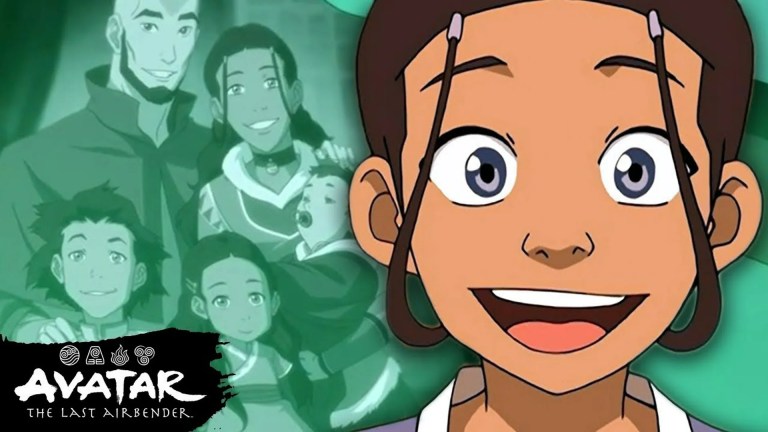
40. Avatar: The Last Airbender — Sozin’s Comet
Season/episode: S3E18–21, four-part finale · Year: 2008 · Written by: Michael Dante DiMartino and Bryan Konietzko · Directed by: Giancarlo Volpe, Ethan Spaulding, and Joaquim Dos Santos
Why it belongs: The finale coordinates multiple character arcs, battle scales, visual motifs, and moral choices without treating spectacle as a substitute for resolution. Its animation makes elemental conflict legible while preserving intimate character beats. It is an unusually complete example of children’s television trusting young viewers with consequence, restraint, and ethical ambiguity.
41. Friday Night Lights — The Son
Season/episode: S4E5 · Year: 2009 · Written by: Rolin Jones · Directed by: Jeffrey Reiner
Why it belongs: The episode makes grief social: a young man’s death reverberates through family, school, football, and a town that has no shared language for mourning. Handheld intimacy and unforced performances keep the drama grounded. Its achievement is not an inspirational speech, but the accumulation of small, unbearable human responses.
42. Battlestar Galactica — 33
Season/episode: S1E1 · Year: 2004 · Written by: Ronald D. Moore · Directed by: Michael Rymer
Why it belongs: The series begins with exhaustion rather than triumph. Repeated jumps, sleepless crews, and the search for one missing ship turn science-fiction action into a procedural portrait of survival. Its formal discipline made the premise credible and its moral atmosphere adult: victory is temporary, information is incomplete, and leadership is a burden rather than a pose.
43. The X-Files — Clyde Bruckman’s Final Repose
Season/episode: S3E4 · Year: 1995 · Written by: Darin Morgan · Directed by: David Nutter
What’s actually slowing this PC down?
Pick the symptom - the matching free tool is one click away.
Rank #3

- 4k Ultra HD (2160p resolution): Enjoy breathtaking HDR10 4K movies and TV shows at 4 times the resolution of Full HD, and upscale your current content to Ultra HD-level picture quality.
- High Dynamic Range: Provides a wide range of color details and sharper contrast, from the brightest whites to the deepest blacks.
- All-in-one: Get right to your good stuff. With Fire TV, you can enjoy a world of entertainment from apps like Prime Video, Netflix, Disney+, Hulu, and HBO Max. Plus, stream for free with Fire TV Channels, Pluto TV, Tubi, and more. Access over 1.8 million movies and TV episodes. Subscriptions may be required. Feature and content availability may vary.
- Smart Home: Your smart home hub. Pair Fire TV with compatible smart home devices to see live camera feeds, use AirPlay, control your lighting and thermostat, and more.
- Free Content: Stream for free. Access over 1 million free movies and TV episodes from popular ad-supported streaming apps like Fire TV Channels, Tubi, and Pluto TV. Subscriptions may be required. Feature and content availability may vary.
Why it belongs: The episode combines paranormal investigation with a bleak, deceptively gentle comedy about free will and mortality. Peter Boyle’s performance gives the clairvoyant premise a weary human center, while the script uses genre expectations to ask whether knowing the future is useful. Its tonal balance remains extraordinarily difficult to imitate.
44. The Golden Girls — Old Friends
Season/episode: S1E4 · Year: 1985 · Created by: Susan Harris · Directed by: Jay Sandrich
Why it belongs: The episode makes aging, friendship, and dignity sources of comedy without treating older women as a sentimental category. Its ensemble timing is generous: every character receives a distinct emotional position and comic response. The show’s social importance is inseparable from its craftsmanship, because representation lasts when the characters are funny before they are exemplary.
45. Hill Street Blues — Freedom’s Last Stand
Year: 1982 · Series context: early second-season ensemble drama
Quick wins for a faster PC:
Scan for outdated or missing drivers - takes under a minuteDriver Scan →Repair Windows errors before they cause bigger problemsFix Now →Fix the driver behind crashes, sound loss and screen glitchesFind Drivers →Why it belongs: This episode represents the program’s breakthrough synthesis of serialized character, multiple story lines, social pressure, and documentary-flavored urban texture. Rather than isolating a single hero, it treats the precinct as a civic ecosystem in which private decisions have public consequences. Its influence can be felt in the ensemble dramas that followed.
46. The Wonder Years — The Heart of the Matter
Season: 2 · Year: 1989 · Series creator: Neal Marlens and Carol Black
Why it belongs: The episode uses adult narration to expose the distance between remembered adolescence and lived experience. Its emotional intelligence comes from refusing to make first love, friendship, or family conflict feel larger than life; instead, it shows how those experiences become larger in memory. The reflective voice-over is part of the form, not a substitute for drama.
47. My So-Called Life — Life of Brian
Season/episode: S1E12 · Year: 1994 · Written by: Jason Katims · Directed by: Scott Winant
Why it belongs: The episode understands teenage identity as something assembled through other people’s projections. Its shifts among Angela, Brian, and the adults around them create empathy without pretending that anyone has complete self-knowledge. The naturalistic performances and interior narration expanded what an adolescent television drama could observe.
48. The Cosby Show — The Day the Spores Landed
Season/episode: S2E3 · Year: 1985 · Written by: John Markus
Why it belongs: As a parody of invasion science fiction, the episode shows a family sitcom experimenting with genre while retaining its domestic rhythms. Its importance also lies in the visibility of an affluent Black family treated as ordinary, funny, intellectually engaged, and fully dimensional. That cultural achievement should be discussed alongside, not erased by, the later public reckoning surrounding the star.
49. The Andy Griffith Show — Man in the Street
Year: 1960 · Series context: early broadcast sitcom
PC Slower Than It Used to Be?
A free scan shows the junk files, broken settings and background clutter dragging Windows down - then fixes them in one click.Free scan · Windows 10 & 11Crashes, No Sound, or Screen Glitches?
Random freezes, missing sound and display glitches usually trace back to one bad driver. Find and replace yours safely.Free scan · under a minuteWhy it belongs: The episode captures the series’ deceptively simple social design: a small-town public space where authority, gossip, embarrassment, and kindness constantly overlap. Its low-stakes surface conceals careful character staging. It belongs in a television canon because it demonstrates how a modest setting can become a complete moral world.
50. Alfred Hitchcock Presents — Lamb to the Slaughter
Season/episode: S3E28 · Year: 1958 · Based on: Roald Dahl · Directed by: Alfred Hitchcock
Why it belongs: The episode turns domestic routine into a darkly comic crime mechanism. Its compact point of view, carefully controlled reveal, and performance-led suspense show why anthology television could deliver a complete thriller in less than an hour. It also exemplifies the pleasure of a story in which social assumptions become part of the concealment.
For viewers who want to explore more classic anthology television than a single ranked entry can provide, the Alfred Hitchcock Presents: The Legacy Collection is a natural physical-media starting point. Universal’s official product information describes it as a 263-episode collection; it is a series set, not a box containing the 100 episodes on this list. Edition, region, price, stock, and legal availability should be checked before purchase.
The Tool Desk
Outbyte Driver Updater FREEFix the driver behind crashes, sound loss and screen glitchesFind Drivers →Outbyte PC Repair FREEClear out junk files and repair common Windows errorsFree Scan →51. The Twilight Zone — The Invaders
Season/episode: S2E15 · Year: 1961 · Written by: Richard Matheson · Directed by: Douglas Heyes
Why it belongs: The episode builds suspense almost entirely through a woman’s isolated performance and a changing scale of perception. Its visual reversal is not just a twist; it changes the viewer’s ethical position toward the apparent invaders. The story remains a concise demonstration of how framing can carry information that dialogue withholds.
52. One Day at a Time — One Day at a Time
Season/episode: S1E1 · Year: 2017 · Created by: Gloria Calderón Kellett and Mike Royce · Directed by: Pamela Fryman
Why it belongs: The reboot establishes its Cuban American, multigenerational household through jokes that reveal conflicting histories rather than smoothing them over. It demonstrates that the multicamera sitcom can address immigration, mental health, sexuality, and military experience while preserving the rhythm of a family comedy. Its warmth is structured, not vague.
53. Master of None — Thanksgiving
Season/episode: S2E8 · Year: 2017 · Written by: Lena Waithe and Aziz Ansari · Directed by: Melina Matsoukas
Why it belongs: The episode follows a friendship across years of Thanksgiving gatherings, allowing time and repetition to do the storytelling. Its perspective shifts without losing emotional continuity, and its attention to family reactions makes a coming-out story feel lived rather than diagrammed. It expanded the single-camera comedy’s capacity for temporal and cultural specificity.
54. Rick and Morty — The Ricklantis Mixup
Season/episode: S3E7 · Year: 2017 · Written by: Dan Harmon and Ryan Ridley · Directed by: Bryan Newton
Why it belongs: By largely leaving its titular duo behind, the episode turns a familiar science-fiction setting into a miniature political society. Interlocking vignettes reveal how institutions reproduce hierarchy even among supposedly interchangeable selves. Its ambition is unusually structural for adult animation: the joke is not separate from the world-building, but the method by which the world is criticized.
Free tools Windows power users keep installed
One-click scans. No signup required.
55. Russian Doll — A Warm Body
Season/episode: S1E8 · Year: 2019 · Created by: Natasha Lyonne, Leslye Headland, and Amy Poehler · Directed by: Leslye Headland
Why it belongs: The finale gives its repeating-death premise a visual and emotional resolution grounded in mutual recognition. The show’s loops have always been both puzzle and metaphor; here, the two functions finally lock together. Its brisk comedy, neon surfaces, and precise repetition make personal change feel like a formal event.
56. Succession — Connor’s Wedding
Season/episode: S4E3 · Year: 2023 · Written by: Jesse Armstrong · Directed by: Mark Mylod
Why it belongs: The episode demonstrates how to make a major event feel shocking without resorting to manipulative music or explanatory flashbacks. Information arrives through phone calls, glances, delays, and the characters’ inability to occupy the same room. Its controlled disruption of the series’ normal power structure became a defining example of contemporary serialized television.
57. The Good Place — Rhonda, Diana, Jake, and Trent
Season/episode: S2E8 · Year: 2017 · Written by: Megan Amram · Directed by: Jude Weng
Why it belongs: The episode turns a moral experiment into a farce about performance and identity. The characters must imitate people they barely understand, and the comedy comes from the gap between ethical intention and practical competence. It is a compact example of the series making philosophy playable without making its characters feel like thought experiments.
58. This Is England ’86 — Episode 4
Season/episode: Episode 4 · Year: 2010 · Written by: Shane Meadows and Jack Thorne · Directed by: Tom Harper
Why it belongs: The episode extends a coming-of-age story into a harsher examination of class, friendship, sexuality, and the afterlife of political violence. Its naturalism is not passive observation: performances, music, and abrupt tonal shifts make memory feel unstable. It shows how television continuation can deepen a film’s world rather than merely repeat it.
Do these 3 things before closing this tab:
1Repair Windows errors before they cause bigger problems2Scan for outdated or missing drivers - takes under a minute3Clear out junk files and repair common Windows errors59. The Thick of It — Spinners and Losers
Season/episode: S3E3 · Year: 2007 · Created and written by: Armando Iannucci · Directed by: Becky Martin
Why it belongs: Political chaos becomes a choreography of corridors, phones, reversals, and verbal attack. The episode’s speed never obscures its subject: power belongs to whoever can control the story while everyone else is still reacting. Improvised-feeling insults are supported by exact structural escalation, making the satire feel dangerously plausible.
60. The Carol Burnett Show — Went with the Wind!
Season/episode: S10E9, sketch-centered episode · Year: 1976
Why it belongs: The famous parody demonstrates the unique power of variety television to combine costume, live timing, celebrity persona, physical comedy, and audience response in a single event. Carol Burnett’s performance is elastic without becoming empty, and the sketch’s visual reveal depends on the immediacy of the broadcast space. It is television as communal performance.
61. The Muppet Show — Harry Belafonte
Season: 3 · Year: 1978 · Guest: Harry Belafonte
Why it belongs: The episode’s musical and comic collaboration shows how puppetry can support, rather than merely interrupt, a guest performer’s artistic identity. The Muppets’ visual scale makes the studio feel impossible while the live-performance discipline keeps it emotionally direct. It belongs to the canon of television variety because its imagination is inseparable from its production form.
62. Sesame Street — Farewell, Mr. Hooper
Episode: 1839 · Year: 1983 · Written by: Norman Stiles · Directed by: Jon Stone
Why it belongs: The episode addresses death for a preschool audience without turning grief into a euphemism or a frightening spectacle. Its patient conversations, careful performances, and respect for children’s emotional intelligence made it a landmark in educational television. It demonstrates that children’s programming can be formally simple while ethically and psychologically sophisticated.
63. The Beatles Anthology — Episode 1
Episode: Part 1 of the documentary series · Year: 1995 · Directed by: Geoff Wonfor
Why it belongs: The opening installment treats archival footage, interviews, photographs, recordings, and first-person recollection as competing forms of memory. Its importance is not simply that it documents a famous band; it helped establish how a major cultural history could be assembled from fragments and mediated testimony. It is documentary television as curated archive.
64. Dekalog — Dekalog: Six
Episode: Sixth film-length television installment · Year: 1988 · Written and directed by: Krzysztof Kieślowski, with Krzysztof Piesiewicz
Why it belongs: The installment transforms a seemingly simple story of voyeurism and desire into a morally unstable study of looking. Its restrained imagery, shifting sympathy, and refusal to divide innocence from harm show how television can sustain the density of cinema while remaining part of a larger ethical sequence. It is included here under the stated rule allowing episode-length international installments.
65. The Honeymooners — The $99,000 Answer
Season/episode: S1E5 · Year: 1956 · Written by: Herbert Finn and others · Directed by: Frank Satenstein
What’s actually slowing this PC down?
Pick the symptom - the matching free tool is one click away.
Why it belongs: Ralph Kramden’s attempt to win money through a television quiz show turns aspiration, insecurity, and performance into a compact comic tragedy. The episode understands the television set within the television show as a machine that magnifies humiliation. Its staging preserves the energy of live theater while using broadcast culture as the subject.
Rank #4

- REGZA Engine ZR: REGZA Engine ZR is Toshiba's revolutionary Engine. With the power of precise analyzing technology, it drives the maximum potential of picture quality to reach the resolution of 4K for scenes, to deliver stunning picture quality for breath-tak-ing viewing experience.
- AI 4K Upscaler: Toshiba's unique Al upscaling technology provides the near-4K level picture quality for Full HD content. Instead of simply replicating every pixel, it intelligently detects the colors of neighboring pixels and decides the proper color of each pixel by considering the detailed texture of the real sight. No matter what the content is, you can enjoy every scene with the amazing clarity of near-4K quality.
- Dolby Vision*Atmos: Combine Dolby Vision HDR imaging with Dolby Atmos sound to get engaging audio-visual performance, transforming your TV into an entertainment powerhouse with detailed images and acoustics, so as to achieve amazing realism that you'll see, hear, and feel like never before. That is, your truly spectacular home entertainment.
- Ultimate Motion: Ultimate Motion reduces blur in fast moving scenes, offering crisp and clear images for fast action sequences. Its smooth viewing experience puts you into the scene.
- Game Mode: Game mode supports many gaming features such as ALLM (Auto Low Latency Mode), VRR (Variable Refresh Rate) and eARC. With the combination of Ultimate Motion, breathtaking reality and excitement make your gaming experience unforgettable.
66. Star Trek — The City on the Edge of Forever
Season/episode: S1E28 · Year: 1967 · Story and teleplay credits: Harlan Ellison and others · Directed by: Joseph Pevney
Why it belongs: Time travel becomes a moral test in which saving history requires surrendering a personal future. The episode’s science-fiction machinery supports a deeply classical tragedy, while its period setting expands the series beyond spaceship adventure. Its influence lies in showing that speculative television could make ethical sacrifice feel intimate rather than merely cosmic.
67. Columbo — Murder by the Book
Season/episode: S1E1 · Year: 1971 · Written by: Steven Bochco · Directed by: Steven Spielberg
Recommended Free Tools
Why it belongs: The pilot establishes the inverted detective structure with unusual elegance: the viewer sees the crime, then watches Columbo dismantle the killer’s confidence. Spielberg’s direction gives Los Angeles a restless, observational texture, while Peter Falk makes curiosity feel more formidable than authority. The procedural’s signature was fully formed from its first hour.
68. Monty Python’s Flying Circus — The Dead Parrot
Season: 1 · Year: 1969 · Written by and starring: John Cleese and Graham Chapman · Directed by: Ian MacNaughton
Why it belongs: The sketch’s argument about a clearly deceased bird is a miniature of Python’s larger method: logical language pushed past the point where logic can survive. Its rhythm depends on pauses, escalation, physical commitment, and the performers’ refusal to acknowledge absurdity. It became cultural shorthand because its construction is both simple and inexhaustible.
69. The Prisoner — The Chimes of Big Ben
Season/episode: S1E2 · Year: 1967 · Written by: Lewis Griefer · Directed by: Don Chaffey
Why it belongs: The episode turns a supposedly escape-oriented plot into an experiment in obedience, identity, and manufactured reality. Its stylized village, repeated slogans, and abrupt shifts in authority give political allegory a pop-art surface. It helped establish the idea that television science fiction could be visually strange and philosophically confrontational.
70. The Ed Sullivan Show — The Beatles’ First American Appearance
Broadcast: February 9, 1964 · Format: live variety episode
Why it belongs: This is an episode whose historical importance is inseparable from its status as a shared broadcast event. The performances, audience reaction, staging, and next-day cultural aftershock demonstrate television’s ability to synchronize millions of private viewing experiences. It is included not as the most intricately written hour, but as a decisive example of television changing popular culture in real time.
71. ER — Love’s Labor Lost
Season/episode: S1E4 · Year: 1994 · Written by: John Wells · Directed by: Mimi Leder
Do these 3 things before closing this tab:
1Repair Windows errors before they cause bigger problems2Scan for outdated or missing drivers - takes under a minute3Clear out junk files and repair common Windows errorsWhy it belongs: The episode makes medical competence and human limitation collide within a single emergency. Its procedural detail creates suspense, but the real achievement is the gradual erosion of professional confidence as every attempted solution produces another problem. It helped define the emotional and visual intensity of the modern medical drama.
72. Twin Peaks — Zen, or the Skill to Catch a Killer
Season/episode: S1E3 · Year: 1990 · Written by: Mark Frost and David Lynch · Directed by: David Lynch
Why it belongs: The episode announces that the series’ mystery will not be contained by procedural realism. Its dream sequence, tonal collisions, and deliberately artificial spaces make intuition a legitimate investigative instrument. Lynch’s direction turns television’s familiar small-town surfaces into a stage where the unconscious keeps interrupting the plot.
73. The Simpsons — Homer’s Enemy
Season/episode: S8E23 · Year: 1997 · Written by: John Swartzwelder · Directed by: Jim Reardon
Recommended Free Tools
Why it belongs: Frank Grimes is introduced as a corrective to Homer’s luck, then becomes a disturbing test of the show’s own reality. The episode asks whether an animated sitcom can remain morally coherent when its protagonist’s irresponsibility is also its comic engine. Its unease is evidence of ambition, not a failure to be pleasant.
74. South Park — Make Love, Not Warcraft
Season/episode: S10E8 · Year: 2006 · Written and directed by: Trey Parker
Why it belongs: The episode turns online gaming into both a parody of epic quest narratives and a remarkably accurate portrait of shared digital obsession. Its animation style shifts to reproduce game logic, while the plot gives an apparently trivial activity real dramatic stakes. It captured a changing media culture without pretending the culture was either noble or disposable.
75. The Shield — Family Meeting
Season/episode: S7E13 · Year: 2008 · Written by: Kurt Sutter · Directed by: Clark Johnson
Quick wins for a faster PC:
Repair Windows errors before they cause bigger problemsFix Now →Scan for outdated or missing drivers - takes under a minuteDriver Scan →Clear out junk files and repair common Windows errorsFree Scan →Why it belongs: The finale confronts the series’ corrupt protagonist with the institutional and personal consequences he has spent years postponing. Its restraint is crucial: the ending does not turn wrongdoing into a lesson or punishment into spectacle. Instead, it asks what kind of life remains after a person has made himself indispensable to a system.
76. Doctor Who — Blink
Season/episode: S3E10 · Year: 2007 · Written by: Steven Moffat · Directed by: Hettie Macdonald
Why it belongs: The episode creates suspense from the relationship between stillness and movement, turning ordinary statues into a threat that can advance only when unseen. Its limited access to the Doctor becomes a strength, forcing the audience to follow clues through messages, photographs, and time. It is an exemplary piece of high-concept storytelling built from a simple visual rule.
77. Community — Remedial Chaos Theory
Season/episode: S3E4 · Year: 2011 · Written by: Dan Harmon and Chris McKenna · Directed by: Jeff Melman
Why it belongs: A repeated dinner-party premise becomes a diagram of friendship, insecurity, and alternate possibility. The episode changes one variable at a time, allowing comedy and character information to accumulate through comparison. Its formal gimmick is ultimately humane: every version reveals that the group’s dysfunction is also the source of its attachment.
78. Parks and Recreation — Li’l Sebastian
Season/episode: S3E16 · Year: 2011 · Written by: Greg Daniels and Michael Schur · Directed by: Dean Holland
Why it belongs: The episode converts a tiny civic mascot into a genuine emotional object without mocking the people who care about him. Songs, memorial rituals, workplace conflict, and Leslie Knope’s relentless optimism become parts of a shared language. It shows the sitcom at its most difficult: sentimental, funny, and sincere without becoming weightless.
79. Atlanta — Teddy Perkins
Season/episode: S2E6 · Year: 2018 · Written by: Donald Glover · Directed by: Hiro Murai
Free tools Windows power users keep installed
One-click scans. No signup required.
Why it belongs: The episode leaves the series’ usual social rhythm for a surreal chamber piece about fame, isolation, inheritance, and bodily performance. Its uncanny production design and controlled discomfort make the viewer share the protagonist’s uncertainty. It is television that uses genre detour not to escape the series, but to expose its hidden anxieties.
80. Better Call Saul — Chicanery
Season/episode: S3E5 · Year: 2017 · Written by: Gordon Smith · Directed by: Daniel Sackheim
Why it belongs: A legal hearing becomes a performance contest between technical truth and emotional credibility. The episode’s courtroom structure gives Jimmy and Chuck’s relationship a public arena, while small physical details carry enormous narrative weight. It is a prime example of a prequel making inevitability feel like suspense.
81. Chernobyl — Vichnaya Pamyat
Season/episode: S1E5 · Year: 2019 · Written by: Craig Mazin · Directed by: Johan Renck
The Tool Desk
Outbyte PC Repair FREERepair Windows errors before they cause bigger problemsFix Now →Outbyte Driver Updater FREEFix the driver behind crashes, sound loss and screen glitchesFind Drivers →Why it belongs: The finale refuses to treat technical explanation as an alternative to human responsibility. Testimony, institutional denial, and the price paid by workers converge in a structure that makes bureaucracy feel physically dangerous. Its controlled severity gives a historical disaster dramatic shape without pretending that narrative closure can undo the damage.
82. Barry — ronny/lily
Season/episode: S2E5 · Year: 2019 · Written and directed by: Bill Hader
Why it belongs: The episode abruptly mutates a hitman comedy into near-silent physical nightmare. Its extended set piece relies on movement, injury, strange pauses, and a childlike antagonist who seems to belong to another genre. The formal gamble works because the series has already established violence as both ridiculous and terrifying.
83. The Bear — Fishes
Season/episode: S2E6 · Year: 2022 · Written by: Joanna Calo · Directed by: Christopher Storer
Why it belongs: A flashback holiday dinner turns family history into an audiovisual pressure system. Overlapping voices, abrupt movement, food preparation, addiction, and inherited resentment create a dinner that feels both specifically observed and formally overwhelming. The episode makes the past something the characters still physically inhabit.
84. Severance — The We We Are
Season/episode: S1E9 · Year: 2022 · Written by: Dan Erickson · Directed by: Ben Stiller
Why it belongs: The finale transforms a speculative workplace premise into a race against the limits of consciousness. Its cross-cutting among three newly awakened selves creates suspense from fragments of ordinary life, while the sterile design acquires political and emotional meaning. The cliffhanger is effective because the episode gives each revelation a personal cost.
85. The Last of Us — Long, Long Time
Season/episode: S1E3 · Year: 2023 · Written by: Craig Mazin and Neil Druckmann · Directed by: Peter Hoar
Windows Errors? Fix Them Before They Spread
Repair common Windows errors and clear accumulated junk for a smoother, more stable PC - no reinstall needed.Free scan · no reinstallCrashes, No Sound, or Screen Glitches?
Random freezes, missing sound and display glitches usually trace back to one bad driver. Find and replace yours safely.Free scan · under a minuteWhy it belongs: The episode pauses the forward drive of an apocalypse story to build a complete life from routine, companionship, and chosen protection. Its structure makes time passing feel like the central event. The result is a character episode that broadens the genre by treating love, rather than survival mechanics, as the main source of suspense.
86. Band of Brothers — Bastogne
Season/episode: S1E6 · Year: 2001 · Written by: Bruce C. McKenna · Directed by: David Leland
Why it belongs: The episode narrows a large war narrative to cold, hunger, exhaustion, and the fragile medical work of one soldier. Its restricted perspective makes combat feel less like strategy than bodily endurance. It demonstrates how a historical miniseries can create scale by concentrating attention rather than constantly expanding it.
87. The Americans — START
Season/episode: S6E10 · Year: 2018 · Written by: Joel Fields and Joe Weisberg · Directed by: Chris Long
What’s actually slowing this PC down?
Pick the symptom - the matching free tool is one click away.
Why it belongs: The finale gives espionage television its most important resource: silence after years of deception. Decisions about family, ideology, marriage, and nation are communicated through glances and absences as much as through dialogue. Its restraint makes the ending feel like consequence, not coronation.
Best Value

- EXPANDED CONTRAST FOR ENHANCED VISUAL DETAIL: Get expanded contrast between the lightest and darkest parts of a scene for a wide spectrum of colors, enhanced detail and depth.
- MOTION-BASED SOUND: Feel like you're in the middle of the action with sound that follows objects on screen. Featuring a virtual top channel, every sound is precisely placed in space, placing you in the heart of the scene.
- SECURES PERSONAL DATA** WITH TRIPLE-LAYER PROTECTION: Your TV experiences are secured. Samsung Knox Security defends against harmful apps and phishing sites while keeping sensitive data, such as PINs and passwords, secure. It also safeguards your IoT devices connected to your TV.
- YOUR TV SCREEN, TAILORED TO YOU: Stream your favorite movies and shows and access your favorite apps and games on an intuitive smart TV platform* , with personal data secured by Samsung Knox.** Plus get 7 years of automatic OS updates.***
- A WORLD OF CONTENT AT YOUR FINGERTIPS. NO SUBSCRIPTION REQUIRED: Watch 2,700+ free channels including 400+ Samsung TV Plus premium channels and on free streaming apps. Enjoy national and local news, sports, movies and more. Explore new content being added regularly.
88. The Handmaid’s Tale — June
Season/episode: S2E1 · Year: 2018 · Written by: Bruce Miller · Directed by: Kari Skogland
Why it belongs: The episode uses confinement, ritual, and bodily threat to show how authoritarian power survives through anticipation as much as punishment. Its visual compositions make a character’s constrained choices legible without pretending that resistance is simple. The result is a season opener with the pressure and completeness of a short film.
89. The Crown — Aberfan
Season/episode: S3E3 · Year: 2019 · Written by: Peter Morgan · Directed by: Benjamin Caron
Why it belongs: The episode treats a national disaster through the tension between public ritual and private emotional inhibition. Its careful pacing, choral music, and attention to the community prevent the royal family from becoming the sole subject of the tragedy. Historical drama becomes an examination of how institutions perform grief.
90. Normal People — Episode 9
Season/episode: S1E9 · Year: 2020 · Written by: Alice Birch · Directed by: Lenny Abrahamson
Why it belongs: The episode understands intimacy as a matter of timing, class, shame, and what remains unsaid. Its performances are so finely calibrated that changes in posture and attention carry the plot. It belongs here because television’s long form is used not for scale, but for the granular accumulation of emotional knowledge.
91. Maid — Sky Blue
Season/episode: S1E9 · Year: 2021 · Written by: Molly Smith Metzler · Directed by: John Wells
Why it belongs: The episode makes bureaucracy and poverty visible through the protagonist’s exhausting movement among offices, homes, shelters, and unstable relationships. Its visual perspective keeps structural hardship connected to daily decisions. The drama avoids turning resilience into a slogan; survival is shown as labor that other people routinely fail to see.
92. The Good Wife — Hitting the Fan
Season/episode: S5E5 · Year: 2013 · Written by: Robert King and Michelle King · Directed by: Robert King
Why it belongs: The episode makes professional betrayal move at the speed of a legal emergency. Characters communicate through office doors, phones, glances, and rapidly changing alliances, turning workplace logistics into suspense. Its achievement is to make institutional rupture feel as intimate and destabilizing as a family breakup.
93. Orphan Black — Unconscious Selection
Season/episode: S1E2 · Year: 2013 · Written by: Graeme Manson · Directed by: John Fawcett
Free tools Windows power users keep installed
One-click scans. No signup required.
Why it belongs: The episode quickly establishes that its central performance challenge is also its narrative engine: one actor must make multiple identities feel socially distinct. Editing and blocking turn doubling into suspense rather than spectacle. The science-fiction mystery works because every revelation immediately creates a problem of trust and impersonation.
94. Key & Peele — Substitute Teacher
Season/episode: S2E4 · Year: 2012 · Written by: Keegan-Michael Key and Jordan Peele · Directed by: Peter Atencio
Why it belongs: The sketch builds its comic premise from the gap between a teacher’s certainty and the students’ reality, then exposes how names, authority, and cultural assumptions shape one another. Its clean escalation and committed performance made it unusually portable beyond the original episode. It is a reminder that a sketch can become a durable cultural text.
95. Survivor — The Ultimate Shock
Season/episode: S1E13, Borneo finale · Year: 2000 · Format: reality-competition finale
Why it belongs: The finale helped establish the reality-competition episode as a serialized television form with its own grammar of alliance, confession, editing, suspense, and audience judgment. Its historical significance is larger than any individual challenge: it made viewers read constructed footage as character narrative and turned unscripted television into a dominant mainstream format.
96. The Jinx: The Life and Deaths of Robert Durst — The State of Texas vs. Robert Durst
Season/episode: S1E6 · Year: 2015 · Directed by: Andrew Jarecki
Why it belongs: The finale demonstrates the ethical and formal power of documentary editing when access, testimony, and contradiction converge. Its tension comes from the gap between what a subject believes he controls and what the assembled record reveals. It also raises the responsibility that accompanies nonfiction access: the camera can document an event while participating in its consequences.
97. The Civil War — The Cause
Episode: Part 1 · Year: 1990 · Created and directed by: Ken Burns · Written by: Geoffrey C. Ward
Outdated Drivers Are Slowing You Down
One free scan finds every outdated or missing driver and matches the right update for your exact hardware.Free scan · exact hardware matchPC Slower Than It Used to Be?
A free scan shows the junk files, broken settings and background clutter dragging Windows down - then fixes them in one click.Free scan · Windows 10 & 11Why it belongs: The opening installment established a documentary language built from photographs, letters, maps, testimony, music, and controlled camera movement across still images. Rather than treating archival material as illustration, it gives the archive emotional and argumentative authority. Its influence on American documentary television is difficult to overstate.
98. Planet Earth — From Pole to Pole
Season/episode: S1E1 · Year: 2006 · Series producer: Mark Linfield · Narrated by: David Attenborough
Why it belongs: The episode makes geography itself into narrative structure, moving across environments while connecting scale, survival, and seasonal change. Its aerial photography, time-lapse, underwater work, and sound design expanded expectations for natural-history television. It is not merely a collection of beautiful images; it is an argument about how editing creates ecological understanding.
99. The Vietnam War — The River Styx
Episode: Part 2 · Year: 2017 · Created and directed by: Ken Burns and Lynn Novick
Recommended Free Tools
Why it belongs: The installment places official narratives beside soldier testimony, civilian memory, photographs, and political context. Its achievement is cumulative rather than sensational: contradiction becomes the documentary’s organizing principle. The episode shows how nonfiction television can make historical uncertainty more truthful than a single authoritative voice.
100. O.J.: Made in America — Episode 5
Episode: Part 5 · Year: 2016 · Directed by: Ezra Edelman
Why it belongs: The concluding installment brings celebrity, race, policing, domestic violence, media spectacle, and the criminal justice system into one historical frame. Its length and accumulation are justified by the subject’s complexity: the documentary does not reduce public fascination to a single trial. It is a powerful example of the episode-length documentary as a form capable of connecting private events to national structures.
Independent reader supportYour contribution helps us test, update, and keep practical guides available for everyone.What these 100 episodes reveal about television
1. The bottle episode is not a limitation
Several of the strongest entries deliberately reduce their physical world: Pine Barrens, Middle Ground, The Suitcase, Three Men and Adena, Chicanery, Dinner Party, and 407 Proxy Authentication Required. Confinement creates pressure. When a production cannot solve a problem with scale, it must solve it with performance, rhythm, point of view, and the meaning of small gestures.
Quick wins for a faster PC:
Fix the driver behind crashes, sound loss and screen glitchesFind Drivers →Repair Windows errors before they cause bigger problemsFix Now →Scan for outdated or missing drivers - takes under a minuteDriver Scan →2. Finales work when they resolve meaning, not just plot
Everyone’s Waiting, Whenever You’re Ready, START, Ozymandias, Sozin’s Comet, and Vichnaya Pamyat approach closure differently. Some provide a future, some provide a moral reckoning, and some simply clarify what the characters have become. The strongest endings do not answer every question. They make the unanswered questions feel intentional.
3. Anthology television can be more concentrated than serialization
The Twilight Zone and Alfred Hitchcock Presents demonstrate the advantages of the anthology: premise, escalation, reversal, and consequence can be designed within one sitting. Their influence persists in modern speculative television, but their compactness is its own achievement. A twist is not enough; the best anthology episodes make the twist alter the viewer’s understanding of the whole story.
4. Comedy is a formal discipline
The chocolate factory, the Thanksgiving dinner, the funeral, the dinner party, the substitute teacher, and the dead parrot all depend on exact timing. Comedy can look effortless because the mechanics are hidden. In practice, the strongest comic episodes coordinate entrances, exits, reaction shots, repeated motifs, escalating stakes, and the audience’s changing knowledge with extraordinary precision.
5. Animation is not a lesser form of television
Jurassic Bark, Last Exit to Springfield, Homer’s Enemy, Sozin’s Comet, Ricklantis Mixup, and The View from Halfway Down use animation for things live action cannot do as easily: alter scale, move through memory, make metaphor physical, and place incompatible realities in the same frame. Their medium is not an excuse for exaggeration; it is the source of their precision.
6. Documentary episodes create meaning through access and arrangement
The nonfiction selections show several different kinds of achievement. The Beatles Anthology constructs cultural memory from an archive. The Civil War gives still images movement and voice. Planet Earth turns scientific observation into visual narrative. The Jinx, The Vietnam War, and O.J.: Made in America demonstrate that editing, omission, testimony, and framing are not neutral technical steps; they are the documentary’s argument.
7. Historical importance and artistic quality are related but not identical
The Ed Sullivan Beatles broadcast changed culture, while The Singing Detective changed ideas about form. Roots had enormous social and historical impact, while Hush influenced the grammar of genre television. A ranking that recognizes only formal innovation misses television’s public life; a ranking that recognizes only popularity mistakes circulation for achievement. The list needs both.
Major omissions and deliberate boundaries
A list of 100 necessarily leaves out excellent episodes. The omissions are not claims that these programs lack merit. They reflect the scoring balance, the need for period and genre breadth, and eligibility decisions.
- Orange Is the New Black and The View from Halfway Down: the title was corrected above because the episode belongs to BoJack Horseman.
- Jeopardy!: landmark tournaments and record-setting games are historically important, but this edition excludes game-show episodes as a category.
- Neon Genesis Evangelion — The End of Evangelion: it is a feature-length film rather than a conventional television episode, so it is outside the stated scope.
- Other worthy omissions: influential episodes from Star Trek: The Next Generation, Friends, Frasier, Modern Family, American Idol, The Larry Sanders Show, 30 for 30, Cosmos, Reservation Dogs, and many national television traditions could all support a separate canon.
How to watch the list responsibly
Streaming availability changes by country, season, and episode. A service that carries a series may not carry every installment, and rights can move without notice. Check a current legal provider in your region rather than treating an old availability guide as permanent. For older television, physical media, libraries, archives, and specialist distributors may offer access that mainstream streaming does not.
Do these 3 things before closing this tab:
1Fix the driver behind crashes, sound loss and screen glitches2Clear out junk files and repair common Windows errors3Scan for outdated or missing drivers - takes under a minuteCollectors should also check the exact edition, region code, subtitles, restoration quality, bonus material, and whether a release contains the complete series or only a selection. This matters especially for anthology programs and documentary series, where a single ranked episode may be only one part of a much larger historical record.
Final verdict
The best television episodes are not all trying to do the same thing. Some make a joke land with perfect timing; some compress a war, a marriage, or a national trauma into an hour; some use sound and editing to create a new grammar; and some simply make viewers understand another person more clearly. The ranking is contestable by design. Its purpose is not to end the argument, but to identify 100 persuasive places to begin it.
Frequently Asked Questions
Is there really an objective ranking of the best TV episodes?
No. This is an argued editorial canon, not a mathematically objective list. Episodes were evaluated for craft, formal achievement, performance, cultural impact, influence, standalone power, and durability, then adjusted for historical and genre balance.
What qualifies as a TV episode on this list?
The list includes conventional episodes, anthology segments, documentary installments, finales, multi-part television installments, and variety or sketch episodes when the episode itself is the achievement. It excludes theatrical feature films and isolated game-show contests.
Why are there fewer early television episodes than modern streaming episodes?
The surviving record is uneven. Much early television was broadcast live, and some programs survive only as kinescopes, partial recordings, or deteriorating copies. A title being easy to stream today does not prove that it is more historically important.
Is The View from Halfway Down an Orange Is the New Black episode?
That title is from BoJack Horseman, season 6, episode 15. It is sometimes misattributed in informal lists, but it is not an Orange Is the New Black episode.
Where can I legally watch these episodes?
Availability varies by country and changes frequently. Check a current legal streaming provider, library, archive, or physical-media retailer in your region. A service carrying a series may not carry every episode.
The Bottom Line
The strongest case for these 100 episodes is not that they are universally superior, but that together they show television’s range: live performance, sitcom construction, genre invention, serialized consequence, animation, documentary access, and international storytelling. Watch them as individual works, then argue with the order.
What’s actually slowing this PC down?
Pick the symptom - the matching free tool is one click away.
Quick Recap
Product prices and availability are accurate as of the date/time indicated and are subject to change. Any price and availability information displayed on Amazon at the time of purchase will apply.