The Tool Desk
Outbyte PC Repair FREEClear out junk files and repair common Windows errorsFree Scan →Outbyte Driver Updater FREEScan for outdated or missing drivers - takes under a minuteDriver Scan →Amusement parks are entertainment businesses built around rides, attractions, games, food, and shared experiences. The category includes traditional midway and roller-coaster parks, theme parks organized around stories or brands, water parks, family entertainment centers, and destination resorts that combine attractions with hotels, restaurants, retail, cruises, and transportation.
The terms amusement park and theme park overlap, but they are not identical. An amusement park may focus primarily on mechanical rides, thrill attractions, seasonal events, and family activities. A theme park adds a stronger layer of narrative immersion: themed environments, branded lands, characters, entertainment, and sometimes resort lodging. Many major parks use both models at once.
What is an amusement park?
An amusement park is a purpose-built attraction where visitors pay for access to a concentrated collection of rides, shows, games, food, merchandise, and other leisure experiences. Its basic promise is simple: more entertainment in one visit than most people could create or find independently.
That definition covers very different businesses. A regional coaster park may be designed chiefly for repeat day trips from nearby communities. A destination theme-park resort may be part of a week-long vacation involving flights, hotels, restaurants, retail, cruises, and several days of admission. A family entertainment center may occupy an indoor building with arcade games, soft-play areas, bowling, miniature golf, or smaller rides.
Free tools Windows power users keep installed
One-click scans. No signup required.
#1 Best Overall

- Ticket Roll Dispenser: The raffle ticket dispenser is made from steel, with brass-coated finish, smooth surface, and sturdy; comes with a removable metal wire bar, durable and strong
- Size: The ticket dispenser measures 8.27" L x 3.74" W x 8.07" H, and the width of the ticket slot is 2.25" W
- Tickets Roll Machine: The raffle ticket dispenser works with both single and double ticket rolls (tickets are not included); the ticket roll dispenser can be used anywhere
- Easy to Use: No assembly is required, simply place one or two rolls of tickets into the ticket dispenser, and dispense tickets through the bottom slot, very easy to count off and tear off different numbers of tickets
- Wide Range of Uses: This ticket dispenser is great for carnivals, auctions, concerts, theaters and various of events, parties
The attractions industry is broader still. The International Association of Amusement Parks and Attractions, or IAAPA, uses research frameworks that include amusement parks, theme parks, water parks, entertainment centers, zoos, aquariums, museums, science centers, historical and cultural attractions, and natural, ecological, scenic, or adventure attractions. In practice, these categories increasingly overlap.
Amusement park versus theme park
| Feature | Amusement park | Theme park |
|---|---|---|
| Primary organizing idea | Rides, games, thrills, family attractions, and seasonal entertainment | A coherent story, setting, brand, intellectual property, or themed world |
| Physical design | Ride areas, midway spaces, coaster zones, water features, and event venues | Immersive lands with themed architecture, music, food, characters, and scenery |
| Typical visit | Often a day trip or repeat local visit | May be a multi-day destination vacation, though many are also regional parks |
| Business emphasis | Ride capacity, seasonal attendance, events, passes, and per-visit spending | Storytelling, intellectual-property licensing, resorts, merchandise, dining, and premium planning |
Neither label automatically says anything about quality, size, or safety. A park can have major roller coasters and still be heavily themed, while a theme park can contain conventional thrill rides. The useful distinction is the park’s center of gravity: mechanical attractions and general entertainment, or immersion in a designed world.
Why amusement parks matter economically
A park’s visible product is the ride, but its economic footprint extends well beyond the entrance gate. Visitors spend money on admission, parking, food, drinks, merchandise, hotels, transportation, and nearby businesses. Operators also purchase construction, engineering, maintenance, technology, security, entertainment, food-service, retail, and marketing services.
IAAPA regional economic-impact studies track measures such as revenue, attendance, jobs, employee compensation, taxes, facility counts, and performance across multiple attraction categories. Its 2025 Middle East and Africa study used 2024 calendar-year data and examined amusement parks alongside theme parks, water parks, entertainment centers, zoos and aquariums, museums and science centers, historical and cultural attractions, and natural or adventure attractions. The important point is that attractions create both direct park activity and indirect effects through hotels, restaurants, transportation, suppliers, construction, retail, and tax revenue.
What’s actually slowing this PC down?
Pick the symptom - the matching free tool is one click away.
Seasonality shapes the business
Attendance is rarely evenly distributed across a year. Weather, school holidays, local population density, tourism patterns, transportation access, and nearby accommodation all influence demand. A coastal park may have a different peak season from an inland park; an indoor family entertainment center may be less exposed to heat and rain than a large outdoor resort.
Operators try to spread demand through annual passes, memberships, festivals, concerts, Halloween programs, holiday events, indoor attractions, resort hotels, cruises, and special-ticket experiences. Annual-pass guests can provide repeat visitation outside the traditional vacation season, while hotels and vacation packages encourage visitors to stay longer.
How amusement parks make money
Admission is the entry point, not the whole commercial model. A modern park usually earns revenue at several stages of the guest journey.
| Revenue stream | What it includes | Why it matters |
|---|---|---|
| Admission | Single-day, multi-day, date-based, and special-event tickets | Provides the basic right to enter and often sets the price ceiling for the visit |
| Passes and memberships | Season passes, annual passes, and recurring monthly memberships | Encourage repeat visits and create more predictable revenue |
| Premium access | Paid expedited-queue products, reserved experiences, cabanas, lockers, rentals, and specialty tours | Monetizes convenience, time, comfort, or exclusivity |
| Hotels and vacations | Resort rooms, vacation packages, cruises, transportation, and related services | Turns a day visit into a multi-day destination trip |
| Food and beverage | Counter service, snacks, drinks, table-service restaurants, and specialty dining | Captures spending during a long day when guests are already on site |
| Merchandise and retail | Clothing, souvenirs, toys, collectibles, character goods, and themed products | Extends the experience beyond the park and benefits from recognizable brands |
| Games and entertainment | Arcades, midway games, shows, concerts, character encounters, and special events | Adds paid activities and gives visitors alternatives when rides are busy or closed |
| Licensing and groups | Intellectual-property licensing, retail licensing, corporate events, school trips, and group sales | Expands revenue beyond ordinary individual admission |
What one major operator’s figures show
The Walt Disney Company’s fiscal 2025 annual report illustrates this diversification, but its figures should not be mistaken for the size of the entire global amusement-park market. Disney reported fiscal 2025 Experiences revenue of $36.156 billion and operating income of $9.995 billion. Within the segment, it reported:
- $11.707 billion in theme-park admissions revenue;
- $9.210 billion from resorts and vacations; and
- $8.491 billion from parks-and-experiences merchandise, food and beverage.
The company said higher theme-park admissions revenue was principally associated with a 4% increase in average per-capita ticket revenue. These are company-reported segment figures, not an attendance or revenue estimate for every amusement park worldwide. They demonstrate how a destination operator combines admission with lodging, dining, merchandise, licensing, and other experiences.
The major types of amusement park
Traditional regional amusement parks
Regional parks are often built around a mix of roller coasters, thrill rides, family rides, children’s areas, games, food outlets, and seasonal programming. Their customer base may include local residents, nearby tourists, school groups, and annual-pass holders. Because many guests live close enough to return, passes, memberships, festivals, and repeatable seasonal events can be as important as one-time vacation traffic.
Theme parks and intellectual property
Theme parks organize attractions around a setting, story, character universe, or recognizable brand. Themed architecture, music, food, costumes, merchandise, live entertainment, and interactive details make the environment itself part of the product. Intellectual property can also make a new land or attraction familiar to visitors before they arrive, while giving the operator additional licensing and retail opportunities.
Water parks
Water parks replace or supplement dry rides with slides, wave pools, lazy rivers, splash areas, children’s play structures, and cabanas. They face particular weather and seasonal pressures, and their planning rules can differ from those of a traditional park. A water-park ticket or add-on may be separate from admission to a nearby dry park.
Family entertainment centers
Family entertainment centers are often smaller and may operate indoors or in mixed indoor-outdoor venues. They can combine arcades, prize games, bowling, miniature golf, climbing, soft play, go-karts, dining, and modest rides. Their shorter visits and local customer base produce a different operating model from a destination resort.
Destination resorts
A destination resort treats the park as one part of a larger vacation system. Hotels, restaurants, retail, transportation, entertainment, cruises, water parks, and multiple admission products are connected to encourage longer stays and more spending per visitor. Disney and Universal are prominent examples of this model, although the exact benefits differ by property and date.
Examples of major operator models
Disney: the integrated destination resort
Disney’s parks model combines theme parks, hotels, cruises, food and beverage, merchandise, licensing, vacation products, and digital planning tools. Current Walt Disney World ticketing materials show date-based admission, multi-day products, Park Hopper options, water-park and sports add-ons, and limited-time offers whose dates and terms vary.
One example in the 2026 materials is a four-park ticket covering one admission to each of Magic Kingdom, EPCOT, Disney’s Hollywood Studios, and Disney’s Animal Kingdom on four separate days. That offer is subject to its stated dates and terms; it should not be generalized to every Disney ticket or every travel date.
Do these 3 things before closing this tab:
1Clear out junk files and repair common Windows errors2Scan for outdated or missing drivers - takes under a minute3Repair Windows errors before they cause bigger problemsDisney’s current Lightning Lane structure includes Multi Pass, Single Pass, and Premier Pass. The passes are purchased through the My Disney Experience app, require valid park admission, vary by date and park or attraction, and are subject to availability. Disney’s stated purchase windows generally allow eligible Disney Resort hotel guests to buy up to seven days before their stay, while many other guests use a three-day advance window. Eligibility, attraction lists, prices, closures, and terms can change.
Rank #2

- Paper material: made of paper, comfortable to touch and not easy to break,event entry tickets,raffle tickets labels
- Ticket holder raffle:these raffle tickets can attract more people to participate in the activity, increase the interest and participation of the activity, also stimulate people's enthusiasm for participation,universal tickets
- Ticket:there are sufficient quantity of raffle tickets, enough for you to use for a long time,event ticket holder
- Raffle tickets holder:lottery tickets can attract people's attention, to met more people to take part in activity, very practical and necessary,raffle tickets holder
- Raffle tickets bulk: the activity more meaningful, not only bring some practical rewards to the participants, but also bring psychological satisfaction and a sense of honor,raffle tickets
Lightning Lane is a demand-management and itinerary tool, not a guarantee of a particular wait time or attraction experience. A guest still needs valid admission, the relevant product, availability, and an operating attraction.
Universal: immersive worlds and hotel-linked benefits
Universal’s model demonstrates how intellectual property and immersive environments can drive a destination business. Universal Epic Universe was promoted in official materials as a major new theme park with five immersive worlds. Its ticketing information identifies date-based pricing and capacity limits, and particular dates may sell out. Visitors should confirm the park’s operating calendar and ticket terms rather than assume that a ticket is valid whenever they choose.
Universal also uses resort hotels to influence when and where guests spend time. Official hotel materials describe Early Park Admission for eligible hotel guests, complimentary transportation, and other resort-wide conveniences. The qualifying parks, attractions, operating times, and benefits can change, so hotel value should be judged from the current terms rather than from an old itinerary or a generic claim that every hotel receives every benefit.
Recommended Free Tools
Six Flags: regional parks, passes, and memberships
Six Flags illustrates the regional-park and multi-park pass model. Its 2026 materials distinguish a season pass from a membership. A season pass is generally intended to provide unlimited visits through the relevant calendar year, while a membership uses an initial payment followed by monthly payments at participating parks.
The distinction is more than a billing detail. Six Flags’ 2026 legal terms emphasize that validity, participating parks, blockout dates, add-ons, and benefits vary by product and location. Corporate ownership and operating arrangements can also change which parks participate. Anyone comparing passes should read the terms for the specific park, product, and year.
SeaWorld: rides, animals, shows, and seasonal events
SeaWorld combines amusement-park rides with animal exhibits, shows, seasonal events, and special attractions. Its annual-pass model can be evaluated alongside the expected value of repeat visits, while the park’s zoological and entertainment programming gives visitors alternatives to the ride schedule.
SeaWorld Orlando’s 2026 materials promoted annual-pass value and programming connected with the U.S. semiquincentennial, and separate materials described a new attraction and annual-pass-member access. These are examples of how operators use limited-time programming and member benefits; they are not permanent guarantees for every park or every pass.
PC Slower Than It Used to Be?
A free scan shows the junk files, broken settings and background clutter dragging Windows down - then fixes them in one click.Free scan · Windows 10 & 11Crashes, No Sound, or Screen Glitches?
Random freezes, missing sound and display glitches usually trace back to one bad driver. Find and replace yours safely.Free scan · under a minuteHow tickets, passes, reservations, and queues work in 2026
There is no universal amusement-park ticket system. The same company may sell different products across properties, and the rules can change by date, demand, season, park capacity, and event.
1. Date-based admission
A date-based ticket assigns a price or validity to a selected day. It can help an operator forecast demand and charge differently for busy and quiet periods. Before buying, check whether the ticket requires a date selection, a park reservation, or both; whether it can be moved; its expiration date; and its refund, cancellation, and transfer rules.
2. Multi-day admission and park hopping
Multi-day tickets can reduce the effective admission cost for a longer trip, but only if the visitor will use all the days. Park Hopper-style products can add flexibility by allowing movement between parks, but they are most valuable when the itinerary genuinely needs that flexibility. A single-park-per-day plan may be simpler for a first visit or for a large group with young children.
3. Water parks and special events
Water parks, sporting facilities, separately ticketed concerts, and Halloween or holiday events may require an add-on or a separate ticket. Do not assume that a standard theme-park admission includes every attraction operating on the property.
4. Annual passes and memberships
An annual or season pass becomes more attractive when the visitor expects repeat trips, lives nearby, or values included parking, discounts, early entry, or event access. The headline price is not enough for comparison. Check blockout dates, participating parks, renewal rules, payment schedules, passholder reservations, parking conditions, discounts, and whether benefits apply to guests or only to the named passholder.
5. Paid queue products
Paid queue systems can reduce time spent in standby lines, but they generally have attraction-specific rules, limited availability, and changing prices or inventories. Some products offer a selection of attractions; others apply to one attraction or a limited set; premium versions may provide broader flexibility. The relevant comparison is not simply the product price. Consider:
- how many attractions the group actually wants to experience;
- the expected crowd level and standby waits;
- whether members of the group can or will ride the eligible attractions;
- whether reservations are limited to particular windows or attractions;
- the value of saved time compared with the cost; and
- what happens if an attraction closes or the product sells out.
Mobile queue products do not guarantee a specific wait time, a particular ride, or uninterrupted operation. Read the current terms in the park’s official app or ticketing system.
6. Apps and digital planning
Park apps commonly provide interactive maps, wait times, hours, digital tickets, mobile food ordering, attraction information, merchandise functions, and queue reservations. This makes a working phone part of the modern park experience, even when a printed plan remains useful.
Heavy app use can drain a phone battery. A portable charger for theme parks is a sensible option for visitors relying on digital tickets, mobile ordering, maps, wait times, and queue products. Confirm the park’s current security rules for bags and devices before packing it.
How to plan an amusement-park visit
Start with the trip, not the ride list
- Choose the park type. Decide whether the group wants coasters, immersive worlds, water attractions, animals, shows, children’s rides, indoor entertainment, or a combination.
- Set the visit length. Compare a day trip with a multi-day stay. Large destination resorts may contain more attractions than one day can comfortably cover.
- Check the calendar. Review operating hours, seasonal events, early closing dates, refurbishments, weather-sensitive attractions, and separately ticketed events.
- Price the complete visit. Include admission, parking, hotel, transportation, food, lockers, rentals, queue products, souvenirs, and possible weather or rest-day costs.
- Choose the ticket product. Compare single-day, multi-day, hopper, water-park, special-event, annual-pass, and membership options against the actual itinerary.
- Read the conditions. Confirm date selection, reservation requirements, expiration, transferability, cancellation, refund rules, blockout dates, and capacity restrictions.
- Plan priorities. Select a short list of must-do attractions, then group nearby rides and meals. A plan that leaves room for breaks is usually more resilient than a minute-by-minute schedule.
- Decide whether hotel benefits matter. Early entry, transportation, proximity, and purchase windows can be valuable, but only if the current property-specific terms justify the extra cost.
A practical decision framework
| If your group is mainly… | Prioritize… |
|---|---|
| Local repeat visitors | Season-pass or membership terms, blockout dates, parking, discounts, and seasonal programming |
| First-time destination visitors | Park hours, transportation, hotel location, multi-day admission, and a manageable priority list |
| Traveling with young children | Height requirements, child-swapping or rider-assistance procedures, shaded rest areas, stroller policies, and nap or meal breaks |
| Thrill-ride enthusiasts | Coaster and attraction operating calendars, height and health requirements, early entry, and queue-product eligibility |
| Visitors focused on water attractions | Separate water-park admission, weather policy, changing facilities, lockers, towels, and cabana availability |
| Visitors with accessibility needs | The current accessibility guide, attraction-by-attraction procedures, mobility rentals, sensory information, captioning, and transfer requirements |
Comfort and what to pack
Outdoor park days combine heat, sun, rain, long periods of standing, and substantial walking. Comfort planning can determine whether a group finishes the day more than the choice of its first ride.
- Bring comfortable, broken-in walking shoes and blister protection.
- Use sunscreen and plan shade or indoor breaks, especially during the hottest part of the day.
- Carry a refillable bottle if the park permits it and provides suitable refill options. An insulated water bottle for amusement parks can help keep drinks cool, but check container, bag, and refill rules first.
- For hot or humid destinations, a cooling towel for theme parks may be useful as a general comfort item. It is not a substitute for water, shade, rest, or medical care.
- Pack a compact travel poncho for theme parks when rain is plausible or water rides are on the itinerary. Verify whether the park has restrictions on bags or loose items.
- Carry a small bag that complies with security requirements, and check policies for lockers, loose articles, and ride-specific storage.
- Consider a portable charger if the day depends on mobile tickets, maps, digital ordering, or queue reservations.
These are general travel suggestions, not requirements. A park may prohibit particular containers, bags, or accessories, and individual medical or dietary needs should be handled according to professional advice and the park’s current policies.
Rank #3
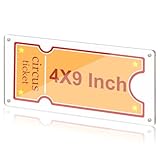
- Note: This ticket stub display does not include a base and needs to be supported by product to be displayed upright.Thanks!
- 1. Double-sided display: This 4×9-inch transparent acrylic ticket stub display adopts a double-sided display design, allowing you to clearly see the details of the ticket. Whether it is a play ticket, a concert ticket or a ball game ticket, ticket stub holder can be fully presented in the double-sided display, as if bringing those unforgettable moments back to your eyes again, allowing you to reminisce those wonderful moments anytime, anywhere.
- 2. Storage without damaging the ticket: The four corners of the ticket stub holder are magnetically attracted, and the opening and closing are achieved by magnetic attraction. This design is not only easy to operate, but also fits tightly when closed, ensuring that the ticket will not be damaged by accidental falling. At the same time, the strong magnetic attraction will not cause any wear and tear on the ticket, perfectly protecting every precious ticket.
- 3. Simple and stylish: Ticket stub organizer is made of transparent acrylic material with good durability. This material not only makes the details of the ticket clear at a glance, but also ensures that the ticket holder maintains a good appearance and performance during long-term use. The transparent design is simple and stylish, suitable for various home or office environments, adding a sense of refinement to your space.
- 4. Rounded corner design: The ticket stub frame adopts rounded corner design to avoid possible injuries to the hands caused by sharp corners. You can operate it with confidence when using or touching the ticket holder. The rounded corner design not only improves the comfort during use, but also makes it easier for you to organize and store your tickets.
Safety and accessibility
Ride safety is attraction-specific
Rides operate under manufacturer instructions, operator procedures, regulatory requirements, inspections, and internal safety systems. Requirements vary by attraction. Height, age, restraint fit, health conditions, pregnancy warnings, loose articles, and rider behavior can all affect eligibility.
Do not describe a ride as safe for everyone or claim that a particular restraint is suitable for a specific medical condition. Read the official attraction warnings and health advisories, and ask park staff when a requirement is unclear. A guest who is uncertain about a medical issue should seek appropriate medical advice rather than relying on a general travel article.
Accessibility is more than step-free entry
Accessibility may include:
- attraction-entry or return-time procedures;
- wheelchair transfer policies and accessible ride vehicles;
- accessible queues and companion rules;
- mobility-device rentals and storage;
- service-animal rules;
- captioning, assistive listening, or sign-language interpretation;
- sensory guides and quiet spaces;
- dietary accommodations; and
- accessible transportation, restrooms, hotels, and seating.
These provisions can differ from one attraction to another. Download or review the current park accessibility guide before arrival, contact the park when necessary, and confirm any registration or documentation procedure. A general statement that a park is accessible cannot answer whether a particular ride, show, queue, or transfer will work for a particular visitor.
Technology is changing the park experience
The modern amusement park increasingly operates as a technology-enabled hospitality platform rather than as a collection of rides alone. The visible attraction remains central, but digital systems coordinate admission, capacity, food, retail, hotel benefits, queue access, navigation, and personalized itineraries.
The strongest current trends include:
- date-based and dynamic pricing;
- integrated digital ticketing and account-based entry;
- mobile ordering and cashless or account-linked payments;
- real-time maps and wait-time information;
- paid queue products and hotel-linked early-entry benefits;
- personalized itinerary and recommendation tools;
- projection, media, and immersive environmental systems; and
- new branded lands built around established intellectual property.
IAAPA’s 2025 Expo reported 38,520 verified attendees, 43,840 registered participants, and buyers from 102 countries. Those figures reflect the scale and international character of the professional attractions market, including the companies that build rides, ticketing systems, themed environments, food-service technology, safety equipment, and guest-experience tools.
Quick wins for a faster PC:
Fix the driver behind crashes, sound loss and screen glitchesFind Drivers →Clear out junk files and repair common Windows errorsFree Scan →The commercial direction is clear even when individual products change: operators are connecting the physical park to a digital account, a resort stay, a retail ecosystem, and a broader entertainment brand. A coaster or dark ride may attract the visitor, while the surrounding system determines how long the visitor stays, what else they buy, and whether they return.
Common planning mistakes
| Mistake | Why it causes problems | Better approach |
|---|---|---|
| Using an old ticket or pass guide | Prices, participating parks, benefits, and ownership arrangements can change | Read the current terms for the exact year, park, and product |
| Assuming every ticket is flexible | Date-based tickets, reservations, capacity limits, and special events may restrict use | Confirm the valid date, park, reservation, expiration, and transfer rules before purchase |
| Buying a queue product without checking eligibility | Attractions, availability, purchase windows, and rules vary | Compare the product with the actual ride priorities and current app inventory |
| Planning only rides | Heat, meals, shows, weather, queues, and fatigue can disrupt an overpacked schedule | Build in breaks, indoor alternatives, meals, and a short priority list |
| Ignoring height or health requirements | Members of the group may be unable to ride or may need another plan | Check each attraction’s warnings before committing time or money |
| Treating accessibility as a single park-wide promise | Procedures can differ by attraction and accommodation | Review the current accessibility guide and confirm specific needs in advance |
| Forgetting non-admission costs | Parking, food, lockers, rentals, hotels, and merchandise can materially change the budget | Price the complete day or vacation, not just the gate ticket |
What to verify immediately before visiting
Ticket prices, park hours, pass benefits, attraction availability, capacity rules, reservation requirements, and queue products are volatile. Recheck the following shortly before departure:
- Official park calendar and operating hours.
- Ticket validity, selected date, park reservation, and expiration.
- Park-hopping, water-park, sports, and special-event conditions.
- Attraction closures, height requirements, health warnings, and loose-article rules.
- Current queue-product names, prices, purchase windows, eligible attractions, and availability.
- Hotel early-entry, transportation, and other qualifying benefits.
- Parking, bag, food, bottle, locker, stroller, wheelchair, and mobility-device policies.
- Weather forecasts and the park’s operating policy for rain, storms, or extreme heat.
- Accessibility procedures, sensory information, captioning, and companion policies.
- Cancellation, refund, transfer, and rescheduling terms.
The official app or ticketing page is usually the best place to check live conditions, while the park’s accessibility and attraction guides provide details that a general ticket page may omit.
Amusement parks as documentary subjects
Behind the bright colors and familiar rides is a complex system worth examining: engineers managing mechanical forces, designers building fictional worlds, operators balancing capacity and safety, employees handling food and retail, and executives managing weather, pricing, seasonality, and intellectual property.
Do these 3 things before closing this tab:
1Scan for outdated or missing drivers - takes under a minute2Repair Windows errors before they cause bigger problems3Fix the driver behind crashes, sound loss and screen glitchesThat complexity explains why a park can be understood in several ways at once. It is a place of leisure for the visitor, a hospitality operation for the owner, a technology platform for the ticketing and data teams, a retail environment for the brand, and a major local economic participant. The ride is the most visible part of the experience, but the business depends on everything surrounding it.
Frequently Asked Questions
Are amusement parks and theme parks the same thing?
They overlap but are not interchangeable. Amusement park is the wider category, covering rides, thrill attractions, family entertainment, games, water parks, and seasonal events. A theme park places greater emphasis on narrative immersion, themed environments, characters, or intellectual property. Many modern parks combine both approaches.
Do paid queue products guarantee a short wait or a specific ride?
No. Paid queue products generally depend on attraction eligibility, availability, valid admission, operating conditions, and the product’s current rules. They may save time but do not guarantee a particular wait, attraction experience, or uninterrupted operation.
Is an annual pass worth buying?
It can be worthwhile for local or repeat visitors, but compare the complete terms rather than the headline price. Consider the number of planned visits, blockout dates, participating parks, parking, discounts, renewal rules, payment schedule, and included or excluded events.
The Tool Desk
Outbyte Driver Updater FREEScan for outdated or missing drivers - takes under a minuteDriver Scan →Outbyte PC Repair FREERepair Windows errors before they cause bigger problemsFix Now →What should visitors check before buying a park ticket?
Check the date and park validity, reservation requirements, expiration, transfer and refund rules, park-hopping or water-park options, capacity limits, operating hours, special-event exclusions, and any separate fees for parking, lockers, rentals, or queue products.
How should visitors with accessibility needs prepare?
Review the park’s current accessibility guide and attraction-specific procedures before visiting. Accessibility may involve return-time systems, accessible queues, transfers, mobility-device rentals, service-animal rules, captioning, sensory information, dietary accommodations, and companion policies. Details can differ by attraction.
The Bottom Line
The modern amusement park is more than a collection of rides. It is a layered business that combines admission, passes, hotels, food, merchandise, technology, intellectual property, events, and demand management. For visitors, the best experience comes from treating the trip as a complete plan: verify the current ticket terms, price the full visit, check attraction and accessibility requirements, prepare for weather and walking, and leave enough flexibility for the park to change around you.
Quick Recap
Product prices and availability are accurate as of the date/time indicated and are subject to change. Any price and availability information displayed on Amazon at the time of purchase will apply.




