Freddy Krueger is frightening because he turns sleep—the place people must go to survive—into a hunting ground. In Wes Craven’s A Nightmare on Elm Street (1984), Robert Englund’s witty, unmistakable killer reaches teenagers through their dreams, making an ordinary need feel unsafe. Calling him the decade’s “most terrifying” villain is a judgment, not a measurable ranking; his dream-bound threat, memorable personality and lasting cultural presence make a persuasive case.
Who is Freddy Krueger?
Freddy Krueger is the killer at the center of A Nightmare on Elm Street, written and directed by Wes Craven. The film opened in the United States on November 9, 1984; the American Film Institute (AFI) lists it as a 91-minute, R-rated horror-thriller. Freddy, played by Robert Englund, attacks teenagers in their dreams with a glove fitted with blades. AFI’s catalog record and Warner Bros.’ film page identify the film and its cast.
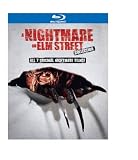
![A Nightmare on Elm Street (2010) [Blu-ray]](https://m.media-amazon.com/images/I/41WWG0Zp-xL._SL160_.jpg)
![Nightmare On Elm Street [4K UHD + Blu-ray] (Ultimate Collector's Edition) (SteelBook - Limited Edition) [Region Free]](https://m.media-amazon.com/images/I/51Jc-flye4L._SL160_.jpg)
Why does Freddy feel so frightening?
There is no safe place to escape him
Many slasher villains threaten people in a particular place or during a particular encounter. Freddy’s fictional method removes that boundary: he comes for his victims while they sleep. The danger is unnerving precisely because sleep is not an optional risk-taking activity. A person can lock a door or leave a house, but cannot avoid sleep indefinitely. In the film, the nightmare’s consequences reach into waking life, blurring the line between a feared dream and physical danger.
His appearance is simple, legible and threatening
The burned face, fedora, striped sweater and bladed glove give Freddy an immediately recognizable silhouette. The glove makes the threat visible before he attacks; the hat and sweater help turn that weapon into part of a distinct character design. In a Library of Congress essay published in January 2022, author Nathan Wardinski calls Freddy’s glove-and-fedora silhouette iconic. Wardinski also credits Englund’s performance and David Miller’s scarification makeup in shaping the character.
Quick wins for a faster PC:
Fix the driver behind crashes, sound loss and screen glitchesFind Drivers →Repair Windows errors before they cause bigger problemsFix Now →#1 Best Overall
He is a personality, not just a pursuer
Freddy’s one-liners and taunting manner make him feel different from a silent, anonymous killer. Wardinski argues that Freddy’s personality and his habit of punctuating kills with jokes separated him from other cinematic killers of the decade. That performance gives the horror a disturbing contrast: his victims face mortal danger while he behaves as though he is enjoying a show. The humor does not make him harmless; it makes his cruelty feel deliberate.
How the film turns a nightmare into a cultural story
Wardinski reads A Nightmare on Elm Street as more than a supernatural slasher. His Library of Congress essay connects the film’s fear of threats to children with 1980s anxieties about suburban safety and adult responsibility. He interprets Freddy as an expression of parental guilt and repressed evil, and Nancy’s resistance as a challenge to adult authority. These are the essay author’s interpretations, not a single settled meaning for every viewer.
Rank #2

- Shrink-wrapped
The film was inducted into the National Film Registry in 2021. That preservation recognition reflects its cultural and historical significance; it is not an official ranking of the scariest films or villains. The nightmare premise helped give the story a flexible engine: dreams can make familiar settings and rules unstable, while Freddy’s distinctive look and voice keep the threat identifiable.
Why Freddy remained recognizable beyond the first film
AFI’s franchise record documents sequels, the television series Freddy’s Nightmares, Wes Craven’s New Nightmare, Freddy vs. Jason and the 2010 remake, along with period merchandise including a talking doll and computer games. These examples show how the character continued across formats and generations, rather than proving that every later installment was equally influential or frightening. AFI’s catalog traces that screen and merchandise history.
Recommended Free Tools
Rank #3
Warner Bros.’ Japanese home-entertainment page currently displays a collector’s set with 4K UHD and Blu-ray discs. The page is specific to that market and edition; formats and digital purchase or rental availability can vary by platform and region. Warner Bros.’ page is the appropriate place to check the listed release details.
Independent reader supportYour contribution helps us test, update, and keep practical guides available for everyone.Is Freddy really the most terrifying villain of the 1980s?
There is no objective score that settles a comparison among horror villains, and the cited records do not establish a definitive decade-wide ranking. “Most terrifying” depends on what a viewer fears most: an unstoppable pursuer, a vivid screen presence, or a threat that invades the mind and the safest routines. Freddy makes a strong case on those terms. His dream premise is unusually intimate, Englund’s performance gives him a sharply defined personality, and the glove-and-fedora image endured well beyond the 1984 film.
Rank #4
![A Nightmare on Elm Street [Blu-ray]](https://m.media-amazon.com/images/I/51Zvu3mjN4L._SL160_.jpg)
- Factory sealed DVD
That combination is why Freddy still feels like more than a memorable monster design. He embodies the fear that closing your eyes cannot protect you—and gives that fear a face, a voice and a blade.
Quick Recap
Best Value
Product prices and availability are accurate as of the date/time indicated and are subject to change. Any price and availability information displayed on Amazon at the time of purchase will apply.




