In November 2015, a federal judge dismissed Billy Mitchell’s right-of-publicity lawsuit against Cartoon Network, Cartoon Network Studios, and Turner Broadcasting System. Mitchell argued that Garrett Bobby Ferguson (GBF), a villain in The Regular Show, appropriated his likeness. The court ruled that the character’s exaggerated, fictional form transformed the similarities enough to receive First Amendment protection.
What Mitchell said the show borrowed
Mitchell filed his complaint on July 21, 2015, alleging that the defendants used his likeness without permission in GBF to help increase sales and profits. Mitchell pointed to the character’s long black hair, black beard, and association with gaming records. The defendants acknowledged that GBF was an obvious parody of Mitchell’s appearance in the documentary The King of Kong: A Fistful of Quarters, but argued that the First Amendment protected the character.

In the episode “High Score,” GBF is a giant floating head from outer space. He claims a universe record in a fictional arcade game called Broken Bonez, begs the protagonists to let him keep it, lies about his backstory, and explodes into goo after losing.
Why the court found the character transformative
Judge Anne E. Thompson applied the transformative-use test: whether a work merely copies or imitates a person’s likeness, or adds new expression, meaning, or message. The court concluded that it could assess the relevant Regular Show episodes and The King of Kong on a motion to dismiss.
#1 Best Overall
The court recognized the resemblance and the shared gaming-record theme, but found GBF was not a literal depiction of Mitchell. Its comparison centered on three differences:
| What the court compared | Mitchell | GBF |
|---|---|---|
| Form | A real person portrayed in a documentary | A nonhuman floating head from outer space |
| Record and game | A real Donkey Kong record | A fictional universe record in Broken Bonez |
| Story and conduct | The documentary portrays Mitchell challenging an opponent’s evidence | GBF pleads, lies about his past, and explodes into goo after losing |
The judge saw those changes and exaggerations as lampoon, parody, or caricature—not a substitute for a conventional depiction of Mitchell. The opinion states: “Because they have added something new, Defendants’ appropriation of Plaintiff’s identity passes the Transformative Use Test, and thus receives the protection of the First Amendment.”
Rank #2
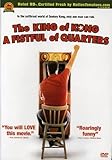
- Factory sealed DVD
What the ruling did—and did not—decide
The court granted the defendants’ motion to dismiss the right-of-publicity claim. It also denied their alternative motion to transfer venue as moot, meaning it did not need to decide that request after dismissing the case.
The decision addressed the claim before the court. Mitchell did not bring false-light or defamation claims in this action, and the ruling was not a finding about whether his real-world scores were legitimate or about any separate dispute concerning them. It was a court decision on a motion to dismiss, not a jury verdict.
Rank #3

- Officially Licensed: This is an officially licensed CAPCOM title, ensuring an authentic gaming experience. Two Titles in One, Includes Super Street Fighter II: The New Challengers & Street Fighter II: Special Champion Edition
- 🕹️ High Resolution: This collectible game features a high-resolution 2.75-inch full-color display, allowing you to immerse yourself in the classic gameplay. Built-in speaker with volume control
- 🎵 Headphone Jack: 3.5mm headphone jack lets you enjoy Super Street Fighter II on the go on your own privately.
- Iconic Fighting Game: Super Street Fighter II The New Challengers is the ultimate fighting game experience with iconic characters. New Content: Featuring four new characters, four new stages, and enhanced gameplay with new moves and combos
- Portable Gameplay: Powered by 4 AA (non-rechargeable) batteries (not included) or by a USB-C cable (not included)
When the decision was issued
- July 21, 2015: Mitchell filed the complaint, according to the opinion.
- November 20, 2015: Date on the district court opinion.
- November 23, 2015: Date of Loeb & Loeb’s case note.
- November 24, 2015: GamesBeat and TheWrap published reports on the dismissal.
The primary source is the Mitchell v. The Cartoon Network, Inc. opinion. Contemporary summaries appeared in Loeb & Loeb’s case note, GamesBeat, and TheWrap.
Quick Recap
Product prices and availability are accurate as of the date/time indicated and are subject to change. Any price and availability information displayed on Amazon at the time of purchase will apply.




