A round is a kind of canon: two or more singers perform the same melody, but begin at regular intervals so the tune overlaps with itself. “Row, Row, Row Your Boat” and “Frère Jacques” are familiar examples.
How a round works
Everyone learns the melody first. One group begins, and the next group enters after a regular delay, often measured in beats or bars. The groups then sing the same tune at the same time, creating several musical layers. Oak National Academy describes rounds as usually involving two to four groups and notes that each added part makes the texture thicker.


The entries follow planned points in the melody, such as its halfway point or a quarter of the way through. In a repeating round, a group that reaches the end returns to the beginning while the other groups continue. So a round is not merely a song in which people start at different times and each sing through once.
A steady pulse helps everyone keep the same tempo and makes the entrances easier to coordinate. Oak National Academy’s Year 3 lesson, “Rounds as a singing structure,” states: “I can follow the structure of a round and know that everybody sings the same melody but at different times.”
#1 Best Overall
Round and canon: what is the difference?
A canon is the broader musical idea: one part begins, and another imitates it after a set interval. A round is a familiar, repeating kind of canon in which the parts sing the same melody. Every round is a canon, but not every canon follows the familiar round pattern.
Examples of rounds
- “Row, Row, Row Your Boat”: Groups can enter successively and repeat the same melody together.
- “Frère Jacques”: Another familiar tune that can be sung as a round.
- “Sumer is i-cumen in”: A historical English example. The music-history reference says it existed no later than the middle of the 13th century; it describes four voices singing the round proper alongside two voices on an accompanying ground.
How to sing a round with a group
- Learn the tune in unison. Have everyone sing the melody together until they can perform it confidently.
- Set a steady pulse. Keep a consistent beat; a drum or claves can help a group feel it.
- Divide into groups. Choose where each group will enter, such as halfway through the melody.
- Signal each entrance. The first group starts, and the leader cues the next group at the chosen interval.
- Keep going through the overlap. Each group follows the same melody and returns to its start if the round is repeating.
Learning materials such as sing-along books can provide more rounds to practise, but no special resource is needed to understand or try the form.
Quick Recap
Rank #4

- Format: Book & 2 CDs
- Category: Textbook - General
- Contributors: By Andrew Surmani, Karen Farnum Surmani, and Morton Manus
- Pub Date: 8/2004
- Series: Essentials of Music Theory
Rank #2
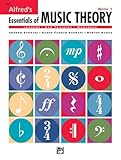
- An all-in-one music theory course designed for students of any age — whether listeners or performers — who want a solid understanding of the language of music
- Covers foundational concepts including staff, notes, pitches, clefs, time signatures, note values, dynamics, flats, sharps, and whole and half steps across 25 concise lessons
- Combines reading and writing exercises with ear-training support (CDs sold separately) and unit reviews to reinforce learning and test knowledge retention
- Compatible with optional computer software featuring randomized drilling and scorekeeping for interactive, self-paced study
- Part of a complete product line including Teacher's Answer Keys, Flash Cards, Double Bingo games, and Reproducible Teacher's Activity Kits for studio and classroom use
Product prices and availability are accurate as of the date/time indicated and are subject to change. Any price and availability information displayed on Amazon at the time of purchase will apply.
Independent reader supportYour contribution helps us test, update, and keep practical guides available for everyone.



