Windows Errors? Fix Them Before They Spread
Repair common Windows errors and clear accumulated junk for a smoother, more stable PC - no reinstall needed.Free scan · no reinstallCrashes, No Sound, or Screen Glitches?
Random freezes, missing sound and display glitches usually trace back to one bad driver. Find and replace yours safely.Free scan · under a minuteIt began as a slick, share-ready piece of political spectacle: an AI-generated video circulating online under the slogan “No Kings,” styled with bombastic visuals and patriotic bravado unmistakably designed to echo blockbuster Americana. What pushed it from viral curiosity to cultural flashpoint was its soundtrack, a familiar surge of ’80s adrenaline tied indelibly to Top Gun. The use of the iconic song, reportedly without permission, immediately pulled Hollywood, music rights, and AI ethics into the same combustible frame.
For the hitmaker behind the Top Gun classic, the issue wasn’t just political association but control, authorship, and intent. The artist made it clear that the song was never licensed for the video and that its deployment in an AI-generated political message crossed a line, both legally and creatively. In an era when legacy hits are treated as cultural shorthand, the objection underscored a growing anxiety among musicians about losing agency over how their work is repurposed.
| # | Preview | Product | Price | |
|---|---|---|---|---|
| 1 |
|
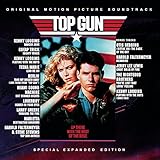
Top Gun - Motion Picture Soundtrack (Special Expanded Edition) | $9.98 | Buy on Amazon |
| 2 |

|
Top Gun: Maverick - Top Gun - 2 CD Album Soundtrack Bundling | $22.99 | Buy on Amazon |
| 3 |

|
Top Gun: Maverick (Music From The Motion Picture) | $14.69 | Buy on Amazon |
| 4 |

|
Top Gun (1986 - Original Soundtrack) | $13.99 | Buy on Amazon |
| 5 |

|
Top Gun (Original Soundtrack) | $59.99 | Buy on Amazon |
The backlash spread quickly, fueled by fans who see Top Gun’s music as sacred pop-cinema history and critics alarmed by how easily AI can weaponize nostalgia. What might once have been a routine licensing dispute now sits at the intersection of politics, emerging technology, and the afterlife of classic film soundtracks. The “No Kings” video didn’t just revive an old song; it exposed how fragile the boundaries around music rights have become in the age of AI-driven media.
The Song at the Center of the Storm: Why the ‘Top Gun’ Anthem Still Carries Cultural Power
Few film songs are as instantly recognizable as the soaring anthem that powered Top Gun into pop-cultural immortality. Released at the height of 1980s blockbuster excess, the track wasn’t just a chart-topping hit; it became inseparable from the film’s image of speed, confidence, and American spectacle. Within seconds of its opening notes, it evokes fighter jets cutting through the sky, aviator sunglasses, and a specific brand of cinematic bravado that Hollywood has spent decades trying to replicate.
Free tools Windows power users keep installed
One-click scans. No signup required.
#1 Best Overall
That enduring association is precisely why its unauthorized appearance in a political AI video struck such a nerve. This isn’t background music; it’s a piece of cultural shorthand that carries emotional and ideological weight whether listeners consciously intend it or not. When deployed without consent, especially in a political context, the song doesn’t simply accompany images, it frames meaning.
A Song Engineered to Feel Like Power
The Top Gun anthem was designed to amplify adrenaline and authority, mirroring the film’s stylized portrayal of elite military skill and Cold War-era confidence. Its pulsing rhythm and triumphant crescendos function almost like a cinematic command, telling audiences how to feel in a given moment. Over time, that musical language has come to signify dominance, victory, and nostalgic patriotism.
This makes the track uniquely potent when attached to modern political messaging. Even stripped from its original film context, the song still signals power and legitimacy, lending borrowed gravitas to whatever visuals it accompanies. That symbolic force is what many artists argue should remain under their control, not repurposed at will by AI-generated media.
From Movie Soundtrack to Cultural Touchstone
Decades after its release, the Top Gun anthem has outlived the era that produced it. Its resurgence through Top Gun: Maverick only reinforced its status as a cross-generational icon, capable of resonating with longtime fans and new audiences alike. The song no longer belongs solely to the 1980s; it exists as a living artifact of blockbuster mythology.
Quick wins for a faster PC:
Fix the driver behind crashes, sound loss and screen glitchesFind Drivers →Repair Windows errors before they cause bigger problemsFix Now →That longevity complicates the modern media landscape. When a song becomes this embedded in collective memory, it’s often treated as communal property rather than protected creative work. The backlash surrounding the “No Kings” video reflects growing resistance to that mindset, particularly when AI tools make it easier than ever to extract and redeploy cultural icons without accountability.
Why the Artist’s Objection Goes Beyond Politics
For the hitmaker behind the Top Gun classic, the controversy is less about partisan alignment and more about authorship and intent. Music written for a specific narrative, tone, and cinematic purpose carries meaning shaped by its original context. Removing that context and inserting the song into a political AI video alters its message, whether explicitly stated or not.
In this sense, the artist’s pushback speaks to a broader concern shared across the music industry. As AI-generated content blurs the line between homage, appropriation, and misuse, iconic songs like the Top Gun anthem become battlegrounds over who gets to decide how cultural memory is activated and for what purpose.
The Hitmaker Speaks Out: Artist’s Objections, Statements, and Personal Stakes
When the “No Kings” AI video began circulating online, it didn’t take long for the composer behind Top Gun’s iconic musical identity to respond. Harold Faltermeyer, whose synth-driven score and anthemic themes helped define the original film’s sound, publicly condemned the use of his work without permission. His objection was clear: the music was never licensed, authorized, or intended to accompany political messaging of any kind.
Faltermeyer’s response framed the issue as one of creative consent rather than ideological disagreement. He emphasized that the Top Gun music was written to serve a specific cinematic story, rooted in character, tension, and spectacle, not to endorse real-world figures or movements. By attaching the song to AI-generated political imagery, he argued, the video fundamentally misrepresents the intent behind the composition.
Authorship, Consent, and Creative Control
At the center of Faltermeyer’s criticism is a long-standing principle in music licensing: creators retain the right to control how their work is used, especially in political contexts. U.S. copyright law and industry norms treat political usage as particularly sensitive, often requiring explicit approval even when other licensing categories might be more flexible. From the composer’s perspective, the “No Kings” video bypassed those safeguards entirely.
Faltermeyer also highlighted how AI complicates enforcement. Because the video was algorithmically generated and rapidly shared across platforms, accountability became diffuse. That diffusion, he warned, makes it easier for creators’ work to be stripped of context and repurposed before objections can even be heard.
Why This One Hit Hits Personally
The Top Gun score isn’t just another catalog entry for Faltermeyer; it’s a defining achievement of his career. Its soaring themes helped shape the sonic language of blockbuster cinema in the 1980s and remain closely tied to the film’s legacy. Seeing that music redeployed in a way he neither approved nor supports carries personal weight, not just professional frustration.
Do these 3 things before closing this tab:
1Scan for outdated or missing drivers - takes under a minute2Clear out junk files and repair common Windows errors3Fix the driver behind crashes, sound loss and screen glitchesRank #2
- Greates Hits
- Best Of
- New Album
- Soundtrack
There’s also the question of public perception. When iconic music appears in a political video, many viewers assume endorsement by association. Faltermeyer has been careful to reject that implication, stressing that silence can easily be mistaken for consent in the viral media age.
A Stand That Resonates Beyond One Composer
While Faltermeyer’s objections are rooted in his own experience, they echo a broader anxiety across the music and film industries. Artists increasingly worry that AI-generated content erodes practical control over how their work circulates, especially when legacy songs carry deep cultural authority. The backlash over the “No Kings” video has become a flashpoint for that fear.
In speaking out, Faltermeyer isn’t just defending a single composition. He’s asserting that even the most familiar, mythologized pieces of pop culture remain authored works, with meanings shaped by the people who created them. In an era where technology can remix history in seconds, that distinction has never felt more urgent.
Unauthorized Use Explained: Music Licensing, Political Messaging, and Where This Video Crossed the Line
At the center of the controversy is a misunderstanding many viewers have about how music licensing actually works. Iconic songs don’t become public property simply because they’re famous, widely streamed, or decades old. Every use is governed by specific rights, and political messaging is one of the most tightly controlled categories in the entire licensing ecosystem.
What’s actually slowing this PC down?
Pick the symptom - the matching free tool is one click away.
Why Political Use Is a Licensing Red Line
In music licensing, political content is treated as high-risk and high-sensitivity. Rights holders routinely require explicit, written approval for any use that could imply endorsement of a political figure, ideology, or movement. That safeguard exists precisely because music carries emotional authority, and its presence can legitimize a message far beyond spoken words.
Faltermeyer’s objection hinges on that principle. The “No Kings” video did not simply reuse a recognizable score; it embedded his work inside a partisan narrative without permission. From a licensing standpoint, that crosses from unauthorized use into reputational harm, a distinction courts and industry bodies take seriously.
The Difference Between Fair Use and Misappropriation
Some defenders of the video have invoked fair use, but that argument collapses under scrutiny. Fair use typically applies to commentary, parody, or critique, not to promotional or ideological messaging that leverages music for emotional reinforcement. Using a Top Gun theme to elevate a political statement isn’t transformative; it’s associative.
The music wasn’t analyzed, mocked, or meaningfully altered. It was used as intended: to inspire, energize, and signal heroism. That’s exactly why rights holders draw firm boundaries around where and how such music can appear.
The Tool Desk
Outbyte PC Repair FREEClear out junk files and repair common Windows errorsFree Scan →Outbyte Driver Updater FREEFix the driver behind crashes, sound loss and screen glitchesFind Drivers →AI Generation Doesn’t Bypass Consent
The AI element adds a modern wrinkle, but it doesn’t change the fundamentals. Whether a human editor or an algorithm assembled the video, the underlying rights remain intact. AI tools don’t grant immunity from licensing law, even if they blur authorship and speed up distribution.
What concerns industry veterans is how AI accelerates infringement before objections can be raised. A video can go viral in hours, embedding an unauthorized use into the public consciousness long before takedown requests or legal remedies catch up. For legacy composers, that lag represents a real loss of control.
When Cultural Legacy Becomes Political Currency
Top Gun’s music carries decades of cinematic meaning: patriotism, bravado, and American spectacle. Dropping that score into a political AI video isn’t a neutral choice; it weaponizes cultural memory. Viewers don’t just hear a melody, they recall an entire mythos built by filmmakers and composers.
That’s where this video crossed its final line. It treated a carefully authored piece of film history as raw material for political messaging, without regard for the creator’s intent or consent. For Faltermeyer and many of his peers, the backlash isn’t about politics alone, but about preserving the boundary between artistic legacy and ideological appropriation in an age where technology makes crossing it effortless.
Recommended Free Tools
Rank #3
- Music from the motion picture Top Gun: Maverick features the singles "I Ain't Worried" by OneRepublic and the Oscar-nominated "Hold My Hand" by Lady Gaga
AI Meets Campaign Aesthetics: How Generative Media Is Rewriting Political Propaganda
Political messaging has always borrowed from cinema, but generative AI has collapsed the distance between campaign ads and blockbuster spectacle. With a few prompts and presets, creators can now conjure imagery that feels studio-polished, emotionally calibrated, and instantly legible to mass audiences. The result is propaganda that looks less like a stump speech and more like a movie trailer.
What makes this shift disruptive isn’t just speed, but fluency. AI systems are trained on decades of visual language, allowing them to reproduce the grammar of hero shots, slow-motion triumphs, and ominous antagonists with uncanny precision. When paired with a recognizable film score, the effect is immediate and persuasive, bypassing rational scrutiny in favor of cinematic instinct.
From Rally Footage to Algorithmic Spectacle
Traditional campaign aesthetics relied on controlled shoots, licensed footage, and clear authorship. Generative media muddies those waters by synthesizing imagery that feels authoritative without revealing its origins. Viewers may not know who made the video, what’s real, or what’s fabricated, only that it feels familiar and emotionally coherent.
That familiarity is the point. By echoing the look and sound of beloved films like Top Gun, AI-generated political videos tap into preexisting trust and nostalgia. The messaging doesn’t need to argue its case; it inherits credibility from the cultural artifacts it mimics.
Why Music Becomes the Emotional Multiplier
Music is the accelerant in this equation. An iconic score doesn’t just accompany images, it frames meaning, telling audiences how to feel before they’ve processed what they’re seeing. In political AI videos, that power becomes especially potent because the visuals are often abstract or symbolic rather than evidentiary.
For composers like Harold Faltermeyer, this is where the objection sharpens. His music was written to serve a specific narrative and character arc, not to function as a generic shorthand for heroism in an ideological montage. When AI repurposes that score without consent, it strips the music of context while exploiting its emotional authority.
The New Gray Zone Between Art, Technology, and Influence
Campaigns and their supporters argue that AI is merely a tool, no different from editing software or stock footage libraries. But generative media doesn’t just assemble assets; it synthesizes meaning by remixing cultural memory. That makes unauthorized use harder to detect and easier to rationalize, especially in fast-moving political ecosystems.
The backlash surrounding the Top Gun song underscores a growing tension. As AI lowers the barrier to cinematic persuasion, artists are increasingly forced to defend not just their rights, but the integrity of their work. In this new landscape, the line between homage, exploitation, and propaganda isn’t just blurred; it’s being actively rewritten by algorithms that don’t understand consent, legacy, or authorship.
Hollywood vs. Politics: A Long History of Artists Rejecting Political Co-Opting
The uproar surrounding the unauthorized use of a Top Gun anthem may feel uniquely modern, fueled by AI and social media virality, but the underlying conflict is decades old. Hollywood artists have long pushed back against political movements attempting to borrow cultural credibility from popular films, songs, and stars. The tools have evolved, yet the resistance remains rooted in the same principle: creative work is not ideological property.
At its core, this clash is about consent and context. Artists create for specific stories, characters, and emotional journeys, not as open-source symbols for political messaging. When that line is crossed, backlash is almost inevitable.
From Reagan to Rock Anthems: Early Flashpoints
One of the earliest modern examples came in the 1980s, when Bruce Springsteen objected to Ronald Reagan’s campaign invoking Born in the U.S.A. as a patriotic rallying cry. Springsteen argued that the song’s critical tone had been misunderstood, its meaning flattened into a slogan that contradicted the intent of the work.
Similar disputes followed across party lines. John Mellencamp, Tom Petty, and Neil Young repeatedly demanded that politicians stop using their music at rallies, often issuing public cease-and-desist statements. The message was consistent: popularity does not equal permission.
Rank #4
- New Store Stock
Film Soundtracks as Political Shortcuts
Film music has proven especially tempting for political appropriation because it carries instant emotional clarity. A few notes from a recognizable score can suggest heroism, resolve, or national pride without a single word being spoken. That efficiency makes iconic soundtracks powerful tools, but also dangerous ones when stripped of narrative grounding.
Top Gun occupies a unique place in that history. While the film has frequently been cited in political and military rhetoric, its music was never intended as a blanket endorsement of real-world ideology. For composers like Harold Faltermeyer, seeing that sound repurposed outside its cinematic framework represents a distortion of authorship, not flattery.
The Artist’s Objection Is About Meaning, Not Just Rights
While licensing law often dominates public discussion, many artists emphasize that their objections go beyond legal technicalities. Unauthorized political use alters how a work is perceived, reassigning meaning in ways the creator cannot control. Over time, that association can redefine a song’s cultural legacy.
This is why AI-generated political videos intensify the concern. When a familiar score is paired with synthetic imagery and ambiguous authorship, the audience may assume endorsement where none exists. For legacy artists, that perceived alignment can undermine decades of carefully built identity.
AI Escalates an Old Conflict Into a New Arena
What differentiates today’s backlash from earlier disputes is scale and speed. AI allows political content to be produced, distributed, and emotionally optimized faster than traditional campaigns ever could. By the time an artist responds, the imagery may already be embedded in the public consciousness.
The Top Gun controversy fits squarely into this lineage. It’s not an isolated complaint, but the latest chapter in Hollywood’s long resistance to having its cultural currency weaponized. As technology blurs authorship and intent, artists are once again drawing a firm boundary, insisting that their work remains tethered to the stories they chose to tell, not the narratives others want to impose.
Independent reader supportYour contribution helps us test, update, and keep practical guides available for everyone.What This Means for AI, Copyright, and Classic Film Soundtracks Going Forward
The fallout from the “No Kings” AI video underscores how quickly emerging technology is outpacing the guardrails of existing copyright law. While unauthorized political use of music is nothing new, AI removes friction from the process, making it easier to pair emotionally loaded imagery with instantly recognizable soundtracks. That combination raises the stakes for artists whose work is deeply embedded in the cultural memory.
For classic film composers, the concern is not hypothetical. Their music is often treated as public shorthand for patriotism, triumph, or nostalgia, even when the original context was far more specific. AI accelerates that flattening of meaning, turning carefully authored scores into interchangeable emotional cues.
Do these 3 things before closing this tab:
1Repair Windows errors before they cause bigger problems2Scan for outdated or missing drivers - takes under a minute3Clear out junk files and repair common Windows errorsLicensing Law Is Struggling to Keep Up With Synthetic Media
Current copyright frameworks were built around identifiable acts of reproduction and distribution. AI-generated videos muddy those waters by blending licensed recordings, algorithmic recreation, and derivative sound-alikes into a gray zone that courts are still grappling with. Even when a track is clearly recognizable, questions of liability can become diffuse, especially when content spreads virally across platforms.
This uncertainty often leaves artists playing defense after the fact. By the time a takedown request or public objection gains traction, the association may already be cemented. For legacy soundtracks like Top Gun’s, that lag can be particularly damaging, given how tightly the music is bound to a specific cinematic identity.
Political Messaging Poses a Unique Risk to Musical Legacy
Unlike commercial misuse, political appropriation carries long-term reputational consequences. Once a song becomes associated with a particular ideology or figure, disentangling it from that narrative is difficult, regardless of the artist’s intent. For composers whose work predates the current political moment, that retroactive framing can feel especially invasive.
This is where AI-generated content sharpens the threat. Synthetic visuals can imply endorsement without explicit statements, leveraging the emotional authority of the music to legitimize the message. The result is a kind of forced collaboration, one that artists never agreed to and cannot easily undo.
Recommended Free Tools
Best Value
Why Classic Film Scores Are Especially Vulnerable
Iconic film soundtracks occupy a unique cultural position. They are widely recognizable, emotionally potent, and often divorced from their original narrative in the public imagination. That makes them attractive tools for anyone seeking instant resonance, whether in advertising, social media, or political propaganda.
The Top Gun score exemplifies this vulnerability. Its association with aerial spectacle and American bravado is undeniable, but those elements were crafted in service of a specific story, not as a universal political anthem. When AI strips away that context, what remains is a powerful but untethered symbol.
A Turning Point for Artists, Platforms, and Audiences
Controversies like this are likely to push artists and rights holders toward more aggressive protections, both legally and technologically. We may see increased pressure on platforms to proactively flag or restrict AI-generated content that uses recognizable music without authorization. At the same time, clearer industry standards around consent and attribution are becoming increasingly necessary.
For audiences, the moment invites a more critical eye. As AI-generated media becomes more convincing, the assumption that familiar music signals genuine endorsement grows more dangerous. The backlash from Top Gun’s hitmaker is less about relitigating the past and more about drawing a line for the future, one where classic film soundtracks remain anchored to the stories that gave them meaning in the first place.
Free tools Windows power users keep installed
One-click scans. No signup required.
Legacy on the Line: Why ‘Top Gun’s Music Remains a Cultural Battleground in 2026
More than three decades after Top Gun first burned its way into pop culture, its music still carries an outsized emotional charge. Those synth stabs and soaring melodies don’t just recall a movie; they summon an entire era of American cinema, confidence, and spectacle. In 2026, that emotional power has become precisely the problem.
When an iconic track is repurposed through AI for a political message, the stakes extend far beyond copyright minutiae. For the artist behind the music, it’s a question of authorship and intent. For audiences, it’s about whether cultural memory itself is being quietly rewritten.
Why Top Gun’s Soundtrack Still Commands the Room
Few film soundtracks have achieved the shorthand recognition of Top Gun’s music. Within seconds, listeners know exactly what world they’re being pulled into: speed, ambition, and a stylized vision of American heroism. That instant recognition is what keeps the music relevant decades later, but it’s also what makes it so easy to exploit.
In the streaming and AI era, music is no longer tethered to its original images. A song once inseparable from fighter jets and a fictional naval academy can now be dropped into any visual narrative, lending it inherited authority. That transfer of meaning happens faster than most viewers can consciously question it.
The Artist’s Objection Isn’t Political, It’s Foundational
The hitmaker’s backlash to the “No Kings” AI video isn’t rooted in partisanship so much as principle. The core objection is consent: the idea that a piece of music painstakingly crafted for a film has been algorithmically repurposed to suggest alignment with a real-world political ideology. AI removes the friction that once protected artists from that kind of appropriation.
From the creator’s perspective, this isn’t homage or fair use. It’s an erosion of authorship, where technology can simulate collaboration without permission. In that context, silence reads as acceptance, and speaking out becomes the only way to reclaim the work’s original meaning.
AI, Politics, and the Fragility of Cultural Memory
What makes this moment especially volatile is how convincingly AI can blur reality. A synthetic video paired with a familiar song can feel official, even authoritative, regardless of its origins. For legacy music tied to blockbuster films, that illusion is dangerously effective.
Top Gun’s soundtrack was never meant to function as a political signal, yet its cultural weight makes it tempting to use as one. As AI-generated media proliferates, the risk isn’t just misuse, but normalization. Over time, repeated recontextualization can subtly reshape how a piece of music is understood.
A Defining Moment for Legacy Art in the AI Age
In 2026, the battle over Top Gun’s music feels like a proxy war for a much larger reckoning. Artists, platforms, and lawmakers are all struggling to define where creative ownership ends and algorithmic reinterpretation begins. Classic film soundtracks sit at the center of that debate because they are both deeply personal works and shared cultural artifacts.
The hitmaker’s decision to speak out draws a clear line. These songs may belong to the public imagination, but their meaning is not infinitely malleable. If Top Gun’s music is still worth fighting over, it’s because its legacy still matters, and preserving that legacy may be one of the first real tests of how culture survives the AI era intact.

