The Stanley Hotel’s appeal is part historic property, part mountain setting and part literary landmark. Staying overnight lets you experience the main hotel’s historic rooms and atmosphere after day visitors leave, but it is not the only way to encounter its story: tours and other attractions are open to non-guests. The right choice depends on whether you want historic character, contemporary amenities or more private space.
How the Stanley Hotel became a landmark
The Stanley Hotel’s account of its history begins with Estes Park, which it says was first known to the Ute and Arapaho nations, before Anglo-Irish nobility arrived in the area. F.O. Stanley made Estes Park his home in the early 1900s, and the hotel connects his legacy with mountain air, wellness, innovation and hospitality. That is the hotel’s framing of its place in the area’s history, rather than a comprehensive or independently verified account of the region’s Indigenous history or the hotel’s development. The Stanley Hotel’s history page offers its own overview.

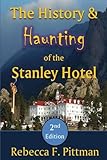


The hotel says the main property opened in 1909. Its current accommodation page also describes The Lodge as a replica built at one-third scale in 1910. These are dates published by the hotel, not independently verified archival findings. The accommodations page also describes 13 “spirited rooms”; that is the hotel’s characterization, not evidence that paranormal activity occurs.
What the hotel has to do with The Shining
The Stanley’s best-known cultural connection is to Stephen King’s novel The Shining. The hotel says a nightmare inspired King’s book. Its Shining Tour distinguishes that novel, published in 1977, from Stanley Kubrick’s 1980 film and the 1997 miniseries. The hotel’s connection is chiefly to the novel’s inspiration: Kubrick did not film his movie at the Stanley.
The Tool Desk
Outbyte Driver Updater FREEFix the driver behind crashes, sound loss and screen glitchesFind Drivers →Outbyte PC Repair FREEClear out junk files and repair common Windows errorsFree Scan →#1 Best Overall
That distinction matters if you are visiting for the screen history. The tour puts the three works in conversation rather than treating them as one production, and a stay at the hotel should not be mistaken for a visit to the set of Kubrick’s film. The official tours page describes the tour offerings.
Which Stanley property should you book?
The estate offers four different accommodation options. The main hotel is the clearest fit for travelers seeking the historic setting; the alternatives trade some of that immersion for modern facilities, a smaller-scale historic style or greater privacy. Room-level features and availability vary, so check the details for your dates before booking.
| Property | Historic atmosphere | Modern amenities | Privacy and space | Connection to the main hotel |
|---|---|---|---|---|
| The Stanley Hotel | The historic main property, which the hotel says opened in 1909; its preferred choice for an authentic experience of the hotel’s history. | The hotel cautions that historic rooms may not include every modern amenity. Check the individual room description. | Room-specific; not stated as a general advantage. | On the main property, closest to the historic rooms and the hotel’s central story. |
| Aspire Hotel & Spa | A modern property beside the main hotel. | The hotel advertises wellness facilities and contemporary amenities. | Room-specific; not stated as a general advantage. | Beside the main hotel, with the estate’s stories and tours nearby. |
| The Lodge | A smaller historic-style property; the hotel describes it as a one-third-scale replica built in 1910. | Room-level amenities are not stated as a general feature on the cited property description. | A smaller property, but a general privacy or space advantage is not stated. | Part of the estate; check tour details for access to specific areas. |
| The Residences | Private homes rather than historic hotel rooms. | Full kitchens. | More space and privacy; presented for groups and guests who want room to themselves. | On the estate, though the residences are a different experience from staying in the main hotel. |
For a stay centered on the building’s historic character, choose the main hotel and accept that some rooms may lack modern conveniences. Aspire is the more natural fit if contemporary amenities and wellness facilities matter more. The Residences suit groups or travelers who value a kitchen and extra space. The Lodge offers a smaller, historic-style alternative. These distinctions come from the hotel’s descriptions; they are not guarantees about every room or stay.
What an overnight stay adds—and what a day visit can cover
The case for spending the night is immersion: you can stay in the historic main property and make its setting part of the experience, rather than seeing the hotel only as a tour stop. The hotel’s mountain surroundings and tours add context, but an overnight booking does not guarantee paranormal activity, access to restricted areas or a particular room.
A day visit can still include dining, tours, concerts, events, shopping and select attractions. The hotel recommends reserving tours in advance. Its Lodge FAQ says Room 217’s exterior may be viewed during select tours, but access is not guaranteed; visitors should not assume they can enter that room or other guest areas. The Lodge FAQ answers the question, “Can non-hotel guests visit the property?”
How to choose a tour
Historic Day Tour
The Stanley describes this as a 60-minute walking tour covering the hotel’s story from its 1909 inception to the present. In its own promotional wording, the hotel invites visitors to: “Take a walk through the history of The Stanley Hotel, from its inception in 1909 to the present day.”
Shining Tour
This is the choice for visitors interested in how the hotel relates to King’s novel and how the book differs from the later screen adaptations. Keep the distinctions clear: the novel is from 1977, Kubrick’s film from 1980 and the miniseries from 1997.
Ghost Tour
The hotel lists a 60-minute nighttime walking tour about what it calls documented hauntings and folklore. Its tour page says the route does not enter guest rooms or guest floors. Treat the paranormal material as the subject of the tour, not as proof of ghosts. The hotel lists a $35 ticket price, a minimum age of 8 and wheelchair accessibility, but those logistics and prices can change; confirm current details on the Ghost Tour page before planning.
Free tools Windows power users keep installed
One-click scans. No signup required.
Best Value
Practical checks before you go
- Compare the room’s specific amenities with your needs, especially if booking in the historic main hotel.
- Reserve a tour ahead of time and verify its current schedule, price, age requirements and accessibility information.
- If a particular room or area is central to your visit, confirm whether the tour includes it; access to Room 217’s exterior is limited to select tours and is not guaranteed.
- Check the hotel’s current visitor information for construction activity, temporary fencing or alternate routes, which the hotel says may occur as the property evolves.
Frequently Asked Questions
Can non-hotel guests visit the property?
Yes. The hotel says non-guests can visit for dining, tours, concerts, events, shopping and select attractions. Tour reservations are recommended, and access to specific areas is not guaranteed.
Is the Stanley Hotel worth staying at?
An overnight stay is most compelling if you want to experience the historic main hotel from the inside and make the property’s atmosphere part of your trip. If you mainly want the history or literary connection, a tour may be enough.
Which Stanley Hotel room should I book?
Choose based on the room’s listed features and your priorities: the historic main hotel for atmosphere, Aspire for contemporary amenities, The Lodge for a smaller historic-style setting, or The Residences for a kitchen, space and privacy. Check room-level details for your dates.




