Jerry Seinfeld has spent a career turning the smallest American rituals into comedic gospel, so it tracks that Unfrosted exists because of a breakfast pastry. Specifically, the Pop-Tart. What started as one of Seinfeld’s long-running bits of curiosity became a full-blown cinematic obsession: who invented it, why it mattered, and how something so trivial managed to define an era of American convenience and optimism.
According to multiple cast members, Seinfeld pitched the movie less like a traditional studio comedy and more like a cultural investigation disguised as nonsense. “Jerry kept saying, ‘This is about ambition,’” one actor laughed during press, “and then immediately pivot to arguing about strawberry versus brown sugar cinnamon.” That tonal tightrope, reverent and ridiculous in equal measure, became the DNA of Unfrosted from day one.
The result is a film that treats Pop-Tarts the way other movies treat moon landings or corporate takeovers. It’s heightened, absurd, and deeply sincere about the strange comfort of postwar American branding. Seinfeld’s fixation isn’t ironic; it’s anthropological, a love letter to the era when processed food promised a better future in a shiny foil pouch.
A Childhood Memory Turned Studio Comedy
On set, that nostalgia was contagious. Cast members describe Seinfeld as both ringleader and archivist, constantly pulling from his own childhood memories of cereal aisles, TV dinners, and the thrill of new products. Between takes, debates would break out over which Pop-Tart flavor was the most “historically correct,” with Seinfeld presiding like a judge who already knew the answer but wanted the argument anyway.
What’s actually slowing this PC down?
Pick the symptom - the matching free tool is one click away.
#1 Best Overall

- Three classic Pop-Tarts flavors in one box; Frosted Strawberry, Frosted Blueberry, and Frosted Cherry; Perfect for breakfast time, lunchbox treats, and after-school snacking
- A flavor for every kid in the lunchbox; Pop them in the toaster for breakfast time or pair with ice cream for an easy dessert
- Good source of three B vitamins; Contains wheat and soy ingredients
- Stock your pantry when it's time to enjoy shelf stable snack alternatives; Perfect adult snack time option to go
- Includes 1, 20.3oz box containing 12 toaster pastries; 6 pouches total, 2 pastries per pouch; Packaged for freshness and great taste
That playful seriousness shaped the culture of the production. Unfrosted wasn’t about mocking the past; it was about honoring how seriously America once took its snacks. And in Seinfeld’s hands, that reverence becomes the joke, and the reason the movie exists at all.
Inside Jerry Seinfeld’s First Time Directing a Movie: What the Cast Learned From His Set
For someone who’s directed the cultural conversation for decades, Jerry Seinfeld stepping behind the camera for the first time came with surprisingly little ego. Cast members say Unfrosted never felt like a debut fueled by nerves or overcompensation. Instead, it felt like being invited into Seinfeld’s brain, where curiosity, precision, and absurdity coexist peacefully.
Multiple actors described the experience as “low-pressure but high-standards,” a combination that sounds contradictory until you see it in action. Seinfeld wasn’t interested in big director theatrics. He was interested in timing, rhythm, and whether a joke landed exactly where it should, no more, no less.
A Set Run Like a Comedy Workshop
Rather than barking orders, Seinfeld treated the set like an ongoing writers’ room. Actors were encouraged to pitch alt lines, question jokes, and openly debate what was funniest, or most honest to the era. One performer joked that it felt less like a movie set and more like a very expensive table read that happened to have cameras rolling.
Recommended Free Tools
That openness didn’t mean chaos. Seinfeld always knew what the scene was about, even if the route there was flexible. “He’d let us play,” one cast member said, “but if something drifted away from the idea, he’d gently pull it back with one sentence that made everything click.”
Precision Over Perfection
What surprised many actors was how specific Seinfeld was without being precious. He wasn’t chasing perfection; he was chasing clarity. If a joke didn’t land, he didn’t overanalyze it. He’d simply say, “That’s not it,” and move on until it was.
Several cast members noted that Seinfeld’s years as a stand-up shaped his directing instincts. He understands jokes as living things, dependent on cadence and audience reaction. On Unfrosted, that meant scenes were often adjusted based on feel rather than rigid adherence to the script.
The Pop-Tart Debates Were Real
And yes, the Pop-Tart conversations weren’t just for the camera. Between takes, the cast found themselves deep in arguments over flavors, frosting ratios, and which version best represented the soul of America. Seinfeld, unsurprisingly, had strong opinions, though he often played referee more than dictator.
Quick wins for a faster PC:
Fix the driver behind crashes, sound loss and screen glitchesFind Drivers →Clear out junk files and repair common Windows errorsFree Scan →One actor recalled a 15-minute detour about whether unfrosted Pop-Tarts were a marketing misstep or a noble attempt at restraint. Seinfeld listened, smiled, and finally said, “This is why the movie exists.” The line reportedly made it into someone’s phone notes immediately.
A First-Time Director Who Knew Exactly What He Wanted
Despite it being his first time directing a feature, Seinfeld never felt tentative. The cast sensed that he’d been preparing for this his entire career, just without calling it that. Years of observing sitcom directors, crafting stand-up hours, and dissecting comedy had quietly built the muscle.
What the actors took away wasn’t just how to make a joke funnier, but how to respect the audience’s intelligence. On Seinfeld’s set, comedy wasn’t about winking at the viewer. It was about committing fully to something small, specific, and oddly meaningful, like a pastry that changed breakfast forever.
A Comedy Writer’s Playground: How the Script Encouraged Improvisation and Absurdity
If Seinfeld’s direction provided the guardrails, the Unfrosted script was the open highway. Written less like a rigid blueprint and more like a comedic ecosystem, it gave the cast permission to play, riff, and occasionally wander into beautifully strange territory. The result, according to several actors, felt closer to a writers’ room than a traditional film set.
Rather than locking jokes into stone, scenes were designed with intentional breathing room. The dialogue hit the premise hard, then left space for instinct, timing, and whatever oddball thought might surface in the moment. That looseness became contagious.
Built-In Jokes, Optional Detours
Actors described the script as “dense but flexible,” packed with jokes that worked on the page while inviting alternatives. If someone found a funnier button or an unexpected turn, Seinfeld encouraged them to try it, as long as it served the core idea. One cast member likened it to jazz: you follow the melody, but you’re allowed to solo.
Rank #2
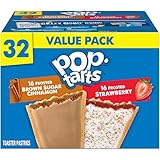
- Soft toaster pastries with the flavors of brown sugar cinnamon or frosted strawberry; Both varieties topped with delicious frosting
- These soft toaster pastries with frosting on the outside and gooey filling on the inside are a convenient family favorite
- Good source of three B vitamins; Contains wheat and soy ingredients
- A travel-ready food perfect for breakfast, after-school snacks, and on-the-go moments; Enjoy from the pack or warm from the toaster or microwave
- Includes one, 54.1oz box containing two, 27oz boxes of Pop-Tarts; 32 toaster pastries, 16 pouches total, two pastries per pouch
Melissa McCarthy, known for her controlled chaos, reportedly thrived in that environment. The script gave her strong comedic anchors, then trusted her to decorate around them. When something went off the rails, Seinfeld wasn’t alarmed. He was curious.
Absurdity Treated Seriously
What made the improvisation work was how seriously everyone treated the absurdity. The film never plays the Pop-Tart premise as a gag; it treats it like a historical epic that just happens to involve breakfast pastries. That commitment gave even the wildest lines a strange credibility.
Do these 3 things before closing this tab:
1Scan for outdated or missing drivers - takes under a minute2Repair Windows errors before they cause bigger problems3Fix the driver behind crashes, sound loss and screen glitchesHugh Grant, playing against type, leaned into that contrast. His delivery stayed buttoned-up and sincere, which only made the surrounding madness funnier. Several actors noted that Seinfeld would often remind them not to “sell” the joke, but to protect the reality of the moment, no matter how silly it sounded out loud.
When Riffs Became Canon
Some of the film’s most quoted moments weren’t in early drafts. They emerged from casual asides that made the room laugh and refused to be forgotten. A throwaway line about toaster etiquette. A blink-and-you-miss-it stare during a corporate showdown. Once Seinfeld heard the rhythm click, he’d quietly ask the script supervisor to lock it in.
The Pop-Tart debates, of course, were a goldmine. Arguments over frosting thickness and flavor hierarchy occasionally bled into scenes, blurring the line between character and actor. One performer joked that by the end of the shoot, they weren’t sure if they were defending a bit or a personal belief.
A Writers’ Room Disguised as a Movie Set
Between takes, conversations about joke mechanics were as common as notes about blocking. Seinfeld welcomed questions about why something was funny, or why it wasn’t yet. For a cast stacked with comics and comedy-savvy actors, it felt like a rare opportunity to talk shop at a high level.
The Tool Desk
Outbyte Driver Updater FREEFix the driver behind crashes, sound loss and screen glitchesFind Drivers →Outbyte PC Repair FREERepair Windows errors before they cause bigger problemsFix Now →The prevailing feeling was freedom with purpose. You could pitch an idea, try it once, and let it go without ego if it didn’t work. In that space, Unfrosted became less about chasing laughs and more about uncovering them, one absurd, lovingly overthought Pop-Tart at a time.
Cast Confessions: The Funniest, Weirdest, and Most Seinfeld Moments on Set
If the Unfrosted set felt like a writers’ room, this was the part where everyone finally admitted how strange and specific that room could get. Cast members described days where the actual filming felt secondary to the philosophical debates happening between takes. Jerry Seinfeld, they said, had a way of turning even downtime into material without ever announcing that’s what he was doing.
Jerry Seinfeld, Human Metronome
Several actors noted that Seinfeld’s comedic instincts were almost unnervingly precise. He could sense when a scene was drifting a half-beat too long or when a pause needed to breathe, often adjusting things with a simple, “Let’s try it cleaner.” No speeches, no over-directing—just small calibrations that snapped the moment into focus.
One performer likened working with him to acting opposite a living laugh track, except the feedback came before the joke landed. If Seinfeld tilted his head or repeated a line under his breath, everyone knew something had potential. When he stayed silent, that was its own note.
Free tools Windows power users keep installed
One-click scans. No signup required.
The Pop-Tart Debate That Would Not Die
The question of the perfect Pop-Tart became an ongoing obsession, and not just on camera. Frosted versus unfrosted turned into a genuine fault line, with brown sugar cinnamon emerging as the most fiercely defended flavor. What started as playful banter eventually turned into research, taste tests, and heated lunchtime arguments.
Actors joked that these debates helped them understand the film’s worldview. Unfrosted isn’t really about pastries so much as how seriously people take the smallest cultural details. Seinfeld encouraged that intensity, insisting that the movie only worked if everyone believed these choices mattered deeply.
Deadpan Above All Else
The most “Seinfeld” moments on set weren’t big jokes but disciplined restraint. Actors were frequently reminded to pull back rather than push, especially when a line felt absurd on the page. The humor, Seinfeld emphasized, lived in the confidence of saying something ridiculous as if it were obvious truth.
That philosophy extended to physical comedy as well. Big reactions were quietly discouraged, while minimal gestures—a look, a pause, a refusal to react—were celebrated. Several cast members admitted it took a few days to unlearn instincts built from broader comedies.
PC Slower Than It Used to Be?
A free scan shows the junk files, broken settings and background clutter dragging Windows down - then fixes them in one click.Free scan · Windows 10 & 11Crashes, No Sound, or Screen Glitches?
Random freezes, missing sound and display glitches usually trace back to one bad driver. Find and replace yours safely.Free scan · under a minuteRank #3

- Frosted Strawberry pastries; A classic Pop-Tarts flavor perfect for breakfast time, lunchbox treats, and after-school snacking
- Enough lunchbox treats to last the school semester; Pop them in the toaster at breakfast time or pair with ice cream for an easy dessert
- Good source of three B vitamins; Contains wheat and soy ingredients
- Stock your pantry when it's time to enjoy shelf stable snack alternatives; Perfect adult snack time option to go
- Includes 2, 27oz boxes containing 32 toaster pastries; 16 pouches total, 2 pastries per pouch; Packaged for freshness and great taste
When Nostalgia Snuck In
Amid the silliness, there were occasional moments where the cultural nostalgia hit unexpectedly hard. Talking about Pop-Tarts inevitably led to childhood stories, Saturday mornings, and memories of brand loyalty formed before anyone knew what marketing was. Those conversations, cast members said, subtly shaped performances.
Seinfeld leaned into that emotional undercurrent without calling attention to it. He treated nostalgia like seasoning, not the main ingredient. The result, according to the cast, was a comedy that felt oddly personal beneath its corporate absurdity.
The Quietest Jokes Hit the Hardest
Some of the funniest moments never announced themselves as jokes at all. A background reaction that wasn’t scripted. A line read straight when everyone expected a wink. These were the moments Seinfeld loved most, often replaying them for the crew after a take like a proud curator.
By the end of the shoot, actors said they’d developed a new appreciation for how deceptively difficult simplicity can be. On Unfrosted, the biggest laughs came from commitment, patience, and the shared understanding that even a Pop-Tart deserves to be taken seriously.
The Great Pop-Tart Debate: Frosted vs. Unfrosted and What Each Star Chose
Once the cameras stopped rolling, the conversations that lingered longest weren’t about punchlines or camera angles. They were about Pop-Tarts. Frosted versus unfrosted became an ongoing, semi-serious argument on set, one that mirrored the film’s obsession with tiny differences that somehow feel monumental.
Seinfeld, unsurprisingly, treated the question like a philosophical exercise. To him, unfrosted wasn’t about deprivation; it was about restraint. Several cast members joked that his preference felt less like a snack choice and more like a worldview.
Jerry Seinfeld: Team Unfrosted, Obviously
No one was shocked when Seinfeld aligned himself with the unfrosted side. He spoke about it the way he talks about comedy: clean, focused, and free of unnecessary decoration. Frosting, in his mind, was noise.
Cast members recalled him explaining that unfrosted Pop-Tarts let you taste the structure. The pastry. The filling. It was a surprisingly earnest defense, delivered with the same calm conviction he brought to the film’s most absurd arguments.
Melissa McCarthy and the Case for Maximum Frosting
Melissa McCarthy, on the other hand, proudly embraced frosting in all its glory. For her, the appeal was indulgence, color, and chaos—the very things the unfrosted camp pretended not to crave. She reportedly favored the brightest, sweetest flavors available, leaning fully into the nostalgia.
That contrast became a running joke between takes. McCarthy’s playful ribbing of Seinfeld’s “plain” taste felt like a living extension of the movie’s central conflict, blurring the line between character and actor.
Jim Gaffigan, Hugh Grant, and the Swing Voters
Jim Gaffigan landed somewhere in the middle, expressing admiration for unfrosted while still admitting that frosting had its moments. His stance evolved daily, depending on mood, hunger level, and who was arguing loudest near the craft table. The indecision felt perfectly on-brand.
Hugh Grant, meanwhile, approached the debate with amused detachment. He treated Pop-Tarts like an anthropological curiosity, less invested in the outcome than in how intensely Americans cared. That outsider perspective became its own punchline, often cracking up the rest of the cast.
Why It Mattered More Than It Should Have
What made the debate stick wasn’t the snack itself but how seriously everyone treated it. The cast agreed that arguing over frosting became a low-stakes rehearsal for the movie’s bigger themes: brand loyalty, identity, and the strange power of consumer choices. It was method acting disguised as breakroom banter.
By the end of production, no consensus had been reached, and no one wanted one. Like the film itself, the Pop-Tart debate worked best unresolved, fueled by strong opinions, fond memories, and the quiet understanding that sometimes the smallest differences are the funniest ones to fight over.
Rank #4

- Grab and go snacks for kids featuring sweet filling in a soft pastry crust; Perfect sweet treat or lunch snack
- Pack in lunchboxes for a ready to eat school snack; Pair with ice cream for an easy dessert
- Good source of three B vitamins; Contains wheat and soy ingredients
- Stock your pantry with these shelf-stable snacks; Perfect adult snacks to go
- Includes 32 toaster pastries; 16 pouches total, 2 pastries per pouch; Packaged for freshness and great taste
Playing Real People in a Ridiculous World: Balancing Satire, History, and Cartoon Logic
If the Pop-Tart debate was the film’s warm-up act, playing real historical figures inside Unfrosted’s heightened universe was the real high-wire stunt. The cast wasn’t just doing comedy—they were portraying actual people while living in a world that runs on cereal logic and corporate paranoia. As several actors joked, the trick was taking the characters seriously even when the movie absolutely refused to.
Jerry Seinfeld set the tone early. According to multiple cast members, his direction was simple but specific: honor the truth of the character, then let the absurdity do the rest. “He didn’t want winks,” one actor noted. “The joke works better if you act like none of this is strange, even when it’s completely insane.”
Outdated Drivers Are Slowing You Down
One free scan finds every outdated or missing driver and matches the right update for your exact hardware.Free scan · exact hardware matchWindows Errors? Fix Them Before They Spread
Repair common Windows errors and clear accumulated junk for a smoother, more stable PC - no reinstall needed.Free scan · no reinstallJerry Seinfeld’s Rulebook: Commit or Don’t Bother
Seinfeld’s own performance modeled that philosophy. Playing a version of himself embedded in a hyper-stylized version of corporate America, he approached the role with the same observational precision that defined his stand-up and sitcom work. The comedy wasn’t pushed; it was engineered through restraint.
Cast members described him as meticulous but relaxed, deeply interested in rhythm and language, and oddly protective of silence. If a joke landed, he let it breathe. If it didn’t, he’d calmly dissect why, often circling back to character logic rather than punchlines.
Melissa McCarthy’s Grounded Chaos
Melissa McCarthy faced a different challenge: channeling a real executive energy while still operating at McCarthy-scale comic velocity. Her solution was to anchor everything emotionally, even when the dialogue spiraled into near-cartoon villainy. “She always knew exactly what her character wanted,” one co-star said. “Even when she was yelling about pastries.”
That grounding made her bigger moments land harder. McCarthy reportedly treated the role like a serious acting job that just happened to involve absurd stakes, which fit neatly into Seinfeld’s larger vision. The laughs came not from mugging, but from conviction.
Finding Humanity Inside the Joke
For actors like Jim Gaffigan and Hugh Grant, the challenge was tone management. Gaffigan leaned into quiet sincerity, playing corporate loyalty with almost tragic earnestness. Grant, meanwhile, sharpened his performance with bemused detachment, treating the American obsession with breakfast food as both baffling and fascinating.
The shared understanding was that Unfrosted works because it respects its characters, even as it gleefully mocks the systems they represent. History is bent, scale is exaggerated, but the emotions stay recognizable.
When History Becomes a Playground
Several cast members described the film as less a parody of the past and more a memory of it, filtered through childhood TV ads and boardroom myths. That gave them permission to stretch reality without snapping it. As one actor put it, “It’s not how it happened. It’s how it felt.”
That mindset shaped the entire set culture. Between takes, conversations bounced from real corporate lore to completely made-up Pop-Tart trivia, often without anyone remembering which was which. In a movie about invention, branding, and belief, that blurred line felt exactly right.
Recommended Free Tools
The Ensemble Energy: How a Packed Comedy Cast Avoided Ego Clashes and Found Rhythm
With so many recognizable comedic voices sharing the screen, Unfrosted could have easily turned into a volume war. Instead, cast members describe a set that felt oddly calm, almost studious, despite the absurd subject matter. The unspoken rule was simple: serve the scene, not the spotlight.
Jerry Seinfeld’s presence set that tone early. As one actor put it, “He wasn’t interested in winning a moment. He was interested in winning the movie.” That attitude filtered down fast, creating a rhythm where restraint became its own flex.
A No-Grandstanding Zone
Several performers mentioned that Seinfeld discouraged improvisation-for-improvisation’s sake. If someone tried to punch up a line that didn’t fit the scene’s internal logic, he’d gently redirect rather than shut it down. The result was an environment where everyone felt safe, but also focused.
Hugh Grant joked that it was “the least ego-driven comedy set I’ve ever been on,” which, coming from Grant, carries weight. “You could be funny by doing less, which is a very American lesson to learn,” he added with a grin.
Free tools Windows power users keep installed
One-click scans. No signup required.
Best Value

- Grab and go snacks for kids featuring sweet filling in a soft pastry crust; Perfect sweet treat or lunch snack
- Pack in lunchboxes for a ready to eat school snack; Pair with ice cream for an easy dessert
- Good source of three B vitamins; Contains wheat, milk, soy, and egg ingredients
- Stock your pantry with these shelf-stable snacks; Perfect adult snacks to go
- Includes one, 6.349lb case containing five 20.3oz boxes of Pop-Tarts; Packaged for freshness and great taste
Comedy as a Team Sport
Melissa McCarthy became something of a tuning fork for the ensemble. When scenes threatened to tip into chaos, her grounded approach pulled everyone back into the same emotional key. Jim Gaffigan noted that watching McCarthy work was like seeing someone “play the straight man and the lunatic at the same time.”
That balance encouraged other actors to find their lane instead of fighting for dominance. Quiet beats were protected. Reaction shots mattered. The laughs often came from accumulation, not escalation.
The Great Pop-Tart Debate
Between takes, the cast’s favorite ongoing argument was not about jokes, but pastries. The question of the “perfect” Pop-Tart became a running bit, with factions forming around Frosted Strawberry, Brown Sugar Cinnamon, and a few contrarians insisting on unfrosted as the purist’s choice.
Seinfeld reportedly loved these debates, seeing them as proof that the movie’s obsession had infected the set. “If you care this much about a prop,” one crew member said, “you’re probably making the right movie.” The conversations were half serious, half nostalgic, and entirely on brand.
Finding the Groove
What ultimately kept the ensemble humming was a shared understanding of the film’s mission. Unfrosted isn’t just about who invented what; it’s about how Americans mythologize the mundane. That idea gave everyone a common target, even when their characters were technically at odds.
By the time cameras rolled on the bigger group scenes, the cast had developed an intuitive sense of timing. People knew when to push, when to pull back, and when to let a joke die quietly. In a movie about manufactured nostalgia, that organic chemistry may be its most convincing invention.
Why Unfrosted Feels Like More Than a Joke: What the Film Says About Brands, Memory, and American Culture
On its surface, Unfrosted is a very Seinfeld idea: take something aggressively small and treat it with absurd seriousness. But the longer you sit with the movie, the clearer it becomes that the Pop-Tart is just the delivery system. What the film is really interrogating is how deeply brands burrow into our memories, and how easily nostalgia can be engineered, packaged, and sold back to us.
Several cast members described realizing this mid-shoot. What started as jokes about breakfast pastries slowly turned into conversations about childhood kitchens, Saturday mornings, and the oddly emotional weight of supermarket aisles. The laughs still land, but they land on something softer and more reflective than expected.
Jerry Seinfeld’s Quiet Thesis on Consumer America
Seinfeld never lectures, but his worldview is baked into every frame. He’s fascinated by why Americans care so much about products that were designed to be forgettable. As one actor put it, “Jerry kept saying, ‘No one asked for this to matter. That’s why it’s funny that it does.’”
On set, that translated into a surprising amount of restraint. Seinfeld encouraged jokes that felt observational rather than punchline-driven, letting the audience recognize themselves in the obsession. The humor comes from recognition, not exaggeration, which gives the film its oddly sincere undercurrent.
Brands as Memory Triggers, Not Villains
Unfrosted doesn’t sneer at branding culture so much as it marvels at it. The film understands that for many people, a Pop-Tart isn’t a corporation, it’s a memory of being seven years old and eating something slightly forbidden before school. That distinction matters.
Melissa McCarthy reportedly framed it best during rehearsals, joking that the movie isn’t about cereal companies, it’s about “who we were when we didn’t know any better.” That perspective keeps the satire warm instead of cynical, allowing the audience to laugh without feeling judged.
The Pop-Tart Debate as Cultural Rorschach Test
The running argument over the “perfect” Pop-Tart flavor becomes a kind of shorthand for identity. Frosted versus unfrosted, fruit versus cinnamon, indulgence versus purity. It’s ridiculous, but also deeply familiar.
Cast members leaned into this idea between takes, half-mocking themselves for how passionately they defended their choices. Seinfeld, according to multiple people, loved how revealing the debate became. “You learn more about someone from their Pop-Tart opinion than their résumé,” he allegedly quipped.
A Comedy About the Stories We Tell Ourselves
By the end, Unfrosted lands as a comedy about American myth-making. We turn products into legends, conveniences into milestones, and marketing into memory. The joke isn’t that Pop-Tarts are important; it’s that we decided they were.
That’s what gives the film its staying power. Beneath the jokes and pastel boxes is a gentle question about what we choose to remember and why. Unfrosted may be silly by design, but like the best Seinfeld projects, it uses that silliness to smuggle in something uncomfortably true about who we are and what we grew up loving.
The Tool Desk
Outbyte PC Repair FREERepair Windows errors before they cause bigger problemsFix Now →Outbyte Driver Updater FREEScan for outdated or missing drivers - takes under a minuteDriver Scan →Quick Recap
Product prices and availability are accurate as of the date/time indicated and are subject to change. Any price and availability information displayed on Amazon at the time of purchase will apply.




