The Shudra Rebellion is Kancha Ilaiah Shepherd’s argument for putting Shudra labour, identity and nationalism closer to the centre of how India’s history is told. It connects the social value assigned to work with questions of caste, language, education and contemporary politics. Its broad historical claims are the author’s interpretation, not settled scholarly consensus.
What is The Shudra Rebellion about?
The book presents Indian civilization and culture through the often-overlooked role of Shudra communities. Its description raises questions about whether agriculture helps explain different development paths in China and India, and how Shudra heritage might inform India’s identity and future. These are the book’s framing questions and thesis, rather than findings established here as historical fact.


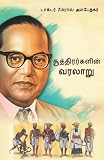

Ilaiah’s central intervention is to ask whose work and knowledge are preserved in accounts of the past. He contrasts practical, productive labour with textual and ritual authority, using “spade” and “book” as shorthand for that contrast. The argument links caste hierarchy not only to social status, but also to which kinds of work and knowledge are valued and recorded.
How does the book connect labour, caste and historical memory?
Ilaiah argues that Shudra production and culture have been marginalized in dominant narratives, and calls for histories that take those experiences seriously. In an excerpt published on 10 October 2024, he described his project this way: “My attempt to study Indian history through the shudra experience, starting with Why I am Not a Hindu (1996) and finally writing this book on shudra history tracing back to the Harappan civilization is a step forward.” This is the author’s account of his intellectual project, not independent confirmation of a historical link to the Harappan civilization.
Free tools Windows power users keep installed
One-click scans. No signup required.
#1 Best Overall
In the excerpt’s final-chapter discussion, Ilaiah urges Shudra thinkers to write and preserve histories of production, culture and philosophy. He presents this book as one step toward further historical, sociological and philosophical work.
What contemporary questions does it take up?
The book’s argument reaches beyond the writing of ancient history. A review by Nikhil Sanjay-Rekha Adsule in Scroll.in notes its discussion of English, local-language education, Hindi and cultural power. The review also identifies Ilaiah’s reading of the 2020 farmers’ agitation as an expression of Shudra collective consciousness. That interpretation belongs to the author; it should not be mistaken for an uncontested account of the protest or its participants.
Rank #2
These subjects show how the book connects historical representation to present debates about who gets to produce knowledge, which languages carry authority and how political identities take shape.
How has the book been received?
Adsule calls the book a timely intellectual work that invites reflection on history-writing, knowledge production and caste. The review also points to lacunae and leaves room for readers to agree or disagree with the arguments. The book is best approached as a forceful intervention in debates about Indian history and social hierarchy, rather than as a consensus account.
Rank #3
Publication details
The English-language paperback was published in 2024 by SouthSide Books / Hyderabad Book Trust. Its ISBN is 9788197473234. Listings differ on length: some specify 222 pages, while LeftWord Books lists 223. Catalogue metadata gives 8 October 2024 as the publication date; Ilaiah’s site documents a launch on 23 October 2024.
Quick Recap
Best Value

- non-fiction african american book set
- non-fiction black book set
- non-fiction african american children's book set
- non-fiction black children's book set
Rank #4
Product prices and availability are accurate as of the date/time indicated and are subject to change. Any price and availability information displayed on Amazon at the time of purchase will apply.




