Do these 3 things before closing this tab:
1Fix the driver behind crashes, sound loss and screen glitches2Repair Windows errors before they cause bigger problems3Scan for outdated or missing drivers - takes under a minuteCandid Microphone, later known as Candid Camera, began on television in 1948. But the first reality TV show depends on what counts as reality TV: hidden-camera comedy and long-form observational documentary are different formats, and both are early milestones.
Why there is no single agreed first reality TV show
“Reality TV” is a retrospective label, not a category with one settled definition. Hidden-camera pranks, audience-participation programs, contests and observational documentaries all put real people on television, but they do not use the same format. An academic overview from Emerald Publishing notes that there is no clear consensus on what reality television is or where it began.
| # | Preview | Product | Price | |
|---|---|---|---|---|
| 1 |
|
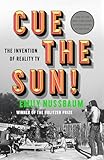
Cue the Sun!: The Invention of Reality TV | $17.71 | Buy on Amazon |
| 2 |
|
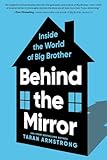
Behind the Mirror: Inside the World of Big Brother | $11.89 | Buy on Amazon |
| 3 |

|
Reality TV: Remaking Television Culture | $39.00 | Buy on Amazon |
| 4 |

|
True Lies: The Art of Reality Television | $22.95 | Buy on Amazon |
| 5 |

|
True Story | $10.03 | Buy on Amazon |
Using a narrower definition—regularly scheduled programs centered on non-actors or actual people, presented through unscripted or documentary material for entertainment—two different answers stand out. Candid Camera is an early hidden-camera landmark; An American Family is a landmark in prolonged observational documentary. Neither makes the other the wrong answer.
Five early reality-TV landmarks, in chronological order
These are documented milestones, not a definitive ranking of the 20 earliest programs. The available sources establish these dates and format distinctions, but not 20 individual titles and comparable premiere dates under one consistent definition.
#1 Best Overall
| Television debut | Program | Format and significance | Source framing |
|---|---|---|---|
| August 10, 1948 | Candid Microphone / Candid Camera (United States) | Hidden-camera hoaxes elicited reactions from ordinary people. The series used the name Candid Microphone at its ABC television premiere; it took the name Candid Camera after moving to NBC in 1949. | The Television Academy dates the ABC premiere; Guinness World Records calls it the first TV show regularly to feature members of the public as its stars. |
| January 11, 1973 | An American Family (United States) | A 12-hour documentary following the William C. Loud family of Santa Barbara through seven months of everyday life and family conflict. It is a landmark in long-form observational family documentary. | PBS dates the first broadcast; Guinness World Records describes it as the first prolonged fly-on-the-wall television look at real people. |
| 1974 | The Family (United Kingdom) | A British observational landmark that followed An American Family. The sources cited here do not establish a day-level premiere date or enough detail for a more specific comparison. | Guinness World Records identifies the BBC program as a similar UK landmark. |
| 1988 | COPS (United States) | A documentary series following police officers at work, marking a later development in on-the-job reality television. | Guinness World Records describes the Fox series as groundbreaking. |
| 1992 | The Real World (United States) | An influential cast-based format observing a group of young people sharing an apartment, a precursor to modern reality series built around a continuing group. | Guinness World Records describes the MTV format. |
Which show was first depends on the format
For hidden-camera reality television: Candid Microphone
The Television Academy dates the ABC television premiere to August 10, 1948, when the program was still called Candid Microphone. Allen Funt devised hoaxes to draw out ordinary people’s reactions. The radio predecessor began in 1947, but that is not the television debut. The program became Candid Camera after its 1949 move to NBC. Guinness’s “first” claim specifically concerns a TV show that regularly made members of the public its stars.
For prolonged observational family documentary: An American Family
PBS dates the first broadcast to Thursday, January 11, 1973. The 12-hour series followed the Loud family over seven months, making ordinary family life and conflict its documentary subject. Its significance is as a sustained fly-on-the-wall portrait, not as the first program ever to put non-actors on television.
Rank #2
Why a definitive list of 20 needs a consistent scope
A chronological ranking changes depending on what qualifies. Including television quiz shows or audience-participation contests could bring in programs outside a documentary-focused definition. Counting one-off specials alongside recurring series changes the pool again. So do the country being considered and whether a date refers to a television premiere or a radio predecessor.
- Format: hidden camera, competition, audience participation or observational documentary.
- Participants: unsuspecting members of the public, contestants or a continuing group being observed.
- Program type: recurring series or one-off special.
- Date and territory: television debut in a specified country, rather than an earlier radio version or an undifferentiated “start.”
Without applying the same rules and verifying a premiere date for each title, filling out a list of 20 would suggest more certainty than the documented chronology supports.
Quick Recap
Best Value
Rank #3
- Used Book in Good Condition
Product prices and availability are accurate as of the date/time indicated and are subject to change. Any price and availability information displayed on Amazon at the time of purchase will apply.




