The Tool Desk
Outbyte Driver Updater FREEFix the driver behind crashes, sound loss and screen glitchesFind Drivers →Outbyte PC Repair FREERepair Windows errors before they cause bigger problemsFix Now →Twenty-five years after The Blair Witch Project rewrote the rules of horror and indie filmmaking, the actors at its center have publicly challenged the studio that profits from its legacy. In an open letter addressed to Lionsgate, cast members Heather Donahue, Joshua Leonard, and Michael C. Williams accused the studio of decades-long compensation practices that, they argue, failed to reflect the film’s unprecedented success. The letter did not arrive quietly; it landed amid renewed interest in the franchise and a broader industry reckoning over how performers are paid when low-budget films become cultural phenomena.
The timing is deliberate. With the franchise’s anniversary prompting retrospectives, re-releases, and renewed monetization, the cast says the disparity between The Blair Witch Project’s reported hundreds of millions in revenue and their own financial outcomes has become impossible to ignore. According to the letter, the actors received modest upfront pay and minimal residuals, despite their performances and real names being integral to the film’s immersive marketing and enduring mythos. What they are asking for now is not simply back pay, but acknowledgment, transparency, and a renegotiation that reflects their role in building a billion-dollar brand.
| # | Preview | Product | Price | |
|---|---|---|---|---|
| 1 |

|
The Blair Witch Project | $6.14 | Buy on Amazon |
| 2 |

|
The Blair Witch Project | $9.99 | Buy on Amazon |
| 3 |

|
The Blair Witch Project (Special Edition) | $9.99 | Buy on Amazon |
| 4 |
![Blair Witch Double Pack (The Blair Witch Project/Blair Witch) [DVD] [2016]](https://m.media-amazon.com/images/I/51vhgWjin+L._SL160_.jpg)
|
Blair Witch Double Pack (The Blair Witch Project/Blair Witch) [DVD] [2016] | $14.50 | Buy on Amazon |
| 5 |
|
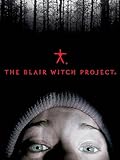
The Blair Witch Project | Buy on Amazon |
More broadly, the open letter frames the dispute as part of a larger conversation about labor rights in genre cinema, particularly for performers in breakout indie films who lacked leverage at the start of their careers. By going public, the Blair Witch cast aligns their experience with ongoing debates around profit participation, archival exploitation, and the long tail of studio ownership. Their message to Lionsgate is pointed but measured: the horror of The Blair Witch Project may have been fictional, but the consequences of outdated compensation models are not.
Who Signed the Letter: The Original Cast, Their Roles, and Where They Are Today
The open letter to Lionsgate is inseparable from the three performers whose names, faces, and improvised performances defined The Blair Witch Project’s unnerving realism. While the film famously blurred the line between actor and character, the dispute that has resurfaced a quarter-century later is rooted in very real careers, contracts, and outcomes. Understanding who signed the letter requires revisiting who these actors were in 1999, and how their lives unfolded after the phenomenon subsided.
#1 Best Overall
- Three film students set out into the Black Hills Forest to make a documentary on the legendary Blair Witch. Armed with a 16mm camera, a Hi8 video camera, and a DAT recorder, every step, word and sound is captured. After wandering around the Black Hills Forest, Heather, Josh, and Mike are cold, lost and hunted. Finally, one night after the last ray of light had left the forest black, they were neve
Heather Donahue (Heather)
Heather Donahue, who played the increasingly frantic documentarian at the center of the film, has long been the most publicly vocal about the personal cost of Blair Witch’s success. Her performance anchored the film’s emotional credibility, and her real name was deliberately used to reinforce the illusion that the footage was authentic. That decision, she has argued, permanently fused her identity to the project without providing long-term financial security.
After several years working in film and television, Donahue stepped away from acting and later reinvented herself as a writer and cannabis entrepreneur under the name Rei Hance. In recent interviews and essays, she has been candid about how the lack of residual income from Blair Witch shaped her career pivot and her decision to leave Hollywood behind. As a signatory of the letter, Donahue frames the dispute not as bitterness, but as a correction long overdue.
Joshua Leonard (Josh)
Joshua Leonard, who portrayed the film’s volatile and increasingly guilt-ridden sound recordist, has remained active in the industry both in front of and behind the camera. Unlike many performers associated with singular cult hits, Leonard built a steady career with roles in films like Humpday and Unsane, as well as television projects including Bates Motel. He has also directed independent features, maintaining close ties to the indie ethos that birthed Blair Witch.
Leonard’s involvement in the letter reflects a dual perspective: that of a working actor who understands modern compensation structures, and a filmmaker aware of how uneven power dynamics can shape early contracts. His participation underscores that the grievance is not about obscurity or stalled careers, but about precedent. For Leonard, the issue is how success stories like Blair Witch quietly normalize terms that would be unthinkable if negotiated after the fact.
Do these 3 things before closing this tab:
1Scan for outdated or missing drivers - takes under a minute2Clear out junk files and repair common Windows errors3Fix the driver behind crashes, sound loss and screen glitchesMichael C. Williams (Mike)
Michael C. Williams, whose on-screen skepticism and emotional unraveling completed the trio, died in 2022, but his role remains central to both the film and the current dispute. Williams’ performance was critical to the group’s dynamic, and like his co-stars, his real name and persona were folded into the marketing that sold the film as a recovered artifact rather than a scripted production. The letter addresses compensation issues that affected all three performers, including Williams, during his lifetime.
While Williams is not a living signatory, the letter explicitly situates his experience as part of the collective grievance, acknowledging that the financial limitations imposed by the original deal extended beyond any single individual. His inclusion reframes the controversy as a matter of legacy as much as restitution. In doing so, the cast emphasizes that the consequences of early-career contracts can follow performers long after the cameras stop rolling.
Together, these three actors represent a rare case where anonymity, authenticity, and exploitation intersected at exactly the wrong moment for performer leverage. Their letter gains weight not because they disappeared, but because their careers diverged in different ways while sharing the same foundational inequity. That shared history is what gives their appeal to Lionsgate its moral and cultural urgency.
The Core Grievances Explained: Compensation, Profit Participation, and Studio Accounting
At the heart of the Blair Witch cast’s open letter is a claim that their compensation never reflected the unprecedented scale of the film’s success. While the actors acknowledge signing contracts as unknown performers in a micro-budget production, they argue that the terms failed to evolve once the project became a cultural and financial phenomenon. The letter frames this not as a retroactive demand for stardom-level pay, but as a question of proportionality and fairness.
Recommended Free Tools
The dispute is less about regret and more about what happens when a once-in-a-generation indie success collides with traditional studio accounting practices. For the cast, Blair Witch became a case study in how early agreements can effectively freeze performers out of long-term participation, even when their identities and labor are inseparable from the brand’s value.
Minimal Upfront Pay in a Film That Redefined ROI
The actors were paid modest, fixed fees that reflected the film’s original shoestring budget and experimental status. At the time of shooting, there was no guarantee of distribution, let alone a global rollout. The cast does not dispute that reality, but they contend that the compensation model never adjusted once the film’s risk profile disappeared.
Blair Witch went on to earn hundreds of millions worldwide, making it one of the most profitable films ever made relative to cost. The letter argues that such an outcome exposes a structural imbalance, where performers shoulder creative and reputational risk without mechanisms to share in upside success. In that sense, the grievance is about scalability, not hindsight.
Profit Participation That Never Materialized
Central to the letter is the claim that the cast received no meaningful profit participation, despite the film’s extraordinary returns. Like many performers, they were subject to net profit definitions that, in practice, often result in little to no payout. The cast suggests that Blair Witch’s continued profitability across theatrical, home video, streaming, and ancillary markets makes that outcome difficult to reconcile.
Crashes, No Sound, or Screen Glitches?
Random freezes, missing sound and display glitches usually trace back to one bad driver. Find and replace yours safely.Free scan · under a minutePC Slower Than It Used to Be?
A free scan shows the junk files, broken settings and background clutter dragging Windows down - then fixes them in one click.Free scan · Windows 10 & 11The issue is compounded by the film’s long lifespan. Sequels, reboots, merchandise, video games, books, and licensing deals extended the Blair Witch brand for decades. The cast maintains that their lack of participation in these revenue streams underscores how narrowly their original agreements were constructed, and how effectively they excluded performers from a franchise built on their on-screen personas.
Studio Accounting and the Lionsgate Question
Although The Blair Witch Project was originally released through Artisan Entertainment, Lionsgate inherited the film and its accounting practices after acquiring the company in 2003. The open letter is directed at Lionsgate not as the originator of the contracts, but as the current steward of the property. The cast’s argument is that corporate succession should not absolve a studio of ethical responsibility.
They stop short of alleging illegality, focusing instead on transparency and moral obligation. The letter calls for a reevaluation of how profits have been reported and distributed over time, particularly given the film’s unusually low costs and sustained revenue. In doing so, the cast positions their request as an opportunity for Lionsgate to lead by example rather than defend inherited norms.
Rank #2
Identity, Marketing, and Uncompensated Labor
One of the more unusual aspects of the grievance involves how the actors’ real names and identities were used to market the film. Blair Witch famously blurred the line between fiction and reality, presenting its performers as missing persons and leveraging that illusion to fuel audience curiosity. The cast argues that this strategy transformed their identities into marketing assets without corresponding compensation.
Unlike traditional roles, the performers could not fully separate themselves from the narrative machine that followed the film’s release. For years, their names, faces, and perceived authenticity were part of the brand’s mythology. The letter suggests that this form of labor, neither strictly performance nor publicity, fell through the cracks of conventional contracts.
A Broader Industry Reckoning
While the letter is addressed to Lionsgate, its implications extend well beyond a single studio or film. The cast situates their experience within a larger pattern affecting performers in breakout genre hits, especially in horror, where low budgets and unknown actors are often treated as justification for permanent exclusion from success. Their grievance echoes ongoing conversations about residuals, backend points, and the limits of net profit participation.
By articulating these concerns publicly, the Blair Witch cast reframes their dispute as part of a generational reassessment of labor value in independent cinema. The letter is not only a request for redress, but a challenge to an industry that continues to celebrate underdog success stories without revisiting who ultimately benefits from them.
A $60,000 Movie That Changed Horror Forever: How Blair Witch Became a Billion-Dollar Brand
When The Blair Witch Project premiered in 1999, it arrived not as a studio-backed event film but as an experiment in form, marketing, and audience psychology. Shot for a reported $60,000 with consumer-grade cameras and unknown actors, it looked nothing like the horror movies that dominated multiplexes at the time. That rawness was not a limitation but the film’s defining weapon.
By the time the film reached wide release through Artisan Entertainment, the modest Sundance acquisition had transformed into a cultural phenomenon. Audiences lined up believing, or at least hoping, they were watching recovered footage of something real. The result was a global box office haul nearing $250 million, instantly placing Blair Witch among the most profitable films ever made relative to its budget.
The Marketing Myth That Rewrote the Rules
Much of Blair Witch’s success came from its pioneering use of internet marketing, an approach so novel in 1999 that it felt like a secret being passed between viewers. Fake police reports, missing-persons flyers, and in-character interviews spread online, reinforcing the illusion that the events of the film had actually occurred. The cast’s real names were not only used but essential to sustaining that illusion.
This strategy didn’t just sell tickets; it redefined how horror could be sold. Studios quickly took notice, and the found-footage boom that followed, from Paranormal Activity to Cloverfield, owes a direct debt to Blair Witch’s campaign. What began as an indie experiment became a template for an entire subgenre.
From Indie Sensation to Franchise Asset
After its theatrical run, The Blair Witch Project continued to generate value through home video, television licensing, merchandise, books, video games, and later sequels and reboots. The Blair Witch name evolved into a durable piece of intellectual property, one that changed hands as companies merged and libraries were sold. Today, that IP resides with Lionsgate through its acquisition of Artisan’s catalog.
While exact lifetime earnings are difficult to quantify, industry estimates frequently place the total value of the Blair Witch brand in the hundreds of millions, if not more, when accounting for ancillary markets and long-term exploitation. For a film that cost less than most studio catering budgets, its financial afterlife has been extraordinary.
The Disparity at the Heart of the Dispute
It is this gap, between the film’s negligible production costs and its enduring profitability, that sits at the center of the cast’s letter. The actors argue that while the Blair Witch brand has continued to generate revenue for studios and rights holders, their own compensation effectively ended with their initial paychecks. No residuals, no backend participation, and no share in the franchise their performances helped create.
The letter frames this disparity not as an accident of history but as a structural flaw in how breakout successes are handled, especially when performers lack leverage at the start. Blair Witch did not merely change horror; it changed the economics of low-budget filmmaking. The cast’s argument is that the industry has enjoyed that windfall without adequately revisiting who should share in it.
Lionsgate’s Role in the Blair Witch Legacy: Rights Ownership, Re-Releases, and Silence
By the time the cast addressed their letter to Lionsgate, the company had long since become the public-facing steward of The Blair Witch Project. Through its acquisition of Artisan Entertainment in 2003, Lionsgate inherited not just a surprise hit, but one of the most influential horror properties of the modern era. That corporate lineage matters, because it places Lionsgate at the center of how Blair Witch has been monetized, preserved, and reintroduced to new generations.
What’s actually slowing this PC down?
Pick the symptom - the matching free tool is one click away.
How Lionsgate Came to Control Blair Witch
Artisan, which originally acquired distribution rights to The Blair Witch Project after its Sundance premiere, was responsible for shepherding the film from indie curiosity to global phenomenon. When Lionsgate purchased Artisan’s library, Blair Witch became part of a broader catalog of genre titles that the studio would continue to exploit across physical media, streaming, and international markets.
From a legal standpoint, Lionsgate’s position is clear. It controls distribution and franchise exploitation, even if the film’s creative origins lie elsewhere. That distinction, however, is precisely what the cast’s letter seeks to challenge, not in court, but in the court of public accountability.
Re-Releases, Restorations, and Ongoing Revenue
Since Lionsgate assumed ownership, The Blair Witch Project has been reissued multiple times. DVD special editions, Blu-ray releases, anniversary screenings, and digital rentals have ensured the film remains commercially active decades after its release. Each iteration reinforces the film’s status as a cornerstone of horror history and a reliable revenue generator.
The Blair Witch name has also been kept alive through sequels and reboots, including 2016’s Blair Witch, which Lionsgate released as a direct continuation of the original. While these projects vary in critical reception, they underscore a consistent strategy: the IP is still valuable, still marketable, and still capable of drawing audience interest.
For the cast, this sustained exploitation is not abstract. It is the tangible proof that the performances they delivered under extreme conditions continue to generate income, even as they remain excluded from that financial afterlife.
The Cast’s Grievance with the Current Rights Holder
The open letter is careful in how it assigns responsibility. The actors do not claim Lionsgate created the original compensation structure, nor do they argue that the studio violated existing contracts. Instead, they frame Lionsgate as the current beneficiary of an arrangement that no longer feels defensible given the film’s historical and financial impact.
Their request is not framed as a demand for retroactive profit sharing mandated by law, but as a call for voluntary redress. In their view, Lionsgate is uniquely positioned to acknowledge the imbalance and offer compensation that reflects the film’s enduring success, even if it goes beyond what the original agreements required.
Silence as a Corporate Strategy
As of this writing, Lionsgate has not publicly responded to the cast’s letter. That silence has become part of the story. In an era where studios routinely engage with fan backlash and creative disputes via carefully worded statements, the lack of comment reads as deliberate.
Free tools Windows power users keep installed
One-click scans. No signup required.
For critics of the studio system, this quiet underscores the broader issue the cast is raising. When legacy films continue to generate revenue without revisiting who benefits, silence functions as a form of institutional inertia. The Blair Witch dispute, then, is not just about one horror classic, but about how studios handle the human cost embedded in their most profitable myths.
Not Just Blair Witch: How This Case Reflects Larger Issues in Indie Film Labor and Performer Rights
The Blair Witch Project dispute resonates because it mirrors a long-standing fault line in independent cinema. Breakout indie hits often rely on inexperienced performers, unconventional production models, and contracts written before anyone understands the film’s eventual value. When those films succeed beyond all expectations, the gap between contribution and compensation can become glaring.
In that sense, the cast’s open letter is less about revisiting the past than interrogating a system that still governs how low-budget films scale into major studio assets. The question is not whether the contracts were legal, but whether they were ethically sufficient once the film transformed into a durable franchise.
The Indie Success Paradox
Independent films are frequently sold as collective acts of faith, with cast and crew accepting minimal pay in exchange for creative opportunity and exposure. That bargain can feel fair when a project remains obscure, but it becomes fraught when a film like The Blair Witch Project reshapes an entire genre and generates tens of millions in profit.
Quick wins for a faster PC:
Repair Windows errors before they cause bigger problemsFix Now →Scan for outdated or missing drivers - takes under a minuteDriver Scan →Historically, performers on such projects rarely receive backend participation, especially when they are unknown and lack leverage. The Blair Witch cast’s experience reflects how “points” and profit-sharing have long been reserved for above-the-line creatives or established stars, even when performances are central to a film’s cultural impact.
Net Profits, Creative Accounting, and Who Gets Left Out
The case also revives familiar concerns about how studios define and distribute profits. Hollywood accounting practices have famously rendered even blockbuster films “unprofitable” on paper, limiting payouts tied to net profits rather than gross revenue.
For indie performers, this structure is especially punishing. Without upfront pay or clearly defined residuals, actors can find themselves permanently excluded from a film’s financial life, even as it is resold, rebooted, and monetized across new platforms.
Found Footage, Reality Performance, and Labor Blind Spots
The Blair Witch Project adds another layer because of its hybrid performance model. The cast was asked to endure physical discomfort, psychological stress, and improvisational demands that blurred the line between acting and lived experience, all in service of realism.
Free tools Windows power users keep installed
One-click scans. No signup required.
At the time, there were few industry frameworks for valuing that kind of labor. Today, as horror and reality-adjacent storytelling proliferate, the cast’s grievances highlight how performer protections have lagged behind evolving production styles.
A Test Case for Legacy Horror and Studio Responsibility
What makes this moment particularly charged is that Lionsgate did not inherit a dormant title, but an actively monetized legacy. By continuing to release sequels and extensions of the Blair Witch brand, the studio has reinforced the film’s relevance while distancing itself from the conditions under which it was made.
The cast’s appeal challenges the idea that rights holders bear no moral responsibility beyond contractual obligations. As studios increasingly mine indie and genre cinema for IP, the Blair Witch controversy raises a broader question: what do companies owe the people whose work made those properties valuable in the first place?
Independent reader supportYour contribution helps us test, update, and keep practical guides available for everyone.Hollywood Precedents: Similar Disputes Over Breakout Hits and Back-End Pay
The Blair Witch Project cast’s open letter does not exist in a vacuum. Hollywood history is filled with disputes where breakout successes exposed fault lines between studios, creators, and performers over how profits are defined, distributed, or quietly withheld.
Crashes, No Sound, or Screen Glitches?
Random freezes, missing sound and display glitches usually trace back to one bad driver. Find and replace yours safely.Free scan · under a minutePC Slower Than It Used to Be?
A free scan shows the junk files, broken settings and background clutter dragging Windows down - then fixes them in one click.Free scan · Windows 10 & 11Time and again, films that reshaped pop culture have also become case studies in how those closest to the work can be sidelined once the money starts flowing.
When “Unprofitable” Blockbusters Spark Legal Battles
One of the most cited precedents is Art Buchwald’s lawsuit against Paramount over Coming to America. Despite the film’s massive box office success, the studio claimed it never turned a profit under its internal accounting, prompting a landmark ruling that exposed how net profit definitions can be manipulated.
Similar claims have surfaced around Forrest Gump, The Lord of the Rings, and The Walking Dead, where creators or participants argued they were denied compensation despite clear commercial success. These cases established a pattern: profitability on paper often bears little resemblance to cultural or financial reality.
Indie Breakouts and the Cost of Early Trust
Indie cinema has been particularly vulnerable to these disputes because early participants often accept minimal pay in exchange for backend promises that may never materialize. Kevin Smith has spoken candidly about the financial lessons learned from Clerks, while Paranormal Activity’s meteoric rise raised questions about how little its early contributors ultimately received.
The Blair Witch Project fits squarely into this tradition. Its cast entered a low-budget experiment with no realistic expectation of global success, only to watch the film become a studio asset worth hundreds of millions while their compensation remained frozen in 1999.
Genre Performers and the Myth of Replaceability
Horror performers have historically faced an uphill battle in asserting their value, especially when marketing emphasizes concepts over faces. Yet franchises like Halloween and Friday the 13th have shown how central individual contributions can be to a property’s longevity, even as studios have fought to limit payouts tied to those contributions.
The Blair Witch cast’s argument challenges the notion that their work was incidental. In a film sold on authenticity, fear, and improvisation, their performances were not interchangeable components but the core product being monetized.
Modern Echoes in the Streaming Era
More recent disputes, such as Scarlett Johansson’s lawsuit against Disney over Black Widow’s streaming release, demonstrate that backend conflicts are not relics of the past. As distribution models change, so do the ways studios reinterpret contractual obligations, often to the detriment of talent.
The Blair Witch controversy reflects this same tension playing out across decades. Whether the medium is VHS, DVD, or streaming libraries, the fundamental question remains unresolved: who truly shares in the upside when a film becomes bigger than anyone imagined?
Why This Matters Now: Streaming, IP Revivals, and the Reassessment of Legacy Deals
The timing of the Blair Witch cast’s open letter is not incidental. It arrives as studios aggressively mine their libraries for recognizable IP, while streaming platforms quietly turn decades-old films into evergreen assets. What once lived on VHS shelves now generates recurring value, often without renegotiation for the people who made those films matter in the first place.
For the Blair Witch cast, the issue is not nostalgia but leverage. Lionsgate continues to benefit from the property’s cultural footprint through distribution, catalog licensing, and the broader halo effect of an IP that still carries brand recognition. The performers argue that this ongoing exploitation exposes the limits of agreements forged before streaming rewrote the economics of film libraries.
Streaming Has Changed What “Success” Looks Like
In 1999, success meant box office receipts and, later, DVD sales. Today, it includes licensing fees, platform engagement, algorithmic promotion, and the long tail of perpetual availability. These revenue streams are notoriously opaque, making it difficult for participants with backend promises to verify whether they are being fairly compensated.
Best Value
The open letter presses Lionsgate on transparency as much as money. By asking for an accounting that reflects modern distribution realities, the cast is challenging a system that often treats legacy contracts as fixed, even when the business built on them has fundamentally changed.
IP Revivals Put Old Deals Under a Microscope
Hollywood’s current obsession with revivals and reboots has made legacy deals newly relevant. Every time a studio dusts off an old title, it implicitly acknowledges the value of the original work, even as it resists revisiting the terms under which that work was created.
Blair Witch has already undergone this process, with sequels and reimaginings reinforcing the original film’s importance to the brand. The cast’s grievance suggests that recognition without remuneration is no longer an acceptable status quo, especially when a studio continues to profit from the association.
A Broader Reckoning Over Labor and Authorship
The letter also reflects a wider industry conversation about labor rights, authorship, and who gets credit for cultural impact. In a film marketed on realism and performance-driven fear, the cast contends that their contribution was not ancillary but foundational. That argument resonates in an era when performers, writers, and creators are increasingly vocal about how value is assigned and shared.
The Tool Desk
Outbyte PC Repair FREEClear out junk files and repair common Windows errorsFree Scan →Outbyte Driver Updater FREEFix the driver behind crashes, sound loss and screen glitchesFind Drivers →Seen through this lens, the Blair Witch dispute is less about correcting a single contract than about reassessing an entire generation of agreements. As studios rely more heavily on their past to secure their future, the pressure to reconcile legacy deals with present-day realities is only intensifying.
What Happens Next: Possible Outcomes, Industry Impact, and the Future of Blair Witch
The open letter places Lionsgate at a crossroads, and the studio’s response will likely determine whether this dispute becomes a footnote or a flashpoint. At minimum, the cast is seeking clarity: a transparent accounting of profits tied to modern distribution and a good-faith acknowledgment that the film’s success did not end in 1999. Whether that leads to renegotiation, settlement, or a public standoff remains to be seen.
For now, the letter stops short of litigation, framing the issue as one of fairness rather than legal confrontation. That choice suggests the cast is testing whether public pressure and industry goodwill can succeed where private requests may not have. It also leaves Lionsgate room to engage without immediately escalating the conflict.
Possible Outcomes: From Quiet Accounting to Precedent-Setting Action
The most straightforward outcome would be an internal audit and revised compensation agreement, handled quietly and framed as a corrective gesture. Studios have taken this route before, especially when the reputational risk of appearing dismissive outweighs the cost of addressing legacy grievances. Such a resolution would likely include updated backend participation tied to streaming and licensing revenue.
What’s actually slowing this PC down?
Pick the symptom - the matching free tool is one click away.
A less conciliatory outcome would see Lionsgate standing by the original contracts, arguing that the terms were honored as written. That stance could invite further scrutiny, not just from fans but from other creatives watching closely. If the dispute were to escalate into legal action, it could test how courts interpret profit participation agreements written before streaming existed.
The Ripple Effect Across Legacy Horror and Indie Cinema
Regardless of the outcome, the letter has already amplified an uncomfortable truth for studios: many culturally significant films were built on deals that no longer align with how money is made today. Horror, in particular, has a long history of breakout hits created under scrappy, low-budget conditions that favored studios once success arrived. Blair Witch is simply one of the most visible examples.
If the cast secures meaningful concessions, it could embolden others tied to legacy genre hits to reexamine their own agreements. That possibility alone makes the situation consequential beyond this single film, potentially reshaping how studios approach revivals and catalog exploitation.
What This Means for the Future of the Blair Witch Franchise
The Blair Witch name remains valuable, even if recent entries have struggled to recapture the original’s impact. Any future installment, reboot, or expansion will now carry the context of this dispute, shaping how audiences and creators perceive the brand. A resolution that honors the original cast could strengthen the franchise’s authenticity rather than weaken it.
Conversely, ignoring the concerns risks casting a long shadow over future projects, reinforcing the idea that the franchise’s success came at the expense of its creators. In a genre that thrives on intimacy and trust between filmmaker and audience, that perception matters.
Ultimately, the Blair Witch cast’s open letter is less about reclaiming the past than about redefining how the industry treats it. As studios continue to mine their archives for enduring IP, the question is no longer whether these conversations will happen, but how many more will be necessary before legacy success is matched by legacy accountability.
Quick Recap
Product prices and availability are accurate as of the date/time indicated and are subject to change. Any price and availability information displayed on Amazon at the time of purchase will apply.

