Recommended Free Tools
The 50 best Aerosmith songs begin with “Dream On,” “Walk This Way,” and “Sweet Emotion.” “Dream On” is the band’s defining power ballad, “Walk This Way” its ultimate riff statement, and “Sweet Emotion” its great groove recording; the ranking also includes essential 1970s deep cuts and comeback-era classics.
This ranking treats “best” as an editorial judgment rather than a universal fact. It balances songwriting, vocal performance, Tyler–Perry guitar interplay, riffs, grooves, recording impact, historical importance, cultural reach, and replay value, while keeping artistic quality distinct from commercial success.
| # | Preview | Product | Price | |
|---|---|---|---|---|
| 1 |
|
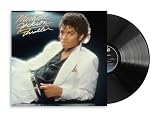
Thriller | $19.97 | Buy on Amazon |
| 2 |

|
Rumours | $23.05 | Buy on Amazon |
| 3 |
![Chronicle: The 20 Greatest Hits[2 LP]](https://m.media-amazon.com/images/I/411qOkbEPUL._SL160_.jpg)
|
Chronicle: The 20 Greatest Hits[2 LP] | $27.89 | Buy on Amazon |
| 4 |

|
Purple Rain | $22.99 | Buy on Amazon |
| 5 |

|
Greatest Hits Volume I & II | $26.97 | Buy on Amazon |
Key takeaways
- “Dream On,” “Walk This Way,” and “Sweet Emotion” are the essential starting points, but each represents a different Aerosmith strength: dramatic songwriting, riff-driven swagger, and groove-heavy studio craft.
- The 1970s catalog provides the deepest run of foundational album tracks, including “Same Old Song and Dance,” “Last Child,” “Back in the Saddle,” “Seasons of Wither,” “Rocks,” and “No More No More.”
- Aerosmith’s comeback period produced a second canon of major songs, including “Dude (Looks Like a Lady),” “Rag Doll,” “Angel,” “Love in an Elevator,” “Janie’s Got a Gun,” and “What It Takes.”
- The 1990s expanded Aerosmith’s audience through “Livin’ on the Edge,” “Cryin’,” “Crazy,” “Amazing,” “Pink,” and “I Don’t Want to Miss a Thing.”
- The best Aerosmith songs are not limited to the singles: deep cuts such as “Combination,” “Nobody’s Fault,” “Lord of the Thighs,” and “One Way Street” reveal the band’s blues, soul, boogie, and hard-rock range.
How this list ranks the 50 best Aerosmith songs
This is an editorial ranking, not an objective universal order. The list weighs songwriting, vocal performance, Tyler–Perry guitar interplay, riff and groove quality, recording impact, historical importance, cultural reach, catalog role, and replay value. Commercial success is useful context, but the most famous Aerosmith song is not automatically the band’s greatest song.
Aerosmith formed in Boston in 1970 and entered the Rock & Roll Hall of Fame in 2001. The band’s career spans blues-rooted hard rock, ambitious 1970s album craft, an 1980s comeback, 1990s MTV and power-ballad dominance, and later catalog work. The Rock & Roll Hall of Fame profile summarizes the band’s place in rock history, while the group’s official debut history dates Aerosmith to January 5, 1973.
#1 Best Overall
| Listening goal | Start with | What the songs show |
|---|---|---|
| One definitive introduction | “Dream On” | Vocal drama, melody, and the band’s defining power-ballad scale |
| Classic riff and groove | “Walk This Way” and “Sweet Emotion” | Guitar attack, bass-led movement, and unmistakable swagger |
| 1970s album Aerosmith | “Back in the Saddle,” “Seasons of Wither,” “Combination” | Range beyond the radio staples |
| 1980s comeback | “Rag Doll,” “Dude (Looks Like a Lady),” “Love in an Elevator” | Polished production without losing the band’s personality |
| 1990s crossover era | “Livin’ on the Edge,” “Cryin’,” “Crazy” | MTV visibility, large choruses, and broader emotional reach |
| Deep cuts | “Lord of the Thighs,” “Nobody’s Fault,” “No More No More” | Blues, soul, boogie, menace, and album-track craft |
What are the 50 best Aerosmith songs?
- “Dream On” — Aerosmith (1973). Aerosmith’s defining power ballad moves from an intimate opening to a towering finish, making it the clearest statement of the band’s ambition. The Rock & Roll Hall of Fame calls “Dream On” an “early magnum opus” and writes that “the band virtually invented the power ballad.”
- “Walk This Way” — Toys in the Attic (1975). The ultimate Aerosmith riff vehicle is compact, physical, and instantly identifiable. The original recording belongs here on its own merits; the later Run-DMC collaboration is a separate landmark in the song’s history and in the connection between hard rock and hip-hop.
- “Sweet Emotion” — Toys in the Attic (1975). Its bass-led entrance, talk-box color, layered arrangement, and sly vocal delivery capture Aerosmith’s swagger with exceptional economy.
- “Back in the Saddle” — Rocks (1976). Huge, theatrical, and rhythmically locked in, the opening riff announces Aerosmith at full arena-rock scale.
- “Same Old Song and Dance” — Get Your Wings (1974). A compact, horn-like riff and relentless groove make this one of the purest expressions of early Aerosmith’s blues-rock identity.
- “Toys in the Attic” — Toys in the Attic (1975). Fast, dirty, and economical, the title track turns a simple riff into a high-energy album opener with no wasted motion.
- “Last Child” — Rocks (1976). This groove-first classic has a loose, funky guitar feel and one of Steven Tyler’s most recognizable vocal attitudes.
- “Mama Kin” — Aerosmith (1973). A foundational early rocker with a hard, memorable riff, vocal bite, and live-ready construction.
- “Seasons of Wither” — Get Your Wings (1974). Dark and atmospheric, it demonstrates that Aerosmith could create mood and texture rather than simply drive forward on boogie energy.
- “Train Kept A-Rollin’” — Get Your Wings (1974). Aerosmith’s ferocious cover fits the band’s stage-bred attack and shows how naturally the group could turn blues and R&B material into hard rock.
- “Rocks” — Rocks (1976). A compact blast of danger and momentum from an album that became a touchstone of 1970s hard rock.
- “Kings and Queens” — Draw the Line (1977). Dramatic and unusually expansive, the song adds a mythic dimension to Aerosmith’s late-1970s catalog.
- “Janie’s Got a Gun” — Pump (1989). Dark, cinematic, and lyrically more serious than much of the band’s earlier material, it marked a major artistic turn and won the GRAMMY for Rock Performance by a Duo or Group with Vocals.
- “Love in an Elevator” — Pump (1989). A polished comeback-era rocker that keeps Aerosmith’s innuendo and riff power intact while embracing late-1980s production.
- “Livin’ on the Edge” — Get a Grip (1993). Its arena-sized chorus and socially alert tone gave Aerosmith a serious, contemporary edge during the band’s 1990s peak. The song won a GRAMMY.
- “Cryin’” — Get a Grip (1993). This defining MTV-era track combines power-ballad scale with a hard-rock backbone and a vocal performance built for emotional release.
- “Crazy” — Get a Grip (1993). Dramatic and faintly country-tinged, “Crazy” became a major 1990s signature through its vocal performance, melody, and video-era visibility. The song won a GRAMMY.
- “I Don’t Want to Miss a Thing” — Armageddon soundtrack (1998). Aerosmith’s biggest mainstream ballad is a maximalist soundtrack performance that demonstrates the band’s ability to deliver enormous emotion without abandoning Tyler’s vocal identity. The RIAA certification database records the single in Aerosmith’s certification history.
- “Rag Doll” — Permanent Vacation (1987). A bouncing groove, sharp guitar accents, and polished but forceful vocals made this one of the comeback’s most durable songs.
- “Dude (Looks Like a Lady)” — Permanent Vacation (1987). Hook-heavy and high-energy, it helped return Aerosmith to a mass audience while preserving the band’s comic swagger.
- “Angel” — Permanent Vacation (1987). A glossy power ballad that captures the late-1980s reinvention through melody, vocal drama, and broad emotional appeal.
- “What It Takes” — Pump (1989). This mature ballad is emotionally direct and melodic, relying less on shock value than on clear writing and a persuasive vocal.
- “Pink” — Nine Lives (1997). Quirky, catchy, and playful, “Pink” shows that Aerosmith could still sound mischievous after its major comeback. The song won a GRAMMY.
- “No More No More” — Toys in the Attic (1975). A loose, celebratory album cut with the lived-in quality of the classic lineup at full strength.
- “Lord of the Thighs” — Get Your Wings (1974). Its dark, strutting groove lets atmosphere and rhythm carry the song as much as the riff.
- “One Way Street” — Aerosmith (1973). An early blues-rock workout that rewards listeners seeking the rawer side of the debut.
- “S.O.S. (Too Bad)” — Get Your Wings (1974). Compact and menacing, it contains the riff-and-vocal tension that became an early Aerosmith hallmark.
- “Combination” — Rocks (1976). A Joe Perry-led highlight with a rough-edged, road-tested feel and a strong sense of band chemistry.
- “Nobody’s Fault” — Rocks (1976). Heavy, ominous, and riff-forward, it shows Aerosmith pushing toward a harder sonic edge.
- “Get the Lead Out” — Rocks (1976). A rolling, bluesy rocker that emphasizes the band’s rhythmic confidence.
- “Chip Away the Stone” — originally a single, later associated with Aerosmith compilations. Its durable hook and live-friendly construction make it an essential non-album-sequence inclusion.
- “Walkin’ the Dog” — Aerosmith (1973). This lean cover highlights the band’s early blues and R&B orientation.
- “Draw the Line” — Draw the Line (1977). Jagged and confrontational, the title track makes roughness part of its appeal. The official album listing confirms the 1977 release and track list.
- “Lightning Strikes” — Rock in a Hard Place (1982). A strong later-period rocker that preserves Aerosmith’s attack during a turbulent stage of the catalog.
- “Hangman Jury” — Permanent Vacation (1987). Its rootsy, acoustic-leaning arrangement gives the comeback album texture beyond its biggest singles.
- “F.I.N.E.” — Pump (1989). Sharp and fast-moving, it represents the album’s polished-but-raunchy balance.
- “Permanent Vacation” — Permanent Vacation (1987). An upbeat, hook-centered song that reflects Aerosmith’s renewed commercial confidence.
- “Hole in My Soul” — Nine Lives (1997). A melodic power ballad with a strong chorus and a distinctly late-1990s sheen.
- “Falling in Love (Is Hard on the Knees)” — Nine Lives (1997). Wiry and energetic, it keeps the band’s comic swagger alive in the post-comeback era.
- “Jaded” — Just Push Play (2001). A polished later-period song whose melodic directness makes it one of the most recognizable tracks from Aerosmith’s 2000s catalog.
- “Eat the Rich” — Get a Grip (1993). A swaggering album opener with a blunt title hook and muscular riff.
- “Fly Away From Here” — Just Push Play (2001). A large-scale ballad demonstrating Aerosmith’s continued command of emotional arena-rock production.
- “Blind Man” — associated with the Big Ones era. Moody and melodic, it bridges the 1990s hits and the band’s more reflective side.
- “My Fist Your Face” — Done with Mirrors (1985). A raw comeback-era rocker with a deliberately unvarnished attitude.
- “Lick and a Promise” — Rocks (1976). Fast and hooky, this deep cut belongs in any account of Aerosmith’s remarkably consistent 1970s album work.
- “What Could Have Been Love” — Music from Another Dimension! (2012). A later-period ballad showing that Aerosmith remained comfortable in its melodic mode. The band’s official music catalog provides the broader discography context.
- “Amazing” — Get a Grip (1993). Sweeping and earnest, it represents the grander, more polished side of the 1990s catalog.
- “Darkness” — Nine Lives (1997). A heavier, atmospheric selection that keeps the ranking from becoming only a survey of singles.
- “Uncle Salty” — Toys in the Attic (1975). This darker album cut pairs catchy hard rock with unsettling subject matter.
- “No Surprize” — Night in the Ruts (1979). A rough-edged late-1970s selection that acknowledges the catalog’s transitional period.
Which Aerosmith songs should you listen to first?
Start with “Dream On,” “Walk This Way,” and “Sweet Emotion.” Together, the three songs answer the question “What are the best Aerosmith songs?” more usefully than a greatest-hits label alone: “Dream On” supplies ambition and vocal drama, “Walk This Way” supplies the defining riff, and “Sweet Emotion” supplies the band’s groove-heavy studio personality.
For a fuller first listen, follow the sequence below. It moves from the raw debut through the band’s foundational 1970s albums, then into the comeback and MTV eras.
Rank #2
- Iconic Album: Rumours stands as one of the best-selling albums in music history, certified nineteen times platinum and widely regarded as the definitive album of the 1970s that transcends genre and generations
- Classic Tracks: Features timeless rock staples including Dreams, Don't Stop, Go Your Own Way, You Make Loving Fun, The Chain, and Gold Dust Woman, creating a collection that reads like a greatest hits package
- Legendary Performances: Showcases the magical collaboration of Stevie Nicks, Lindsey Buckingham, Mick Fleetwood, and the entire band delivering impeccable songwriting and passionate playing on every track
- Vinyl LP Format: This pressing captures the monumental 1977 album by the British-American rock band in authentic vinyl format, preserving the original sound quality and listening experience
- Musical Excellence: A vital rock album that succeeds through its exceptional composition and emotional depth, making it an essential addition to any music collection regardless of your preferred genre
| Order | Album | Suggested songs | Why listen |
|---|---|---|---|
| 1 | Aerosmith (1973) | “Dream On,” “Mama Kin,” “One Way Street,” “Walkin’ the Dog” | The raw blues-rock foundation |
| 2 | Get Your Wings (1974) | “Same Old Song and Dance,” “Seasons of Wither,” “Lord of the Thighs” | Greater range, atmosphere, and groove |
| 3 | Toys in the Attic (1975) | “Walk This Way,” “Sweet Emotion,” “Toys in the Attic,” “No More No More” | The breakthrough blend of riffs, hooks, and studio craft |
| 4 | Rocks (1976) | “Back in the Saddle,” “Rocks,” “Combination,” “Nobody’s Fault” | The hardest and most concentrated classic-era attack |
| 5 | Permanent Vacation (1987) | “Rag Doll,” “Dude (Looks Like a Lady),” “Angel” | The 1980s comeback and polished reinvention |
| 6 | Pump (1989) | “Janie’s Got a Gun,” “Love in an Elevator,” “What It Takes,” “F.I.N.E.” | The comeback at its most confident and varied |
| 7 | Get a Grip (1993) | “Livin’ on the Edge,” “Cryin’,” “Crazy,” “Amazing” | The band’s MTV-era reach and power-ballad command |
What are Aerosmith’s best deep cuts?
Aerosmith’s best deep cuts include “Seasons of Wither,” “No More No More,” “Lord of the Thighs,” “Combination,” “Nobody’s Fault,” “One Way Street,” “S.O.S. (Too Bad),” “Get the Lead Out,” and “Uncle Salty.” These songs matter because they expose the band’s full vocabulary: blues and R&B roots, boogie, menace, loose rhythmic interplay, and darker atmosphere.
“Seasons of Wither” is the best entry point for atmosphere; “Combination” is the best entry point for Joe Perry’s rough-edged presence; “Nobody’s Fault” is the best choice for heaviness; and “No More No More” captures the relaxed, celebratory chemistry of the classic lineup. The Rock & Roll Hall of Fame’s archival Aerosmith essay is useful context for the early catalog’s standards and album-era importance.
The Tool Desk
Outbyte PC Repair FREERepair Windows errors before they cause bigger problemsFix Now →Outbyte Driver Updater FREEFix the driver behind crashes, sound loss and screen glitchesFind Drivers →Rank #3
- Records have been cleaned and new sleeved.
- 2 LP release.
- Made in Spain.
Which Aerosmith songs are classics by era?
| Era | Classic songs | Defining quality |
|---|---|---|
| Debut and early blues-rock | “Dream On,” “Mama Kin,” “One Way Street,” “Walkin’ the Dog” | Raw attack and blues-rooted songwriting |
| 1974–1977 peak | “Same Old Song and Dance,” “Sweet Emotion,” “Walk This Way,” “Back in the Saddle,” “Last Child” | Riffs, groove, vocal character, and album craft |
| Late 1970s and transition | “Kings and Queens,” “Draw the Line,” “No Surprize” | Drama, roughness, and a changing band dynamic |
| 1980s comeback | “Dude (Looks Like a Lady),” “Rag Doll,” “Angel,” “Love in an Elevator” | Mass-audience hooks and polished production |
| 1990s crossover | “Janie’s Got a Gun,” “Livin’ on the Edge,” “Cryin’,” “Crazy,” “I Don’t Want to Miss a Thing” | MTV visibility, serious themes, and maximalist ballads |
| Later catalog | “Pink,” “Jaded,” “Fly Away From Here,” “What Could Have Been Love” | Melody and continued arena-rock scale |
The Rock & Roll Hall of Fame describes Aerosmith as sounding like “the Yardbirds, Led Zeppelin and the Rolling Stones having a battle of the bands at a low-key dive bar.” That description helps explain the catalog’s enduring appeal: the songs combine classic British and American rock influences with a distinctly theatrical vocal and guitar identity.
Independent reader supportYour contribution helps us test, update, and keep practical guides available for everyone.What is Aerosmith’s most famous song?
“I Don’t Want to Miss a Thing” is Aerosmith’s most obvious mainstream ballad landmark, while “Walk This Way,” “Sweet Emotion,” and “Dream On” are more representative of the band’s long-term identity. Fame depends on the audience and era: the soundtrack hit reached an enormous general audience, but the 1970s songs define Aerosmith’s rock vocabulary more completely.
Rank #4
- A1 - Let's Go Crazy
- A2 - Take Me With U
- A3 - The Beautiful Ones
- A4 - Computer Blue
- A5 - Darling Nikki
What is Aerosmith’s best album?
Toys in the Attic is the strongest single answer because it contains “Walk This Way,” “Sweet Emotion,” “Toys in the Attic,” and “No More No More,” balancing major singles with album-track personality. Rocks is the better choice for listeners who want the band at its hardest and most concentrated; Get Your Wings is the best choice for blues, atmosphere, and early experimentation.
Should you buy a greatest-hits collection?
A physical greatest-hits collection is a convenient entry point for listeners who want the best-known Aerosmith songs in one place, but no compilation should be treated as a substitute for the albums. The Rock & Roll Hall of Fame library catalogs a 1986 compact-disc edition of Aerosmith’s Greatest Hits, while editions and track lists can vary. Before publication, verify the exact Aerosmith’s Greatest Hits CD edition, format, seller, availability, and included songs; the compilation does not contain all 50 tracks in this ranking.
Final listening path
The most useful route through Aerosmith’s catalog is Aerosmith → Get Your Wings → Toys in the Attic → Rocks → Permanent Vacation → Pump → Get a Grip. That path makes the central argument of this ranking audible: Aerosmith’s greatness comes from the combination of Steven Tyler’s theatrical vocal identity, Joe Perry and Brad Whitford’s riff language, the rhythm section’s groove, and a catalog that repeatedly moves between hard rock, blues, balladry, and pop crossover.
Best Value
- ----------------------------------------
- Availability: Pre-Order
- Format: Vinyl
- Genre: Rock
- Released: 2025-08-22
Frequently Asked Questions
What is Aerosmith’s greatest song?
“Dream On” is the strongest all-around choice for Aerosmith’s greatest song because it combines distinctive songwriting, Steven Tyler’s defining vocal performance, dramatic structure, and lasting importance to the band’s identity. “Walk This Way” and “Sweet Emotion” are equally essential, but they represent riff-driven swagger and groove-heavy studio craft rather than power-ballad ambition.
What Aerosmith songs should I listen to first?
New listeners should begin with “Dream On,” “Walk This Way,” and “Sweet Emotion,” then hear “Back in the Saddle,” “Same Old Song and Dance,” “Rag Doll,” “Janie’s Got a Gun,” “Livin’ on the Edge,” and “I Don’t Want to Miss a Thing.” That sequence covers Aerosmith’s early hard rock, comeback, MTV, and soundtrack eras.
What are Aerosmith’s best deep cuts?
Aerosmith’s best deep cuts include “Seasons of Wither,” “No More No More,” “Lord of the Thighs,” “Combination,” “Nobody’s Fault,” “One Way Street,” “S.O.S. (Too Bad),” and “Uncle Salty.” These tracks reveal more of the band’s blues, soul, boogie, atmospheric, and hard-rock range than a singles-only playlist.
What is Aerosmith’s most famous song?
“I Don’t Want to Miss a Thing” is Aerosmith’s most obvious mainstream hit and soundtrack landmark, while “Dream On,” “Walk This Way,” and “Sweet Emotion” are more representative of the band’s lasting rock identity. The answer changes depending on whether “famous” means broad mainstream recognition or canonical importance.
The Bottom Line
Bottom line: “Dream On” is the best all-around answer to “What is Aerosmith’s greatest song?”, while “Walk This Way” and “Sweet Emotion” are essential for the band’s riff and groove. After those three, explore “Back in the Saddle,” “Seasons of Wither,” “Janie’s Got a Gun,” “Livin’ on the Edge,” and the deep cuts to hear the full Aerosmith story.
Quick Recap
Product prices and availability are accurate as of the date/time indicated and are subject to change. Any price and availability information displayed on Amazon at the time of purchase will apply.



