Catholic cinema has long occupied a unique place in film history, not as a niche genre but as a recurring heartbeat within some of cinema’s most ambitious works. From grand biblical epics to intimate moral dramas, filmmakers have returned again and again to Catholicism for its visual richness, intellectual rigor, and existential weight. These films are rarely simple sermons; they wrestle with doubt, sacrifice, guilt, grace, and the cost of belief in ways that cinema, at its best, is uniquely equipped to explore.
Faith as a Cinematic Language
Catholicism offers filmmakers a ready-made symbolic vocabulary: ritual, iconography, silence, confession, and transcendence rendered through image and sound. Directors as varied as Martin Scorsese, Robert Bresson, and Carl Theodor Dreyer have drawn on Catholic theology not to provide easy answers, but to dramatize interior struggle and moral consequence. In these films, faith is not decorative; it shapes narrative structure, character psychology, and the very rhythm of the storytelling.
| # | Preview | Product | Price | |
|---|---|---|---|---|
| 1 |

|
SONG OF BERNADETTE | $4.99 | Buy on Amazon |
| 2 |
|
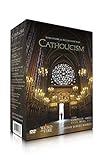
Catholicism DVD Box Set | $42.99 | Buy on Amazon |
| 3 |
![Fatima [DVD]](https://m.media-amazon.com/images/I/51AswfwZXaL._SL160_.jpg)
|
Fatima [DVD] | $8.34 | Buy on Amazon |
| 4 |
![The Case for Christ [DVD]](https://m.media-amazon.com/images/I/61qXFvvP3nL._SL160_.jpg)
|
The Case for Christ [DVD] | $5.00 | Buy on Amazon |
| 5 |

|
The Bells of St. Mary's | $9.77 | Buy on Amazon |
Beyond theology, Catholic cinema matters because it sits at the crossroads of history, culture, and art. The Church’s two-thousand-year influence on politics, philosophy, and aesthetics gives these stories an inherent gravity, whether set in ancient Judea, medieval Europe, or the modern world. Ranking the greatest Catholic films is not about endorsing doctrine, but recognizing how powerfully cinema can translate spiritual inquiry into unforgettable art that continues to challenge believers and nonbelievers alike.
How We Ranked the Films: Artistic Excellence, Theology, and Cultural Impact
Ranking the greatest Catholic films ever made demands more than counting crucifixes or measuring box office success. Catholicism in cinema operates on multiple levels at once: aesthetic, intellectual, historical, and spiritual. Our approach balances those dimensions, prioritizing films that succeed as cinema first while engaging Catholic thought with seriousness, complexity, and lasting relevance.
Crashes, No Sound, or Screen Glitches?
Random freezes, missing sound and display glitches usually trace back to one bad driver. Find and replace yours safely.Free scan · under a minuteWindows Errors? Fix Them Before They Spread
Repair common Windows errors and clear accumulated junk for a smoother, more stable PC - no reinstall needed.Free scan · no reinstall#1 Best Overall
Artistic Excellence as Cinema
Above all, these films had to stand as major works of filmmaking. Direction, performances, cinematography, editing, and sound design were evaluated with the same rigor applied to any canonical list of great films. A movie’s Catholic identity did not excuse weak craft; in fact, many of the highest-ranked entries are celebrated precisely because their spiritual themes are inseparable from their formal innovation.
Several of these films pushed cinematic language forward, whether through Robert Bresson’s ascetic minimalism, Carl Theodor Dreyer’s sculptural use of light and silence, or Martin Scorsese’s visceral, morally charged realism. The presence of Catholic themes mattered most when they shaped how the film looked, moved, and felt, not when they merely supplied subject matter.
Theological Depth and Intellectual Honesty
We gave significant weight to how thoughtfully each film engages Catholic theology and moral philosophy. The strongest entries do not reduce faith to platitudes or propaganda; they confront doubt, suffering, sin, grace, and redemption with intellectual seriousness. Films that wrestle openly with spiritual tension often ranked higher than those offering simple affirmation.
Importantly, theological depth did not require orthodoxy or institutional approval. Some of the most powerful Catholic films are controversial precisely because they interrogate belief from within, exposing contradiction, fear, and spiritual cost. What mattered was sincerity: a genuine attempt to grapple with Catholic ideas as lived realities rather than abstract concepts.
What’s actually slowing this PC down?
Pick the symptom - the matching free tool is one click away.
Historical and Cultural Significance
Catholicism is inseparable from history, and so are many of its greatest films. We considered how each movie reflects, refracts, or reinterprets pivotal moments in religious, political, and cultural history, from biblical antiquity to modern crises of faith. Films that illuminated the Church’s influence on society, power, and personal identity carried added weight.
Cultural impact also played a crucial role. Some selections reshaped how religious stories could be told on screen, influencing generations of filmmakers and audiences. Others sparked debate within the Church and beyond, proving that Catholic cinema can be a living, contested space rather than a static tradition.
Enduring Power Beyond Belief
Finally, we considered longevity: whether a film continues to resonate decades after its release. The highest-ranked Catholic movies speak not only to believers, but to anyone drawn to questions of meaning, morality, and transcendence. Their spiritual concerns are grounded in human experience, allowing them to remain relevant across cultures and eras.
This list is not a measure of piety, nor a checklist of doctrine. It is an exploration of how Catholicism, when taken seriously by great artists, has inspired some of cinema’s most profound and unforgettable works.
A Brief History of Catholicism on Screen: From Golden Age Epics to Modern Masterworks
Catholicism has been woven into cinema almost since the medium’s inception, shaping not only religious films but the moral imagination of Hollywood and international cinema alike. From reverent biblical spectacles to intimate portraits of doubt and devotion, Catholic themes have evolved alongside film language itself. Understanding that evolution helps explain why certain movies endure as spiritual landmarks rather than period curiosities.
The Silent Era and Early Reverence
In the silent era, Catholic imagery offered filmmakers a visual grammar that audiences instantly understood. Crosses, vestments, confessionals, and martyrdom provided potent symbols in an age when storytelling relied heavily on imagery rather than dialogue. Early films about Christ and the saints often emphasized awe and reverence, establishing religious cinema as a space for moral seriousness rather than entertainment alone.
These early works framed Catholicism as sacred history, something to be respectfully depicted rather than interrogated. While often static by modern standards, they laid the foundation for treating religious subject matter with gravity and cinematic ambition.
Rank #2
The Golden Age of Hollywood Epics
The studio era transformed Catholic stories into grand cinematic events. Lavish productions like The Song of Bernadette and later biblical epics treated faith as both spectacle and moral instruction, pairing massive sets with clear spiritual messaging. Catholicism during this period was presented as authoritative, dignified, and closely aligned with traditional notions of virtue and sacrifice.
Free tools Windows power users keep installed
One-click scans. No signup required.
This era also coincided with the influence of the Production Code, which encouraged films to frame religious themes in affirming and orthodox ways. While subtlety was often sacrificed for clarity, these films cemented Catholic narratives as commercially viable and culturally central.
Postwar Complexity and Moral Unease
After World War II, Catholic cinema began to reflect a more fractured world. Filmmakers increasingly explored internal conflict rather than external triumph, focusing on priests, monks, and believers wrestling with doubt, guilt, and moral compromise. Films like Diary of a Country Priest and later European works treated faith as an interior struggle rather than a public certainty.
This shift marked a crucial turning point. Catholicism on screen became less about institutional authority and more about personal conscience, aligning religious cinema with broader existential questions that dominated postwar art.
New Hollywood and Spiritual Interrogation
The late 1960s and 1970s ushered in an era of unprecedented scrutiny. Directors influenced by New Hollywood and global art cinema approached Catholicism with skepticism, intimacy, and sometimes outright provocation. Films such as The Exorcist and Mean Streets used Catholic guilt, ritual, and theology as psychological forces shaping character rather than moral endpoints.
Recommended Free Tools
These works did not abandon faith, but they refused to idealize it. Catholicism became a living tension, capable of inspiring terror, redemption, or moral paralysis, often all at once.
Modern Masterworks and Global Perspectives
Contemporary Catholic cinema spans continents and styles, from austere spiritual dramas to historical reconstructions and deeply personal meditations on belief. Filmmakers like Martin Scorsese, Paul Schrader, and international auteurs have treated Catholicism as a lifelong question rather than a resolved identity. Silence, Calvary, and Of Gods and Men exemplify a modern willingness to sit with ambiguity and moral cost.
Today’s most respected Catholic films are rarely sermons. They are works of art that recognize faith as something lived under pressure, shaped by history, violence, love, and failure. This evolution has allowed Catholic cinema not only to survive but to remain one of the richest and most challenging traditions in world film.
The Rankings (20–11): Enduring Classics, Hidden Gems, and International Voices
These films form the foundation of Catholic cinema’s global legacy. They are not always the most famous or the most overtly devotional, but each captures something essential about Catholic imagination, moral struggle, and historical presence. Ranked for their artistic achievement, spiritual seriousness, and lasting influence, these works reward close attention.
20. The Miracle of Marcelino (1955)
Ladislao Vajda’s Spanish classic approaches Catholic belief through childlike wonder rather than dogma. The story of an orphan boy and his mystical relationship with Christ emphasizes innocence, compassion, and trust over theological complexity. Its simplicity is precisely its power, offering a rare example of religious cinema that feels sincere without becoming sentimental. The film’s international success helped legitimize spiritually centered storytelling in postwar Europe.
19. The Bells of St. Mary’s (1945)
Leo McCarey’s follow-up to Going My Way presents Catholic life as warm, communal, and quietly heroic. Ingrid Bergman’s Sister Mary Benedict and Bing Crosby’s Father O’Malley embody a gentle model of religious leadership rooted in service rather than authority. While lighter in tone than many films on this list, it captures an era when Catholicism was depicted as an integral part of everyday American life. Its cultural impact remains significant.
Rank #3
18. The Song of Bernadette (1943)
This reverent portrayal of the Marian apparitions at Lourdes remains one of Hollywood’s most serious engagements with Catholic mysticism. Jennifer Jones’ performance grounds the miraculous in humility and suffering, resisting spectacle in favor of spiritual authenticity. The film reflects a studio-era willingness to treat Catholic belief with gravity and respect. Its influence can be seen in later religious biographies that prioritize interior conviction over visual excess.
17. The Nun’s Story (1959)
Fred Zinnemann’s restrained drama examines vocation as a psychological and spiritual trial rather than a triumphant calling. Audrey Hepburn’s Sister Luke confronts the tension between obedience and personal conscience, a theme that would become central to modern Catholic cinema. The film’s refusal to offer easy answers marked a transition away from idealized depictions of religious life. Its honesty continues to resonate.
The Tool Desk
Outbyte PC Repair FREEClear out junk files and repair common Windows errorsFree Scan →Outbyte Driver Updater FREEScan for outdated or missing drivers - takes under a minuteDriver Scan →16. Diary of a Country Priest (1951)
Robert Bresson’s adaptation of Georges Bernanos’ novel is one of the most influential Catholic films ever made. Through austerity and spiritual rigor, it portrays priesthood as isolation, suffering, and radical grace. The young priest’s quiet endurance reframes sanctity as perseverance rather than success. Few films have shaped theological cinema more profoundly.
15. Black Narcissus (1947)
Though controversial upon release, Powell and Pressburger’s visually stunning drama explores the psychological cost of religious vocation. Set in a Himalayan convent, the film confronts repression, desire, and the limits of spiritual discipline. Its Catholic themes emerge through conflict rather than affirmation, making it unusually honest for its time. The film’s boldness has only grown more striking with age.
14. The Passion of Joan of Arc (1928)
Carl Theodor Dreyer’s silent masterpiece remains one of cinema’s most devastating portrayals of martyrdom. Renée Falconetti’s performance captures spiritual ecstasy and human terror in equal measure. The film strips Catholic ritual down to its emotional core, emphasizing conscience over institution. Its influence extends far beyond religious cinema into the language of film itself.
13. A Man for All Seasons (1966)
This eloquent historical drama presents Catholic conscience as moral resistance rather than doctrinal rigidity. Paul Scofield’s portrayal of Saint Thomas More emphasizes integrity in the face of political coercion. The film’s clarity and restraint make its ethical arguments timeless. It remains one of the strongest cinematic defenses of conscience in Western film.
12. The Keys of the Kingdom (1944)
Often overlooked today, this sweeping portrait of missionary life offers a nuanced vision of Catholic evangelization. Gregory Peck’s Father Chisholm is portrayed not as a conqueror but as a patient servant shaped by failure and humility. The film avoids triumphalism, emphasizing endurance and adaptability. Its humanistic tone distinguishes it from more doctrinaire religious epics.
11. Of Gods and Men (2010)
This modern French masterpiece examines martyrdom through communal discernment rather than spectacle. Chronicling the final days of Trappist monks in Algeria, the film treats faith as a shared moral burden. Silence, prayer, and hesitation are given as much weight as courage. It stands as one of the most mature Catholic films of the 21st century, bridging ancient tradition and contemporary crisis.
The Top Tier (10–4): Films That Defined Catholic Storytelling in Cinema
10. The Mission (1986)
Roland Joffé’s sweeping historical epic brings Catholic moral conflict into stark focus against the brutality of colonial power. Centered on Jesuit missionaries in 18th-century South America, the film dramatizes the tension between evangelization, political compromise, and martyrdom. Ennio Morricone’s transcendent score elevates the story into a meditation on grace amid violence. Few films capture the Church’s historical entanglement with empire as movingly or as painfully.
9. The Exorcist (1973)
Often mislabeled as mere horror, William Friedkin’s landmark film is one of cinema’s most serious explorations of Catholic theology. At its core, The Exorcist is about doubt, sacrifice, and the cost of belief in a secular age. The priests are not superheroes but wounded men confronting evil with faith they struggle to sustain. Its cultural impact is enormous, but its enduring power lies in treating Catholic ritual with gravity rather than sensationalism.
Do these 3 things before closing this tab:
1Repair Windows errors before they cause bigger problems2Fix the driver behind crashes, sound loss and screen glitches3Clear out junk files and repair common Windows errors8. Diary of a Country Priest (1951)
Robert Bresson’s austere masterpiece distills Catholic spirituality into quiet suffering and interior struggle. The young priest’s vocation is marked by isolation, physical illness, and spiritual dryness rather than outward success. Bresson’s restrained style mirrors the film’s theology, emphasizing grace as something hidden and hard-won. It remains one of the most profound cinematic portraits of priesthood ever made.
Rank #4
7. The Flowers of St. Francis (1950)
Roberto Rossellini’s gentle, episodic film captures Catholic holiness through humility, simplicity, and joy. Rather than dramatizing grand miracles, it focuses on small acts of charity and childlike faith among Francis and his followers. The nonprofessional performances lend the film an almost sacramental realism. It stands as a rare cinematic embodiment of sanctity without sentimentality.
6. The Gospel According to St. Matthew (1964)
Pier Paolo Pasolini’s reverent adaptation of Scripture is both unexpected and definitive. Filmed with neorealist austerity, the Gospel unfolds without embellishment, letting Christ’s words carry their own authority. Pasolini, an atheist Marxist, approaches the text with profound respect, creating a paradoxically faithful Catholic film. Its influence on religious cinema is unmatched, proving that restraint can be more powerful than spectacle.
5. Becket (1964)
This historical drama transforms ecclesiastical conflict into gripping moral tragedy. Richard Burton’s Archbishop Becket evolves from royal ally to spiritual adversary, embodying the clash between conscience and power. The film treats Church authority not as abstraction but as lived responsibility with lethal consequences. Its Shakespearean intensity makes Catholic history feel urgent and human.
4. Calvary (2014)
John Michael McDonagh’s searing modern drama confronts the Church’s moral crisis without flinching. Brendan Gleeson’s priest faces a death threat rooted in past abuse, forcing him to minister amid collective guilt and anger. The film refuses easy redemption, presenting faith as an act of courage in a broken moral landscape. Few Catholic films are as honest, contemporary, or spiritually demanding.
Independent reader supportYour contribution helps us test, update, and keep practical guides available for everyone.The Mount Rushmore (3–1): The Greatest Catholic Movies Ever Made
At the very summit of Catholic cinema, artistry, theology, and historical gravity converge. These final three films are not simply outstanding within a religious genre; they are cornerstones of world cinema that wrestle with conscience, sanctity, evil, and grace at the highest level. Each has shaped how faith is depicted on screen and how audiences understand the moral drama at the heart of Catholic belief.
3. A Man for All Seasons (1966)
Fred Zinnemann’s stately masterpiece presents Catholic conscience as an unyielding moral force in a world of political compromise. Paul Scofield’s St. Thomas More stands almost alone, choosing fidelity to Church teaching over power, safety, and even life itself. The film’s calm, deliberate pacing mirrors More’s interior clarity, turning silence and restraint into spiritual weapons. Few films have articulated Catholic moral theology with such elegance and dramatic force.
The brilliance of A Man for All Seasons lies in its refusal to romanticize martyrdom. More is not eager to die; he simply refuses to lie. In doing so, the film captures the Catholic understanding of conscience as obedience to truth rather than self-expression. Its enduring power comes from how quietly devastating that commitment proves to be.
Quick wins for a faster PC:
Repair Windows errors before they cause bigger problemsFix Now →Fix the driver behind crashes, sound loss and screen glitchesFind Drivers →Clear out junk files and repair common Windows errorsFree Scan →2. The Exorcist (1973)
William Friedkin’s landmark horror film remains one of the most theologically serious portrayals of spiritual warfare ever put on screen. Beneath its shocking imagery is a rigorously Catholic meditation on doubt, suffering, and sacrificial love. Father Karras’s crisis of faith unfolds not as melodrama, but as a deeply human struggle shaped by guilt, grief, and longing for belief. Evil in The Exorcist is not symbolic or psychological alone; it is real, personal, and terrifyingly intelligent.
What elevates the film beyond genre is its insistence that holiness is costly. The priests are not superheroes, and victory comes only through self-giving and suffering. Friedkin treats Catholic ritual with reverence and precision, allowing ancient prayers to carry genuine dramatic weight. In doing so, The Exorcist made theology viscerally cinematic and permanently altered how faith could function in popular film.
1. The Passion of Joan of Arc (1928)
Carl Theodor Dreyer’s silent masterpiece stands as the greatest Catholic film ever made, and one of the most spiritually intense works in cinema history. Renée Jeanne Falconetti’s portrayal of St. Joan strips sainthood down to raw interior experience, expressed almost entirely through the human face. Shot in relentless close-ups, the film transforms martyrdom into an intimate confrontation between divine calling and institutional cruelty. Few films have ever come closer to visualizing the soul.
The Passion of Joan of Arc is profoundly Catholic not because of spectacle or doctrine, but because it understands sanctity as fidelity under annihilating pressure. Joan’s certainty is not loud or triumphant; it is fragile, trembling, and unbreakable. Dreyer presents grace as something that survives humiliation, fear, and death itself. Nearly a century later, no film has surpassed its ability to render holiness with such devastating purity.
Best Value
Recurring Themes and Moral Questions: Sin, Grace, Suffering, and Redemption
Across the greatest Catholic films, theology is rarely delivered as abstract doctrine. Instead, belief emerges through conflict, failure, and hard moral choices that test the limits of conscience and faith. These films return again and again to a set of core questions that define Catholic moral imagination, treating them not as answers but as lived experiences.
Sin as a Condition, Not a Caricature
Catholic cinema at its best refuses to portray sin as cartoonish villainy. In films like The Exorcist, Doubt, and Diary of a Country Priest, sin appears as doubt, despair, pride, and spiritual exhaustion rather than overt evil. The characters are rarely malicious; they are wounded, compromised, and painfully human. This approach aligns closely with Catholic teaching, which understands sin as a distortion of love rather than its absence.
Grace That Interrupts Rather Than Comforts
Grace in these films is seldom gentle or reassuring. It intrudes, unsettles, and often demands sacrifice, as seen in The Passion of Joan of Arc or A Man for All Seasons. Rather than providing emotional relief, grace forces characters into deeper confrontation with truth. The result is a cinema where divine presence is felt most strongly at moments of crisis rather than peace.
Suffering as Participation, Not Punishment
Suffering occupies a central and often controversial place in Catholic storytelling. These films resist the idea that pain is redemptive by default, yet they also reject nihilism. In works like Calvary or Silence, suffering becomes a form of participation in a broken world rather than a cosmic transaction. The camera lingers not to glorify pain, but to ask what faith demands when God appears silent.
Quick wins for a faster PC:
Repair Windows errors before they cause bigger problemsFix Now →Fix the driver behind crashes, sound loss and screen glitchesFind Drivers →Redemption Without Sentimentality
Redemption in Catholic cinema is rarely clean or complete. Forgiveness may arrive without resolution, and salvation often remains mysterious rather than triumphant. Films such as Of Gods and Men and The Tree of Life suggest that redemption is not an event but a posture toward reality. By refusing easy catharsis, these movies honor a theological vision in which hope persists even when certainty does not.
Where to Begin and Why These Films Still Matter Today
For viewers new to Catholic cinema, the best entry point depends less on theology than temperament. Some films invite contemplation through silence and restraint, while others confront the viewer with moral urgency or historical drama. What unites the greatest Catholic films is not dogma, but seriousness of purpose and artistic conviction.
Start With the Films That Match Your Curiosity
If your interest is primarily historical, films like A Man for All Seasons or The Passion of Joan of Arc offer clear narratives grounded in real events, using faith as a lived force rather than an abstract idea. Those drawn to interior struggle may find deeper resonance in Diary of a Country Priest or Silence, where belief unfolds through doubt, failure, and unanswered prayer. For viewers coming from modern cinema, works such as Calvary or Doubt bridge tradition and contemporary moral anxiety without diluting either.
Why Artistic Excellence Matters as Much as Theology
These films endure because they succeed first as cinema. Direction, performance, cinematography, and sound design are never secondary to message, but integral to it. Robert Bresson’s austerity, Terrence Malick’s lyricism, and Carl Theodor Dreyer’s intensity do theological work through image and rhythm, not exposition. Their faith is embedded in form, allowing belief to be experienced rather than explained.
Do these 3 things before closing this tab:
1Fix the driver behind crashes, sound loss and screen glitches2Repair Windows errors before they cause bigger problems3Scan for outdated or missing drivers - takes under a minuteCatholic Films as Cultural Memory
Many of the greatest Catholic films function as acts of cultural preservation. They capture moments when faith shaped public life, personal conscience, and artistic expression in ways that still echo today. Even when viewers disagree with the beliefs on screen, these films provide insight into how moral frameworks are formed, tested, and sometimes broken. They remind us that religion has long been a driver of narrative complexity, not a limitation of it.
Why These Stories Still Speak Now
In an era marked by skepticism, polarization, and spiritual fatigue, Catholic cinema’s willingness to sit with ambiguity feels newly relevant. These films do not promise certainty or comfort, but they take suffering, conscience, and responsibility seriously. They ask whether integrity is possible in compromised systems and whether grace can exist without resolution. Those questions have lost none of their urgency.
Ultimately, the greatest Catholic films endure because they trust the audience. They do not demand belief, but invite reflection. Ranked by artistic achievement, theological seriousness, and cultural impact, these twenty films remain essential not only for Catholic viewers, but for anyone who believes cinema is capable of grappling with the deepest questions of human life.
Quick Recap
Product prices and availability are accurate as of the date/time indicated and are subject to change. Any price and availability information displayed on Amazon at the time of purchase will apply.




