When Supernatural premiered on The CW in 2005, it was a scrappy, monster-of-the-week drama riding on urban legends, classic rock, and the undeniable chemistry between Jared Padalecki and Jensen Ackles. Ratings were solid but rarely spectacular, and for years the show lived on the bubble, surviving through a fiercely loyal fanbase rather than mainstream dominance. Few could have predicted that its true immortality would come not on broadcast television, but years later in the streaming era.
Netflix became the series’ great equalizer, transforming Supernatural from a long-running cult favorite into a full-fledged streaming juggernaut. At a time when binge-watching was redefining how audiences consumed television, the Winchester brothers’ episodic hunts and sprawling myth arcs proved endlessly rewatchable. Viewers who had missed early seasons, dropped off mid-run, or never sampled the show at all suddenly had instant access to its entire saga, and the fandom exploded across generations.


A Second Life Beyond The CW
The deal that brought Supernatural to Netflix in the early 2010s was emblematic of a now-vanished streaming era, when licensed TV libraries fueled subscriber growth. For Netflix, the show offered volume, loyalty, and longevity; for Supernatural, it delivered stability and cultural reach that weekly network scheduling could never match. Binge viewing didn’t just sustain interest between seasons, it actively fed the show’s relevance, helping to justify renewals and ultimately paving the way to an astonishing 15-season run.
Over 12 years on Netflix, Supernatural became a comfort watch, a gateway genre series, and a communal touchstone for fans who discovered Sam and Dean long after their first demon hunt. Its impending departure isn’t just a licensing shift, but the end of an era defined by easy accessibility and perpetual rediscovery. Understanding how the show found its forever home on Netflix is key to understanding why its exit now feels so personal, and why the question of where it lands next matters so deeply to its legacy.
#1 Best Overall
Twelve Years, Fifteen Seasons, Millions of Binges: What Netflix Gave Supernatural That Broadcast TV Never Could
What Netflix offered Supernatural wasn’t just a second window, but a fundamentally different life cycle. On broadcast TV, episodes aired once, disappeared, and relied on appointment viewing in an increasingly fractured media landscape. On Netflix, the Winchesters became permanent residents, always available, always discoverable, and always ready for one more hunt.
That shift changed how the series was consumed and, ultimately, how it was remembered. Supernatural stopped being a show you followed and became a show you lived with, revisited during late nights, long weekends, and comfort-watch marathons that stretched across entire seasons.
Binge-Watching Turned Mythology Into Momentum
Broadcast television often struggled with Supernatural’s dense mythology, where weeks-long gaps could dilute emotional payoff. Netflix erased that friction entirely. Multi-season arcs that once took years to absorb could now unfold in days, giving new viewers a clarity and narrative momentum early fans never had.
This on-demand flow also softened the show’s tonal shifts. Monster-of-the-week episodes, experimental detours, and myth-heavy chapters all blended into a cohesive experience when watched back-to-back. What once felt uneven week to week became richly textured in long-form viewing.
Free tools Windows power users keep installed
One-click scans. No signup required.
A Global Audience The CW Could Never Reach
Netflix transformed Supernatural from an American genre staple into a worldwide phenomenon. International fans who had limited access to The CW’s programming suddenly found the entire series at their fingertips, often for the first time. The Winchester brothers became global pop culture figures, not just cult TV icons.
This global reach fed back into the fandom itself. Online communities, fan fiction, conventions, and social media engagement flourished as new viewers entered the fold years into the show’s run. Supernatural didn’t age out; it multiplied.
The Comfort Show Effect
Perhaps Netflix’s greatest gift was turning Supernatural into a comfort series. Its familiar rhythms, recurring characters, and emotional core made it endlessly rewatchable, even for fans who knew every twist by heart. Few broadcast shows were designed to be revisited this way, but Supernatural thrived on it.
The algorithm helped, too. Netflix recommendations quietly introduced the series to horror-curious teens, classic rock-loving adults, and fantasy fans looking for something with depth but approachability. Each rediscovery reinforced the show’s relevance long after its original airdate.
Crashes, No Sound, or Screen Glitches?
Random freezes, missing sound and display glitches usually trace back to one bad driver. Find and replace yours safely.Free scan · under a minutePC Slower Than It Used to Be?
A free scan shows the junk files, broken settings and background clutter dragging Windows down - then fixes them in one click.Free scan · Windows 10 & 11Why This Era Had to End
That same licensing model that sustained Supernatural on Netflix is also why it’s leaving. The deal was forged in a time when studios freely licensed their libraries, before consolidation and platform exclusivity reshaped the streaming wars. As Warner Bros. Discovery prioritizes its own ecosystem, long-term third-party arrangements like this one were always living on borrowed time.
Netflix didn’t just host Supernatural; it preserved it, amplified it, and helped define its legacy for an entire generation of viewers. The challenge now isn’t whether the show will endure, but where its next long-term home will allow that legacy to continue without interruption.
Why Supernatural Is Leaving Netflix Now: Licensing Clocks, Warner Bros. Strategy, and the Streaming Wars
Supernatural’s exit from Netflix isn’t sudden so much as inevitable. The series has simply reached the end of a long, unusually generous licensing window that dates back to a very different streaming era. What once felt permanent was always contractual, and now the clock has finally run out.
The CW–Netflix Deal That Changed Everything
When Netflix secured the rights to Supernatural in the early 2010s, it was part of a broader output deal with The CW. Those agreements allowed Netflix to host full seasons shortly after broadcast, creating a powerful binge-and-catch-up loop that fueled the show’s later popularity. Crucially, those contracts were time-limited, even if they spanned more than a decade.
What’s actually slowing this PC down?
Pick the symptom - the matching free tool is one click away.
Twelve years later, that original deal structure no longer exists. The CW has changed ownership, Netflix has shifted its content priorities, and studios are far less willing to let crown-jewel franchises live indefinitely on a rival platform.
Warner Bros. Discovery Wants Its Monsters Back
Supernatural is a Warner Bros. Television property, and that matters more now than ever. As Warner Bros. Discovery continues to consolidate its library under the Max streaming banner, reclaiming legacy hits has become a core strategy. Keeping Supernatural in-house strengthens Max’s value as a destination for genre fans and long-form comfort viewing.
From a business standpoint, it’s a clean move. Why license one of your most enduring franchises to a competitor when it can drive subscriptions, engagement, and nostalgia on your own platform?
The Streaming Wars Have Closed the Open Door Era
Supernatural benefited from a brief golden age when streamers prioritized scale over exclusivity. Netflix wanted volume, studios wanted exposure, and audiences won. That era is largely over, replaced by tightly guarded libraries and platform-specific identities.
Do these 3 things before closing this tab:
1Repair Windows errors before they cause bigger problems2Fix the driver behind crashes, sound loss and screen glitches3Clear out junk files and repair common Windows errorsToday’s streaming wars reward ownership and brand cohesion. Shows like Supernatural aren’t just content; they’re strategic assets, used to anchor catalogs and retain long-term subscribers rather than float freely across services.
Why the Timing Feels Especially Emotional
The timing stings because Supernatural feels inseparable from Netflix for an entire generation of fans. Many viewers never experienced it as a weekly CW series at all; to them, it has always been a streaming show, discovered late at night and revisited endlessly. Losing that familiar home feels less like a routine removal and more like the end of an era.
Yet this moment also reflects how valuable the series still is. Supernatural isn’t leaving because it faded away, but because it remains powerful enough to be fought over in an increasingly competitive streaming landscape.
Rank #2
Where the Winchesters Are Headed Next
While official announcements may vary by region, Supernatural is widely expected to settle on Max in the United States, alongside other Warner Bros.-owned genre staples. That transition keeps the series accessible, legally complete, and preserved in high quality, even if it requires fans to adjust their streaming habits.
For international viewers, the picture may differ depending on existing regional licenses. The key takeaway is that Supernatural isn’t disappearing; it’s relocating, carried forward by the same forces that once helped it thrive on Netflix in the first place.
The CW–Netflix Pipeline Era Ends: What Supernatural’s Exit Says About a Vanishing Streaming Model
Supernatural’s departure from Netflix doesn’t just mark the end of a licensing deal; it closes the book on a once-defining chapter of modern television distribution. For more than a decade, the show existed inside a rare ecosystem where broadcast TV and streaming didn’t compete so much as collaborate. That arrangement shaped how an entire generation consumed genre television, and it’s not one today’s industry is eager to recreate.
When Broadcast and Streaming Worked in Harmony
In the early 2010s, The CW–Netflix pipeline became one of the smartest symbiotic relationships in entertainment. CW shows aired weekly to modest live ratings, then found massive second lives on Netflix, where binge-watching transformed them into cultural fixtures. Supernatural was the crown jewel of that system, consistently ranking among Netflix’s most-watched licensed series long after individual seasons ended.
Netflix gained dependable, high-volume content, while The CW benefited from renewed relevance and long-tail fandom growth. Supernatural’s 12-year presence on the platform is inseparable from that era of mutual advantage, where exposure mattered more than exclusivity.
Recommended Free Tools
Why That Model Couldn’t Survive the Streaming Wars
The rise of studio-owned platforms fundamentally changed the rules. As Warner Bros. consolidated its content under Max, lending out a 15-season flagship series to a rival became less defensible. Supernatural evolved from a catalog title into a retention tool, valuable not just for viewership, but for brand identity and subscriber loyalty.
What once felt like an open marketplace slowly closed into walled gardens. The same forces that ended The CW–Netflix pipeline for Supernatural also dismantled similar arrangements across the industry, leaving little room for the kind of long-term, multi-platform coexistence that defined the 2010s.
A Netflix Generation Grows Up
For fans, this shift lands with particular weight because Supernatural’s Netflix run outlasted its original broadcast life. Many viewers discovered Sam and Dean Winchester years into the show’s existence, watching entire seasons in compressed bursts rather than waiting week to week. Netflix wasn’t just a distributor; it was the show’s primary memory space.
That deep association is why the exit feels personal. Supernatural didn’t merely stream on Netflix; it grew there, evolved there, and cemented its legacy through countless rewatches that turned casual viewers into lifelong fans.
The Tool Desk
Outbyte PC Repair FREEClear out junk files and repair common Windows errorsFree Scan →Outbyte Driver Updater FREEScan for outdated or missing drivers - takes under a minuteDriver Scan →What Accessibility Looks Like After Netflix
While the pipeline era may be gone, accessibility hasn’t vanished with it. Supernatural’s expected move to Max in the U.S. keeps the full series housed alongside its Warner Bros. peers, offering stability and long-term preservation. For viewers willing to follow the Winchesters, the journey continues uninterrupted, just under a different banner.
International fans may face a more fragmented transition depending on regional licensing, but the larger picture remains clear. Supernatural’s exit from Netflix isn’t an erasure; it’s a redistribution, shaped by an industry that now values ownership over ubiquity.
A Legacy Forged in a Transitional Age
Few shows embody the shift from broadcast-first to streaming-defined television as completely as Supernatural. Its Netflix years didn’t just extend its lifespan; they redefined how genre series could build communities, sustain relevance, and live far beyond traditional ratings metrics.
As the CW–Netflix pipeline fades into history, Supernatural stands as its most enduring success story. The model may be vanishing, but the impact it had on the show—and on the fans who found it there—remains indelible.
Quick wins for a faster PC:
Clear out junk files and repair common Windows errorsFree Scan →Scan for outdated or missing drivers - takes under a minuteDriver Scan →Repair Windows errors before they cause bigger problemsFix Now →Carry On, Wayward Fandom: How Netflix Supercharged Supernatural’s Cultural Afterlife
When Supernatural landed on Netflix, it didn’t simply find a second home—it found an engine for immortality. The platform transformed a long-running CW genre staple into a perpetual discovery title, one that never aged out of relevance because it was always new to someone. In the era of algorithmic recommendations and autoplay marathons, the Winchesters became evergreen.
Binge Culture Turned a Cult Hit Into a Movement
Netflix collapsed fifteen seasons into an endlessly clickable saga, allowing viewers to experience the show as a single, sprawling myth rather than a year-by-year broadcast commitment. That accessibility lowered the barrier to entry, inviting younger audiences and first-time genre fans into a story already rich with lore. Watching Supernatural stopped being an endurance test and became a rite of passage.
This binge-friendly format also reframed the show’s tonal shifts. Episodes once criticized for being experimental or indulgent played better in sequence, revealing long arcs of character growth and emotional payoff. On Netflix, Supernatural felt less like a procedural and more like an epic road novel told in chapters.
The Internet Found Its Forever Comfort Show
Netflix’s global reach synchronized fandom in a way broadcast never could. Tumblr essays, TikTok edits, convention clips, and reaction videos flourished because the entire series was readily available, instantly referenceable, and endlessly rewatchable. Supernatural became a shared language online, its characters and quotes embedded deep in internet culture.
For many fans, it also became a comfort show—something revisited during life transitions, late nights, or moments of escapism. Netflix normalized the idea that Supernatural wasn’t something you finished; it was something you lived with. That emotional accessibility is a large part of why its departure feels like losing a familiar room.
Music, Mythology, and the Algorithm
Netflix amplified one of Supernatural’s most defining elements: its musical identity. “Carry On Wayward Son” wasn’t just a season finale cue anymore; it became a streaming-era anthem, rediscovered by new generations through repeat exposure. The show’s classic rock backbone thrived in a platform designed for replay.
Rank #3
![Supernatural (Complete Series) - 86-DVD Box Set [ NON-USA FORMAT, PAL, Reg.2 Import - Belgium ]](https://m.media-amazon.com/images/I/41UZewPzYLL._SL160_.jpg)
- Supernatural (Complete Series) - 86-DVD Box Set
- Supernatural (Complete Series) - 86-DVD Box Set
At the same time, Netflix’s recommendation engine kept pushing Supernatural into adjacent fandom spaces—fantasy lovers, horror dabblers, and nostalgia seekers alike. The algorithm did what traditional marketing never could, quietly sustaining the show’s relevance long after its CW finale aired.
What Leaves Netflix Doesn’t Leave the Fandom
Supernatural’s exit from Netflix closes a formative chapter, but it doesn’t dismantle the cultural ecosystem built there. The fandom is portable now, trained by years of digital engagement to follow the series wherever it streams next. Max may inherit the library, but Netflix shaped the relationship.
Twelve years on the platform ensured that Supernatural would never belong to a single era of television. It exists instead as a living archive of genre storytelling, passed from viewer to viewer, season by season. Netflix didn’t just host Supernatural—it helped turn it into a legacy.
Where to Watch Supernatural After Netflix: Streaming Options, Physical Media, and What’s Likely Next
With Supernatural riding off Netflix’s sunset, fans are left with a familiar question in the modern streaming era: where does the road lead now? The answer, like much of the show’s mythology, is shaped by corporate realignment as much as destiny. While the loss of Netflix stings, the series is far from disappearing into the Empty.
Max and the Warner Bros. Television Homecoming
The most likely primary destination for Supernatural is Max, Warner Bros. Discovery’s flagship streaming platform. As a long-running CW series produced by Warner Bros. Television, Supernatural fits squarely into the company’s strategy of consolidating its legacy TV library under one roof. In several regions, Max already hosts other CW staples, making Sam and Dean’s eventual arrival feel inevitable rather than speculative.
For fans, this shift represents a move from global ubiquity to a more curated, franchise-driven environment. Max may not replicate Netflix’s algorithmic serendipity, but it offers something else: institutional permanence. Supernatural would no longer be a licensed guest—it would be home.
Recommended Free Tools
Digital Storefronts and the A La Carte Era
For viewers unwilling to chase subscriptions, Supernatural remains fully available through digital retailers like Amazon Prime Video, Apple TV, Vudu, and Google TV. Every season can be purchased outright, preserving access regardless of streaming deals or platform shakeups. It’s a less romantic option, but one that mirrors how television was collected before the streaming boom.
There’s a quiet appeal to ownership here, especially for a series built on long arcs and emotional revisits. Buying Supernatural ensures that comfort-watch status doesn’t depend on licensing windows or corporate mergers.
Physical Media and the Enduring Box Set Ritual
Physical media remains the most stable refuge for Supernatural loyalists. Complete series Blu-ray and DVD box sets are widely available, often packed with bonus features, commentary tracks, and behind-the-scenes material that streaming platforms rarely prioritize. For a fandom that values lore, context, and creator insight, these extras matter.
There’s also something fitting about Supernatural living on a shelf. The show has always been about preservation—of family, of history, of stories passed down—and physical media embodies that ethos in a way streaming never quite can.
International Availability and Regional Variations
Outside the United States, Supernatural’s post-Netflix fate varies by territory. Some regions may see the series migrate to local Warner-affiliated platforms, while others could retain it on Netflix longer due to separate licensing agreements. This staggered availability reflects the fragmented nature of global streaming, even for a show with worldwide appeal.
Fans traveling or living abroad may find Supernatural in unexpected places, a reminder of how decentralized television access has become. The hunt, it seems, continues.
What the Next Chapter Likely Looks Like
Supernatural’s departure from Netflix doesn’t signal a diminishing footprint—it marks a redistribution. As studios reclaim their libraries, legacy shows like Supernatural become cornerstones of brand identity rather than algorithmic discoveries. That shift may limit casual exposure, but it deepens the series’ status as a foundational text within genre television.
Wherever it streams next, Supernatural enters a new phase of its afterlife. Not as a bingeable curiosity, but as a canonized classic—one that fans will continue to seek out, preserve, and pass along, long after the Impala has left Netflix’s driveway.
Do these 3 things before closing this tab:
1Fix the driver behind crashes, sound loss and screen glitches2Clear out junk files and repair common Windows errors3Scan for outdated or missing drivers - takes under a minuteRewatchability, Accessibility, and Loss: What Fans Actually Lose When Supernatural Leaves Netflix
For over a decade, Netflix didn’t just host Supernatural. It normalized the idea that this sprawling, 15-season saga was always there, ready to be revisited on a whim. Its departure isn’t merely about where to stream next; it’s about how easily fans have been able to live with the Winchesters as a constant presence.
The Comfort of Effortless Rewatching
Supernatural thrives on rewatchability. Its episodic structure, seasonal arcs, and lore-heavy mythology reward repeat viewing in a way few long-running shows manage. Netflix’s interface made it frictionless to dip into a favorite monster-of-the-week episode or commit to a full-series marathon without planning or platform-hopping.
Losing that simplicity changes the relationship viewers have with the show. Rewatching becomes a decision instead of a reflex, and comfort viewing loses some of its spontaneity when access requires more effort or additional subscriptions.
Accessibility and the Casual Fan Problem
Netflix played a crucial role in expanding Supernatural’s audience well beyond its original CW fanbase. New viewers discovered the series through recommendations, autoplay, or cultural osmosis, often years after its debut. That low barrier to entry helped turn Supernatural from a cult hit into a multigenerational fandom staple.
The Tool Desk
Outbyte Driver Updater FREEScan for outdated or missing drivers - takes under a minuteDriver Scan →Outbyte PC Repair FREEClear out junk files and repair common Windows errorsFree Scan →Rank #4
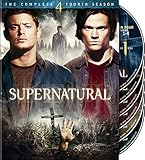
- DVD
- Standard Edition
- 16 X 9 FULL FRAME
- VIVA 6 Disc 25mm Case
- Multi Disc
Once the series leaves Netflix, casual discovery becomes harder. Dedicated fans will follow it wherever it goes, but newcomers are less likely to stumble into a 327-episode commitment without the familiarity and reach of Netflix’s ecosystem.
The Emotional Weight of a Digital Goodbye
There’s also an emotional loss that goes beyond logistics. For many fans, Netflix is where they first met Sam and Dean, where late-night binges turned into rituals, and where the show became a reliable companion during different phases of life. That history is quietly embedded in viewing habits and watchlists.
When Supernatural disappears from Netflix, it feels less like a catalog update and more like a familiar haunt closing its doors. The show still exists, but the context in which many fans experienced it for 12 years does not.
What Remains, Even After the Exit
Despite the loss, Supernatural’s rewatch value doesn’t vanish with Netflix. Physical media, digital purchases, and future streaming homes ensure the series remains accessible in concrete ways. What changes is the ease, the ubiquity, and the shared cultural space that Netflix uniquely provided.
What’s actually slowing this PC down?
Pick the symptom - the matching free tool is one click away.
In that sense, what fans lose isn’t Supernatural itself. They lose the feeling that the road, the music, and the Impala were always just one click away, no matter the season or the year.
The Long Goodbye: Supernatural’s Enduring Legacy in Genre TV and the Streaming Age
Supernatural leaving Netflix isn’t just the end of a licensing window; it’s the closing chapter of one of streaming’s most quietly influential success stories. Few shows benefited more from the early binge era, and even fewer helped define what long-form genre storytelling could look like when audiences were finally able to watch on their own terms. Its 12-year presence on Netflix reshaped how the series was discovered, discussed, and ultimately remembered.
In many ways, Supernatural didn’t just survive the rise of streaming. It evolved with it, growing larger and more culturally embedded long after its linear ratings plateaued.
A Genre Show That Outlived the System That Created It
Premiering in 2005, Supernatural was born into a television ecosystem that no longer exists. Genre shows lived or died by weekly ratings, seasonal renewals, and network patience, none of which guaranteed longevity. That the series ran for 15 seasons was already extraordinary before Netflix entered the picture.
Streaming gave Supernatural a second engine. Entire arcs that felt uneven week-to-week smoothed out in binge form, character development deepened, and lore-heavy seasons became more approachable. Netflix didn’t just preserve the show; it reframed it, allowing its ambition to be fully appreciated.
The Blueprint for Fandom in the Streaming Age
Supernatural’s fandom is often cited for its intensity, but Netflix amplified its reach. Conventions, fan fiction, memes, and social campaigns found new participants as fresh viewers entered the fold years after original broadcast. The show became evergreen, immune to the expiration dates that typically limit network dramas.
This kind of sustained engagement is now what streaming platforms chase, but Supernatural achieved it organically. It proved that emotional investment, character loyalty, and consistency could keep a series culturally relevant long after the finale aired.
Why the Netflix Exit Feels Bigger Than Most
The reason Supernatural’s departure hits harder than a typical removal is simple: Netflix functioned as its default home. For over a decade, it was the place fans assumed the show would always live, quietly available in the background of their subscriptions.
Free tools Windows power users keep installed
One-click scans. No signup required.
Its exit reflects the broader reality of today’s fragmented streaming landscape. As studios reclaim content for proprietary platforms, long-running series lose their centralized cultural hubs, becoming scattered rather than communal experiences.
Where the Road Leads Next
Supernatural isn’t disappearing, just relocating. Warner Bros.’ ownership means the series is likely to remain accessible through platforms tied to its catalog, alongside digital storefronts and physical media that offer permanence Netflix never could.
For viewers willing to follow, the road goes on. What’s missing is the universal front porch where everyone could gather, recommend, and revisit without friction.
A Legacy That Outlasts the Platform
Supernatural’s greatest achievement may be that its legacy feels intact even as its streaming home changes. The characters, mythology, and emotional resonance remain as powerful as ever, untethered from any single service.
Quick wins for a faster PC:
Repair Windows errors before they cause bigger problemsFix Now →Fix the driver behind crashes, sound loss and screen glitchesFind Drivers →Netflix helped turn Supernatural into a modern classic, but the show was always built to endure. As the Impala rolls off one digital highway and onto another, what remains is a series that defined an era, shaped a fandom, and proved that sometimes, the longest roads lead to the most lasting destinations.
Quick Recap
Product prices and availability are accurate as of the date/time indicated and are subject to change. Any price and availability information displayed on Amazon at the time of purchase will apply.




