It started as a scrappy, wildly inventive animated feature that didn’t fit neatly into Sony Pictures Animation’s existing playbook. The Mitchells vs. the Machines was born inside the same creative ecosystem that produced Spider-Man: Into the Spider-Verse, but its chaotic humor, internet-age satire, and unconventional family dynamic made it a tougher internal sell as a long-term theatrical brand. To Sony’s leadership, it looked like a critical darling at best, not the foundation of a repeatable, merchandise-friendly franchise.
The timing only reinforced that skepticism. As the pandemic upended theatrical economics in 2020, Sony opted to cut risk, selling the finished film to Netflix for a reported $100 million rather than betting on an uncertain box office run. From a short-term balance-sheet perspective, the decision made sense: guaranteed cash, no marketing spend, and zero exposure to pandemic-era volatility. What Sony effectively surrendered, though, was ownership of a world flexible enough to support sequels, spinoffs, and the kind of generational appeal that fuels billion-dollar animation franchises over time.
Netflix immediately recognized what Sony didn’t fully commit to. Upon release, the film exploded into the cultural conversation, earning rapturous reviews, strong viewership metrics, and awards attention that positioned it as more than a one-off success. In the streaming era, Netflix doesn’t need opening-weekend box office to justify expansion; it needs sticky IP that keeps subscribers engaged. By letting the project go, Sony didn’t just miss out on one hit movie—it forfeited control of a franchise-ready property that, under a traditional theatrical model, could have evolved into a long-term box office powerhouse.
Sony’s Risk Calculus at the Time: Market Pressures, Internal Assumptions, and the Decision to Walk Away
Sony’s decision to part with The Mitchells vs. the Machines wasn’t born from creative indifference so much as corporate caution. In early 2020, the studio was staring down an unprecedented shutdown of global theaters, with no clear timeline for recovery and no reliable data on how family audiences would return. Animation, traditionally a theatrical safe haven, suddenly became a high-cost gamble with no guaranteed payoff.
Quick wins for a faster PC:
Repair Windows errors before they cause bigger problemsFix Now →Scan for outdated or missing drivers - takes under a minuteDriver Scan →Clear out junk files and repair common Windows errorsFree Scan →From a risk-management standpoint, Sony prioritized liquidity and certainty over long-term upside. Selling the completed film to Netflix for a reported $100 million locked in immediate profit, eliminated marketing costs that could have ballooned past $75 million, and insulated the studio from the possibility of a muted or canceled theatrical rollout. In a moment defined by survival, Sony chose the sure thing.
#1 Best Overall

- HD streaming made simple: With America’s number 1 TV streaming platform,* exploring popular apps—plus tons of free movies, shows, and live TV—is as easy as it is fun. *Based on hours streamed—Hypothesis Group
- Compact without compromises: The sleek design of Roku Streaming Stick won’t block neighboring HDMI ports, and it even powers from your TV alone, plugging into the back and staying out of sight. No wall outlet, no extra cords, no clutter.
- No more juggling remotes: Power up your TV, adjust the volume, and control your Roku device with one remote. Use your voice to quickly search, play entertainment, and more.
- Shows on the go: Take your TV to-go when traveling—without needing to log into someone else’s device.
- TV, simplified: With setup that only takes minutes, a simple-to-navigate Home Screen, and an uncluttered remote control that does all you need—Roku makes it easier to watch the TV you love.
The Internal Franchise Test Sony Didn’t Think the Film Passed
Internally, The Mitchells vs. the Machines didn’t check the usual franchise boxes. It lacked an easily marketable mascot, leaned heavily on meta-humor and internet culture, and centered its emotional core on a messy, dysfunctional family rather than broad fairy-tale archetypes. Compared to Sony’s more conventional animated offerings, it felt creatively bold but commercially unpredictable.
Sony Pictures Animation had already experienced how difficult it was to turn originality into repeatable theatrical success. Outside of Hotel Transylvania, the studio had struggled to build multi-film animated brands that reliably generated global box office momentum. Even Spider-Verse, now seen as a crown jewel, was initially treated as a risk rather than a guaranteed franchise engine.
In that context, Mitchells looked like lightning in a bottle rather than a scalable universe. Sony’s assumption was that its upside was capped: strong reviews, awards chatter, and modest theatrical returns at best. The idea that it could anchor multiple sequels, spin-offs, or cross-media expansion simply wasn’t prioritized.
Pandemic Economics and the Illusion of a Clean Exit
The pandemic distorted how studios evaluated value. Theatrical release models were collapsing, and streaming platforms were paying premiums for finished content to feed rapidly growing subscriber bases. To Sony, Netflix’s offer looked like a clean exit from a volatile situation.
What made the deal especially appealing was that Sony doesn’t operate its own consumer-facing streaming platform. Unlike Disney or Warner Bros., it had no in-house ecosystem to absorb short-term losses in exchange for long-term subscriber growth. Monetization, for Sony, still depended heavily on box office receipts and downstream licensing.
By selling outright, Sony treated The Mitchells vs. the Machines as a single-asset transaction rather than an IP investment. The calculus focused on minimizing downside rather than preserving optionality, a critical distinction in the modern franchise economy.
How Netflix Saw the Same Film Very Differently
Netflix evaluated the film through a completely different lens. It didn’t need a $100 million opening weekend or global theatrical saturation to justify the purchase. What it needed was a high-quality, rewatchable animated property that could drive engagement across age groups and travel globally without cultural friction.
Do these 3 things before closing this tab:
1Repair Windows errors before they cause bigger problems2Fix the driver behind crashes, sound loss and screen glitches3Clear out junk files and repair common Windows errorsThe Mitchells vs. the Machines fit perfectly into Netflix’s IP strategy. Its humor translated internationally, its themes resonated with families and teens alike, and its animation style felt fresh in a streaming landscape crowded with safe, generic fare. Netflix wasn’t buying a movie; it was buying a relationship with its audience.
Once the film hit the platform and generated both critical acclaim and sustained viewership, its franchise potential became obvious. Sequels, series extensions, and long-term brand equity suddenly looked not just possible, but inevitable. That upside now belonged entirely to Netflix.
The Cost of Underestimating Long-Term IP Value
Sony’s miscalculation wasn’t about quality; it was about time horizon. By prioritizing immediate financial certainty, the studio forfeited a property that could have matured into a multi-film theatrical franchise under normal market conditions. Animated IP rarely announces its billion-dollar potential upfront—it earns it through consistency, audience trust, and repetition.
In retrospect, the decision highlights how legacy studios sometimes undervalue unconventional projects when external pressure mounts. The very elements that made Mitchells feel risky to Sony were the ones that made it invaluable to Netflix. The studio didn’t just sell a movie—it sold the future of a world it no longer controls.
Windows Errors? Fix Them Before They Spread
Repair common Windows errors and clear accumulated junk for a smoother, more stable PC - no reinstall needed.Free scan · no reinstallOutdated Drivers Are Slowing You Down
One free scan finds every outdated or missing driver and matches the right update for your exact hardware.Free scan · exact hardware matchWhy the Studio Misread the Moment: Changing Audience Tastes and the Post-Theatrical Blind Spot
Sony’s error wasn’t just financial—it was cultural. The studio evaluated The Mitchells vs. the Machines using pre-streaming assumptions about what animated hits are supposed to look like theatrically, underestimating how quickly audience behavior was shifting beneath its feet.
By the time the decision was made, viewers were already signaling a growing appetite for stylized, creator-driven animation that felt personal rather than corporate. Films like Spider-Man: Into the Spider-Verse had primed audiences for bolder visual languages and emotionally specific storytelling, especially among younger demographics raised on YouTube, TikTok, and anime.
Audience Demand Was Moving Faster Than Studio Metrics
Traditional studio forecasting still leaned heavily on opening-weekend projections and four-quadrant theatrical appeal. But animated films were increasingly being discovered, shared, and rewatched at home, where longevity mattered more than spectacle.
The Mitchells thrived in that environment. Its humor rewarded repeat viewings, its chaotic visual style felt native to digital culture, and its themes resonated with families navigating technology-saturated lives. These weren’t weaknesses in a post-theatrical world—they were advantages.
Free tools Windows power users keep installed
One-click scans. No signup required.
The Blind Spot: Post-Theatrical Value Was Treated as Secondary
Sony’s internal calculus treated downstream value as incremental rather than foundational. Home entertainment, streaming licensing, and long-tail audience growth were still framed as secondary revenue streams, not as the primary engines of franchise formation.
Netflix understood the opposite to be true. In a platform ecosystem, sustained engagement is the box office, and a movie’s value compounds over time as it becomes part of the cultural conversation. Theatrical risk mattered less than cultural stickiness.
Animation Was No Longer a Single-Weekend Business
What Sony misread most profoundly was how animated franchises now grow. Billion-dollar IP rarely emerges fully formed; it builds through familiarity, emotional attachment, and accessibility across platforms.
Rank #2

- Ultra-speedy streaming: Roku Ultra is 30% faster than any other Roku player, delivering a lightning-fast interface and apps that launch in a snap.
- Cinematic streaming: This TV streaming device brings the movie theater to your living room with spectacular 4K, HDR10+, and Dolby Vision picture alongside immersive Dolby Atmos audio.
- The ultimate Roku remote: The rechargeable Roku Voice Remote Pro offers backlit buttons, hands-free voice controls, and a lost remote finder.
- No more fumbling in the dark: See what you’re pressing with backlit buttons.
- Say goodbye to batteries: Keep your remote powered for months on a single charge.
By offloading the film, Sony opted out of that growth curve entirely. The studio wasn’t wrong about short-term uncertainty—it was wrong about where long-term certainty was headed.
What’s actually slowing this PC down?
Pick the symptom - the matching free tool is one click away.
Netflix Steps In: How the Streamer Recognized Franchise Potential Sony Overlooked
When Sony began shopping The Mitchells vs. the Machines, Netflix wasn’t looking at it as a salvage operation. The streamer saw a piece of IP that already aligned perfectly with its long-term strategy: distinctive animation, creator-driven tone, and built-in rewatch value across global households.
This wasn’t about opening weekend numbers. It was about whether a film could live on the platform for years, continuously rediscovered by kids, parents, and algorithm-driven recommendations.
Netflix Was Buying Longevity, Not Just a Movie
Netflix’s dealmaking logic has always differed from traditional studios. Rather than anchoring value to theatrical multiples, Netflix evaluates how often a title will be watched, rewatched, clipped, memed, and shared over time.
The Mitchells checked every box. Its fast-paced humor, layered visual gags, and emotionally sincere family story made it ideal for repeat viewing. Each rewatch increased its value to Netflix’s ecosystem without requiring additional marketing spend.
Data Over Dogma: Why Netflix Trusted the Film
Unlike Sony, Netflix wasn’t constrained by legacy assumptions about what animation “should” look like or how it should perform. Its internal data already showed that stylized animation and emotionally specific storytelling traveled exceptionally well across borders.
The Mitchells didn’t need localization-heavy humor or spectacle-driven action. Its themes of generational disconnect, technology anxiety, and family reconciliation were universal, allowing Netflix to scale its appeal globally almost overnight.
The Platform Advantage Sony Couldn’t Replicate
Once the film landed on Netflix, it immediately benefited from algorithmic amplification. It wasn’t fighting for screens against blockbusters or dependent on marketing blitzes; it simply needed viewers to press play.
From there, the momentum compounded. Word-of-mouth spread digitally, the film climbed Netflix’s global charts, and its characters and visual language became instantly recognizable within the platform’s culture. That kind of saturation is difficult to buy and nearly impossible to replicate theatrically.
Franchise Thinking Without the Box Office Pressure
Netflix didn’t need The Mitchells vs. the Machines to hit a specific revenue benchmark to justify future investment. The value came from engagement, brand equity, and the ability to build a recognizable animated universe over time.
Sequels, spin-offs, merchandise, and even series extensions could all flow from that foundation. In giving the film away, Sony didn’t just lose one successful release—it surrendered the chance to nurture a franchise that could have matured into a billion-dollar asset across multiple formats.
A Case Study in the New Power Shift
The irony is that Netflix didn’t take a bigger creative risk than Sony. It simply evaluated risk differently. Where Sony saw uncertainty and short-term exposure, Netflix saw a scalable cultural asset waiting for the right environment.
That difference in perspective is the story of the modern entertainment industry. Franchises are no longer born on opening weekend—they’re grown through sustained presence. And in this case, Netflix understood that future far better than the studio that let it go.
The Tool Desk
Outbyte Driver Updater FREEFix the driver behind crashes, sound loss and screen glitchesFind Drivers →Outbyte PC Repair FREERepair Windows errors before they cause bigger problemsFix Now →From One-Off Release to Global Phenomenon: The Box Office, Viewership, and Brand Explosion
What Sony originally framed as a single, mid-budget animated release quietly transformed into one of the most visible animated brands of the streaming era. The Mitchells vs. the Machines didn’t arrive with box office headlines or opening-weekend theatrics, yet its cultural footprint quickly rivaled films that cost far more and marketed far louder.
The irony is that this outcome answered the very question Sony couldn’t confidently resolve in theaters: how big could this movie actually be?
The Box Office Hit That Never Got to Exist
Had The Mitchells vs. the Machines received a traditional global theatrical rollout, industry analysts have since suggested it could have played like a modern animated sleeper hit. Strong critical reception, family-friendly repeat viewing, and cross-generational appeal historically translate into long theatrical legs, especially overseas.
Comparable animated originals with similar budgets have cleared $400–600 million worldwide, and some insiders believe Mitchells’ distinctive visual identity and word-of-mouth could have pushed it even higher. That kind of performance would have immediately reframed the film as franchise-capable rather than disposable, changing how Sony valued its long-term potential.
Recommended Free Tools
Instead, that upside was never tested, because the film’s success was measured on Netflix’s terms.
Rank #3

- 4K streaming made simple:With America’s number 1 TV streaming platform,* exploring popular apps—plus tons of free movies, shows, and live TV—is as easy as it is fun. *Based on hours streamed—Hypothesis Group
- 4K picture quality: With Roku Streaming Stick Plus, watch your favorites with brilliant 4K picture and vivid HDR color.
- Compact without compromises: Our sleek design won’t block neighboring HDMI ports, and it even powers from your TV alone, plugging into the back and staying out of sight. No wall outlet, no extra cords, no clutter.
- No more juggling remotes: Power up your TV, adjust the volume, and control your Roku device with one remote. Use your voice to quickly search, play entertainment, and more.
- Shows on the go: Take your TV to-go when traveling—without needing to log into someone else’s device.
Streaming Metrics That Rewrote the Film’s Value
Netflix doesn’t publish box office numbers, but its internal metrics told a far louder story. The Mitchells vs. the Machines debuted near the top of Netflix’s global charts, remained visible for weeks, and performed consistently across territories rather than spiking and vanishing.
More importantly, it demonstrated rare four-quadrant behavior on a platform that tracks engagement obsessively. Families rewatched it, younger audiences latched onto its humor and animation style, and older viewers connected with its emotional core. For Netflix, that kind of sustained viewing is more valuable than a single explosive weekend.
In streaming economics, this wasn’t just a hit. It was a retention tool.
Critical Acclaim as a Brand Accelerator
The film’s awards trajectory amplified its reach even further. An Academy Award nomination, near-universal critical praise, and placement on year-end best-of lists elevated it from “popular Netflix movie” to prestige animated title.
That distinction matters. Prestige extends shelf life, keeps titles circulating in recommendation algorithms, and gives platforms confidence to invest in sequels and extensions. For Sony, it would have been the ideal foundation to build a long-running animated brand with creative credibility baked in.
Netflix, meanwhile, absorbed that value without carrying the original development risk.
The Visual Language That Became Instantly Marketable
Beyond numbers, The Mitchells vs. the Machines achieved something rarer: recognizability. Its mixed-media animation style, exaggerated character designs, and meme-ready humor made it instantly identifiable in a crowded content landscape.
Do these 3 things before closing this tab:
1Clear out junk files and repair common Windows errors2Fix the driver behind crashes, sound loss and screen glitches3Repair Windows errors before they cause bigger problemsCharacters like Katie, Rick, and the malfunctioning PAL became social-media shorthand, while the film’s aesthetic influenced subsequent animated projects across the industry. That kind of visual branding is the raw material franchises are built on, from merchandise to spin-offs to long-term audience loyalty.
Sony didn’t just forfeit ticket sales. It handed over a fully formed brand identity.
When Cultural Saturation Replaces Opening Weekend
In a theatrical model, success is often judged within ten days. On Netflix, The Mitchells vs. the Machines was allowed to accumulate cultural relevance over months, quietly embedding itself into the platform’s identity.
It became a comfort rewatch, a recommendation staple, and a reference point for what modern animated storytelling could look like. That slow-burn dominance is difficult to quantify but enormously powerful, especially when it keeps audiences subscribed and engaged.
PC Slower Than It Used to Be?
A free scan shows the junk files, broken settings and background clutter dragging Windows down - then fixes them in one click.Free scan · Windows 10 & 11Crashes, No Sound, or Screen Glitches?
Random freezes, missing sound and display glitches usually trace back to one bad driver. Find and replace yours safely.Free scan · under a minuteBy the time its impact was undeniable, the franchise value no longer belonged to Sony. It belonged to the platform that let it grow without pressure, without deadlines, and without an opening weekend clock ticking down its worth.
The Billion-Dollar What-If: How This Property Could Have Anchored Sony’s Theatrical Slate
Had Sony kept The Mitchells vs. the Machines in-house, it likely would have become more than a one-off animated success. It had the ingredients studios chase relentlessly: cross-generational appeal, a flexible premise, and characters built for repeat engagement. In a theatrical ecosystem increasingly dependent on reliable brands, it could have been a stabilizing pillar rather than a one-time experiment.
This is where the miscalculation becomes stark. Sony didn’t just sell a movie; it relinquished a franchise framework capable of sustaining multiple theatrical releases, streaming spinoffs, and consumer-products revenue over a decade.
A Theatrical Ceiling Far Higher Than Netflix Allowed
While Netflix success is measured in views and retention, theatrical success compounds. A strong animated debut, especially one with critical acclaim, typically grows with each installment as awareness and trust build. Pixar, Illumination, and DreamWorks have repeatedly demonstrated that the second and third films are where franchises begin printing money.
Even conservative box office modeling suggests The Mitchells vs. the Machines could have opened modestly and scaled rapidly. With global appeal and family-friendly rewatch value, a trilogy alone could have pushed cumulative grosses toward the $1 billion mark, before factoring in home entertainment, licensing, and long-tail TV revenue.
An Anchor Sony Animation Quietly Needed
Sony Pictures Animation has long punched above its weight creatively, but it has lacked a consistent theatrical anchor outside of the Spider-Verse brand. The Mitchells offered something different: an original IP that didn’t rely on Marvel adjacency or existing comics lore.
As a recurring release every two to three years, it could have given Sony Animation a dependable slot on the calendar, smoothing revenue volatility and strengthening exhibitor relationships. That kind of predictability matters in a marketplace where fewer films are expected to do more financial heavy lifting.
Rank #4
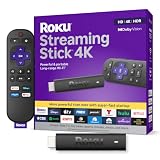
- Stunning 4K and Dolby Vision streaming made simple: With America’s number 1 TV streaming platform,* exploring popular apps—plus tons of free movies, shows, and live TV—is as easy as it is fun. *Based on hours streamed—Hypothesis Group
- Breathtaking picture quality: Stunningly sharp 4K picture brings out rich detail in your entertainment with four times the resolution of HD. Watch as colors pop off your screen and enjoy lifelike clarity with Dolby Vision and HDR10+.
- Seamless streaming for any room: With Roku Streaming Stick 4K, watch your favorite entertainment on any TV in the house, even in rooms farther from your router thanks to the long-range Wi-Fi receiver.
- Shows on the go: Take your TV to-go when traveling—without needing to log into someone else’s device.
- Compact without compromises: Our sleek design won’t block neighboring HDMI ports, so you can switch from streaming to gaming with ease. Plus, it’s designed to stay hidden behind your TV, keeping wires neatly out of sight
Merchandising, Spin-Offs, and Brand Longevity
The franchise upside extended well beyond ticket sales. The film’s characters, visual style, and comedic tone were tailor-made for toys, apparel, publishing, and animated series extensions. In a theatrical model, those downstream revenue streams typically expand with each sequel, reinforcing brand visibility between releases.
Netflix benefits from that cultural presence without monetizing it directly. Sony, by contrast, forfeited the chance to build a vertically integrated brand that could have lived across theaters, television, and consumer products under its own corporate umbrella.
A Decision Framed by Short-Term Risk, Not Long-Term Scale
Sony’s choice was understandable in the moment. The pandemic had destabilized theatrical economics, and selling to Netflix offered certainty in an uncertain market. What the deal couldn’t account for was upside: the compounding value of a hit that grows louder, more valuable, and more indispensable with time.
By prioritizing immediate balance-sheet stability over franchise cultivation, Sony traded a fixed payout for an unknowable ceiling. Netflix gained a culturally durable asset. Sony was left watching a potential cornerstone of its theatrical future flourish somewhere else.
Independent reader supportYour contribution helps us test, update, and keep practical guides available for everyone.Streaming vs. Studios: What This Deal Reveals About Power Shifts in Franchise Creation
Sony’s decision didn’t just cost it a hit. It exposed how dramatically the balance of power has shifted between traditional studios and deep-pocketed streaming platforms when it comes to birthing franchises.
What’s actually slowing this PC down?
Pick the symptom - the matching free tool is one click away.
For decades, studios controlled the full lifecycle of IP: theatrical launch, sequel cadence, ancillary revenue, and long-term brand stewardship. Streaming has disrupted that model by offering something studios increasingly struggle to guarantee in volatile markets—certainty.
Why Netflix Could Say Yes When Sony Hesitated
Netflix didn’t need The Mitchells to open big on opening weekend. It needed a movie that could drive sustained engagement, repeat viewing, and brand goodwill inside its ecosystem.
That distinction matters. Netflix could absorb creative risk because its success metrics aren’t tied to box office multiples or exhibitor relationships. If the film connected with audiences over weeks and months, it was already a win.
Sony, by contrast, had to evaluate the project through a theatrical lens shaped by pandemic-era uncertainty. Marketing costs, release windows, and the fear of an underperforming original animated film made the guaranteed Netflix check feel like the safer play.
Recommended Free Tools
The New Franchise Incubator Isn’t Theatrical Anymore
What The Mitchells demonstrated is that streaming platforms have become de facto incubators for modern franchises. They can launch IP globally, instantly, without regional rollout friction or opening-weekend pressure.
Once an IP proves itself culturally, its value compounds. Sequels feel safer. Spin-offs feel justified. Audience familiarity does the marketing work that studios once paid hundreds of millions to generate.
Netflix leveraged that dynamic perfectly. The Mitchells didn’t need to be a billion-dollar box office hit to become a billion-dollar idea. It simply needed to matter to viewers.
Ownership Without Exploitation Is Still Ownership
A key irony of the deal is that Netflix doesn’t monetize the franchise as aggressively as a studio would. There’s limited merchandising, no theatrical reissues, and fewer obvious consumer-product extensions.
Yet ownership alone carries enormous strategic weight. The IP strengthens Netflix’s animation brand, attracts top-tier creative talent, and reinforces its image as a place where original storytelling thrives.
Sony lost more than revenue streams. It lost leverage. In an industry where recognizable IP increasingly dictates negotiating power, ceding ownership means ceding future optionality.
A Cautionary Tale for Legacy Studios
The lesson isn’t that Sony made an irrational choice. It’s that legacy studios are being forced to make high-stakes decisions in compressed timeframes, often under market conditions that obscure long-term value.
Streaming platforms can afford patience. Studios, accountable to quarterly performance and theatrical optics, often cannot. That asymmetry is reshaping who gets to build franchises—and who merely supplies them.
Quick wins for a faster PC:
Repair Windows errors before they cause bigger problemsFix Now →Fix the driver behind crashes, sound loss and screen glitchesFind Drivers →Clear out junk files and repair common Windows errorsFree Scan →In gifting The Mitchells to Netflix, Sony didn’t just lose a movie. It underscored how easily a moment of caution can become a structural disadvantage in the modern franchise economy.
Best Value

- The Google TV Streamer (4K) delivers your favorite entertainment quickly, easily, and personalized to you[1,2]
- HDMI 2.1 cable required (sold separately)
- See movies and TV shows from all your services right from your home screen[2]; and find new things to watch with tailored recommendations for everyone in your home based on their interests and viewing habits
- Watch live TV and access over 800 free channels from Pluto TV, Tubi, and more[3]; if you find an interesting show or movie on your TV, mobile app, or Google search, you can easily add it to your watchlist, so it’s ready when you are[2]
- Up to 4K HDR with Dolby Vision delivers captivating, true-to-life detail[4]; and you can connect speakers that support Dolby Atmos for more immersive 3D sound
The Long-Term Cost to Sony: Lost Sequels, Merchandise, IP Control, and Cultural Ownership
Sony’s decision didn’t just close the door on a single theatrical release. It quietly forfeited an entire ecosystem of long-term value that typically defines modern animated franchises. In an era where the real money is made after the first hit, that loss compounds year after year.
Sequels That Build Value, Not Just Revenue
Animated franchises rarely peak with their first installment. They grow through sequels that deepen character attachment, expand worlds, and lower marketing risk with each entry. By transferring The Mitchells outright, Sony surrendered the ability to build a multi-film arc that could have delivered reliable theatrical and ancillary returns over a decade.
Sequels also stabilize studio slates. A proven animated follow-up can offset riskier bets elsewhere, something Sony Animation has historically relied on. Instead, that security now belongs to Netflix, which can deploy sequels strategically to drive subscriptions rather than box office volatility.
Free tools Windows power users keep installed
One-click scans. No signup required.
Merchandising: The Quiet Billion-Dollar Engine
Family animation thrives on merchandise in ways live-action franchises rarely do. Toys, apparel, home media, games, publishing, and theme integrations often outgross the films themselves over time. Even modestly scaled animated brands can generate enormous lifetime consumer-product revenue when ownership is retained.
By letting the IP go, Sony forfeited decades of downstream licensing opportunities. Netflix may not fully exploit merchandising today, but Sony lost the option entirely, and options are the most valuable currency in franchise economics.
IP Control and Strategic Leverage
Owning a successful animated property isn’t just about profit; it’s about bargaining power. Recognizable IP strengthens a studio’s hand in distribution negotiations, talent deals, co-productions, and even internal greenlighting decisions. It creates gravity that attracts creators and partners alike.
Without The Mitchells in its portfolio, Sony Animation lost a rare original success that wasn’t tethered to legacy branding. In a marketplace increasingly dominated by known quantities, that absence matters more than a single balance-sheet line item.
The Tool Desk
Outbyte PC Repair FREEClear out junk files and repair common Windows errorsFree Scan →Outbyte Driver Updater FREEFix the driver behind crashes, sound loss and screen glitchesFind Drivers →Cultural Ownership and Long-Term Relevance
Perhaps the most intangible loss is cultural authorship. The Mitchells became part of the streaming-era animation canon, referenced, memed, and emotionally adopted by a global audience. That cultural imprint now accrues to Netflix’s brand identity, not Sony’s.
Studios don’t just compete on revenue anymore; they compete on relevance. By stepping away at the moment of uncertainty, Sony allowed another company to claim ownership of a story that could have defined its animation output for a generation.
Lessons for Hollywood Going Forward: How One Miscalculation Redefined Modern Greenlighting
Sony’s decision to let The Mitchells vs. the Machines go was not reckless so much as emblematic of a broader industry blind spot. It reflected how traditional studios, conditioned by theatrical metrics and short-term balance sheets, struggled to value cultural breakout potential in an era defined by audience engagement and long-tail IP value. That gap in valuation is where Netflix won.
What makes the case so instructive is that the creative risk had already been taken. The film was finished, well-reviewed, and testing strongly with families. The remaining question was not whether it worked, but where its upside would be realized.
Theatrical Metrics Are No Longer the Sole Measure of Success
For decades, opening weekend box office determined a film’s fate and a studio’s confidence. In the streaming era, success is increasingly defined by longevity, repeat viewing, and brand attachment. Netflix understood that an animated family film could deliver value long after its debut, without the pressure of a global theatrical rollout.
Sony, by contrast, evaluated the project through a theatrical-risk lens at the worst possible moment. The result was a decision optimized for short-term certainty rather than long-term franchise building.
Ownership Matters More Than Ever in a Fragmented Market
The Mitchells case underscores a harsh truth for modern studios: distribution deals can solve immediate problems, but IP ownership solves future ones. Netflix didn’t just acquire a movie; it acquired a world, characters, and sequel potential that now live exclusively inside its ecosystem.
As competition intensifies, studios that retain ownership of original IP gain leverage across every vertical, from content strategy to talent relationships. Those that don’t are left renting relevance from others.
Creative Distinctiveness Is a Scarce Asset
In a marketplace saturated with sequels and reboots, original animation that connects across generations is increasingly rare. The Mitchells stood out visually, tonally, and emotionally in ways that algorithms struggle to replicate. That distinctiveness is precisely what made it valuable.
Sony’s miscalculation wasn’t about quality; it was about underestimating how hungry audiences and platforms are for something that feels new yet broadly accessible. Netflix recognized that hunger and moved decisively.
Risk Aversion Can Be More Expensive Than Risk-Taking
Ironically, Sony’s effort to minimize uncertainty may have produced a larger long-term loss than a theatrical gamble ever could. By offloading risk, the studio also offloaded upside, including sequels, merchandising, and cultural ownership that could have compounded for decades.
Hollywood’s next generation of executives will likely study this moment as a cautionary tale. In an era where franchises are born from audience connection rather than opening-weekend headlines, the greatest risk may be letting go too soon.
Outdated Drivers Are Slowing You Down
One free scan finds every outdated or missing driver and matches the right update for your exact hardware.Free scan · exact hardware matchPC Slower Than It Used to Be?
A free scan shows the junk files, broken settings and background clutter dragging Windows down - then fixes them in one click.Free scan · Windows 10 & 11The lesson is clear and increasingly unavoidable. In the streaming age, greenlighting is no longer just about avoiding failure; it’s about recognizing potential before someone else does. Sony blinked, Netflix didn’t, and a billion-dollar franchise changed hands without ever playing in a theater.
Quick Recap
Product prices and availability are accurate as of the date/time indicated and are subject to change. Any price and availability information displayed on Amazon at the time of purchase will apply.




