What’s actually slowing this PC down?
Pick the symptom - the matching free tool is one click away.
Saturday Night Live doesn’t often stop to look backward, which made the night it openly honored Catherine O’Hara feel quietly monumental. During the show’s 50th anniversary season, SNL carved out space to acknowledge one of comedy’s most influential shape-shifters, welcoming O’Hara back to Studio 8H not just as an alum, but as a pillar of modern sketch and character comedy. It wasn’t framed as nostalgia for nostalgia’s sake; it played like a long-overdue thank-you.
The tribute unfolded through a blend of pre-taped montage and on-air nods that traced O’Hara’s fingerprints across decades of television comedy. Clips pulled from her brief but impactful early-’80s SNL tenure sat comfortably alongside references to the fearless character work that later defined her career, from Second City Television to Schitt’s Creek. Fellow performers, both past and present, echoed the same sentiment: the show wouldn’t quite be what it is without the comedic language O’Hara helped write.
![Saturday Night Live 50th Anniversary Collection: Seasons One - Five [DVD]](https://m.media-amazon.com/images/I/41+XakhOIGL._SL160_.jpg)

A Tribute Rooted in SNL History
Why SNL chose that moment comes down to timing and legacy aligning. As the series marked its own half-century milestone, it looked to artists who expanded what sketch comedy could be, especially those whose influence outgrew their original run. O’Hara’s career, built on precision, empathy, and fearless absurdity, stands as proof that SNL’s reach extends far beyond its stage, and that some of its most important voices are still shaping comedy long after the applause fades.
From Second City to Studio 8H: Catherine O’Hara’s Deep Roots in Sketch Comedy
Long before Studio 8H became a touchstone in her story, Catherine O’Hara was already fluent in the language of sketch. Her comedic instincts were forged inside the fiercely collaborative ecosystem of Toronto’s Second City, where performers were expected to build characters from the inside out, not just land punchlines. That foundation shaped O’Hara into a performer who could make even the broadest satire feel human.
Recommended Free Tools
Second City and the Birth of a Character Specialist
O’Hara emerged from Second City in the early 1970s as part of a generation that redefined what sketch comedy could be. Alongside future legends like Eugene Levy, Andrea Martin, and John Candy, she helped turn improvisation into fully realized character work. The emphasis wasn’t on joke density, but on emotional specificity, a trait that would become her signature.
That ethos exploded into mainstream consciousness with Second City Television. On SCTV, O’Hara became indispensable, disappearing into exaggerated celebrities, melodramatic socialites, and absurd authority figures with uncanny precision. Her performances were fearless but grounded, often finding the joke in vulnerability rather than volume, a sensibility that quietly rewired sketch comedy for decades to come.
A Brief but Pivotal Stop at Saturday Night Live
When O’Hara joined Saturday Night Live in the early 1980s, the show itself was in flux. Her tenure was short, shaped by behind-the-scenes instability rather than a lack of creative fire, but its impact lingered far longer than the episode count suggests. Even in limited appearances, her approach stood out: fully committed characters who felt imported from a different, deeper comedic tradition.
That contrast is part of why SNL’s later tribute resonated. In revisiting O’Hara’s connection to the show, the anniversary celebration wasn’t just honoring her time on the cast, but acknowledging what she brought with her. She represented an alternative blueprint for sketch comedy, one rooted in ensemble trust, character immersion, and emotional truth.
Why Her Roots Still Matter to SNL
SNL has spent decades borrowing from the DNA of Second City, and O’Hara is one of its clearest connective threads. Many of the show’s most celebrated performers, from character-driven chameleons to subtle scene-stealers, owe a debt to the style she helped popularize. The tribute underscored that her influence isn’t confined to a single era or network.
By spotlighting O’Hara’s journey from Second City to Studio 8H, SNL effectively traced its own creative lineage. It was a reminder that some of the show’s most enduring ideas didn’t originate on its stage, but were refined there by artists who arrived already fully formed, carrying generations of comedy history with them.
Breaking Down the Tribute: Key Moments, Callbacks, and On‑Air Homages
The tribute unfolded with the kind of quiet confidence that mirrors O’Hara’s own comedic style. Rather than centering on a single sketch, SNL opted for a layered celebration, weaving her influence through multiple moments across the night. It felt less like a victory lap and more like a conversation between eras of comedy.
From the opening beats, the show made it clear this wasn’t about nostalgia alone. The homage framed O’Hara as a living throughline, someone whose work continues to inform how comedy is written, performed, and understood on the SNL stage today.
A Montage That Spanned Decades of Disguise
One of the evening’s most resonant moments came in the form of a career-spanning montage. Clips jumped effortlessly from her SCTV transformations to her brief SNL appearances, then outward to film and television roles that have become cultural shorthand. The editing emphasized her defining trait: complete disappearance into character.
What stood out was the absence of commentary over the footage. The tribute trusted the performances to speak for themselves, allowing the audience to track the evolution of her craft without being told what to feel. It was a subtle but telling choice, and one that echoed O’Hara’s own preference for letting character lead the joke.
Sketch Callbacks Without Imitation
Rather than direct impressions, the night featured sketches clearly built in O’Hara’s comedic key. Characters were heightened but emotionally specific, leaning into awkward sincerity and social overcommitment rather than punchline-driven chaos. Longtime viewers could recognize the influence without the show ever needing to spell it out.
In one ensemble sketch, performers lingered in discomfort, allowing scenes to breathe past the expected laugh. That patience felt intentional, a nod to the kind of comedy O’Hara pioneered, where humor emerges from commitment rather than volume. It was homage through structure, not mimicry.
Do these 3 things before closing this tab:
1Clear out junk files and repair common Windows errors2Scan for outdated or missing drivers - takes under a minute3Repair Windows errors before they cause bigger problemsWinks to Iconic Roles Beyond Studio 8H
The tribute also acknowledged the impossibility of separating O’Hara’s SNL legacy from her broader pop culture impact. Quick visual cues and throwaway lines referenced her most beloved roles, from frazzled yet fierce maternal figures to flamboyant, self-mythologizing icons of television. These moments landed as affectionate nods rather than forced callbacks.
What made them work was restraint. The show resisted the urge to turn her career into a checklist, instead letting references pass almost casually, trusting the audience to catch them. That confidence mirrored how deeply embedded O’Hara’s characters already are in the cultural imagination.
Generational Respect From the Current Cast
Perhaps the most meaningful homage came through the performances themselves. Several cast members appeared to consciously adjust their rhythms, opting for character-based humor over rapid-fire jokes. It suggested not just admiration, but study.
SNL has always been a place where influence is absorbed in real time, and this tribute made that process visible. By shaping sketches around O’Hara’s comedic sensibilities, the show wasn’t just honoring her past, but acknowledging her ongoing role in shaping what sketch comedy can still become.
The Characters That Changed Comedy: O’Hara’s Influence on SNL’s Comic DNA
Catherine O’Hara’s relationship with Saturday Night Live has always been less about tenure and more about transmission. She didn’t need years inside Studio 8H to leave a mark on it. Her approach to character, forged at Second City and refined on SCTV, quietly rewired what sketch comedy could prioritize: emotional truth over joke density, specificity over caricature.
Where SNL often celebrates sharp premises and fast reversals, O’Hara’s influence lives in the moments that linger. The tribute made clear that many of the show’s most enduring instincts owe something to her way of letting characters reveal themselves slowly, sometimes painfully, and always honestly.
Commitment as the Punchline
O’Hara’s characters rarely signal that they’re in on the joke. That full-bodied commitment, whether she’s playing a delusional socialite or a well-meaning figure unraveling in real time, became a foundational lesson for generations of sketch performers. Comedy doesn’t come from commentary, but from belief.
SNL’s tribute leaned into that principle by building sketches where escalation came from emotional overinvestment rather than absurd twists. The laughs arrived because performers stayed grounded, even as situations grew increasingly uncomfortable. That balance is pure O’Hara, and it’s now part of SNL’s creative muscle memory.
Quick wins for a faster PC:
Repair Windows errors before they cause bigger problemsFix Now →Scan for outdated or missing drivers - takes under a minuteDriver Scan →The Power of the Fully Formed Persona
Long before characters like Moira Rose became cultural landmarks, O’Hara was already demonstrating how specificity turns comedy into longevity. Her personas aren’t defined by a single trait, but by contradictions: confidence masking insecurity, elegance fighting chaos, self-mythology colliding with reality.
That DNA runs through some of SNL’s most beloved recurring characters across eras. The tribute subtly traced that lineage, reminding viewers that the show’s best creations don’t just generate laughs, they feel lived-in. O’Hara helped set that standard, even from outside the SNL walls.
Emotional Intelligence as a Comedic Tool
What separates O’Hara’s influence from mere stylistic homage is her emotional intelligence. She understands that comedy deepens when characters want something badly, even if they’re doomed to fail. That desire gives sketches weight without sacrificing humor.
During the tribute, several sketches hinged on characters misunderstanding themselves rather than the world around them. That inward focus echoed O’Hara’s work across decades, and highlighted how SNL continues to borrow from her playbook when it wants comedy that resonates beyond the immediate laugh.
Rank #3

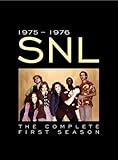
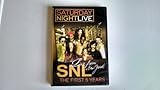
- 12 DVDs of the best episodes from Seasons 1-5. Plus a 28-Page Collector’s Book telling the story of the show and cast
- 33 episodes with the original groundbreaking, irreverent, hilarious cast. Plus rare footage of the cast, including screen tests and interviews
- All-time classic sketches including “Land Shark,” “Word Association,” “The Killer Bees,” “Super Bass-o-Matic,” “Weekend Update,” and so many more
- Iconic characters including Coneheads, Samurai, Emily Litella, Chevy Chase as President Ford, Shower Mike, The Blues Brothers, Baba Wawa, and more! You'll also recieve special episodes including Chevy Chase's return to SNL with music icon Billy Joel, plus the historic 100th episode!
- Guest Hosts include George Carlin, Richard Pryor, Steve Martin, Candice Bergen, Paul Simon, and more
An Invisible Architect of Modern Sketch Comedy
SNL’s tribute didn’t frame O’Hara as a guest from comedy’s past, but as an ongoing presence. Her influence exists in how performers build characters, how writers allow scenes to breathe, and how the show trusts audiences to laugh at recognition rather than exaggeration.
By centering the tribute on structure and performance rather than imitation, SNL acknowledged a deeper truth. Catherine O’Hara didn’t just create iconic characters. She helped shape the comedic language that SNL still speaks today.
Peer Praise and Industry Reverence: Why SNL Alumni and Current Cast Revere Her
If the tribute demonstrated Catherine O’Hara’s influence in craft, the response from SNL alumni and the current cast confirmed her status as a north star. O’Hara occupies a rare space in comedy: universally admired, deeply studied, and never reduced to nostalgia. For performers inside Studio 8H, she represents not just greatness, but possibility.
A Performer’s Performer
Ask SNL veterans why O’Hara matters, and the answer usually begins with her fearlessness. From her SCTV days onward, she committed fully to characters who were messy, delusional, tender, or all three at once. That kind of commitment is catnip for sketch performers, who recognize how difficult it is to make big choices feel human rather than cartoonish.
The Tool Desk
Outbyte PC Repair FREEClear out junk files and repair common Windows errorsFree Scan →Outbyte Driver Updater FREEFix the driver behind crashes, sound loss and screen glitchesFind Drivers →During the tribute, several alumni openly nodded to that influence in interviews and social media reactions. You could see it reflected in how sketches were played: no winking at the camera, no rushing to the punchline. That restraint is a form of respect, and it’s the same discipline O’Hara has modeled for decades.
The Bridge Between Generations of Comedy
What makes O’Hara especially revered at SNL is how seamlessly she connects comedy’s past and present. She’s a Second City and SCTV legend who never stopped evolving, finding new cultural relevance in films, prestige television, and eventually Schitt’s Creek. For a show that constantly balances legacy with reinvention, that arc is aspirational.
Current cast members, many of whom grew up watching Home Alone or Best in Show before discovering Moira Rose, see her as proof that comedic longevity doesn’t require dilution. The tribute’s blend of classic sketch structure and modern pacing mirrored that idea, positioning O’Hara as a throughline rather than a footnote.
Respect Without Imitation
Notably, SNL avoided direct impressions of O’Hara’s most famous characters. That restraint spoke volumes about how she’s regarded. Her work isn’t something to be replicated beat for beat; it’s something to be learned from.
Free tools Windows power users keep installed
One-click scans. No signup required.
Instead, the sketches borrowed her principles: emotional specificity, grounded absurdity, and characters who believe wholeheartedly in their own narratives. Alumni have long cited O’Hara as someone who elevated scenes simply by listening and responding honestly. That philosophy was embedded throughout the tribute, even when her name wasn’t explicitly invoked.
A Standard of Excellence, Not a Relic
Perhaps the clearest sign of O’Hara’s reverence is that SNL treated her not as a legacy act, but as a living benchmark. The tribute wasn’t about thanking her for past contributions so much as acknowledging her ongoing relevance. That distinction matters in a comedy ecosystem that often rushes to canonize before it fully understands influence.
For SNL performers, past and present, Catherine O’Hara represents the highest ideal of sketch comedy artistry. She’s proof that laughter can be precise, generous, and emotionally rich all at once. And in honoring her, SNL wasn’t just looking back, it was reaffirming the values it still strives to uphold.
Beyond Sketches: How O’Hara Redefined Television Comedy From the ’80s to Now
Catherine O’Hara’s influence has always extended far beyond the confines of a single sketch or stage. While SNL honored her roots in sketch comedy, the tribute also nodded to something larger: a performer who helped reshape what television comedy could be over four distinct decades. Her legacy isn’t just about being funny, it’s about expanding the emotional and tonal range of comedy itself.
Windows Errors? Fix Them Before They Spread
Repair common Windows errors and clear accumulated junk for a smoother, more stable PC - no reinstall needed.Free scan · no reinstallCrashes, No Sound, or Screen Glitches?
Random freezes, missing sound and display glitches usually trace back to one bad driver. Find and replace yours safely.Free scan · under a minuteFrom SCTV to the Emotional Center of Comedy
O’Hara emerged in the early ’80s through SCTV, a show that prized character depth over punchline density. Unlike many sketch performers of the era, she approached even the broadest roles with an actor’s seriousness, grounding absurdity in human behavior. That sensibility would become her calling card and a blueprint for modern television comedy.
SNL’s tribute reflected this lineage by emphasizing character-driven humor rather than celebrity impressions. Sketches leaned into emotional stakes, letting moments breathe instead of racing toward jokes. That pacing echoed the way O’Hara has always trusted audiences to find humor in authenticity.
The Bridge Between Sketch Comedy and Narrative Television
O’Hara was among the first sketch performers to seamlessly transition into narrative comedy without losing her edge. From Beetlejuice to Home Alone, she demonstrated that heightened characters could exist within structured storytelling. Those performances made her a familiar presence for generations who didn’t know her sketch roots but felt her comedic authority instinctively.
SNL subtly acknowledged this crossover during the tribute by blending traditional sketch formats with narrative arcs. Several segments played out more like short films than live sketches, mirroring how O’Hara’s career helped blur the line between sketch comedy and cinematic storytelling.
Moira Rose and the Reinvention of Late-Career Comedy
Schitt’s Creek didn’t just reintroduce O’Hara to a new audience, it reframed expectations around aging in comedy. Moira Rose was theatrical, ridiculous, and emotionally vulnerable, a character who could only exist because O’Hara refused to soften her instincts. The performance became a masterclass in fearless characterization.
SNL’s tribute drew clear inspiration from Moira’s influence without imitation. Characters spoke with heightened confidence, occupied space unapologetically, and embraced their own eccentricities. It was less about referencing Moira Rose directly and more about adopting the permission her success granted to be boldly specific.
A Lasting Blueprint for Modern Comedy Performers
What SNL ultimately celebrated was how O’Hara changed the ecosystem of television comedy. She proved that longevity doesn’t come from repetition, but from evolution rooted in craft. Her career charts a path from ensemble sketch work to prestige television without ever compromising comedic integrity.
By honoring her in this way, SNL wasn’t just spotlighting a beloved alumna-adjacent icon. It was recognizing an artist whose approach continues to shape how comedy is written, performed, and valued today.
What’s actually slowing this PC down?
Pick the symptom - the matching free tool is one click away.
Why This Tribute Hit Harder Than Most: Timing, Legacy, and Cultural Impact
The Right Tribute at the Right Moment
What made this tribute resonate wasn’t just affection, it was timing. O’Hara’s influence has never been more visible across television, with character-driven comedy once again dominating prestige and mainstream spaces. SNL tapped into that cultural moment, honoring her not as a nostalgic figure, but as a living blueprint for how comedy still works.
The show also understood that audiences now span generations who discovered O’Hara in wildly different ways. Some came in through Second City lore, others through Home Alone rewatches, and many through Schitt’s Creek. The tribute worked because it acknowledged all of those entry points without privileging one over the other.
Sketches That Reflected Her DNA, Not Just Her Resume
Rather than recreating iconic characters or leaning on impersonation, SNL structured its tribute around tone and sensibility. Several sketches centered on characters with unshakable self-belief, emotional sincerity buried beneath absurdity, and a willingness to commit past the point of comfort. That’s O’Hara’s comedic DNA, translated rather than copied.
A standout pre-taped segment leaned into slow-burn character escalation, allowing performers to fully inhabit heightened personas without rushing to punchlines. In live sketches, ensemble players gave each other space, letting reactions breathe and choices land organically. It echoed the kind of trust-based comedy O’Hara has championed her entire career.
Recommended Free Tools
Best Value
A Quiet Acknowledgment of Comedy’s Evolution
The tribute also functioned as an unspoken commentary on how comedy has evolved. O’Hara’s career bridged eras when sketch performers weren’t expected to have emotional depth and when television rarely made room for eccentric older women. By spotlighting her now, SNL acknowledged how much of that progress traces back to artists like her.
There was a noticeable absence of irony in the presentation. Instead, the show leaned into sincerity, craft, and respect for character work. That tonal shift mirrored the broader cultural reevaluation of comedy as something that can be both absurd and deeply human.
Why It Landed With Audiences Beyond SNL Devotees
For longtime fans, the tribute felt like overdue recognition. For newer viewers, it played as a masterclass in why O’Hara matters, even if they couldn’t immediately name every reference. Social media reaction reflected that dual response, with clips circulating alongside personal stories of discovering her work at different stages of life.
Ultimately, SNL didn’t just celebrate Catherine O’Hara the performer. It celebrated Catherine O’Hara the standard, a reminder that great comedy isn’t about chasing relevance, but about building something so specific and fearless that relevance eventually catches up.
Crashes, No Sound, or Screen Glitches?
Random freezes, missing sound and display glitches usually trace back to one bad driver. Find and replace yours safely.Free scan · under a minuteWindows Errors? Fix Them Before They Spread
Repair common Windows errors and clear accumulated junk for a smoother, more stable PC - no reinstall needed.Free scan · no reinstallThe Lasting Takeaway: What SNL’s Tribute Says About Catherine O’Hara’s Place in Comedy History
SNL’s tribute ultimately clarified something longtime fans have always known: Catherine O’Hara isn’t just influential, she’s foundational. The episode didn’t frame her as a nostalgic favorite or a legacy act, but as a living blueprint for how modern comedy still works. In doing so, SNL positioned her not on the sidelines of its history, but at the center of its creative lineage.
The choice to honor O’Hara now also felt intentional. In an era increasingly drawn to character-driven humor and emotional specificity, her approach feels less like a throwback and more like a guidepost. SNL wasn’t just looking backward, it was acknowledging who helped shape the language it still speaks.
A Performer Who Redefined What Sketch Comedy Could Be
O’Hara’s greatest contribution has always been her refusal to treat comedy as disposable. Her characters are ridiculous, but they’re never hollow, and SNL’s tribute mirrored that philosophy in sketches that prioritized commitment over quick laughs. Whether through prolonged silences, escalating confidence, or emotional overinvestment, the episode reflected her belief that comedy lands hardest when it’s taken seriously.
This is the sensibility that connects her work from SCTV to Beetlejuice to Schitt’s Creek. It’s also the sensibility that SNL continues to chase in its strongest moments. By leaning into that style, the show effectively traced its own best instincts back to O’Hara’s influence.
Why the Tribute Felt Like a Cultural Correction
For years, O’Hara’s impact has been widely felt but rarely formally acknowledged by institutions like SNL. The tribute corrected that omission without fanfare or self-congratulation. It trusted the work to speak for itself, much like O’Hara always has.
That restraint mattered. Instead of overexplaining her importance, the show demonstrated it through pacing, performance, and ensemble trust. The result was an episode that didn’t just tell audiences why Catherine O’Hara matters, but showed them.
A Legacy That Continues to Shape Comedy’s Future
What lingers most from SNL’s tribute is the recognition that O’Hara’s legacy isn’t finished. Her influence is visible in performers who favor character over catchphrases and sincerity over sarcasm. SNL’s current and future generations are clearly still learning from her playbook.
In the end, the tribute wasn’t about flowers or farewell. It was about acknowledgment. Catherine O’Hara’s place in comedy history is secure not because she adapted to the industry, but because the industry eventually adapted to her. SNL’s tribute made that truth unmistakably clear, and in doing so, honored not just a career, but a standard that continues to elevate comedy itself.
Quick Recap
Product prices and availability are accurate as of the date/time indicated and are subject to change. Any price and availability information displayed on Amazon at the time of purchase will apply.




