Jennifer Ouellette’s season-one review argues that A Knight of the Seven Kingdoms recaptures an appealing kind of Westeros storytelling: character-led, tightly paced and intimate, with a lighter tone that makes its tragic turns count. It is a critic’s enthusiastic judgment, not a claim of universal consensus. For viewers wondering whether a smaller story can feel compelling after Game of Thrones and House of the Dragon, Ouellette’s answer is yes.
What is A Knight of the Seven Kingdoms about?
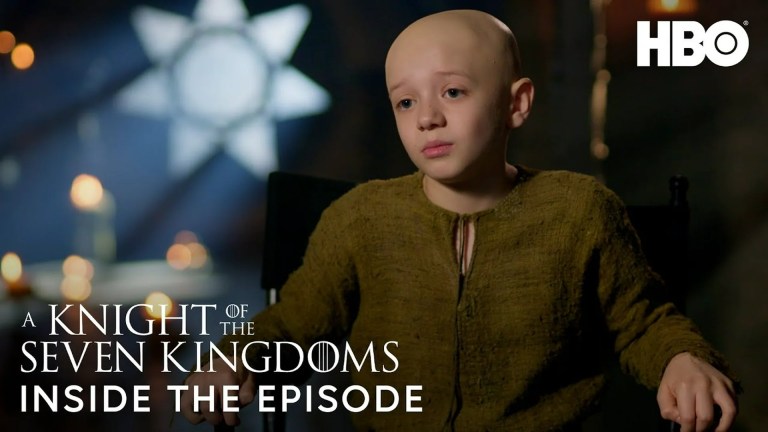
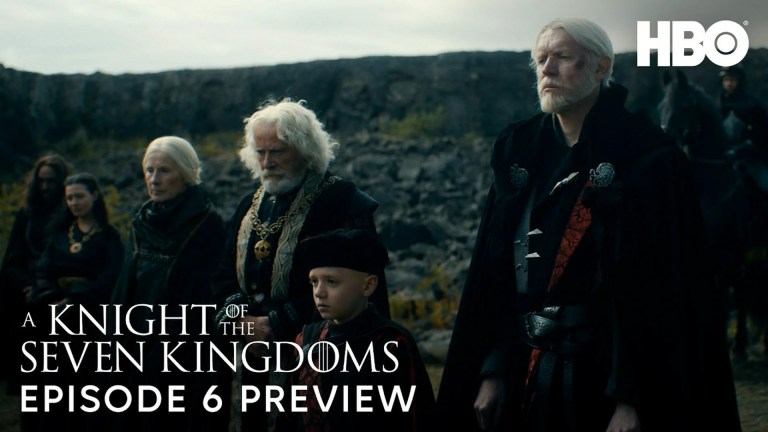
The HBO series adapts The Hedge Knight, the first novella in George R. R. Martin’s Tales of Dunk and Egg. Set roughly a century before Game of Thrones and more than fifty years after House of the Dragon, season one follows Ser Duncan the Tall—Dunk—after the death of his mentor, Ser Arlan. Dunk takes Arlan’s sword, shield and horses to a local tournament, where he meets Egg, a bald child who asks to become his squire. Their paths cross with Targaryens and other nobles gathered for the event.



Peter Claffey plays Dunk and Dexter Sol Ansell plays Egg. The supporting cast includes Daniel Ings as Lyonel Baratheon, Bertie Carvel as Baelor Targaryen and Finn Bennett as Aerion Targaryen, according to HBO’s press material.
Why does Ouellette think it works?
A compact story without padding
Ouellette’s central praise is that the season does not stretch its premise into an unnecessarily sprawling saga. Dunk’s immediate goal—a place in a tournament—and his emerging bond with Egg give the story a clear through-line. The close focus feels like a deliberate change of scale from the franchise’s wars, dynastic contests and sprawling casts, rather than a lesser imitation of them.
#1 Best Overall
The six-episode first season averages about 35 minutes per episode, according to the Associated Press in 2026. That short format suits a story built around a particular journey and tournament instead of a sprawling political campaign.
Dunk and Egg carry the series
Ouellette singles out Ansell’s Egg and the chemistry between Ansell and Claffey. Their pairing gives the series a sturdy character core: Dunk is inexperienced in the ways of noble society, while Egg is a child whose request to serve him raises questions about who he is and what he knows. The review’s enthusiasm rests less on spectacle than on watching the two learn how to travel and act together.
The tournament gives the smaller scale action
Jousting supplies a contained action set piece that suits this story’s scope. It brings physical danger and public status into the same arena: a tournament is entertainment for the gathered nobles, but it also tests the ambitions and loyalties of the people taking part. Ouellette sees that focused spectacle as one of the season’s strengths.
A lighter tone leaves room for tragedy
The series is lighter than its predecessors, in Ouellette’s reading, but not weightless. Comic and companionable moments make the unexpected turns more affecting; a gentler surface does not eliminate danger or loss. That contrast is central to her case that the show brings back a particular Westeros appeal through storytelling and character, rather than by simply repeating the earlier series’ darker mood.
Rank #3
How does it compare with Game of Thrones and House of the Dragon?
The useful comparison is not whether the new series can reproduce the scale of the other shows. It is what it chooses to emphasize. Game of Thrones is the distant setting reference; House of the Dragon is closer in the fictional timeline, but the cited reviews frame A Knight of the Seven Kingdoms as a smaller, more character-focused experience. Its tournament, travel and two central leads make the shift in scope visible from the start.
The tone is also a point of distinction. Ouellette welcomes the lighter approach and argues that it makes the tragic turns land. Sarah Larson’s New Yorker review likewise highlights the leads and small scale, calling the show a “gentle buddy dramedy,” but objects to aspects of its crude humor and treatment of women. These are different critical responses, not evidence of a shared audience verdict: Ouellette is more consistently enthusiastic, while Larson’s reservations point to elements some viewers may find off-putting.
Rank #4
Is the first season a complete starting point?
Yes: season one adapts the first Dunk and Egg novella, The Hedge Knight, and follows Dunk’s arrival at a tournament and his meeting with Egg. Its six episodes make it a short entry point into Westeros, especially for viewers who want a focused story rather than a long run of episodes. Readers who want the source material can look for The Hedge Knight or the collected Tales of Dunk and Egg.
Independent reader supportYour contribution helps us test, update, and keep practical guides available for everyone.What comes next?
A second season has been renewed and is based on Martin’s novella The Sworn Sword. In an Associated Press interview published June 12, 2026, showrunner Ira Parker said, “If anything, I’d say Season 2 might feel even smaller.” The AP reported that production was underway in Gran Canaria at that time; that is a dated production update, not a release-date announcement.
Best Value
HBO’s pressroom announced the series’ January 18 debut and describes it as an HBO original adaptation. Ouellette’s review, published after the first-season finale on February 23, 2026, said all first-season episodes were streaming on HBO. Catalogs and service names vary by territory and can change, so check the current HBO or HBO Max listing for your location before watching.
Quick Recap
Product prices and availability are accurate as of the date/time indicated and are subject to change. Any price and availability information displayed on Amazon at the time of purchase will apply.