Outdated Drivers Are Slowing You Down
One free scan finds every outdated or missing driver and matches the right update for your exact hardware.Free scan · exact hardware matchWindows Errors? Fix Them Before They Spread
Repair common Windows errors and clear accumulated junk for a smoother, more stable PC - no reinstall needed.Free scan · no reinstall“Sussex” is Meghan’s ducal title, not a surname established by the Royal Family’s official information. She is styled the Duchess of Sussex. Royal naming separates that kind of title from the Royal House name, Windsor, and from Mountbatten-Windsor, a surname designated for certain descendants of Elizabeth II when they need one.
Is Meghan Sussex her surname?
The Royal Family lists Meghan’s titles as the Duchess of Sussex, Countess of Dumbarton and Baroness Kilkeel, which Queen Elizabeth II gave to her and Prince Harry on their wedding day. “Sussex” is the territorial designation in her ducal title; the official profile does not identify it as her surname. “Meghan Markle” remains a familiar public name, while “Meghan, Duchess of Sussex” is a clear form to use when her title is relevant. The sources cited here do not establish her current legal surname or what appears on personal identity documents.
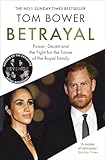


The Royal Family’s profile of the Duke and Duchess of Sussex also styles their children Prince Archie of Sussex and Princess Lilibet of Sussex. Those titles do not, by themselves, establish Sussex as the children’s surname.
How royal house names, surnames and titles differ
These names answer different questions. A royal house name identifies the dynasty; a surname is a family name that may be used when needed; a peerage title such as Duchess of Sussex is a rank and territorial designation. They are not interchangeable. The Royal Family explains that members may be known by the Royal House name, by a surname, or sometimes without a surname.
#1 Best Overall
- Royal House name: Windsor is the name of the Royal House.
- Surname when needed: Mountbatten-Windsor is specified for certain descendants of Elizabeth II.
- Title: Duchess of Sussex is Meghan’s title, not evidence of a surname.
Members styled Prince or Princess generally do not need a surname, according to the Royal Family’s explanation of its name. Mountbatten-Windsor may be used when a surname is required, including in some circumstances on marriage.
Why do some royals use Mountbatten-Windsor?
Windsor became the Royal House name in 1917
George V adopted Windsor in 1917 as both the Royal House name and the family surname. The choice followed anti-German feeling during the First World War and was taken from Windsor Castle. After her accession in 1952, Elizabeth II confirmed Windsor as the Royal Family name.
Elizabeth II specified Mountbatten-Windsor in 1960
In 1960, Elizabeth II and the Duke of Edinburgh wanted their direct descendants to be distinguishable from the wider Royal Family without changing the House name. A Privy Council declaration specified Mountbatten-Windsor for certain descendants: those not holding the style of Royal Highness and the title of Prince or Princess, and female descendants who marry. The name reflected Prince Philip’s surname, which he assumed when he became a naturalised British subject in 1947.
The Royal Family says Mountbatten-Windsor first appeared on an official document in Princess Anne’s marriage register at Westminster Abbey on 14 November 1973. The College of Arms’ summary also describes the distinction between Windsor as the Royal House name and Mountbatten-Windsor for relevant descendants who need a surname.
Rank #3

- Book - diana: her true story--in her own words
- Language: english
- Binding: paperback
Does the royal naming declaration settle legal surnames?
No. The Royal Family says the declaration on the Royal Family name is not statutory: unlike an Act of Parliament, it does not become law and does not bind future sovereigns. That qualification concerns the royal naming declaration; it does not answer every individual legal-name question in every jurisdiction. In particular, Meghan’s title is not enough to determine her current legal surname.
There is a separate, narrower issue for commercial use in the UK. The UK Intellectual Property Office’s trade mark examination guidance says names or titles that suggest royal patronage may be objectionable and that registration may require consent. Its guidance includes the Duke and Duchess of Sussex and their children among members treated as Royal Family for this purpose. This concerns UK trade mark registration, not a blanket rule for editorial, personal or all commercial references.
Quick Recap
Rank #4
Product prices and availability are accurate as of the date/time indicated and are subject to change. Any price and availability information displayed on Amazon at the time of purchase will apply.




