For fans who showed up and rolled the dice on the original live-action fantasy adaptation, the wait for a sequel has felt unusually long, even by modern franchise standards. The first film proved the property could work outside animation and imagination-heavy source material, earning strong audience goodwill and the kind of cultural momentum studios usually chase. Yet in the years since, progress toward a follow-up seemed to stall just as excitement peaked.
The delay wasn’t about a lack of interest from viewers, but rather a convergence of industry realities. Shifting studio leadership, evolving franchise strategies, and the post-pandemic box office recalibration all played a role in slowing momentum. Even creative teams who wanted to return found themselves waiting on the right financial model and long-term plan before cameras could roll again.
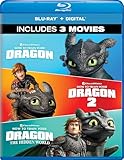


That’s why the latest sequel update matters so much. With the studio now confirming the project is officially back in active development, the film is no longer trapped in “we’ll see” limbo. For fans, it signals confidence in the world-building and tone of the original, and for the franchise, it suggests a future that’s being mapped with intention rather than hesitation.
The Sequel Update Explained: What the Studio Has Officially Confirmed
The most important takeaway from the studio’s latest statement is simple and reassuring: the sequel is officially in active development. This isn’t a vague expression of interest or a hopeful “when schedules align” promise. According to the studio, the follow-up has moved into the formal development pipeline, complete with a creative roadmap and internal momentum.
Do these 3 things before closing this tab:
1Clear out junk files and repair common Windows errors2Scan for outdated or missing drivers - takes under a minute3Repair Windows errors before they cause bigger problems#1 Best Overall

- Runtime: 126 minutes
For fans who have been parsing silence for years, that distinction matters. Active development signals that the sequel is no longer a passion project waiting for permission, but a film the studio has committed resources to moving forward.
What “Active Development” Actually Means
The studio confirmed that a screenplay is currently in progress, with the intent to build directly on the tone and world established in the first live-action film. While no draft has been publicly dated, executives described the story as a continuation rather than a soft reboot, emphasizing character progression and expanded mythology.
This approach suggests the sequel won’t backtrack or overcorrect. Instead, it aims to reward viewers who embraced the original by deepening the fantasy elements that worked, rather than simplifying them for broader appeal.
Key Creative Figures Are Expected to Return
While contracts are still being finalized, the studio acknowledged that conversations are underway with core creative talent from the first film. That includes producers closely associated with the adaptation’s visual style and tonal balance, which many fans credited for making the transition to live action feel authentic.
Though no casting confirmations were announced, the studio strongly implied continuity is a priority. That reassurance goes a long way for audiences invested in the characters, not just the spectacle.
Why the Studio Is More Confident This Time
The renewed push comes after a careful reassessment of the franchise’s long-term value. Executives pointed to sustained streaming performance, consistent home media engagement, and strong fan response as indicators that interest never faded, it simply went underserved.
In a market now more cautious about launching new universes, the studio appears to see this fantasy world as a proven asset rather than a gamble. That shift in perception is arguably the most meaningful update of all.
What This Means for the Release Timeline
No release window has been announced, and the studio was careful not to overpromise. However, development insiders indicated that the goal is to move efficiently once the script locks, avoiding the prolonged gaps that stalled the sequel’s momentum in the past.
Realistically, fans shouldn’t expect cameras to roll immediately, but the confirmation places the film on a tangible trajectory. For the first time since the original’s release, the sequel feels less like a question mark and more like a matter of when, not if.
Why Fans Are Celebrating: How the News Addresses Long-Standing Concerns
For longtime supporters of the original fantasy film, this update lands as more than routine sequel chatter. It directly responds to anxieties that have lingered for years, particularly around whether the studio truly understood what made the first adaptation resonate in the first place.
Rather than offering vague enthusiasm, the announcement addressed specific creative and logistical worries. That level of transparency is exactly what fans have been asking for since the sequel first slipped into uncertainty.
Faithfulness Over Reinvention
One of the loudest concerns among fans was the fear of a tonal reset, a sequel that might strip away the mythic weight and emotional sincerity in favor of broader, safer storytelling. The studio’s emphasis on continuity and character progression signals a clear rejection of that approach.
Quick wins for a faster PC:
Repair Windows errors before they cause bigger problemsFix Now →Scan for outdated or missing drivers - takes under a minuteDriver Scan →By framing the sequel as an expansion rather than a correction, the creative direction reassures audiences that the heart of the original fantasy remains intact. For fans who connected deeply with the world and its rules, that promise carries real weight.
Creative Continuity Eases Trust Issues
Franchise fans are often skeptical when sequels stall, especially when behind-the-scenes turnover becomes a possibility. The acknowledgment that key creative figures are being prioritized goes a long way toward restoring confidence.
Even without signed deals announced, the studio’s messaging suggests an understanding that this fantasy world works because of specific artistic voices. That awareness helps counter fears of a sequel shaped by committee rather than conviction.
Proof the Franchise Was Never “Cold”
Another lingering concern was the assumption that the first film’s momentum had faded beyond recovery. By citing concrete performance metrics, the studio effectively reframed the narrative: interest didn’t disappear, it was simply left untapped.
The Tool Desk
Outbyte Driver Updater FREEScan for outdated or missing drivers - takes under a minuteDriver Scan →Outbyte PC Repair FREEClear out junk files and repair common Windows errorsFree Scan →For fans, this validation matters. It confirms that their continued enthusiasm wasn’t isolated or ignored, and that the sequel isn’t being revived out of nostalgia alone, but out of measurable demand.
A Real Path Forward, Not Another False Start
Perhaps the most encouraging aspect of the update is the sense of forward motion without reckless promises. Fans have seen too many fantasy sequels announced prematurely, only to vanish into development limbo.
This time, the studio’s cautious but deliberate language suggests lessons have been learned. While patience is still required, the sequel now feels anchored to a plan, addressing the single biggest concern fans had left: whether it would ever truly happen at all.
Creative Direction and Creative Team: Who’s Steering the Franchise This Time
The most reassuring element of the sequel update isn’t just that it’s moving forward, but who is shaping it. According to the studio, the sequel is being developed with a deliberate emphasis on creative continuity, keeping the same foundational voices involved rather than rebooting the process from scratch.
Free tools Windows power users keep installed
One-click scans. No signup required.
That choice signals confidence in what already worked. Instead of chasing trends or overcorrecting perceived flaws, the sequel appears designed to deepen the existing mythology with a steady, familiar hand at the wheel.
A Director Who Understands the World
While contracts are still being finalized, the studio has strongly indicated its intention to retain the original director or at least preserve their creative blueprint. That matters in a fantasy franchise where tone, pacing, and visual language are inseparable from the story itself.
Fans responded to the first film not just because of its plot, but because of how its world felt lived-in and emotionally grounded. Maintaining that directorial sensibility helps ensure the sequel expands the universe without losing its identity.
Writing the Sequel as Expansion, Not Reinvention
Equally important is the approach to the script. Sources close to the project describe the sequel as a narrative continuation built on established character arcs, rather than a standalone adventure designed to reset the stakes.
What’s actually slowing this PC down?
Pick the symptom - the matching free tool is one click away.
This suggests returning writers or at least close collaboration with the original creative team. For fans invested in character growth and internal logic, that commitment reinforces the idea that the sequel respects what came before instead of rewriting it.
Producers Playing the Long Game
Behind the camera, the producer lineup appears focused on franchise longevity rather than quick returns. The studio has emphasized careful world-building and measured pacing, positioning the sequel as a cornerstone for potential future installments rather than a one-off follow-up.
That strategy reflects a broader shift in how studios treat fantasy properties. Instead of rushing content to fill release slots, the emphasis here is on sustainability, consistency, and audience trust.
What This Means for the Timeline
With the creative team largely aligned, the sequel’s development timeline feels more realistic than speculative. The studio has avoided announcing firm dates, but industry expectations point toward a production window once scripts and talent deals are fully locked.
For fans, that restraint is a positive sign. It suggests the sequel won’t be forced forward prematurely, and that when cameras do roll, it will be with a creative team unified around the same vision that made the original fantasy film resonate in the first place.
Story Possibilities: How the Sequel Could Expand the Fantasy World
With the creative foundation now firmly in place, attention naturally turns to where the story could go next. The first film established a self-contained journey, but it also hinted at a much larger mythology operating just beyond the edges of the frame. A sequel has the opportunity to widen that scope without sacrificing the intimacy that fans connected with.
Rather than escalating purely through spectacle, the most compelling path forward lies in deepening the rules, histories, and emotional consequences of this fantasy world. Expansion, in this case, doesn’t mean louder or busier. It means richer.
Unexplored Realms and Hidden Histories
One of the most intriguing possibilities is geographical expansion. The original film largely confined itself to a specific region, allowing production design and tone to remain focused. A sequel could organically introduce new lands, cultures, or factions that were previously referenced only in passing, making the world feel broader without overwhelming the narrative.
These new settings could also carry their own histories tied to the central conflict. Ancient alliances, forgotten wars, or lost magic systems offer storytelling fuel that feels earned rather than convenient. For fans, that kind of lore expansion reinforces the sense that this world existed long before the camera arrived.
Character Growth Through Consequence
Story-wise, the sequel is well-positioned to explore the fallout of the first film’s events. Victories in fantasy often come with costs, and leaning into those consequences adds emotional weight. Characters who survived, changed, or made morally difficult choices now have to live with them.
This approach allows the sequel to deepen relationships rather than reset them. Whether that means strained alliances, evolving mentorships, or unexpected leadership roles, the narrative can grow alongside its characters. That continuity is exactly what long-time fans hope to see.
Expanding the Mythology Without Overexplaining
A common pitfall for fantasy sequels is overexposure. The smartest expansions leave some mystery intact. The sequel could introduce new magical elements or ancient forces without fully demystifying them, preserving the sense of wonder that defined the original.
Crashes, No Sound, or Screen Glitches?
Random freezes, missing sound and display glitches usually trace back to one bad driver. Find and replace yours safely.Free scan · under a minuteWindows Errors? Fix Them Before They Spread
Repair common Windows errors and clear accumulated junk for a smoother, more stable PC - no reinstall needed.Free scan · no reinstallBy revealing just enough to recontextualize what audiences thought they understood, the story can feel both expansive and cohesive. It’s a strategy that rewards attentive viewers while keeping the world approachable for newcomers.
Setting the Stage for a Larger Saga
Importantly, any story expansion appears designed to open doors rather than close them. The sequel doesn’t need to resolve every thread; it needs to define the shape of the larger conflict. That could mean introducing a looming antagonist, a fractured power structure, or a prophecy whose implications stretch far beyond a single film.
For the franchise, this kind of narrative positioning matters. It signals that the sequel isn’t just a follow-up, but a bridge to something bigger. And for fans who have waited patiently for meaningful updates, that promise of a living, growing fantasy world is exactly the kind of news worth getting excited about.
From Cult Favorite to Franchise Bet: The First Film’s Legacy and Performance
When the live-action adaptation first arrived, expectations were cautiously optimistic rather than sky-high. Fans of the original fantasy film carried deep emotional attachments, while skeptics questioned whether its stylized world and mythic tone could translate convincingly into live action. What followed was not an instant blockbuster phenomenon, but something arguably more valuable in the long run.
Recommended Free Tools
A Reception That Grew Over Time
Critically, the film landed in solid-if-not-spectacular territory, with praise aimed at its world-building, production design, and respect for the source material. Some narrative rough edges and pacing issues kept it from universal acclaim, but audiences responded strongly to its sincerity. Word of mouth played a major role in reframing the film as a passion-driven adaptation rather than a cynical cash-in.
In the months following its release, the movie’s reputation improved significantly. Streaming performance and home media sales revealed sustained interest, particularly among younger viewers discovering the story for the first time and longtime fans eager to revisit the world. That longevity mattered more than opening-weekend headlines.
Box Office Context, Not Just Raw Numbers
Financially, the film performed modestly by tentpole standards, but well within the range of a calculated franchise starter. Its budget-to-return ratio signaled stability rather than risk, especially for a fantasy property without the built-in dominance of a superhero brand. International markets, in particular, showed steady engagement, reinforcing its global appeal.
Studios increasingly weigh consistency and audience retention alongside pure box office totals. In that context, the film proved it could hold attention, attract repeat viewers, and justify further investment. That’s the kind of performance that quietly greenlights future chapters.
Recommended Free Tools
Why the Studio Never Let It Go
Perhaps the clearest indicator of the film’s legacy is that it was never treated as a one-and-done experiment. Creative leads continued to speak openly about long-term plans, and the studio maintained control of the property instead of shelving it. Merchandise, expanded media discussions, and ongoing fan engagement kept the world alive between official updates.
For fans, that persistence mattered. It signaled belief not just in a sequel, but in the idea that this fantasy universe could grow into something enduring. The recent sequel update doesn’t come out of nowhere—it’s the payoff to years of steady, deliberate confidence in the film’s foundation.
Independent reader supportYour contribution helps us test, update, and keep practical guides available for everyone.Release Timeline and Production Outlook: When Cameras Could Roll
With the sequel update now out in the open, the most pressing question for fans is simple: how soon can this actually happen? The encouraging answer is that the project appears to be further along than many long-dormant fantasy follow-ups typically are at this stage. This isn’t a case of a studio casually floating an idea—it’s a sequel that has quietly been kept warm.
Development Status: Past the “Talking About It” Phase
According to the update, the sequel remains in active development, with the creative team still aligned around the same long-term vision discussed during the first film’s release cycle. That continuity matters. When key creative voices stay attached over multiple years, it usually indicates that story work has progressed beyond vague outlines and into draft-level planning.
Best Value
Industry patterns suggest that a project described this way is likely in late development rather than early ideation. While no start date has been formally announced, the language used by those involved points toward preparation, not reinvention. For fans burned by fantasy sequels that endlessly reset, this is a reassuring signal.
Scheduling, Scale, and the Reality of Fantasy Production
Fantasy films of this scale require longer lead times than standard studio releases. Extensive world-building, visual effects planning, and location coordination all push timelines outward, even when a sequel is fully greenlit. If pre-production were to begin within the next year, cameras rolling the following year would be a realistic expectation rather than an optimistic stretch.
The upside is that the first film already laid much of the groundwork. Sets, design language, creature concepts, and tonal rules don’t need to be reinvented. That familiarity can significantly streamline production, allowing the sequel to move faster than an entirely new fantasy property would.
What the Window Looks Like for a Release
Assuming a traditional production and post-production cycle, a theatrical release roughly two to three years after cameras roll would align with modern fantasy tentpoles. That places the sequel squarely within a timeframe that rewards patience without testing it. For a franchise built on longevity rather than flash, that pacing feels deliberate rather than delayed.
Do these 3 things before closing this tab:
1Repair Windows errors before they cause bigger problems2Scan for outdated or missing drivers - takes under a minute3Clear out junk files and repair common Windows errorsMore importantly, the studio’s apparent willingness to wait for the right moment suggests confidence, not hesitation. Instead of rushing a sequel to chase trends, the approach implies an emphasis on getting the next chapter right. For fans invested in the world and its characters, that kind of timeline is exactly the update they’ve been hoping to hear.
What This Means for the Franchise’s Future: Sequels, Spin-Offs, and Longevity
The most encouraging takeaway from this sequel update is that it reframes the live-action adaptation not as a one-off experiment, but as the foundation of a longer-term franchise plan. When studios commit to continuity in talent and tone at this stage, it signals belief in the world itself, not just the box office performance of a single film. That distinction matters, especially for fantasy properties that thrive on cumulative storytelling.
Rather than treating the sequel as a corrective or a soft reboot, the language surrounding development suggests expansion. The story appears positioned to build outward, deepening mythology and character arcs instead of starting over. For fans of the original film, that approach honors what already worked while allowing room for evolution.
Sequel Potential Without Franchise Fatigue
One of the biggest risks with fantasy adaptations is overextension, but the current trajectory points toward a measured rollout. A second film that advances the narrative in meaningful ways creates momentum without exhausting the audience. It also gives the creative team space to assess how much story remains best suited for theatrical releases versus other formats.
Crashes, No Sound, or Screen Glitches?
Random freezes, missing sound and display glitches usually trace back to one bad driver. Find and replace yours safely.Free scan · under a minuteWindows Errors? Fix Them Before They Spread
Repair common Windows errors and clear accumulated junk for a smoother, more stable PC - no reinstall needed.Free scan · no reinstallIf the sequel lands successfully, it opens the door for a structured trilogy rather than an open-ended sprawl. That kind of finite planning often results in stronger storytelling, clearer thematic payoffs, and a more satisfying journey for viewers. Longevity, in this case, comes from intention rather than sheer volume.
Spin-Off Opportunities and World Expansion
Beyond direct sequels, the established world offers clear spin-off potential if the studio chooses to pursue it. Side characters, unexplored regions, or parallel storylines could translate well into limited series or standalone features without diluting the core narrative. Importantly, those possibilities don’t appear to be driving the sequel itself, which keeps the main storyline from feeling like a setup exercise.
Studios are increasingly cautious about expanding too fast, and this project seems aligned with that lesson. Any spin-offs would likely come after the sequel proves the franchise’s staying power. For fans, that restraint is reassuring, suggesting quality control remains a priority.
A Franchise Built for the Long Term
Taken together, the update paints a picture of a fantasy franchise designed to grow steadily rather than burn brightly and fade. Careful scheduling, retained creative leadership, and an emphasis on narrative continuity all point toward sustainability. That’s a rare combination in modern franchise building, where urgency often overrides patience.
If the sequel delivers on its promise, it could cement this adaptation as a lasting fixture rather than a nostalgic novelty. For audiences who connected with the original film’s world and tone, that’s the best possible outcome. The future being hinted at isn’t rushed, but it is real, and that alone makes this update the one fans have been waiting for.
Quick Recap
Product prices and availability are accurate as of the date/time indicated and are subject to change. Any price and availability information displayed on Amazon at the time of purchase will apply.




