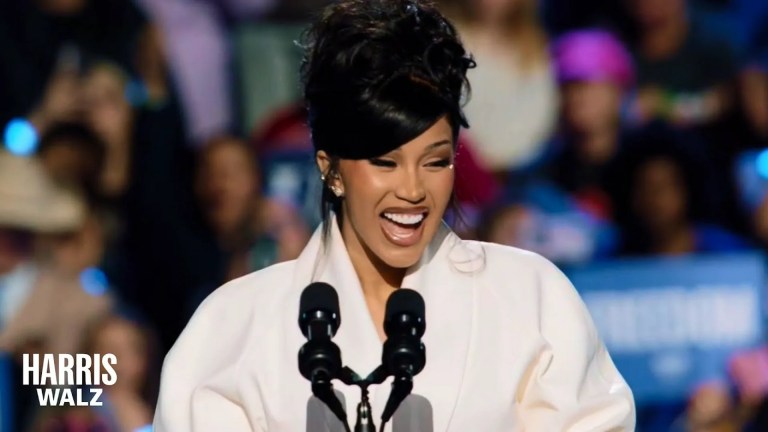
Kamala Harris’s first official video of her 2024 presidential campaign was released on July 25, 2024, less than a week after Joe Biden withdrew from the race and Harris said she would seek the Democratic nomination. Set to Beyoncé’s “Freedom,” the 1-minute-19-second spot framed the election as a choice between chaos and fear or a future grounded in rights and everyday concerns.
What was Harris’s first 2024 campaign ad?
The Harris for President campaign released the video on Thursday morning, July 25, 2024. It arrived during the campaign’s rapid launch after Biden’s withdrawal and Harris’s entry into the nomination contest. The campaign said the video would appear across its social media platforms; that initial distribution description does not establish that this particular spot was a broadcast television ad.
| # | Preview | Product | Price | |
|---|---|---|---|---|
| 1 |

|
The Element Of Freedom | $35.14 | Buy on Amazon |
| 2 |

|
Lemonade (Limited Edition Yellow Colored Double LP) | $45.61 | Buy on Amazon |
The 1-minute-19-second video included footage from Harris’s first rally as a 2024 candidate, held in Milwaukee on Tuesday, July 23. In one scene, the crowd chants her name. Rolling Stone Canada’s report on the ad describes its length, rally footage and planned social-media distribution.
What does the video show and say?
The spot opens on Harris behind a podium, alongside her name and the American flag, as “Freedom” begins. Harris asks, “In this election we each face a question. What kind of country do we want to live in?” The narration sets “chaos,” “fear” and “hate” against an alternative she names as freedom.
Crashes, No Sound, or Screen Glitches?
Random freezes, missing sound and display glitches usually trace back to one bad driver. Find and replace yours safely.Free scan · under a minuteWindows Errors? Fix Them Before They Spread
Repair common Windows errors and clear accumulated junk for a smoother, more stable PC - no reinstall needed.Free scan · no reinstall#1 Best Overall
- Ships in Certified Frustration-Free Packaging
Images of Trump and JD Vance, rallygoers and people at home, at work and at a doctor’s office accompany the speech. A woman wearing an obstetrics lab coat connects the video’s imagery to reproductive healthcare. Harris ties its call to freedom to specific concerns: safety from gun violence, control over one’s own body, child poverty, the cost of healthcare and the rule of law.
The ad’s words, “We choose freedom,” serve as its central refrain. It closes by inviting viewers to join the campaign and with the line, “Because when we fight. We win.” Both are dialogue spoken in the video, transcribed by The Guardian’s July 25, 2024 report.
Why use Beyoncé’s “Freedom”?
The song gave the launch video a repeated musical and verbal anchor: Harris’s message about choosing freedom echoed the title of the track playing beneath it. It was not a new musical choice for the campaign. Harris had already used “Freedom” at her campaign headquarters in Delaware and at the Milwaukee rally shown in the video, making the song part of the campaign’s launch-period sound.
“Freedom,” featuring Kendrick Lamar, appears on Beyoncé’s 2016 album Lemonade. The track’s musical background also carries historical associations. The Guardian describes sampled material that includes a lining hymn associated with Black church call-and-response singing and a song performed by a prisoner at Mississippi State Penitentiary. Forbes identifies the latter as Alan Lomax’s 1947 recording “Stewball” and another sampled recording as a 1959 hymn performance by Reverend R.C. Crenshaw. Those are reported details about the samples, not a reason to treat every broader interpretation of the song as settled fact.
The Tool Desk
Outbyte PC Repair FREEClear out junk files and repair common Windows errorsFree Scan →Outbyte Driver Updater FREEFix the driver behind crashes, sound loss and screen glitchesFind Drivers →Did Beyoncé endorse Harris?
Contemporary reports said Beyoncé or her representatives approved the campaign’s use of “Freedom.” Axios relayed CNN’s report that approval came from Beyoncé’s representatives, while the Associated Press later reported that a campaign official, speaking anonymously, confirmed permission. Axios’s July 23 report covered the reported approval; the AP account was republished by ABC17.
Permission to use a song is not the same thing as a public endorsement. The Guardian noted that Beyoncé had not publicly endorsed Harris when the ad launched, while observing that some might view the reported permission as a tacit signal of support. The distinction matters: reporting established authorization, but no direct, on-record Beyoncé statement specifically approving the ad was reported at launch.
How the campaign framed the stakes
The campaign described the ad as underscoring Americans’ rights and freedoms. In a statement reproduced by Rolling Stone Canada, it called those rights and freedoms “the core issue at stake this November.” That is the campaign’s framing, not a neutral description of the election. The video’s own argument is more concrete: it links that framing to bodily autonomy, gun safety, poverty, healthcare costs and the rule of law.
Quick Recap
Product prices and availability are accurate as of the date/time indicated and are subject to change. Any price and availability information displayed on Amazon at the time of purchase will apply.
Do these 3 things before closing this tab:
1Repair Windows errors before they cause bigger problems2Scan for outdated or missing drivers - takes under a minute3Clear out junk files and repair common Windows errors