The Tool Desk
Outbyte PC Repair FREEClear out junk files and repair common Windows errorsFree Scan →Outbyte Driver Updater FREEScan for outdated or missing drivers - takes under a minuteDriver Scan →When Death of a Unicorn first landed on HBO Max, it did so with little fanfare, quietly joining the platform’s ever-expanding library of indie-leaning genre films. The darkly comic fantasy didn’t arrive as a headline-grabber, but in recent weeks it has climbed into HBO Max’s most-watched rankings, catching even industry watchers off guard. That sudden reappearance raises a familiar streaming-era question: why this movie, and why now?
A major part of the answer is Jenna Ortega’s accelerating cultural momentum. As her post-Wednesday career continues to shape her into one of streaming’s most reliable attention drivers, curious viewers are backtracking through her filmography, even the titles that once slipped under the radar. Death of a Unicorn benefits from that halo effect, recontextualized not as a small Sundance oddity, but as an early showcase of Ortega’s knack for balancing genre weirdness with emotional precision.
| # | Preview | Product | Price | |
|---|---|---|---|---|
| 1 |

|
Death of a Unicorn (Blu-ray) | $24.99 | Buy on Amazon |
| 2 |
|
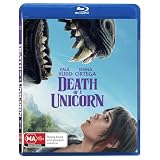
Death of a Unicorn Blu-ray | Paul Rudd, Jenna Ortega | Region Free | $23.10 | Buy on Amazon |
| 3 |

|
Monster's Ball - BLURAY | $19.16 | Buy on Amazon |
| 4 |
![Hatchet III (Unrated Director's Cut) [Blu-ray]](https://m.media-amazon.com/images/I/51SX1tslZ0L._SL160_.jpg)
|
Hatchet III (Unrated Director's Cut) [Blu-ray] | $9.74 | Buy on Amazon |
| 5 |

|
Aladdin | $9.99 | Buy on Amazon |
Just as crucial is how HBO Max’s recommendation engine surfaces content at the right moment. Once viewership ticks up, the algorithm pushes the film onto homepages, “Because You Watched” rows, and trending lists, creating a feedback loop that rewards rediscovery over novelty. The resurgence of Death of a Unicorn underscores how modern streaming audiences don’t just follow release calendars anymore; they follow stars, vibes, and whatever the algorithm decides deserves a second look.
The Jenna Ortega Effect: Star Power, Post-‘Wednesday’ Fame, and Audience Curiosity
Jenna Ortega’s ascent from prolific genre performer to full-fledged streaming draw has reshaped how audiences engage with her past work. Since Wednesday became a cultural juggernaut, Ortega has crossed into that rare space where her name alone can trigger a spike in clicks, searches, and completion rates. Death of a Unicorn is now being watched through that updated lens, no longer as a curiosity, but as part of a growing Ortega canon.
Crashes, No Sound, or Screen Glitches?
Random freezes, missing sound and display glitches usually trace back to one bad driver. Find and replace yours safely.Free scan · under a minutePC Slower Than It Used to Be?
A free scan shows the junk files, broken settings and background clutter dragging Windows down - then fixes them in one click.Free scan · Windows 10 & 11#1 Best Overall
From Breakout Star to Streaming Magnet
Post-Wednesday, Ortega’s audience has expanded beyond horror loyalists and indie fans into a broader, trend-driven streaming crowd. Viewers who first connected with her deadpan charisma on Netflix are now tracing her career backward, looking for earlier performances that hint at what made her such a compelling lead. Death of a Unicorn fits neatly into that exploration phase, offering a familiar face in an unfamiliar, offbeat package.
This pattern mirrors what has happened with other streaming-native stars, where breakout success retroactively elevates lesser-known titles. On HBO Max, Ortega’s presence acts like a discovery shortcut, reducing the perceived risk of pressing play on a film that might otherwise blend into the catalog. For many viewers, her involvement becomes a seal of tonal credibility.
Curiosity, Completion Rates, and the Power of Recognition
What’s driving Death of a Unicorn’s chart movement isn’t just casual sampling, but sustained engagement. Films tied to recognizable stars tend to benefit from higher completion rates, which streaming platforms quietly prioritize when determining what gets surfaced. Once Ortega’s fans start watching, the data reinforces itself, signaling that this is a title worth amplifying.
There’s also an element of contrast at work. Audiences coming off Ortega’s polished, mainstream projects are intrigued by seeing her in something stranger and less defined. That curiosity, combined with her now-established screen persona, turns Death of a Unicorn into a kind of cinematic deep cut that feels newly relevant rather than outdated.
What’s actually slowing this PC down?
Pick the symptom - the matching free tool is one click away.
Why Ortega’s Name Changes the Conversation
In the current streaming ecosystem, star power doesn’t just open movies; it resurrects them. Ortega’s trajectory has positioned her as one of the few young actors whose career inspires active exploration rather than passive consumption. Viewers aren’t just watching what’s new, they’re hunting for what they missed.
Death of a Unicorn’s HBO Max resurgence highlights how modern audiences follow talent as much as titles. As Ortega continues to build a carefully curated mix of genre work and prestige projects, even her quieter films gain renewed life, proving that in the streaming era, timing and star alignment can matter more than opening-week buzz.
Algorithm Alchemy: How HBO Max Recommendations and Autoplay Fueled Rediscovery
HBO Max’s recommendation engine has quietly become one of the most powerful tastemakers in the streaming ecosystem, and Death of a Unicorn is a textbook example of that influence at work. Once Ortega-related viewing spiked, the platform began threading the film into curated rows tied to her breakout projects, genre-adjacent thrillers, and offbeat indie selections. What starts as a single curiosity click quickly snowballs into algorithmic validation.
The platform isn’t simply reacting to searches for Ortega’s name. It’s responding to patterns, including viewers who finish one Ortega title and immediately move on to another recommended by the system. That behavior tells HBO Max the film isn’t just being sampled, but actively consumed.
From Star Clustering to Catalog Momentum
Streaming algorithms thrive on association, and HBO Max has increasingly leaned into talent-based clustering. Death of a Unicorn benefits from appearing alongside Ortega’s more visible work, framed less as a forgotten release and more as part of a larger creative arc. In that context, the film feels intentional rather than random.
Once positioned within those clusters, the title gains momentum from viewers who may not have sought it out directly. The algorithm essentially reframes the movie as a logical next step, especially for audiences exploring Ortega’s range beyond her most commercial roles.
Rank #2
- Paul Rudd, Jenna Ortega
The Quiet Power of Autoplay Decisions
Autoplay remains one of the most underestimated drivers of streaming success, and Death of a Unicorn appears to be capitalizing on that passive discovery loop. When a film queues up automatically after a thematically adjacent title, the barrier to entry disappears. Viewers who might hesitate to commit to an unfamiliar movie are far more likely to let it roll.
Those autoplay starts matter more than casual browsing. They feed directly into engagement metrics that platforms monitor closely, helping titles climb internal rankings that ultimately influence public-facing charts.
Quick wins for a faster PC:
Clear out junk files and repair common Windows errorsFree Scan →Fix the driver behind crashes, sound loss and screen glitchesFind Drivers →Why the Charts Follow the Algorithm, Not the Other Way Around
The surge on HBO Max charts isn’t a spontaneous audience uprising, but the visible result of sustained algorithmic exposure. Once a film gains enough internal traction, chart placement becomes inevitable, reinforcing its legitimacy for new viewers scanning what’s trending. Visibility breeds trust, and trust breeds clicks.
For Death of a Unicorn, this loop has been especially effective. A once-overlooked film now benefits from Ortega’s star alignment, smart recommendation placement, and the frictionless nature of modern streaming consumption. In the HBO Max ecosystem, rediscovery isn’t accidental, it’s engineered.
What Viewers Are Responding To Now: Tone, Genre Bending, and Cult Appeal
As Death of a Unicorn lands in front of more viewers, the response isn’t just about discovery. It’s about how the film feels compared to the polished, risk-averse streaming originals that dominate most homepages. The movie’s tonal confidence and refusal to sit neatly in one genre are precisely what make it stand out once viewers press play.
A Tone That Feels Unfiltered, Not Optimized
What immediately registers for many viewers is how un-streamlined Death of a Unicorn feels. The film leans into discomfort, ambiguity, and emotional messiness rather than smoothing its edges for mass appeal. That quality reads as authenticity in an era where audiences are increasingly sensitive to content that feels engineered by committee.
Free tools Windows power users keep installed
One-click scans. No signup required.
Jenna Ortega’s performance anchors that tone. She operates in a register that’s quieter and more reactive than her breakout roles, inviting viewers to lean in rather than be entertained at arm’s length. For fans accustomed to her more heightened projects, this restraint feels revealing, even intimate.
Genre Bending That Rewards Curious Viewers
Death of a Unicorn resists easy categorization, shifting between indie drama, offbeat fantasy, and psychological unease without announcing its intentions. On streaming, where viewers are often trained to expect immediate clarity, that unpredictability becomes a feature rather than a flaw. Audiences who stick with it tend to feel rewarded for their patience.
This kind of genre hybridity plays especially well with algorithm-driven discovery. Viewers coming from different corners of HBO Max’s catalog interpret the film through different lenses, which fuels discussion and repeat engagement. It’s not a movie everyone reads the same way, and that ambiguity keeps it circulating.
The Early Signs of Cult Appeal
Once a film like Death of a Unicorn reaches a critical mass of engaged viewers, its next phase often looks less like mainstream success and more like cult formation. Social chatter frames it as a “you have to see this” title rather than a must-watch blockbuster. That distinction matters, particularly on streaming platforms where niche enthusiasm can outperform broad indifference.
Do these 3 things before closing this tab:
1Clear out junk files and repair common Windows errors2Scan for outdated or missing drivers - takes under a minute3Repair Windows errors before they cause bigger problemsRank #3
- Set in the Southern United States, 'Monster's Ball' is a tale of a racist white man, Hank (played by Billy Bob Thornton), who falls in love with a black woman named Leticia (Halle Berry). Ironically Hank is a prison guard working on Death Row who executed Leticia's husband (Sean Combs). Hank and Leticia's interracial affair leads to confusion and new ideas for the two unlikely lovers.
For Ortega followers, the film also functions as a deeper cut within her growing filmography. Watching it feels like participating in her evolution rather than consuming a headline role. That sense of insider access is powerful, and it’s exactly the kind of emotional connection that turns a rediscovered title into a sustained chart presence.
Streaming-Era Second Chances: Why Overlooked Films Thrive Years Later
The rise of streaming has quietly rewritten the life cycle of movies that once slipped through the cracks. Films like Death of a Unicorn no longer depend on opening-weekend momentum or theatrical word-of-mouth to define their fate. Instead, they live in a constantly reshuffled ecosystem where timing, visibility, and audience curiosity matter more than initial reception.
On HBO Max, this dynamic is especially pronounced. The platform’s charts don’t just reward new releases; they respond to sustained engagement, completion rates, and repeat viewing. When a title suddenly aligns with audience mood or cultural conversation, it can re-enter the spotlight as if it were brand new.
Star Power That Grows After the Credits Roll
Jenna Ortega’s expanding profile is a major catalyst in Death of a Unicorn’s resurgence. As her career evolves, fans increasingly work backward through her filmography, seeking performances that reveal different facets of her range. Streaming makes that exploration frictionless, turning past projects into present-day discoveries.
What’s notable is that this renewed interest isn’t driven by marketing pushes or anniversary campaigns. It’s organic, fueled by curiosity and a sense that Ortega’s earlier, quieter work offers insight into the performer she’s becoming. That kind of retrospective viewing is a powerful engine for chart movement.
Algorithms as the New Re-Release Strategy
In the streaming era, algorithms function like invisible curators. Death of a Unicorn benefits from being slotted into recommendation pathways tied to prestige indie films, genre hybrids, and Ortega-adjacent titles. Each successful match introduces the movie to viewers who might never have sought it out intentionally.
Once those viewers engage, the feedback loop kicks in. Strong completion rates and saves signal value to the platform, which in turn increases visibility. The result is a gradual but meaningful climb up the HBO Max charts, driven less by hype and more by sustained interest.
Audience Behavior Favors Discovery Over Event Viewing
Modern streaming audiences are increasingly comfortable with delayed discovery. Viewers aren’t just chasing what’s new; they’re hunting for films that feel personal, unusual, or slightly off the mainstream path. Death of a Unicorn fits neatly into that mindset, offering a viewing experience that feels found rather than sold.
This behavior explains why overlooked films often thrive years later. Streaming rewards patience and curiosity, allowing titles to find their audience when the cultural moment is right. For Death of a Unicorn, that moment appears to be now, shaped by evolving tastes, star-driven exploration, and a platform designed to let quiet successes speak up over time.
Social Media Signals and Fandom Momentum: TikTok, Twitter, and Word-of-Mouth
If algorithms provide the infrastructure for rediscovery, social media supplies the spark. Death of a Unicorn’s HBO Max climb coincides with a noticeable uptick in organic chatter across TikTok and Twitter, where the film is being reframed less as an overlooked oddity and more as a hidden gem within Jenna Ortega’s growing canon. These conversations aren’t studio-driven or coordinated; they’re fan-led, reactive, and emotionally specific, which makes them resonate.
Rank #4
- Factory sealed DVD
TikTok Clips Turn Obscure Moments Into Must-See Scenes
On TikTok, short clips and reaction videos have become a primary discovery engine, especially for films that didn’t have a major theatrical footprint. Select scenes from Death of a Unicorn are circulating alongside captions that highlight Ortega’s performance choices or the film’s offbeat tone, often framed as “wait, why did no one talk about this?” moments. That sense of surprise is crucial, as it invites curiosity rather than nostalgia.
The platform’s remix culture also plays a role. Users stitch scenes with commentary about Ortega’s career trajectory, effectively positioning the film as a precursor to her more widely recognized work. Each clip acts like a micro-trailer, nudging viewers toward HBO Max without feeling like an ad.
Twitter Reframes the Film as Part of Ortega’s Narrative
On Twitter, the conversation skews more contextual and career-focused. Fans and pop culture commentators are slotting Death of a Unicorn into threads that map Ortega’s evolution, using it as evidence of her long-standing affinity for unconventional material. This kind of framing elevates the movie from obscurity to relevance, transforming it into a talking point rather than a footnote.
What’s especially impactful is how quickly these discussions snowball. One viral tweet can trigger quote-tweet chains, watch-along posts, and informal recommendations that extend the film’s visibility well beyond its original audience. In a streaming ecosystem that tracks real-time engagement, that activity matters.
Word-of-Mouth Still Moves the Needle in the Streaming Age
Despite all the data and dashboards, old-fashioned word-of-mouth remains a powerful force. Group chats, Reddit threads, and casual “you should check this out” recommendations are quietly driving traffic toward Death of a Unicorn. These endorsements carry weight because they come from trusted sources, not curated playlists.
For HBO Max, this kind of grassroots momentum is especially valuable. It signals not just clicks, but genuine interest, the kind that leads to full views and post-watch discussion. In combination with Ortega’s heightened profile, social media buzz turns a once-overlooked title into a shared discovery, reinforcing its place on the charts through collective enthusiasm rather than manufactured hype.
How ‘Death of a Unicorn’ Compares to Other Surprise Streaming Breakouts
Surprise streaming hits aren’t new to HBO Max, but Death of a Unicorn fits into a very specific category of rediscovery. Unlike nostalgia-driven revivals or seasonal rewatches, its surge is rooted in audience curiosity about an actor’s pre-fame choices. That distinction places it closer to cult rediscoveries than algorithm-pushed catalog staples.
What’s happening here is less about the film itself being newly relevant and more about the context around it changing. When the audience changes how they look at a title, the metrics often follow.
More ‘The Fallout’ Than a Random Catalog Spike
A useful comparison is The Fallout, another Jenna Ortega-led project that found outsized attention on HBO Max after initial under-the-radar positioning. In both cases, viewers approached the films as character studies of Ortega’s emerging screen persona rather than standalone releases. That mindset encourages completion rates and discussion, two signals streaming algorithms tend to reward.
Where Death of a Unicorn differs is timing. The Fallout benefitted from topical urgency, while Death of a Unicorn thrives on retrospective curiosity, a slower burn that builds momentum as more viewers connect the dots.
Recommended Free Tools
Best Value
Not a Meme Hit, But a Narrative One
Some surprise breakouts, like Malignant or Moonfall, surged because online audiences embraced their camp value and turned clips into memes. Death of a Unicorn doesn’t operate in that lane. Its traction comes from being reframed as a missing chapter in a now-familiar career arc.
That distinction matters because it drives a different kind of engagement. Viewers aren’t watching ironically; they’re watching attentively, often with the intent to reassess Ortega’s range and choices.
Algorithmic Discovery Meets Star Power
Like many late-blooming streaming hits, Death of a Unicorn benefits from algorithmic adjacency. Once viewers finish more prominent Ortega titles, HBO Max naturally surfaces earlier, lesser-known entries in her filmography. In a crowded platform ecosystem, that recommendation chain can be more powerful than front-page promotion.
What sets this surge apart is how cleanly the algorithm aligns with audience intent. People aren’t stumbling onto the film; they’re being guided toward it at exactly the moment their interest is highest.
PC Slower Than It Used to Be?
A free scan shows the junk files, broken settings and background clutter dragging Windows down - then fixes them in one click.Free scan · Windows 10 & 11Crashes, No Sound, or Screen Glitches?
Random freezes, missing sound and display glitches usually trace back to one bad driver. Find and replace yours safely.Free scan · under a minuteA Sign of How Streaming Audiences Watch Differently Now
Compared to other surprise breakouts, Death of a Unicorn reflects a more analytical, career-focused viewing habit. Modern streaming audiences don’t just chase what’s new; they backtrack, contextualize, and fill in gaps. That behavior turns overlooked films into discovery moments rather than disposable content.
In that sense, its rise on the charts says less about a single title and more about how star-driven exploration has become a key engine of streaming success. HBO Max isn’t just hosting a hit; it’s benefiting from an audience that treats the platform like a living archive.
What This Comeback Means for Jenna Ortega’s Career and HBO Max’s Content Strategy
For Jenna Ortega, Death of a Unicorn’s streaming resurgence reinforces something the industry already suspects: her audience is willing to follow her backward as well as forward. That kind of retrospective pull is rare, especially for actors who break through young, and it signals a level of trust that goes beyond brand recognition. Viewers aren’t just consuming her latest projects; they’re actively mapping her evolution.
A Filmography That Ages in Public
This comeback positions Death of a Unicorn as a connective tissue rather than a footnote. It’s now being read as an early experiment in tone and character that feels more intentional in hindsight, especially as Ortega continues to balance genre work with more character-driven roles. That recontextualization elevates the film without artificially inflating it.
Free tools Windows power users keep installed
One-click scans. No signup required.
For Ortega’s career, this matters because it widens the conversation around her range. Instead of being defined solely by breakout performances, she’s being assessed across a spectrum, which strengthens her long-term positioning as a lead capable of sustaining audience interest beyond trend cycles.
Why HBO Max Wins From the Rediscovery Model
From a platform perspective, this surge validates HBO Max’s deep-catalog strategy. When older or overlooked titles resurface organically, they deliver engagement without the marketing costs of a new release. More importantly, they extend viewing sessions as audiences move laterally through an actor’s body of work.
Death of a Unicorn’s chart climb illustrates how effective that ecosystem can be when star power and algorithmic timing align. HBO Max isn’t pushing the film; it’s letting audience curiosity do the work, turning passive browsing into deliberate exploration.
A Blueprint for Future Streaming Breakouts
What’s happening here suggests a shift in how streaming hits are defined. Success doesn’t always arrive on opening weekend or with viral noise. Sometimes it emerges quietly, powered by context, career momentum, and viewers who want to understand how a star became who they are now.
Recommended Free Tools
For HBO Max, that means the back catalog isn’t just filler between premieres; it’s a strategic asset. For Jenna Ortega, it confirms that her appeal isn’t confined to the present moment. Death of a Unicorn’s second life isn’t a fluke, but a case study in how modern streaming turns overlooked films into meaningful milestones.
Quick Recap
Product prices and availability are accurate as of the date/time indicated and are subject to change. Any price and availability information displayed on Amazon at the time of purchase will apply.




