The Tool Desk
Outbyte Driver Updater FREEScan for outdated or missing drivers - takes under a minuteDriver Scan →Outbyte PC Repair FREERepair Windows errors before they cause bigger problemsFix Now →Jason Statham reuniting with David Ayer immediately signals intent, especially after The Beekeeper recalibrated what a modern, no-nonsense action thriller could look like in a crowded genre. That film wasn’t just a hit with fans; it clarified a lane where Statham’s blunt-force screen persona met Ayer’s gritty, working-class obsession with systems, corruption, and vengeance. The first trailer for A Working Man leans hard into that same DNA, suggesting this isn’t a casual follow-up, but a deliberate continuation of a creative partnership that knows exactly what its audience wants.
Where The Beekeeper framed Statham as a mythic enforcer hiding in plain sight, A Working Man pushes the idea further, positioning him as a blue-collar figure whose violence feels earned rather than operatic. The trailer’s emphasis on stripped-down locations, close-quarters combat, and moral absolutism reflects Ayer’s street-level storytelling instincts, while Statham’s presence promises efficiency over spectacle. There’s a palpable confidence here, as if both star and director understand that scale matters less than clarity of purpose in action filmmaking.
| # | Preview | Product | Price | |
|---|---|---|---|---|
| 1 |

|
Working Man, A (BD/DIG) | $15.39 | Buy on Amazon |
| 2 |
|
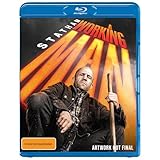
A Working Man Blu-ray | Jason Statham, Jason Flemyng | Region Free | $25.77 | Buy on Amazon |
| 3 |

|
Police Squad: The Complete Series Blu-ray | $35.00 | Buy on Amazon |
| 4 |

|
A Most Wanted Man | $26.76 | Buy on Amazon |
| 5 |

|
Easy Money / Men at Work | $33.01 | Buy on Amazon |
For Statham, this reunion also marks a smart evolution of his action-hero brand heading into 2025. Rather than chasing bigger franchises or heightened absurdity, A Working Man appears to double down on character-forward brutality and adult-toned stakes. If The Beekeeper was proof of concept, this collaboration feels like the refinement phase, one that positions Statham not just as an action star, but as the anchor of a distinct, repeatable thriller identity audiences can trust.
First Impressions: Tone, Brutality, and Blue-Collar Grit in the A Working Man Trailer
The first trailer for A Working Man doesn’t waste time signaling its priorities. This is a grounded, mean-spirited action thriller that trades glossy excess for sweat, blood, and bruised knuckles. From its opening frames, Ayer frames Statham not as a quip-heavy superhero, but as a man worn down by labor, responsibility, and a world that keeps asking him to absorb punishment.
Recommended Free Tools
#1 Best Overall
- Runtime: 116 minutes
Visually, the trailer leans into muted colors, industrial spaces, and lived-in environments. Warehouses, construction sites, dingy back rooms, and anonymous suburbs dominate the imagery, reinforcing the idea that violence here erupts out of everyday spaces. It feels tactile and immediate, closer to street-level retribution than cinematic fantasy.
Violence With Weight, Not Flash
What stands out most is how the action is staged. The trailer emphasizes close-quarters combat, improvised weapons, and blunt physicality over elaborate choreography. Statham’s fights look ugly and efficient, designed to end conflicts quickly rather than showcase style points.
There’s a noticeable lack of indulgent slow motion or over-edited chaos. Instead, Ayer lets impacts land hard, often holding shots long enough to make the brutality uncomfortable. It’s the same philosophy that made The Beekeeper feel punishing and direct, suggesting A Working Man is doubling down on action that feels consequential rather than theatrical.
A Working-Class Hero With Moral Absolutes
Narratively, the trailer hints at a familiar but effective setup. Statham appears to be a laborer pulled back into violence after crossing a criminal system that underestimates him. Dialogue snippets suggest a man who doesn’t want trouble but refuses to tolerate exploitation, corruption, or threats to his sense of order.
This blue-collar framing is crucial. Ayer consistently positions Statham’s character as someone who understands systems because he’s been ground down by them, not elevated above them. That perspective gives the violence a moral clarity, even when it becomes extreme, and reinforces why this version of Statham continues to resonate with adult audiences.
Creative Continuity With a Sharper Edge
Fans of The Beekeeper will immediately recognize the tonal throughline. Ayer’s obsession with corrupt hierarchies and institutional rot is present again, but the trailer suggests A Working Man may be even more stripped-down. There’s less myth-making and more emphasis on labor, survival, and personal codes.
For Statham, this feels like a deliberate refinement of his modern action persona. The trailer positions him as an avatar of working-class vengeance, a man whose skill set is deadly but whose motivations remain grounded. It’s a confident continuation of a partnership that understands exactly how much story, grit, and brutality this audience wants, and no more than necessary.
Breaking Down the Plot Teases: Who Is Statham’s ‘Working Man’ This Time?
The first trailer keeps details deliberately spare, but it offers enough texture to sketch a familiar yet sharpened silhouette. Statham’s character appears firmly embedded in a working-class routine, clocking in, keeping his head down, and surviving rather than thriving. Whatever his past is, it’s clearly something he’s trying to bury under honest labor.
That anonymity doesn’t last long. The trailer frames him as someone pulled into conflict not by ambition, but by proximity to injustice, suggesting a personal line gets crossed rather than a job accepted. It’s classic Statham, but the emphasis on routine and restraint makes the break into violence feel more inevitable than explosive.
A Past That Refuses to Stay Buried
Quick flashes hint at a previous life defined by specialized skills and institutional experience. Whether he’s ex-military, former intelligence, or something even murkier, the film clearly positions his competence as learned, not improvised. This isn’t a guy discovering he’s dangerous; it’s a man choosing to stop pretending he isn’t.
Ayer leans into that restraint in the trailer’s structure. We see preparation, surveillance, and controlled reactions before the chaos erupts, reinforcing the idea that this “working man” operates by discipline, not impulse. It reinforces the sense that violence is a last resort, not a lifestyle.
The Criminal System That Picks the Wrong Target
The antagonistic forces are sketched as organized, predatory, and confident in their power. The trailer suggests exploitation of vulnerable people, possibly tied to labor, debt, or human trafficking, aligning with Ayer’s ongoing fascination with corrupt hierarchies. They assume Statham’s character is just another disposable cog.
Rank #2
- Jason Statham, Jason Flemyng
That miscalculation is the engine of the story. Once targeted or threatened, the trailer implies a methodical dismantling rather than a chaotic rampage. The power fantasy comes not from excess, but from watching a system collapse because it underestimated the man quietly holding it together.
Violence as Problem-Solving, Not Spectacle
What stands out is how the trailer frames action as work itself. Fights are quick, direct, and framed as necessary tasks rather than moments of glory. Statham’s character doesn’t posture; he completes objectives.
This reinforces the title in a thematic sense. Being a “working man” isn’t just about employment, but about how he approaches conflict, responsibility, and consequence. Every action feels transactional, purposeful, and final, aligning perfectly with the creative philosophy that defined The Beekeeper.
Where This Fits in Statham’s Modern Action Era
A Working Man looks positioned as another refinement of Statham’s late-career identity. He’s no longer playing flashy outlaws or wisecracking operatives, but disciplined men shaped by systems that ultimately fail them. The trailer suggests a continuation of the grounded, morally rigid enforcer audiences have responded to over the past few years.
Do these 3 things before closing this tab:
1Clear out junk files and repair common Windows errors2Scan for outdated or missing drivers - takes under a minute3Repair Windows errors before they cause bigger problemsReuniting with Ayer sharpens that trajectory. Together, they’re not reinventing Statham, but distilling him, stripping the character down to labor, code, and consequence. The plot teases make it clear: this isn’t about becoming a hero, it’s about what happens when an ordinary role can no longer contain an extraordinary skill set.
Action Style Analysis: How the Trailer Signals an Evolution of Statham’s Combat Persona
If The Beekeeper reasserted Jason Statham as a modern action icon built on discipline and inevitability, A Working Man signals the next stage of that evolution. The trailer doesn’t escalate the violence by making it louder or bigger. Instead, it sharpens it, reframing combat as precision labor carried out by someone who understands systems because he’s lived inside them.
This is not the reckless Statham of early Transporter-era bravado, nor the winking chaos of his Fast & Furious appearances. What’s emerging here is a combat persona rooted in restraint, calculation, and emotional containment, a man who acts only when action becomes unavoidable.
Less Flash, More Function
The trailer’s action beats are stripped of flourish. There are no slow-motion hero poses or exaggerated reaction shots, just quick entries into rooms, decisive strikes, and clean exits. The choreography favors close-quarters efficiency, with Statham using everyday environments as tools rather than arenas.
What’s actually slowing this PC down?
Pick the symptom - the matching free tool is one click away.
This reinforces the idea that violence is simply another job requirement. Every movement looks rehearsed not for spectacle, but for outcome. The emphasis is on ending threats quickly, minimizing variables, and moving on, a philosophy that aligns tightly with David Ayer’s grounded approach to brutality.
A Combatant Who Understands Power Structures
What differentiates this iteration of Statham’s action style is awareness. His character doesn’t just fight individuals; he dismantles networks. The trailer hints that he knows how criminal hierarchies operate, where pressure points exist, and how fear travels upward through an organization.
That intelligence shapes the action itself. Rather than sprawling shootouts, we see targeted confrontations designed to send messages. Violence becomes communication, each encounter calibrated to destabilize the larger system that underestimated him.
Physicality Rooted in Wear and Experience
Statham’s physical presence here feels heavier, more grounded. He’s not presented as invulnerable, but as durable, someone who absorbs impact because he expects resistance. The trailer lingers just long enough on recovery moments, controlled breathing, resetting posture, to suggest cost without melodrama.
Rank #3
- For Dedicated Glass Film, Tempered Glass For Compatible, LCD Protective Film, Fingerprint Resistant, 9H Surface Hardness, 2.5D Round Treatment, Shatterproof, High Transmittance, Automatic Adhesive
- High Clarity & Sensitivity: The transparency is higher than ordinary glass, and the original image quality is not compromised. You can enjoy high definition photos and videos. High resolution screen maintains its original vibrancy You won't feel the presence of the protective film itself while providing the highest level of protection to your screen. Made of high quality glass material, it reduces the smooth and smooth texture of the hand and gives a smooth operation without hindering the touch response. It will not affect the beauty of the display, it will not affect the video playback or photography, protect the touch sensitivity
- [Asahi Glass Tempered Glass and Fingerprint Prevention] Uses high quality Japanese Asahi Glass material with 187H hardness and a special processing that prevents glass from shattering, oil and water repellent, and is resistant to fingerprints. Minimize damage caused by impact Not damaged within daily use It can reduce shock. It is also anti-splash, so it is very safe to use even if it is damaged. Oil-resistant/antibacterial, with a special treatment that prevents glass shatters, water repellent, and even if it gets dirty such as fingerprints and other contaminants are attached to it, simply wipe it off. The LCD screen solves the problem of oil, dust, scratches, wear and tear at once. Fingerprints and makeup stains can be easily wiped off and cleaned immediately
- (High Quality Touch) The special coating has been applied to provide oil repellent and hydrophobic properties. The resistance to fingerprints is extremely strong, so the surface feels smooth and has high control. It has a high slippery feel and extremely high touch panel operation. It can be easily wiped off if dirt such as oil or water droplets. It is resistant to fingerprints and displays a beautiful visual effect
- (Easy to Apply) Air bubbles can be easily removed so you can simply place it in position and apply it without any air bubbles. Even an amateur can easily be applied to. Highly sensitive touch compatible. Provides excellent protection for your LCD screen from shock absorption, scratches and daily scratches
This subtle aging of the action hero persona works in the film’s favor. It positions Statham as a veteran operator whose strength comes from repetition and survival rather than raw speed or aggression. The fights carry weight because they feel earned.
Creative Continuity with The Beekeeper
The reunion with Ayer is critical to this evolution. Much like The Beekeeper, the trailer frames action as morally rigid and procedurally clear. There’s no confusion about why force is used, only the question of how far it must go to restore balance.
What A Working Man adds is humility. The title isn’t ironic; it’s foundational. This version of Statham fights like someone who clocks in, handles his responsibilities, and clocks out, even when those responsibilities involve tearing down an entire criminal apparatus. The trailer makes it clear that this isn’t escalation for escalation’s sake, but refinement of an action identity that has found its most compelling form.
Visual Language & Direction: David Ayer’s Gritty Signature All Over the Trailer
David Ayer’s fingerprints are unmistakable from the trailer’s opening frames. The color palette leans cold and industrial, with harsh fluorescents, sodium-vapor streetlights, and desaturated interiors that make every location feel lived-in and compromised. This is not a heightened action fantasy; it’s a bruised, tactile world where danger feels embedded in the architecture.
Quick wins for a faster PC:
Clear out junk files and repair common Windows errorsFree Scan →Fix the driver behind crashes, sound loss and screen glitchesFind Drivers →The camera rarely romanticizes the violence. Ayer favors grounded framing, handheld movement, and tight compositions that keep the audience close to the impact without turning chaos into spectacle. Every hit lands with intention, reinforcing the idea that this story operates on consequence, not excess.
Blue-Collar Spaces as Battlegrounds
One of the trailer’s most telling choices is where the action unfolds. Warehouses, back rooms, parking structures, modest homes—these are working environments, not glamorous criminal lairs. Ayer has always excelled at turning everyday locations into pressure cookers, and A Working Man continues that tradition with purpose.
These settings reinforce the film’s central thesis. Statham’s character isn’t invading some exotic underworld; he’s confronting corruption embedded in familiar spaces. The visual language makes it clear that violence isn’t imported into this world—it already lives there, waiting to be exposed.
Violence Framed as Procedure, Not Spectacle
The trailer’s action beats are edited with a deliberate, almost methodical rhythm. Instead of rapid-cut chaos, Ayer allows moments to breathe just long enough to show intent: assessing a room, closing distance, choosing the most efficient response. It mirrors the character’s mindset and reinforces the theme of labor applied to brutality.
Crashes, No Sound, or Screen Glitches?
Random freezes, missing sound and display glitches usually trace back to one bad driver. Find and replace yours safely.Free scan · under a minutePC Slower Than It Used to Be?
A free scan shows the junk files, broken settings and background clutter dragging Windows down - then fixes them in one click.Free scan · Windows 10 & 11This approach echoes The Beekeeper, but with a slightly rougher edge. Where that film leaned into mythic simplicity, A Working Man feels more tactile and personal. The violence isn’t symbolic justice; it’s practical enforcement, executed with grim professionalism.
A World That Looks Tired, Not Broken
Ayer’s direction gives the trailer a sense of exhaustion rather than despair. The environments feel worn down, the characters burdened by systems that don’t work as intended. This tonal choice aligns perfectly with Statham’s evolving screen persona, positioning him as someone who steps in not to save the world, but to stabilize it.
That visual fatigue becomes part of the storytelling. Shadows linger, faces carry history, and even moments of quiet feel loaded. It sets expectations clearly: A Working Man isn’t chasing reinvention, but refinement, using Ayer’s gritty aesthetic to sharpen a collaboration that already understands exactly what kind of action movie it wants to be.
Supporting Cast, Villains, and Power Dynamics Hinted at in the Footage
If the trailer is careful not to overexplain the plot, it’s far more revealing in how it sketches the ecosystem around Statham’s character. Faces appear briefly but with purpose, suggesting a hierarchy of power rather than a single, flashy antagonist. A Working Man looks less interested in one “big bad” and more focused on how violence flows through layers of authority, loyalty, and fear.
Free tools Windows power users keep installed
One-click scans. No signup required.
Rank #4
A Familiar Ayer Ensemble Energy
David Ayer’s films often thrive on ensemble tension, and the trailer hints at a supporting cast designed to pressure Statham from multiple angles. We see supervisors, enforcers, and mid-level operators who seem deeply embedded in whatever system Statham’s character disrupts. No one feels incidental; even background figures carry the weight of complicity.
This mirrors Ayer’s approach in films like End of Watch and Fury, where secondary characters aren’t just obstacles but reflections of the world’s moral compromise. In A Working Man, the people around Statham appear trapped by routine, incentive, or fear, reinforcing the idea that this isn’t a battle against chaos, but against normalized corruption.
Villains Built on Control, Not Flash
The trailer resists showcasing a singular, charismatic villain, and that choice feels deliberate. Instead, the antagonistic presence is fragmented: men giving quiet orders, suits watching from a distance, muscle enforcing rules they didn’t write. Power is implied through confidence and infrastructure rather than monologues or spectacle.
That restraint aligns closely with The Beekeeper, where the true enemy was a system protected by layers of deniability. Here, the threat feels similarly bureaucratic, but more intimate. These aren’t untouchable elites; they’re local power brokers who believe proximity makes them safe, a mistake the trailer makes clear they will pay for.
Statham as the Disruptive Constant
Against this web of authority, Statham’s character is positioned as an anomaly. He doesn’t posture, doesn’t negotiate, and doesn’t seem particularly interested in who outranks whom. The trailer repeatedly frames him moving through rooms where others hesitate, reinforcing his role as a force that ignores established chains of command.
This dynamic is crucial to Statham’s evolving action-hero brand. He’s no longer just the fastest or toughest man in the room; he’s the one who refuses to acknowledge the room’s rules altogether. In A Working Man, that makes every supporting character—ally or enemy—a test of how much power they really have once procedure meets inevitability.
Independent reader supportYour contribution helps us test, update, and keep practical guides available for everyone.Where A Working Man Fits in Jason Statham’s Modern Action-Hero Era
Jason Statham’s recent run has been less about reinvention and more about refinement, and A Working Man sits squarely in that late-career sweet spot. This is the era where his characters are stripped of glamour, operating on experience, discipline, and an almost weary sense of inevitability. The trailer suggests another figure who doesn’t seek conflict, but also doesn’t hesitate once the line is crossed.
The Post-Beekeeper Continuation
Reuniting with The Beekeeper director immediately frames A Working Man as part of a creative continuum rather than a one-off collaboration. That film proved audiences were hungry for Statham stories rooted in institutional rot rather than cartoon villainy, and the new trailer doubles down on that approach. The visual language is familiar: grounded locations, practical violence, and an emphasis on cause-and-effect rather than spectacle for its own sake.
What’s different is scale. A Working Man feels more personal, more embedded in everyday environments, as if the fight has moved from national systems to neighborhood power structures. It’s a subtle shift, but one that makes the violence feel closer and the stakes more immediate.
An Action Persona Built on Precision, Not Excess
Statham’s modern action persona thrives on economy, and the trailer reinforces that philosophy. There are no flashy entrances or stylized hero shots; instead, the camera lingers on preparation, timing, and follow-through. Every hit, shot, or pursuit feels like the result of planning rather than impulse.
This aligns with the version of Statham audiences have embraced over the last decade: a professional who treats violence as a tool, not a thrill. A Working Man appears to understand that restraint is now part of the appeal, letting tension and inevitability do the heavy lifting.
Plot Clues That Emphasize Labor, Loyalty, and Limits
The title isn’t ironic, and the trailer leans into that identity. Statham’s character blends into his environment through routine, manual work, and reliability, suggesting a man who has intentionally chosen obscurity. When that balance is disrupted, the response isn’t emotional outburst but calculated correction.
The Tool Desk
Outbyte Driver Updater FREEFix the driver behind crashes, sound loss and screen glitchesFind Drivers →Outbyte PC Repair FREERepair Windows errors before they cause bigger problemsFix Now →Best Value
That framing places A Working Man alongside films like Wrath of Man and The Beekeeper, where Statham’s characters operate by an internal code rather than moral speeches. The expectation is clear: this is a story about what happens when competence collides with complacent power.
A 2025 Release That Feels Precisely Timed
In a crowded action landscape dominated by shared universes and digital spectacle, A Working Man positions itself as a throwback with modern discipline. It promises grounded stakes, coherent geography, and a star who understands exactly what his audience wants from him at this stage of his career.
Rather than stretching Statham into something new, the film appears intent on sharpening what already works. For fans tracking his evolution, A Working Man doesn’t mark a departure, but a confident continuation of an action-hero era defined by control, clarity, and consequence.
Release Timing, Audience Expectations, and Why This Could Be One of 2025’s Defining Action Thrillers
A Strategic 2025 Release That Plays to the Genre’s Strengths
The decision to position A Working Man as a 2025 release feels calculated in the best way. With superhero fatigue continuing to reshape audience priorities, grounded action thrillers anchored by recognizable stars are regaining momentum both theatrically and on premium streaming platforms.
Quick wins for a faster PC:
Scan for outdated or missing drivers - takes under a minuteDriver Scan →Clear out junk files and repair common Windows errorsFree Scan →Early-year or late-winter action releases have historically benefited films like this, giving them space to dominate conversation without competing against franchise overload. If A Working Man lands in that window, it could replicate the word-of-mouth success that helped The Beekeeper punch above expectations.
Clear Signals of What Audiences Want From Statham Right Now
The first trailer doesn’t try to reinvent Jason Statham, and that’s precisely why it works. Viewers know what they’re coming for: practical fights, tightly staged violence, and a lead character whose competence is never in doubt, only temporarily restrained.
What the footage promises is escalation with purpose. Each action beat appears tied to consequence, suggesting a film that values buildup as much as payoff, reinforcing the idea that Statham’s brand thrives when patience is part of the tension.
The Beekeeper Reunion and Creative Continuity
Reuniting with The Beekeeper director immediately sets expectations for tone and execution. That film proved there’s still a sizable appetite for lean, mid-budget action movies that trust choreography, geography, and performance over excessive digital enhancement.
Crashes, No Sound, or Screen Glitches?
Random freezes, missing sound and display glitches usually trace back to one bad driver. Find and replace yours safely.Free scan · under a minuteWindows Errors? Fix Them Before They Spread
Repair common Windows errors and clear accumulated junk for a smoother, more stable PC - no reinstall needed.Free scan · no reinstallA Working Man appears to continue that philosophy while shifting the emotional framing slightly. Where The Beekeeper leaned into righteous momentum, this new collaboration seems more introspective, emphasizing routine, disruption, and the cost of stepping back into violence.
Why A Working Man Feels Poised to Define 2025’s Action Landscape
If the final film delivers on the trailer’s promise, A Working Man could represent the ideal modern action thriller: star-driven, disciplined, and unpretentious. It’s not chasing franchise longevity or cinematic universe potential, but rather aiming to execute its premise with maximum efficiency.
That clarity is its advantage. In a year likely filled with spectacle-heavy releases, A Working Man stands out by doubling down on craft, character, and controlled intensity, reinforcing why Jason Statham remains one of the most reliable forces in action cinema.
Ultimately, this isn’t just another entry in Statham’s filmography. It’s a reaffirmation of what his audience values most, and a strong reminder that when the right material meets the right creative team, simplicity can still hit hardest.
Free tools Windows power users keep installed
One-click scans. No signup required.
Quick Recap
Product prices and availability are accurate as of the date/time indicated and are subject to change. Any price and availability information displayed on Amazon at the time of purchase will apply.




