Quick wins for a faster PC:
Repair Windows errors before they cause bigger problemsFix Now →Scan for outdated or missing drivers - takes under a minuteDriver Scan →Nicholas Sparks didn’t just write love stories; he built a cinematic brand that Hollywood learned it could trust. Starting in the late 1990s, his novels arrived with a rare combination of emotional sincerity, accessible prose, and built-in audiences eager to see these stories translated to the screen. At a time when adult-oriented romantic dramas were becoming less common in theaters, Sparks offered studios something increasingly valuable: heartfelt stories that reliably filled seats.
What made Sparks especially attractive to filmmakers was how naturally his storytelling aligned with the language of movies. His novels are grounded in vivid settings, sweeping emotional arcs, and clear romantic stakes, often anchored by a ticking clock or inevitable heartbreak. These elements translated easily into lush cinematography, star-driven casting, and soundtracks designed to linger long after the credits rolled. Whether audiences loved or criticized the formula, they showed up, again and again.

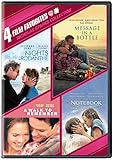
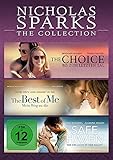

As adaptation after adaptation found commercial success, Sparks quietly became Hollywood’s most dependable romantic storyteller. His films didn’t need to reinvent the genre; they refined it, offering audiences emotional catharsis, nostalgia, and the promise of a good cry. That consistency is why his work spans decades of releases, evolving casts, and changing viewing habits, all of which makes a chronological look at every Nicholas Sparks movie adaptation not just useful, but essential for understanding his enduring place in pop culture.
The Early Wave (1999–2004): Establishing the Sparks Formula on Screen
Hollywood’s first encounters with Nicholas Sparks adaptations laid the foundation for everything that followed. These early films tested how his emotionally direct storytelling translated to the screen, while quietly locking in the themes, tones, and audience expectations that would define the brand. From coastal melancholy to young love and grand, lifelong romance, this era introduced the core Sparks cinematic language.
#1 Best Overall
Message in a Bottle (1999)
The first Nicholas Sparks adaptation arrived with Message in a Bottle, starring Kevin Costner, Robin Wright, and Paul Newman. Based on Sparks’ 1998 novel, the film leaned heavily into adult grief, emotional vulnerability, and romantic longing, setting it apart from lighter love stories of the era. Its moody coastal visuals and introspective tone signaled that Sparks adaptations would aim for emotional seriousness rather than rom-com levity.
While critical reception was mixed, the film performed solidly at the box office and proved there was an audience for earnest, tear-tinged romantic dramas. More importantly, it introduced the idea that Sparks stories could attract major stars and studio backing. Message in a Bottle became the blueprint for how Hollywood would approach Sparks: prestige-leaning, emotionally heavy, and unapologetically sentimental.
A Walk to Remember (2002)
If Message in a Bottle established credibility, A Walk to Remember created a phenomenon. Starring Mandy Moore and Shane West, the film adapted Sparks’ 1999 novel into a deeply nostalgic, faith-tinged teenage romance. Set in a small Southern town, it crystallized many of Sparks’ recurring themes: personal transformation, love as redemption, and inevitable heartbreak.
Though modestly budgeted, the film’s cultural impact far outpaced its box office numbers. It became a defining romantic movie for early-2000s teens and young adults, helped launch Moore’s acting career, and cemented Sparks as a go-to author for emotionally resonant adaptations. Its enduring popularity on cable and streaming has kept it one of the most rewatched Sparks films to date.
Recommended Free Tools
The Notebook (2004)
The release of The Notebook marked a turning point, not just for Nicholas Sparks adaptations, but for modern romantic cinema. Directed by Nick Cassavetes and starring Ryan Gosling and Rachel McAdams, the film expanded Sparks’ appeal across generations by framing its love story through memory, aging, and lifelong devotion. Its dual timelines and sweeping emotional payoff elevated the familiar Sparks formula into something iconic.
Initially met with mixed reviews, The Notebook grew into a cultural juggernaut through word of mouth, repeat viewings, and audience devotion. It became the definitive Sparks adaptation, influencing how all subsequent films were marketed, cast, and emotionally structured. From its rain-soaked kiss to its tear-inducing ending, The Notebook permanently defined what audiences expected when they sat down for a Nicholas Sparks movie.
Mid-2000s Peak (2004–2008): When Nicholas Sparks Movies Ruled the Box Office
By the mid-2000s, Nicholas Sparks adaptations had fully crossed from literary curiosities into reliable Hollywood events. The success of The Notebook didn’t just linger; it reshaped studio confidence in adult-skewing romantic dramas at a time when the genre was beginning to thin theatrically. Sparks movies became appointment viewing, marketed around emotional catharsis, prestige casting, and the promise of a good cry.
This era also marked a shift in scale. Budgets grew, A-list actors signed on, and Sparks adaptations were positioned as counterprogramming against action-heavy blockbusters. The films leaned into lush coastal settings, mature romance, and the bittersweet realities of love later in life.
What’s actually slowing this PC down?
Pick the symptom - the matching free tool is one click away.
Nights in Rodanthe (2008)
Released four years after The Notebook, Nights in Rodanthe arrived as a deliberate callback to that earlier success. Reuniting Richard Gere and Diane Lane, the film adapted Sparks’ 2002 novel into a reflective, adult love story centered on second chances and emotional vulnerability. Set against a stormy Outer Banks backdrop, it embraced mood and melancholy over youthful passion.
While reviews were mixed, the film performed strongly at the box office and resonated with older audiences who felt underserved by contemporary romantic offerings. Nights in Rodanthe reinforced that Sparks adaptations didn’t need teenage leads to connect; they could explore loss, regret, and romance with lived-in authenticity. Its success confirmed the durability of the Sparks formula and capped a period when his stories were among the most bankable love stories in mainstream cinema.
Together, the films of this era solidified Nicholas Sparks as more than a trend. Between 2004 and 2008, his adaptations dominated the romantic drama space, proving that emotionally earnest, unapologetically sentimental storytelling still had a powerful hold on moviegoing audiences.
A Shift in Tone (2010–2012): More Mature Romance and Tragic Intensity
As the new decade arrived, Nicholas Sparks adaptations began to evolve beyond sweeping first loves and nostalgic yearning. These films leaned harder into emotional endurance, fractured relationships, and the idea that love isn’t always enough to guarantee a happy ending. The era reflected a more adult understanding of romance, shaped by war, illness, memory, and sacrifice.
This period also coincided with shifting audience expectations. Romantic dramas were no longer dominant box office staples, yet Sparks adaptations continued to draw crowds by promising emotional weight and recognizable stars. The films felt heavier, more grounded, and often more divisive, but they remained unmistakably Sparks.
Dear John (2010)
Dear John marked a tonal pivot when it arrived on Valentine’s Day weekend in 2010. Starring Channing Tatum and Amanda Seyfried, the film centered on a long-distance romance strained by military service and the realities of post-9/11 America. Its emphasis on separation, duty, and emotional compromise made it one of Sparks’ most openly somber adaptations.
Rank #2

- Movie dvd
Commercially, Dear John was a major success, famously dethroning Avatar at the box office during its opening weekend. Culturally, it helped reposition Tatum as a romantic lead while reinforcing Sparks’ ability to merge contemporary issues with melodramatic storytelling. The film’s restrained ending signaled that Sparks adaptations were no longer obligated to offer uncomplicated closure.
The Last Song (2010)
Released just weeks later, The Last Song offered a different kind of emotional intensity. Adapted from a novel Sparks wrote with Miley Cyrus specifically in mind, the film blended young romance with family drama and terminal illness. Set against a sunlit Southern beach town, it balanced teen angst with profound grief.
Crashes, No Sound, or Screen Glitches?
Random freezes, missing sound and display glitches usually trace back to one bad driver. Find and replace yours safely.Free scan · under a minuteWindows Errors? Fix Them Before They Spread
Repair common Windows errors and clear accumulated junk for a smoother, more stable PC - no reinstall needed.Free scan · no reinstallWhile critically mixed, The Last Song was a generational touchstone for younger audiences and became a surprising box office hit. It also introduced Liam Hemsworth to mainstream audiences, both onscreen and off. Within the Sparks canon, the film stands out for bridging youthful romance with the author’s signature themes of loss and reconciliation.
The Lucky One (2012)
After a brief hiatus, Sparks adaptations returned with The Lucky One in 2012. Starring Zac Efron in a post–High School Musical reinvention, the film followed a Marine who believes a photograph saved his life in combat. The story blended romance with elements of fate and trauma, continuing the era’s preoccupation with emotionally scarred protagonists.
Though reviews were lukewarm, the film performed well financially and underscored Sparks’ ongoing relevance in the theatrical romance space. The Lucky One mattered less for innovation and more for continuity, reaffirming that audiences still sought earnest, emotionally direct love stories amid a changing Hollywood landscape.
The Vow (2012)
Released later that same year, The Vow became one of the most culturally visible Sparks adaptations of the decade. Inspired by a true story, the film starred Channing Tatum and Rachel McAdams as a married couple forced to rebuild their relationship after a traumatic brain injury erases shared memories. The premise stripped romance down to its most painful question: what happens when love must start over?
The Vow was a massive box office success and reintroduced Sparks adaptations to a new generation of moviegoers. Its focus on marriage rather than courtship, and perseverance rather than passion, made it emblematic of this era’s mature tone. By 2012, Nicholas Sparks movies had fully embraced romantic tragedy as their defining strength rather than a narrative risk.
The 2010s Transition Era (2013–2016): Updating Sparks for a New Generation
As the 2010s progressed, Nicholas Sparks adaptations faced a shifting Hollywood landscape. Romantic dramas were no longer guaranteed theatrical staples, and younger audiences were gravitating toward franchises and streaming-first storytelling. In response, Sparks’ films during this period leaned into heightened emotional hooks, star-driven casting, and more overt genre blending.
This era represents a quiet but meaningful transition, where Sparks adaptations sought to modernize without abandoning the tear-soaked DNA that defined his brand. The films released between 2013 and 2016 feel more self-aware, sometimes darker, and often more cinematic in scope.
Safe Haven (2013)
Safe Haven marked a tonal shift by fusing Sparks’ trademark romance with elements of suspense and mystery. Starring Julianne Hough and Josh Duhamel, the film centered on a woman fleeing an abusive past who finds tentative love in a small coastal town. Its slow-burn romance was underscored by an undercurrent of danger that set it apart from earlier adaptations.
The Tool Desk
Outbyte PC Repair FREEClear out junk files and repair common Windows errorsFree Scan →Outbyte Driver Updater FREEFix the driver behind crashes, sound loss and screen glitchesFind Drivers →While divisive among critics, Safe Haven performed solidly at the box office and demonstrated Sparks’ willingness to experiment within his formula. The film’s supernatural-tinged third act remains one of the most debated moments in the Sparks cinematic canon, signaling a brief flirtation with genre hybridity.
The Best of Me (2014)
Released in 2014, The Best of Me doubled down on nostalgia and second-chance romance. Featuring dual timelines and dual casts, the film followed former high school sweethearts reunited decades later by tragedy. James Marsden and Michelle Monaghan anchored the adult storyline, lending emotional weight and maturity.
The Best of Me felt like a deliberate return to the sweeping, fate-driven storytelling of The Notebook. Its emphasis on lost time, regret, and enduring love reinforced Sparks’ core themes while appealing to longtime fans who favored emotionally maximalist romance.
The Longest Ride (2015)
The Longest Ride arrived as one of the most structurally ambitious Sparks adaptations. Interweaving a contemporary romance between a bull rider and an art student with a decades-spanning love story born out of World War II, the film embraced parallel narratives more fully than any previous adaptation.
Rank #3
Starring Scott Eastwood, Britt Robertson, Alan Alda, and Oona Chaplin, the film positioned love as something that evolves across generations. The Longest Ride resonated strongly with audiences, becoming a box office success and reaffirming that Sparks’ stories could still feel relevant when framed through legacy and remembrance.
The Choice (2016)
The final Sparks adaptation of the theatrical era, The Choice premiered in 2016 with a quieter, more understated tone. Starring Benjamin Walker and Teresa Palmer, the film explored neighbors-turned-lovers whose relationship is tested by a sudden medical tragedy. Its coastal setting and emotional restraint recalled Sparks’ earlier works while embracing a more reflective pace.
Though modest in box office impact, The Choice feels like a thematic bookend to the era. It emphasized commitment, sacrifice, and the fragility of happiness, reinforcing why Sparks’ stories endure even as trends shift. By 2016, Nicholas Sparks adaptations had transitioned from cultural events to comforting fixtures, offering audiences familiar emotional refuge in an evolving cinematic landscape.
Complete Chronological List: Every Nicholas Sparks Movie Adaptation by Release Date
Message in a Bottle (1999)
Nicholas Sparks’ first novel adaptation set the cinematic tone for everything that followed. Starring Kevin Costner and Robin Wright, the film introduced mainstream audiences to Sparks’ fascination with grief, destiny, and romantic healing. Its coastal melancholy and tragic undercurrent established the emotional blueprint for the brand.
A Walk to Remember (2002)
A sleeper hit that grew into a generational touchstone, A Walk to Remember transformed Sparks into a household name. Mandy Moore and Shane West’s tender, faith-tinged romance resonated deeply with younger audiences, helping redefine early-2000s romantic drama. The film’s earnest simplicity gave it lasting cultural life beyond its initial release.
The Notebook (2004)
The adaptation that became a cultural phenomenon, The Notebook elevated Sparks from popular novelist to romantic legend. Ryan Gosling and Rachel McAdams’ stormy chemistry, paired with the film’s framing as a lifelong love story, made it one of the most enduring romance films of the modern era. For many viewers, this remains the definitive Sparks adaptation.
The Guardian (2006)
More restrained and adult in tone, The Guardian starred Kevin Costner and Ashton Kutcher in a story about duty, mentorship, and sacrifice. While not a traditional romance, its emotional core and themes of loss aligned closely with Sparks’ sensibilities. The film expanded the cinematic scope of his adaptations beyond pure love stories.
Nights in Rodanthe (2008)
Reuniting Richard Gere and Diane Lane, Nights in Rodanthe leaned into mature romance and second chances. Its autumnal atmosphere and reflective pacing appealed to older audiences seeking emotional realism. The film reinforced Sparks’ ability to tell love stories at every stage of life.
Free tools Windows power users keep installed
One-click scans. No signup required.
Dear John (2010)
Arriving at the peak of Sparks’ box office power, Dear John paired Channing Tatum and Amanda Seyfried in a romance shaped by distance and military service. Its bittersweet ending sparked conversation and controversy among fans. Commercially successful, it marked a shift toward more emotionally unresolved narratives.
The Last Song (2010)
Designed as a star vehicle for Miley Cyrus, The Last Song blended teen romance with family drama and coastal nostalgia. While critically divisive, it connected strongly with younger viewers and expanded Sparks’ audience. The film also helped cement his association with seaside Southern settings.
The Lucky One (2012)
Starring Zac Efron in a post-military romantic lead role, The Lucky One leaned heavily into fate and spiritual symbolism. The film performed solidly at the box office, reflecting Sparks’ continued commercial reliability. Its story reinforced the recurring idea that love can emerge from survival and chance.
Safe Haven (2013)
A tonal departure that incorporated mystery and suspense, Safe Haven starred Julianne Hough and Josh Duhamel. The film’s twist ending divided audiences but demonstrated Sparks’ willingness to experiment within his formula. It remains one of the more structurally unconventional adaptations.
Do these 3 things before closing this tab:
1Clear out junk files and repair common Windows errors2Scan for outdated or missing drivers - takes under a minute3Repair Windows errors before they cause bigger problemsThe Best of Me (2014)
Focused on lost love and emotional reckoning, The Best of Me returned to Sparks’ core themes of regret and enduring connection. Its dual-timeline structure echoed The Notebook while offering a more somber, adult perspective. The film appealed strongly to longtime fans of his earlier work.
The Longest Ride (2015)
One of the most ambitious adaptations, The Longest Ride intertwined two love stories separated by decades. By emphasizing legacy and remembrance, the film broadened Sparks’ romantic scope. Its box office success reaffirmed audience appetite for generational love stories.
Rank #4
The Choice (2016)
The final theatrical Sparks adaptation to date, The Choice closed the era with a quiet meditation on commitment and sacrifice. Its intimate scale and emotional restraint stood in contrast to earlier, grander romances. The film serves as a reflective endpoint to Sparks’ dominant run in Hollywood romantic cinema.
Independent reader supportYour contribution helps us test, update, and keep practical guides available for everyone.Recurring Themes, Archetypes, and Why These Films Endure
Across nearly two decades of adaptations, Nicholas Sparks movies have remained remarkably consistent in emotional language, even as trends in romantic cinema have shifted. These films speak in a familiar shorthand of longing, memory, and sacrifice that audiences instinctively recognize. That reliability, often criticized by detractors, is precisely what has made them generational touchstones.
PC Slower Than It Used to Be?
A free scan shows the junk files, broken settings and background clutter dragging Windows down - then fixes them in one click.Free scan · Windows 10 & 11Crashes, No Sound, or Screen Glitches?
Random freezes, missing sound and display glitches usually trace back to one bad driver. Find and replace yours safely.Free scan · under a minuteLove as Destiny, Not Convenience
Fate is the engine that drives nearly every Sparks adaptation, positioning love as something discovered rather than chosen. Characters don’t stumble into relationships casually; they are pulled toward them by chance encounters, letters, photographs, or shared trauma. This framing elevates romance into something mythic, giving viewers permission to believe in inevitability over realism.
Even when the films flirt with cynicism or loss, they ultimately reaffirm the idea that love arrives exactly when it is meant to. Whether through missed years, second chances, or tragic interruptions, the emotional payoff is rooted in destiny fulfilled or honored.
The Archetypes That Keep Returning
Sparks adaptations rely on a set of recurring character archetypes that audiences have grown comfortable revisiting. There is often the emotionally guarded male lead shaped by loss, war, or regret, paired with a female protagonist defined by resilience and quiet strength. These characters feel timeless rather than trendy, which helps the films age more gracefully than many contemporaries.
Supporting figures, particularly parents and mentors, frequently serve as emotional anchors or cautionary mirrors. Their stories reinforce the idea that love leaves a legacy, extending beyond the central romance into future generations.
Free tools Windows power users keep installed
One-click scans. No signup required.
Memory, Loss, and the Romance of Pain
What truly distinguishes Sparks’ films from lighter romantic fare is their willingness to center grief. Illness, death, estrangement, and irreversible choices are not narrative detours but core components of the love stories themselves. Romance is meaningful precisely because it is fragile.
These films ask audiences to sit with discomfort, to accept that love does not always arrive with permanence. For many viewers, that emotional honesty feels cathartic rather than manipulative, offering a safe space to process personal loss through cinematic intimacy.
Why Audiences Keep Coming Back
Nicholas Sparks movies endure because they offer emotional clarity in an increasingly ironic media landscape. They wear their hearts openly, refusing to dilute sincerity for the sake of modern detachment. For longtime fans, each new adaptation feels like returning to a familiar emotional coastline.
Streaming has only reinforced their staying power, allowing viewers to revisit favorites or discover them out of order without losing impact. These films function less as a strict chronology and more as emotional variations on a shared romantic language, one that continues to resonate with audiences seeking earnest, heartfelt storytelling.
Recommended Free Tools
Where to Watch and How to Marathon Nicholas Sparks Movies Today
Thanks to the streaming era, Nicholas Sparks’ cinematic universe has never been easier to access. What once required late-night cable rewatches or well-worn DVDs is now just a few clicks away, making full marathons not only possible but surprisingly popular. Whether you are revisiting old favorites or discovering these films for the first time, there are several smart ways to approach a Sparks binge.
Streaming Availability and Home Viewing Options
Most Nicholas Sparks adaptations rotate regularly across major platforms like Netflix, Amazon Prime Video, Hulu, and Peacock, with digital rentals consistently available through Apple TV, Google Play, and Vudu. A handful of titles, particularly The Notebook and Dear John, tend to remain widely accessible due to their enduring popularity. Physical media collectors can still find Blu-ray box sets and special editions, especially for early 2000s releases.
Because licensing shifts often, the best approach is to search by director or title rather than expecting a single permanent home. Many fans build temporary watchlists during seasonal rotations, especially around Valentine’s Day or late-summer streaming refreshes.
How to Structure the Perfect Nicholas Sparks Marathon
For first-time viewers, a release-order marathon offers the clearest sense of how Sparks’ cinematic legacy evolved. You can watch his stories mature from earnest, romantic optimism into more contemplative meditations on aging, memory, and second chances. This approach highlights how Hollywood’s treatment of romantic drama shifted alongside Sparks’ storytelling.
Returning fans often prefer a tonal marathon instead. One popular route begins with emotionally devastating staples like A Walk to Remember and The Notebook, moves through conflicted romances such as Dear John and The Last Song, and finishes with reflective later works like The Longest Ride or The Choice. This creates an emotional arc that feels intentional rather than overwhelming.
Every Nicholas Sparks Movie Adaptation in Release Order
Message in a Bottle (1999)
Sparks’ first adaptation introduced his cinematic themes of grief, longing, and fate, setting the emotional blueprint for everything that followed.
A Walk to Remember (2002)
A defining early-2000s romance, this film cemented Sparks as a tearjerker powerhouse and remains one of his most culturally beloved adaptations.
The Notebook (2004)
The definitive Nicholas Sparks film, and one of the most iconic romantic dramas of all time, whose legacy continues to shape the genre.
Nights in Rodanthe (2008)
A quieter, more mature love story that explored second chances and emotional vulnerability later in life.
Dear John (2010)
A box-office juggernaut that leaned heavily into sacrifice, distance, and the emotional toll of duty.
The Last Song (2010)
A coming-of-age romance that blended young love with family reconciliation, marking a generational shift in Sparks adaptations.
The Lucky One (2012)
A softer, fate-driven story that emphasized healing and emotional refuge after trauma.
What’s actually slowing this PC down?
Pick the symptom - the matching free tool is one click away.
Safe Haven (2013)
One of Sparks’ most genre-blending adaptations, mixing romance with suspense and psychological tension.
The Best of Me (2014)
A reflective look at lost love and the lingering impact of youthful romance, steeped in nostalgia and regret.
The Longest Ride (2015)
By weaving two love stories across generations, this film reinforced Sparks’ fascination with romantic legacy.
The Choice (2016)
A late-era adaptation that returned to familiar themes of devotion and irreversible decisions, closing out the theatrical Sparks era.
Why These Movies Still Make for the Perfect Marathon
Nicholas Sparks films are uniquely suited for marathon viewing because they operate on emotional continuity rather than narrative continuity. Each story stands alone, yet together they form a cohesive meditation on love, loss, and the passage of time. Watching them in sequence reveals how often Sparks returns to the same questions, even as the answers evolve.
In a landscape crowded with irony and detachment, these films remain unapologetically sincere. Whether you are watching one on a quiet evening or committing to a full weekend marathon, Nicholas Sparks adaptations continue to offer something increasingly rare: the freedom to feel deeply, without embarrassment, and without apology.
Quick Recap
Product prices and availability are accurate as of the date/time indicated and are subject to change. Any price and availability information displayed on Amazon at the time of purchase will apply.

