What’s actually slowing this PC down?
Pick the symptom - the matching free tool is one click away.
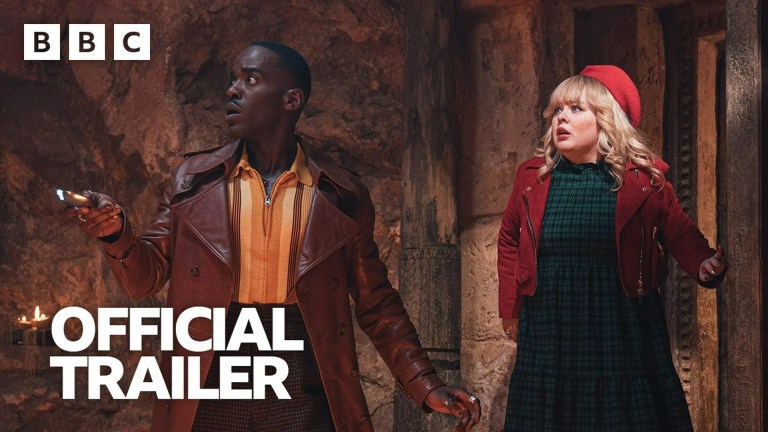
“Space Babies” gives Ncuti Gatwa’s Fifteenth Doctor and Millie Gibson’s Ruby Sunday a far-future baby farm, a Bogeyman and jokes about snot and space nappies. It is an exuberant, deliberately strange season opener whose performers and social ideas make a stronger impression than its thin, heavily explained plot.
What happens in “Space Babies”?
In this far-future adventure, the Doctor takes Ruby to a baby farm run by babies. The children face a threat from the Bogeyman, and the new TARDIS team must decide whether they can be saved. The episode’s official synopsis frames the trip as the point when Ruby learns more about the Doctor’s secrets.


Russell T Davies wrote the episode, directed by Julie Anne Robinson. It premiered on 11 May 2024. Ncuti Gatwa plays the Doctor, Millie Gibson plays Ruby Sunday, and Golda Rosheuvel appears as Jocelyn Sancerre; Michelle Greenidge and Angela Wynter are also listed as Carla and Cherry Sunday. Doctor Who’s official episode page has the credits and synopsis.
Does the odd premise make a good opener?
The baby-run farm is a memorable hook, and the episode commits to its comic absurdity rather than treating the premise as a solemn science-fiction puzzle. That gives Gatwa and Gibson room to establish an easy, lively partnership. The Guardian’s Martin Belam likewise highlights their chemistry, calling it “infectious,” while describing the opening double bill as fun but somewhat forgettable plotwise. Belam’s review also points to the snot monster and the space-nappy methane gag as examples of the episode’s broad humor.
Recommended Free Tools
#1 Best Overall
For me, that energy is the episode’s clearest asset, but it cannot quite turn the central danger into a compelling dramatic engine. The baby-farm idea suggests a larger, unsettling story about how vulnerable children are cared for; the plot moves through that idea quickly, favoring playful spectacle and explanation over sustained tension. The result is a lively introduction to this Doctor and companion, not a particularly intricate adventure.
How well do the comedy and social themes work together?
The body humor is intentionally broad. The snot monster and methane-powered ship gag are likely to be the episode’s most divisive bits: they sell the silliness, but can also make a potentially frightening scenario feel more like a string of gross-out jokes. The episode’s family-audience playfulness is not delicate, and viewers who dislike bodily comedy may find it more grating than charming.
Rank #2

- Brand New in box. The product ships with all relevant accessories
There is a more serious reading beneath the jokes. Belam connects the episode’s references to abortion politics, immigration and asylum seekers with the loss of social support for abandoned children. Clint Hassell, reviewing for Doctor Who TV, also sees the social debates as an invitation to introspection. These are critics’ interpretations of the material, not a definitive statement of authorial intent. Hassell’s review values that reflective dimension while faulting the story’s simplicity.
Does the episode give Ruby a strong introduction to Doctor Who?
Gibson makes Ruby an engaging presence beside Gatwa’s buoyant Doctor. Their rapport gives the episode an emotional center even when the plot is moving briskly from one strange set piece to the next. For a viewer meeting this Doctor and companion, their shared curiosity is an appealing reason to keep watching.
Free tools Windows power users keep installed
One-click scans. No signup required.
Rank #3
- Brand New in box. The product ships with all relevant accessories
The trade-off is that the episode explains a lot of Doctor Who lore early on. Hassell argues that this exposition dump can blunt the pleasure of discovery for a new companion, and it sometimes makes the adventure feel as if it pauses to orient the audience. The explanation may help newcomers, but it is less satisfying than letting Ruby uncover the rules through events.
What did critics and Rotten Tomatoes say?
The critical divide is less about whether Gatwa and Gibson are engaging than about whether their energy can carry a simple, exposition-heavy story. Belam emphasizes the leads’ chemistry and the opening episodes’ fun; Hassell describes “Space Babies” as a thin plot “bolstered only by the buoyant chemistry between the show’s leads, Ncuti Gatwa and Millie Gibson.” Those reactions capture the central tension: an inventive, silly premise and likable partnership, but limited narrative depth.
Rotten Tomatoes displayed an 88% Tomatometer from 16 reviews when accessed in 2026. That is a changeable critic-score snapshot, not an audience score or a permanent verdict. Check the current Rotten Tomatoes listing for a score that may have changed.
Independent reader supportYour contribution helps us test, update, and keep practical guides available for everyone.Verdict
“Space Babies” is best approached as a playful launch for the Fifteenth Doctor and Ruby, not as a tightly constructed science-fiction mystery. Its goofy premise, social-policy undertones and lead chemistry make it distinctive; its broad body humor, lore-heavy explanations and thin plot keep it from fully delivering on that promise. If the exuberance sounds like your kind of Doctor Who, the oddness is the point. If you want a carefully developed threat, this opener may leave you wanting more.
Quick Recap
Product prices and availability are accurate as of the date/time indicated and are subject to change. Any price and availability information displayed on Amazon at the time of purchase will apply.