Celebrity tattoo stories include laser treatments, fading in progress, cover-ups and design edits—but they do not add up to 20 verified, completed before-and-after removals. The examples below distinguish what is documented from what is often blurred together: a treatment session is not a finished result, and new ink over an old tattoo is not bare-skin removal.
Celebrity tattoo removals: documented cases and what the outcome means
Most celebrity examples here come from media reports rather than a complete clinical record or a verified pair of matching photographs. Where a source documents a session or interim change, it is described as progress—not as a completed removal. Photos should only be captioned “before,” “during treatment” or “after” when the source establishes that stage.
| Celebrity | What is reported | How to describe the outcome |
|---|---|---|
| Khloé Kardashian | RealSelf and Us Weekly reported that she documented laser removal of tattoos on her lower back in 2015. | Laser-removal documentation; the cited reports do not establish that the tattoos were fully removed. |
| Kelly Osbourne | RealSelf and Us Weekly reported that she posted video and photos of laser removal involving wrist and forearm tattoos. | Treatment documentation, not proof that every tattoo disappeared. |
| Kat Von D | RealSelf reported that she shared a collage showing laser removal of some of her tattoos. | Removal in progress; the precise tattoo and stage should not be inferred beyond the post. |
| Megan Fox | RealSelf and Glamour discussed removal of her Marilyn Monroe portrait tattoo. RealSelf separately noted that an ex-husband’s name tattoo was covered. | Keep the stories distinct: the reported portrait removal is not the same as the name-tattoo cover-up. |
| Mark Wahlberg | Us Weekly, Glamour and TIME reported tattoo-removal stories. TIME described him taking his children to a removal session. | A reported session does not establish a finished visual result. |
| Sarah Hyland | Good Morning America reported that she shared video of a laser-removal session in 2019; Us Weekly identified the tattoo as a dinosaur design. | Session footage, not necessarily a completed after. |
| Adrienne Bailon | Allure reported that one treatment faded a tattoo of Rob Kardashian’s name to a fuzzy, illegible blur. | Interim fading after one treatment—not complete removal. |
| Ciara Miller | Bravo published photos of her ongoing forearm removal process and identified a cosmetic dermatologist and a PICO laser. | Progress photos; they do not establish final clearance. |
| Angelina Jolie | TIME reported that she removed Billy Bob Thornton’s name and replaced the area with coordinates associated with her children. | Removal followed by a new tattoo, not restoration to bare skin. |
| Eva Longoria | TIME reported that she had an ex-husband’s jersey number lasered off. | A reported removal; the cited account alone does not establish a matched before-and-after image. |
| Heidi Klum | TIME reported removal of Seal’s name and associated stars or initials, attributing the account to other reporting. | Reported removal; do not present a finished visual result without primary image evidence. |
| Marc Anthony | TIME reported that Jennifer Lopez’s name was removed and replaced by another image or tattoo. | Removal plus replacement, not a clear-skin after. |
| Charlie Sheen | TIME reported that he had a tattoo of Denise Richards’s name removed. | The account does not establish the exact method or a paired visual after. |
Famous tattoo changes that were not laser-removal before-and-afters
Cover-ups leave the old tattoo underneath
A cover-up places new ink over the existing design. The original tattoo may remain beneath it, so a photograph of the new design is not proof that the old ink was removed. TIME reported that Denise Richards replaced Charlie Sheen’s name tattoo with a fairy design. RealSelf reported that Megan Fox’s ex-husband-name tattoo was covered rather than lasered. TIME also described Angelina Jolie’s name removal followed by coordinates and Marc Anthony’s name removal followed by another image or tattoo; those are replacement outcomes rather than bare-skin results.
Edits change the design
TIME described Johnny Depp’s “Winona Forever” tattoo being changed to “Wino Forever.” That is an alteration of the wording, not removal. TIME also reported that Melanie Griffith covered an Antonio Banderas name tattoo on a red carpet and said removal was underway; that account does not establish a finished result.
Recommended Free Tools
#1 Best Overall

- 【Used for Color and Black Tattoos at the Same Time】The cream uses an effective remover, which can slowly and safely remove every layer of ink on the skin.
- 【Long-lasting Skin Care】Has natural ingredients, moisturize you skin while fading away the tattoo. Quick absorption will not clog your skin pores. Without burning, discoloration, or scarring your skin.
- 【Removes Tattoo By Yourself! 】It's a true home tattoo removal method that you can remove tattoo by yourself!
- 【Skin Comfort】It will not block the pores, as long as you use it continuously for several weeks, you can see good results. Say goodbye to your regrets comfortably with cream!
- 【Natural & Moisturizing】Using this cream can provide long-lasting moisture care for your skin. It is made with natural and skin-loving ingredients and is perfect for any skin type!
Why a treatment photo is not a final after
Laser tattoo removal is generally a course of treatment, not a one-visit transformation. The FDA says multiple treatments are required, with weeks between sessions to allow healing. A fading image taken during that process can show change without showing the final result. Adrienne Bailon’s reported one-treatment change is a clear example of an interim outcome, while Ciara Miller’s Bravo photos document an ongoing process.
Outcomes vary with the tattoo and the person. The American Academy of Dermatology says consultation considers factors including tattoo age, ink depth and colors, location, health, medications and a history of raised scars. It recommends consulting a board-certified dermatologist and asking to see that clinician’s own before-and-after cases. A celebrity’s resources and treatment details may differ from yours, so their images cannot predict your result.
Quick Recap
Rank #3

- Developed as a cosmetic solution to help reduce the appearance of tattoo over time with consistent application.
- Made with skin-conscious ingredients designed for a smooth, non-harsh application suitable for daily routines.
- Simple Daily Use – Easy-to-apply cream that fits seamlessly into your routine—apply a small amount and massage into the desired area.
Rank #2
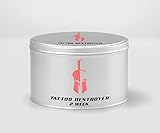
- EFFECTIVE; This advanced tattoo removal cream from Tattoo Destroyer has been dermatologically formulated for safe, at home tattoo removal; Fade unwanted ink permanently and achieve the skin you deserve, with this natural tattoo remover that works
- FAST ACTING; Our permanent tattoo removal cream works best on darker ink; Expect to see results after about 8 weeks with twice daily use of this tattoo fade removal cream; More noticeable fading with continued regular use of our tattoo remover cream commonly occurs around the 12 to 16 week mark
- SAFE; Tattoo Destroyer tattoo fade cream has been formulated in close consultation with dermatological experts; Our tattoo removing cream is ideal for all skin types; Our promise is this; if we wouldn’t use this tattoo removal solution on our own skin, we won’t sell it
- NATURAL; It’s time for painful and expensive laser tattoo removal to step aside; Tattoo Destroyer is a respected tattoo removal cream that works fast, based on natural ingredients; Powered by premium neem oil extract, this fade cream for tattoos dislodges pigment on a subdermal level for permanent results
- SATISFACTION GUARANTEED; If you don’t love our tattoo fade cream that works, simply let us know what the issue is with your tattoo ink remover and we’ll do whatever it takes to make things right; At Tattoo Destroyer, we pride ourselves on excellent customer service and outstanding qualit
What to know before considering removal
- Choose a qualified clinician. The AAD says the person performing removal strongly affects results and recommends a board-certified dermatologist.
- Ask about the plan and evidence. The AAD recommends asking to see the clinician’s own before-and-after examples. Discuss likely treatment needs, healing intervals and what outcome is realistic for your tattoo.
- Understand possible downsides. An Associated Press report dated December 8, 2025, describes removal as prolonged, painful and costly and reports possible pigment changes, temporary scarring, infection, redness and soreness. These are possible risks, not inevitable effects.
- Follow the aftercare you are given. The European Academy of Dermatology and Venereology’s patient guide recommends high-SPF (50+) sunscreen before sun exposure after treatment, with regular reapplication. Follow your treating clinician’s instructions; sunscreen protects skin and does not remove ink.
Sources
- American Academy of Dermatology: Tattoo removal—Lasers outshine other methods
- European Academy of Dermatology and Venereology: Tattoo-removal patient guide
- U.S. Food and Drug Administration: Tattoo Removal: Options and Results
- RealSelf: celebrity tattoo-removal reporting
- Us Weekly: celebrity tattoo-removal reporting
- Glamour: celebrity tattoo-removal reporting
- TIME: celebrity tattoo-removal and tattoo-change reporting
- Bravo: Ciara Miller’s removal process
- Good Morning America: Sarah Hyland’s removal session
- Allure: Adrienne Bailon’s interim fading result
- Associated Press, December 8, 2025: tattoo-removal risks and treatment context
Product prices and availability are accurate as of the date/time indicated and are subject to change. Any price and availability information displayed on Amazon at the time of purchase will apply.