Faiz Ahmad Faiz was born on February 13, 1911, in Sialkot, then part of India and now in Pakistan. Remembering him on his birth anniversary means returning to a poetry in which private love and public suffering share the same emotional world: the beloved’s absence can sit beside the pain of a community, without either theme cancelling the other.
How Faiz brought love and politics into the same poetry
Faiz wrote in Urdu, working with traditional forms including the ghazal as well as the nazm. The ghazal’s lyric address and recurring language of love gave him a way to write about longing, beauty, separation and desire. Across his work, that intimate vocabulary also opens onto political and social life. His poems are not simply love poems with politics added, nor protest poems stripped of tenderness.


The Academy of American Poets describes his early poems as conventional treatments of love and beauty, and his later work as reaching toward politics and community. It also characterizes his diction as strict while noting the poems’ conversational tone. These descriptions help explain the combination readers often encounter: formal control alongside emotional directness.
What are Faiz Ahmad Faiz’s best-known books?
Rekhta identifies Naqsh-e-Faryadi as Faiz’s first poetry collection, published in 1939. Other collections associated with his work include Dast-e-Saba, Zindaan Naama, Dast-e-Tah-e-Sang, Sar-e-Wadi-e-Seena, Sham-e-Sheher-e-Yaaran and Mere Dil Mere Musafir. Spellings and transliterations vary across editions and catalogs; for example, Zindaan Naama is also rendered Zindan Namah.
#1 Best Overall
The Academy connects Dast-e Saba and Zindan Namah with Faiz’s imprisonment, describing them as focused on prison life. That context matters, but it does not make every poem a direct record of his biography. For readers who want a broad entry point, Rekhta lists the anthology The Best of Faiz; check an edition’s contents and translation before choosing it.
A life shaped by teaching, journalism and imprisonment
Faiz (1911–1984) was born in Sialkot and died in Lahore. He studied English and Arabic at Government College in Lahore, then taught at M.A.O. College in Amritsar and Hailey College of Commerce in Lahore, according to Rekhta. He also worked as a journalist and editor; the Academy of American Poets recounts his editorship of The Pakistan Times.
Rank #2
Both biographical accounts place him in the Progressive Movement and connect his writing and public life to social concerns. The Academy’s account describes his army service during World War II, his 1951 arrest in connection with the Rawalpindi Conspiracy Case, a death sentence, four years in prison before release, and later exile in Beirut. He returned to Pakistan in 1982. These events provide important context for the prison collections and the political dimension of his writing, while the poems remain works of art rather than simple documentary transcripts.
Independent reader supportYour contribution helps us test, update, and keep practical guides available for everyone.Why his poetry still rewards close reading
Faiz’s achievement lies partly in refusing a narrow choice between inward feeling and public responsibility. His attention to love, beauty and loss gives his political writing human scale; his engagement with collective life enlarges the emotional reach of the lyric voice. Reading across his collections makes that movement clearer than treating him as a poet of only one subject.
The Tool Desk
Outbyte PC Repair FREERepair Windows errors before they cause bigger problemsFix Now →Outbyte Driver Updater FREEFix the driver behind crashes, sound loss and screen glitchesFind Drivers →Quick Recap
Best Value
Rank #4
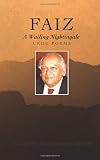
- Used Book in Good Condition
Rank #3

Product prices and availability are accurate as of the date/time indicated and are subject to change. Any price and availability information displayed on Amazon at the time of purchase will apply.




