Quick wins for a faster PC:
Clear out junk files and repair common Windows errorsFree Scan →Fix the driver behind crashes, sound loss and screen glitchesFind Drivers →Repair Windows errors before they cause bigger problemsFix Now →Blake Lively accused It Ends With Us co-star and director Justin Baldoni of sexual harassment during the film’s production and retaliation afterward. Baldoni denied the allegations. A judge dismissed Lively’s federal Title VII harassment claims because she was an independent contractor for that statute, but some retaliation and contract claims remained. Those claims settled before trial, so there was no jury verdict deciding whether the alleged harassment or retaliation occurred.
What did Blake Lively allege, and how did Baldoni respond?
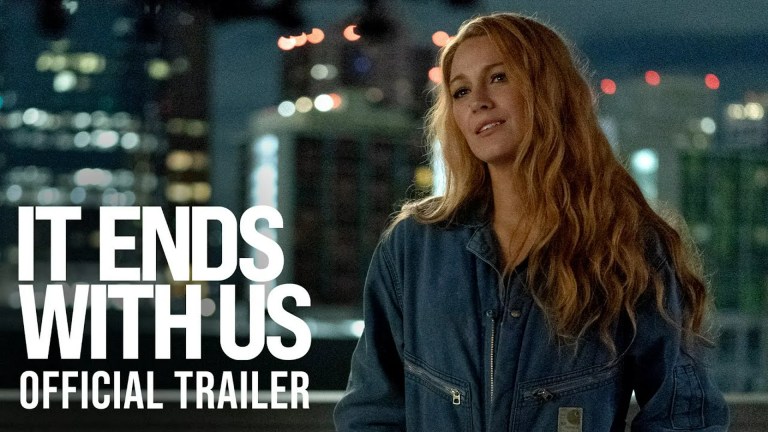
Lively, who starred in and produced the 2024 film It Ends With Us, sued Baldoni and production company Wayfarer Studios in December 2024. In allegations recounted by the Associated Press, she said Baldoni made inappropriate comments about her appearance, engaged in unwanted physical contact during a filmed love scene, and pressured her to perform nudity during a birth scene. She also alleged that a campaign was organized to damage her reputation after she raised concerns.



Baldoni denied harassing Lively and denied organizing a smear campaign. He argued that her complaints were fabricated as part of an effort to gain creative control of the film. These were opposing parties’ claims and defenses, not findings of fact.
What did the judge decide in April 2026?
On April 2, 2026, U.S. District Judge Lewis J. Liman dismissed Lively’s Title VII sexual-harassment claims. He concluded that she was an independent contractor, rather than an employee, for purposes of that federal statute. The ruling addressed whether those claims could proceed under Title VII; it was not a finding that the alleged conduct did not happen.
#1 Best Overall
Some retaliation-related and contract claims survived the ruling and were set to go to trial. The opinion also addressed the context of a creative film scene when considering allegations and evidence. Liman wrote: “Creative artists, no less than comedy room writers, must have some amount of space to experiment within the bounds of an agreed script without fear of being held liable for sexual harassment.” That sentence was part of the opinion’s context-specific analysis, not a blanket rule that harassment claims cannot arise from film work.
How did the claims end?
In May 2026, before the scheduled May 18 trial, the parties settled the remaining claims in the Lively action. Their joint statement said Lively’s concerns “deserved to be heard” and that they “remain firmly committed to workplaces free of improprieties and unproductive environments.” The terms were not publicly disclosed in the Associated Press’s May 4 settlement report.
| Proceeding or claim | Outcome |
|---|---|
| Lively’s Title VII sexual-harassment claims | Dismissed on April 2, 2026, because she was an independent contractor for purposes of the statute. |
| Some retaliation-related and contract claims | Survived the April ruling, then settled before the scheduled trial. |
| Remaining Lively action | Settled in May 2026; no jury verdict on the settled claims. |
| Fees and costs for Lively’s defense against dismissed defamation claims | Addressed separately in an August 2026 award; not damages for her harassment or retaliation claims. |
What was the later attorneys’ fee award about?
On August 26, 2026, Judge Liman awarded Lively $363,245 in attorneys’ fees and $44,206 in costs for her defense against Baldoni and Wayfarer’s dismissed defamation claims under California Civil Code Section 47.1, according to the Associated Press report published by The Washington Post. Lively had sought about $8 million. The award concerned that separate defamation-claim matter; it did not decide the merits of the harassment and retaliation claims that had settled.
Independent reader supportYour contribution helps us test, update, and keep practical guides available for everyone.What the case did—and did not—establish
- Lively made allegations of harassment during production and retaliation afterward; Baldoni denied them and disputed her account.
- The Title VII harassment claims were dismissed based on Lively’s employment status for that statute, not because a jury found the alleged events did not occur.
- The remaining retaliation and contract claims settled before trial, leaving no jury verdict on those claims.
- The parties did not publicly disclose the settlement terms in the cited Associated Press coverage.
- The later fee-and-cost award related to dismissed defamation claims, not compensation for the settled harassment or retaliation claims.
The procedural outcomes and party positions are described in the Southern District of New York’s April 2, 2026 opinion and Associated Press coverage dated May 4 and August 26, 2026.
Quick Recap
Best Value
Product prices and availability are accurate as of the date/time indicated and are subject to change. Any price and availability information displayed on Amazon at the time of purchase will apply.