Santa Claus movies endure because they sit at the crossroads of myth and modern storytelling, where ancient folklore meets the emotional needs of each new generation. Long before cinema, Santa was already a shared cultural story shaped by generosity, mystery, and hope, and film gave that figure a face, a voice, and a world audiences could return to every December. From black-and-white classics to glossy studio spectacles, these movies invite viewers to believe not just in Santa, but in the possibility of kindness triumphing over cynicism.
What makes the best Santa Claus movies timeless is how flexibly they interpret the man in red. Sometimes he is a literal immortal, sometimes a reluctant hero, sometimes a symbol of belief filtered through a child’s eyes or an adult’s skepticism. Whether played for sincerity, comedy, or even subversion, Santa functions as a narrative mirror, reflecting what each era wants to believe about family, generosity, and the magic hiding in plain sight.
| # | Preview | Product | Price | |
|---|---|---|---|---|
| 1 |
![The Original Christmas Specials Collection [Blu-ray]](https://m.media-amazon.com/images/I/51rmm4ViuoL._SL160_.jpg)
|
The Original Christmas Specials Collection [Blu-ray] | $19.96 | Buy on Amazon |
| 2 |

|
Christmas Story, A (4K Ultra HD + Blu-ray) | $16.12 | Buy on Amazon |
| 3 |
![Dr. Seuss' How The Grinch Stole Christmas [Blu-ray]](https://m.media-amazon.com/images/I/51vMO3DPChL._SL160_.jpg)
|
Dr. Seuss' How The Grinch Stole Christmas [Blu-ray] | $9.99 | Buy on Amazon |
| 4 |
|
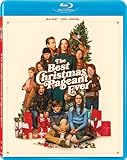
The Best Christmas Pageant Ever - DVD, BLURAY, Digital | $14.04 | Buy on Amazon |
As the holiday film canon has grown, Santa movies have evolved with their audiences while remaining deeply traditional. They balance ritual and reinvention, offering comfort viewing for families and nostalgic rewatches for adults who first encountered these stories as children. This list curates the Santa Claus movies that have lasted not just because they are seasonal staples, but because they understand why Santa still matters, how each portrayal reshapes the legend, and which viewers are most likely to feel that familiar spark of Christmas magic.
How We Ranked Them: Criteria for the Definitive Santa Claus Movie List
Creating a definitive Santa Claus movie list means balancing personal nostalgia with critical perspective. Some films endure because they are beautifully made, others because they are ritual viewing passed down through families, and the very best manage to be both. To honor that balance, each entry was evaluated through a set of criteria designed to reflect why these movies continue to matter every holiday season.
#1 Best Overall
The Portrayal of Santa Claus
At the heart of every film on this list is its interpretation of Santa himself. Whether portrayed as an immortal legend, a weary public servant, or an ordinary man thrust into an extraordinary role, the character needed to feel essential to the story rather than ornamental. Performances that shaped how generations imagine Santa carried significant weight in the rankings.
Emotional Impact and Holiday Spirit
A great Santa movie earns its place by delivering more than surface-level cheer. Films were evaluated on how effectively they evoke warmth, wonder, and emotional resonance, particularly across age groups. The strongest entries offer sincere moments of belief, generosity, or reconciliation that linger long after the credits roll.
Longevity and Rewatchability
Holiday films are defined by repetition, and only certain Santa movies withstand annual revisits without losing their magic. Rankings favored movies that feel as rewarding on the fifth or fifteenth viewing as they did the first time. Cultural staying power, tradition-building potential, and seasonal comfort all factored heavily here.
Craft, Tone, and Storytelling
While Christmas sentiment matters, filmmaking quality could not be ignored. Direction, writing, pacing, and production design were all considered, particularly how well they serve the story’s tone. From elegant studio classics to broad comedies and modern fantasy adventures, films were judged on how confidently they execute their creative vision.
Free tools Windows power users keep installed
One-click scans. No signup required.
Audience Appeal Across Generations
Santa Claus movies often function as shared family experiences, so versatility mattered. Films that speak to children without alienating adults, or offer layered humor and themes that grow richer with age, ranked higher. The goal was to identify movies that can anchor family viewing traditions while still rewarding solo rewatches by longtime fans.
Contribution to the Santa Claus Movie Canon
Finally, each film was assessed by what it adds to the evolving mythology of Santa on screen. Some entries redefined the character for their era, while others perfected familiar storytelling beats. Innovation, influence, and the ability to reshape audience expectations all helped determine a movie’s placement on the list.
The Definitive Ranking: Best Santa Claus Movies of All Time (From #10 to #1)
#10 Arthur Christmas (2011)
A modern animated entry that earned its place through heart and clever reinvention, Arthur Christmas imagines Santa’s operation as a high-tech machine powered by tradition and logistics. Jim Broadbent’s Santa is weary but dignified, while the film’s true focus rests on legacy and kindness over efficiency. It’s a perfect fit for families looking for a contemporary holiday movie that still believes deeply in Santa’s purpose.
#9 The Polar Express (2004)
Robert Zemeckis’ ambitious animated spectacle remains one of the most immersive portrayals of Christmas belief ever put on screen. Santa appears sparingly but powerfully, depicted as an almost mythic figure whose presence validates faith itself. Best appreciated by viewers drawn to atmosphere, wonder, and the dreamlike side of Christmas storytelling.
Windows Errors? Fix Them Before They Spread
Repair common Windows errors and clear accumulated junk for a smoother, more stable PC - no reinstall needed.Free scan · no reinstallCrashes, No Sound, or Screen Glitches?
Random freezes, missing sound and display glitches usually trace back to one bad driver. Find and replace yours safely.Free scan · under a minute#8 Rise of the Guardians (2012)
This visually striking fantasy reframes Santa Claus as a bold, warrior-like guardian of joy, complete with tattoos and a booming laugh. While unconventional, the film expands Santa mythology in refreshing ways, positioning him as a defender of childhood belief. It appeals most to older kids and teens who enjoy action-driven holiday adventures with emotional depth.
#7 Santa Claus Is Comin’ to Town (1970)
One of the most influential Rankin/Bass specials ever made, this stop-motion classic essentially wrote the modern Santa origin story. From chimneys to red suits to gift-giving philosophy, its narrative shaped how generations understand Santa’s beginnings. Nostalgic, gentle, and endlessly replayable, it remains a foundational holiday text.
#6 The Year Without a Santa Claus (1974)
This melancholy-tinged Rankin/Bass favorite stands out for giving Santa emotional vulnerability. Tired, doubtful, and contemplating retirement, this Santa feels deeply human, making his eventual renewal all the more powerful. It resonates strongly with adults while still enchanting younger viewers through music and colorful characters.
#5 Bad Santa (2003)
The most subversive Santa movie ever made, Bad Santa deliberately tears down the icon to expose darker truths beneath holiday commercialization. Billy Bob Thornton’s profane, broken con man Santa is shocking but oddly cathartic, offering an anti-sentimental counterpoint to traditional fare. This entry is strictly for adult audiences but remains a bold, enduring cult classic.
Do these 3 things before closing this tab:
1Repair Windows errors before they cause bigger problems2Fix the driver behind crashes, sound loss and screen glitches3Clear out junk files and repair common Windows errors#4 The Santa Clause (1994)
Tim Allen’s career-defining holiday hit reimagines Santa as a mantle rather than a man, blending corporate satire with heartfelt family comedy. Its portrayal of Santa as both magical symbol and reluctant responsibility helped define 1990s Christmas cinema. It’s a perennial favorite for families who enjoy humor grounded in emotional transformation.
#3 Klaus (2019)
Netflix’s animated triumph reframes Santa Claus through a gorgeously crafted origin story rooted in kindness and community. J.K. Simmons’ Klaus is quiet, imposing, and deeply human, allowing myth to grow organically from good deeds. The film’s emotional maturity and visual artistry make it a modern classic destined for long-term holiday rotation.
#2 Elf (2003)
Few Santa portrayals balance warmth, authority, and comedic grounding as effectively as Ed Asner’s turn in Elf. While Will Ferrell’s Buddy steals the spotlight, this Santa anchors the film’s belief-versus-cynicism theme with sincerity. It’s a rare holiday comedy that delights children, adults, and repeat viewers equally.
#1 Miracle on 34th Street (1947)
The definitive Santa Claus movie, and arguably the most meaningful Christmas film ever made, Miracle on 34th Street presents Santa as an idea powerful enough to challenge legal systems and hardened skepticism. Edmund Gwenn’s Oscar-winning performance defines Santa as compassionate, intelligent, and quietly revolutionary. Decades later, no film captures the spirit, responsibility, and magic of Santa Claus more completely.
Classic Santas: Timeless Portrayals That Defined the Holiday Screen
Before Santa Claus became a genre-spanning character capable of comedy, satire, and reinvention, early film and television portrayals established him as a figure of moral certainty and gentle authority. These performances didn’t chase subversion or spectacle; they aimed to embody belief itself. The result was a screen Santa who felt less like a character and more like a seasonal presence audiences could trust.
Miracle on 34th Street and the Gold Standard of Belief
Although it tops the ranking for good reason, Miracle on 34th Street also stands as the foundational text for cinematic Santa. Edmund Gwenn’s Kris Kringle isn’t defined by magic tricks or visual effects, but by quiet conviction and human decency. His Santa operates in the real world, confronting cynicism with logic and compassion, a portrayal that influenced every sincere Santa performance that followed.
Rankin/Bass and the Voice of Animated Santa
For generations raised on television specials, the definitive Santa came not from live-action films but from stop-motion animation. Mickey Rooney’s spirited performance in Santa Claus Is Comin’ to Town gave Santa a youthful optimism and emotional arc, turning him into a folk hero shaped by generosity rather than destiny. These specials cemented Santa as a storyteller’s figure, approachable, flawed, and earnestly good.
Santa Claus: The Movie and Mythic Grandeur
David Huddleston’s turn in Santa Claus: The Movie presented a larger-than-life Santa rooted in classical fantasy. This version leaned into mythology, workshop lore, and the burden of immortality, framing Santa as a custodian of joy rather than a seasonal gimmick. Though uneven as a film, its reverent portrayal left a lasting impression on 1980s audiences.
The Tool Desk
Outbyte PC Repair FREEClear out junk files and repair common Windows errorsFree Scan →Outbyte Driver Updater FREEFix the driver behind crashes, sound loss and screen glitchesFind Drivers →The Enduring Power of the Traditional Santa
What unites these classic portrayals is restraint. Santa wasn’t ironic, edgy, or self-aware; he was dependable, principled, and emotionally sincere. In an era before constant reinvention, these films defined Santa Claus as a moral compass for the holidays, a role modern interpretations continue to react to, reinterpret, or deliberately challenge.
Modern & Alternative Santas: Reinventing the Man in Red for New Generations
By the late 20th century, Santa Claus had become so culturally fixed that reinvention was inevitable. Filmmakers began asking what Santa meant in a more self-aware, media-saturated world, and whether belief could survive irony, adulthood, or changing family dynamics. The result was a wave of films that didn’t discard Santa’s symbolism, but reframed it for contemporary audiences with humor, skepticism, and emotional recalibration.
The Santa Clause and the Accidental Inheritance of Belief
The Santa Clause remains one of the most influential modern Santa films because it treats becoming Santa as a legal and emotional obligation rather than a calling. Tim Allen’s Scott Calvin is not chosen for purity or wonder, but thrust into the role through accident and responsibility. The film’s brilliance lies in how it parallels parenthood, belief in Santa becoming inseparable from belief in adulthood, accountability, and showing up when it matters.
For families, The Santa Clause endures as a gateway film, funny enough for adults yet sincere enough for children. Its sequels may vary in quality, but the original stands as a smartly structured reinvention that respects Santa’s legacy while grounding him in modern anxieties.
Elf and the Power of Earnestness in an Ironic Age
If The Santa Clause updated Santa through realism, Elf revived him through sincerity. Ed Asner’s Santa is weary but resolute, a classic figure struggling in a world that has lost its capacity for belief. What makes Elf a modern classic is not just Will Ferrell’s joyful performance, but the film’s refusal to mock its own sentiment.
Elf argues that belief is an active choice, one that requires vulnerability rather than cynicism. Its Santa doesn’t dominate the narrative, but his presence anchors the film’s emotional stakes, making it a perennial favorite for viewers who want contemporary comedy without sacrificing holiday warmth.
Rank #3
- Dr. Seuss' How The Grinch Stole Christmas - Blu-ray Brand New
Bad Santa and the Deliberate Desecration of the Icon
Bad Santa represents the most extreme reaction against traditional portrayals, using Santa as a vessel for cultural disillusionment. Billy Bob Thornton’s Willie Soke is intentionally profane, cruel, and morally bankrupt, a direct inversion of everything Santa traditionally represents. Yet beneath the shock value lies a grim character study about damage, self-loathing, and the possibility of minimal redemption.
This is not a Santa for families, but it is an important entry in the canon because it proves how resilient the icon is. Even when dismantled, Santa’s symbolism remains powerful enough to support satire, making Bad Santa a cult favorite for viewers who prefer their holiday films sharp-edged and adult.
Animated Reinvention and Global Mythmaking
Modern animation has also expanded Santa’s mythology beyond North America. Rise of the Guardians reimagines Santa as a warrior-like protector of childhood wonder, complete with global folklore influences and mythic stakes. This version of Santa is energetic, visually striking, and designed to appeal to younger audiences raised on fantasy franchises.
Similarly, Klaus offers a quieter, more radical reinvention by presenting Santa not as magical, but as myth constructed through kindness and community. Its hand-drawn animation and emotionally grounded storytelling make it especially resonant for viewers who appreciate thoughtful world-building and understated sentiment.
Why These Santas Matter Now
Modern and alternative Santa films reflect changing relationships with tradition itself. They acknowledge skepticism, fractured families, and cultural fatigue, while still searching for reasons to believe. Whether played for comedy, critique, or quiet reinvention, these Santas prove that the character’s power lies not in sameness, but in adaptability across generations.
Independent reader supportYour contribution helps us test, update, and keep practical guides available for everyone.Family Favorites vs. Adult Cult Classics: Choosing the Right Santa for Your Viewing Mood
The sheer range of Santa Claus movies reflects how elastic the character has become. For some viewers, Santa is still a moral compass and comfort figure, anchoring traditions that feel timeless and safe. For others, he’s a canvas for satire, cynicism, or genre experimentation, shaped by changing tastes and cultural moods.
Quick wins for a faster PC:
Clear out junk files and repair common Windows errorsFree Scan →Scan for outdated or missing drivers - takes under a minuteDriver Scan →Repair Windows errors before they cause bigger problemsFix Now →Understanding that divide is key to curating the right holiday watchlist. The best Santa films don’t compete with one another so much as serve different emotional needs, depending on whether the season calls for reassurance or release.
The Enduring Appeal of Family-Friendly Santas
Family favorites tend to present Santa as a figure of stability, even when the stories around him evolve. Miracle on 34th Street, in both its 1947 original and polished 1994 remake, frames Santa as a quiet test of faith, asking whether belief itself has value in a rational world. These films endure because they treat Santa less as fantasy and more as a social idea worth defending.
More modern crowd-pleasers like The Santa Clause and Elf lean into comedy without abandoning sincerity. Tim Allen’s reluctant Santa embodies parental anxiety and responsibility, while Will Ferrell’s Buddy captures unfiltered joy in a cynical adult landscape. These portrayals resonate with families because they allow growth, humor, and warmth to coexist.
When Santa Becomes Subversive
Adult-oriented Santa films operate on a different wavelength, using the icon to challenge expectations rather than reinforce them. Bad Santa strips away myth entirely, exposing the ugliness beneath commercialized cheer. Its appeal lies not in comfort, but in confrontation, offering viewers a cathartic counter-programming to seasonal sentimentality.
Recommended Free Tools
Recent cult entries like Violent Night push this even further, transforming Santa into an action-movie avenger. These films work precisely because audiences already understand the traditional version so well. The subversion lands because it plays against decades of cultural shorthand.
Matching the Movie to the Moment
Choosing the right Santa often depends on context as much as taste. Family gatherings, childhood nostalgia, and shared rituals naturally gravitate toward benevolent, affirming portrayals. These films reinforce continuity, reminding viewers why Santa became a symbol worth passing down in the first place.
Late-night viewings, adult-only crowds, or viewers burned out on conventional holiday messaging may find more satisfaction in irreverent or darker takes. These Santas don’t replace the classics; they coexist with them, proving that the character’s longevity comes from his ability to adapt to every generation’s viewing mood.
Rank #4
- The Herdmans are absolutely the worst kids in the world. They lie, steal & bully?and now they?ve hijacked the town Christmas pageant. Grace (Judy Greer) is directing the performance for the very first time, but she and her family are in over their heads, especially against a town that wants the Herdmans out. But the play?s mischievous stars might just teach the town the true meaning of Christmas.
Honorable Mentions: Beloved Santa Films That Just Missed the List
Some Santa films fall just outside the core canon not because they lack charm, but because the competition is so enduring. These titles remain seasonal staples, beloved by specific audiences and essential to understanding how elastic the Santa myth has become across genres, generations, and tones.
What’s actually slowing this PC down?
Pick the symptom - the matching free tool is one click away.
The Year Without a Santa Claus (1974)
Rankin/Bass’s stop-motion classic remains one of the most emotionally resonant animated Santa stories ever made. Its version of Santa is weary, vulnerable, and deeply human, confronting burnout long before it became a cultural talking point. While its episodic structure keeps it from broader dominance, Snow Miser and Heat Miser have secured its immortality in holiday pop culture.
Santa Claus Is Comin’ to Town (1970)
This origin story leans fully into mythmaking, constructing a Santa defined by generosity as an act of rebellion. The film’s political undertones, with Santa as a disruptor of authoritarian control, feel surprisingly sharp beneath the cheerful songs. Its legacy is undeniable, even if its narrative ambition occasionally outweighs its emotional intimacy.
Jingle All the Way (1996)
Arnold Schwarzenegger’s chaotic holiday comedy captures a very specific strain of 1990s Christmas anxiety: consumerism run amok. Santa here is less a singular figure than a commercial battleground, culminating in a literal fight over symbolic meaning. It resonates most with viewers who remember the era’s toy crazes firsthand.
Rise of the Guardians (2012)
This visually striking animated epic reimagines Santa as a larger-than-life warrior of wonder, complete with tattoos and an imposing physical presence. While Santa shares the spotlight with other mythic figures, his portrayal reinforces the idea that belief itself requires defense. The film’s ambition is admirable, even if its ensemble focus keeps Santa from fully anchoring the story.
Crashes, No Sound, or Screen Glitches?
Random freezes, missing sound and display glitches usually trace back to one bad driver. Find and replace yours safely.Free scan · under a minutePC Slower Than It Used to Be?
A free scan shows the junk files, broken settings and background clutter dragging Windows down - then fixes them in one click.Free scan · Windows 10 & 11Arthur Christmas (2011)
A modern animated favorite, Arthur Christmas reframes Santa as an institution grappling with efficiency versus empathy. The film’s generational Santa dynamic offers one of the smartest critiques of logistical perfection overshadowing human connection. Its heartfelt sincerity has grown with time, earning it a loyal following that continues to expand each holiday season.
These honorable mentions may not define Santa cinema on their own, but they enrich it. Each reflects a specific cultural moment, audience need, or creative experiment, reinforcing why Santa remains one of film’s most adaptable and enduring icons.
Final Verdict: Which Santa Claus Movie Is Right for Your Holiday Tradition?
Choosing the definitive Santa Claus movie ultimately comes down to what you want the season to feel like. Santa has worn many cinematic faces over the decades, from gentle miracle-worker to mythic guardian, corporate CEO, and reluctant symbol of belief. Each interpretation reflects not just a different era of filmmaking, but a different emotional need during the holidays.
For Timeless Warmth and Belief
If your holiday tradition centers on reassurance, faith, and quiet magic, nothing replaces Miracle on 34th Street. Its Santa exists to restore belief in goodness, not just in Christmas itself, and that sincerity continues to resonate across generations. This is the choice for viewers who want the season to slow down and feel meaningful.
For Family-Friendly Fantasy
The Santa Clause remains one of the most accessible gateways for younger viewers, blending humor, wish fulfillment, and heartfelt transformation. Its version of Santa is approachable and human, grounded in family dynamics rather than mythic distance. It’s ideal for households building shared traditions year after year.
For Nostalgia and Stop-Motion Charm
Rankin/Bass classics like Rudolph the Red-Nosed Reindeer and Santa Claus Is Comin’ to Town thrive on familiarity and ritual. These films feel inseparable from television broadcasts, hot cocoa, and remembered childhoods. They work best when watched not for plot momentum, but for atmosphere and emotional continuity.
For Modern Sensibilities and Emotional Depth
Arthur Christmas speaks most clearly to contemporary audiences wrestling with efficiency, technology, and the fear of losing empathy along the way. Its Santa legacy is institutional rather than mystical, but its heart is firmly in the right place. This is a holiday film for viewers who want warmth without sentimentality.
For Comedy and Cultural Commentary
If laughter and reflection on consumer culture are your priorities, Jingle All the Way delivers chaotic energy with surprising insight. Its Santa is fractured across capitalism, performance, and desperation, mirroring the anxieties of its era. It’s best enjoyed by those who recognize how absurd the season can become.
What’s actually slowing this PC down?
Pick the symptom - the matching free tool is one click away.
In the end, the best Santa Claus movie isn’t about ranking perfection, but alignment. Santa endures on screen because he adapts to the audience watching him, reflecting what each generation hopes, fears, or needs most during the holidays. Whether your tradition leans nostalgic, comedic, heartfelt, or mythic, there’s a Santa waiting to step out of the snow and into your living room.
Quick Recap
Product prices and availability are accurate as of the date/time indicated and are subject to change. Any price and availability information displayed on Amazon at the time of purchase will apply.




