What’s actually slowing this PC down?
Pick the symptom - the matching free tool is one click away.
At the dawn of the 1990s, Walt Disney Animation Studios was at a crossroads, still recovering from a creatively uneven decade that followed Walt Disney’s death. What emerged instead was an unprecedented creative resurgence, fueled by new leadership, revitalized storytelling ambition, and a renewed belief in animation as a cinematic art form rather than mere children’s fare. The release of The Little Mermaid in 1989 didn’t just mark a comeback; it ignited a decade-long run that redefined what Disney animation could achieve artistically, culturally, and commercially.
Throughout the 1990s, Disney combined Broadway-caliber musical storytelling with classical fairy tales, literary adaptations, and bold original concepts. Films like Beauty and the Beast and The Lion King elevated animated features to awards-season contenders and global pop-culture events, while animators experimented with digital tools that enhanced, rather than replaced, traditional hand-drawn craftsmanship. This era balanced emotional sincerity with technical innovation, allowing characters to feel more psychologically complex and stories to resonate with both children and adults in ways Disney had rarely achieved before.
| # | Preview | Product | Price | |
|---|---|---|---|---|
| 1 |
|
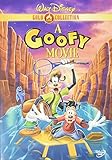
Goofy Movie, A | $7.98 | Buy on Amazon |
| 2 |

|
Jungle Book, The | $12.99 | Buy on Amazon |
| 3 |

|
Tarzan | $9.96 | Buy on Amazon |
| 4 |

|
The Lizzie McGuire Movie | $8.55 | Buy on Amazon |
Just as importantly, the Renaissance era reestablished Disney as the gold standard of mainstream animation, influencing everything from rival studios to television animation and theme park design. The movies of this decade weren’t just box office successes; they became generational touchstones, shaping how audiences understood heroism, romance, villainy, and even identity. Ranking these films isn’t simply about popularity or nostalgia, but about measuring how each entry contributed to a creative peak that still defines Disney’s legacy today.
How This Ranking Was Determined: Story, Innovation, and Cultural Impact
Ranking Disney’s 1990s output requires more than tallying box office numbers or chart-topping soundtracks. This list weighs how each film functions as a piece of storytelling, how boldly it pushed the medium forward, and how deeply it embedded itself into popular culture. The goal isn’t to diminish beloved favorites, but to examine why certain films continue to feel essential decades later.
#1 Best Overall
- Goofy finds himself up to his floppy ears in misadventure and is driven to distraction when he takes Max on a fishing trip in an effort to bridge the gap and spend some quality time bonding with his offspring. Max, who has nightmares about turning into a goof like his dad, would rather spend time with the lovely Roxanne--who has finally agreed to go out with him--but is dragged along for the ride
Storytelling and Character Depth
At the core of every great Disney film is a story that works on multiple levels, and the Renaissance era excelled at narrative sophistication. Films were evaluated on structure, emotional clarity, and how effectively their themes resonate beyond childhood. Protagonists with inner conflicts, villains with ideological weight, and stories willing to embrace melancholy or moral ambiguity ranked higher than those that played it safe.
Character development also played a crucial role in placement. The 1990s marked a shift toward heroes and heroines with agency, doubts, and evolving identities, from Ariel’s yearning for autonomy to Simba’s reckoning with guilt and responsibility. Movies that trusted audiences to engage with complex emotions naturally rose in the rankings.
Artistic Innovation and Technical Achievement
The Renaissance era was defined by its ability to merge classical animation with emerging technology, and innovation mattered greatly in this ranking. Films were assessed on how effectively they used tools like CAPS, computer-assisted camera movement, and digital compositing without losing the warmth of hand-drawn animation. When technology served storytelling rather than spectacle alone, it elevated a film’s standing.
Equally important was artistic ambition. Visual design, musical integration, and directorial confidence all factored into how these movies expanded Disney’s creative vocabulary. Whether through Broadway-style staging, daring color palettes, or operatic musical sequences, the most innovative films helped redefine what animated cinema could look and feel like.
Cultural Impact and Lasting Legacy
A defining trait of the best Disney movies of the 1990s is how deeply they permeated culture beyond their theatrical runs. This includes influence on animation as a medium, presence in awards conversations, and longevity in public consciousness through music, quotes, and imagery. Films that reshaped audience expectations or became reference points for future generations earned higher placement.
Legacy also extends to how these movies aged. Some titles have grown more relevant with time, while others reflect the era that produced them more clearly. This ranking favors films that continue to spark discussion, reinterpretation, and emotional connection, proving that Disney’s Renaissance wasn’t just a moment, but a foundation that still supports the studio’s identity today.
The Definitive Ranking: Disney’s 90s Films from Good to Great
What follows is not merely a list, but a critical ascent through Disney’s 1990s output, moving from solid achievements to era-defining masterpieces. Every film here contributed to the Renaissance in some way, but placement reflects how fully each title realized Disney’s evolving ambitions in storytelling, artistry, and cultural resonance.
10. The Rescuers Down Under (1990)
Often overlooked, The Rescuers Down Under deserves recognition as the quiet technical trailblazer of the decade. It was Disney’s first feature made entirely using the CAPS system, allowing for dynamic camera movement and sweeping landscapes that still feel impressive. However, its straightforward narrative and absence of musical numbers make it feel more like a transitional experiment than a full Renaissance statement.
While admired by animation historians, the film never quite embedded itself into popular culture. Its legacy is primarily behind the scenes, laying groundwork for what was about to come rather than standing as a defining emotional experience itself.
9. Pocahontas (1995)
Pocahontas is one of Disney’s most visually sumptuous films, with painterly backgrounds, fluid character animation, and a color palette that evokes moving artwork. Musically, it delivered enduring songs like “Colors of the Wind,” which helped secure its cultural footprint. Ambition clearly guided its creation, as Disney aimed for thematic gravity and historical resonance.
Yet its storytelling choices, particularly its simplification of real history, have complicated its legacy. While emotionally earnest and technically accomplished, it often feels constrained by the tension between mythmaking and responsibility.
8. Hercules (1997)
Hercules stands out stylistically, embracing a bold, caricature-driven aesthetic inspired by Greek vase art and 1990s pop sensibilities. Its gospel-infused soundtrack and comedic energy make it one of the era’s most distinctive tonal experiments. The film’s self-awareness and humor have earned it a strong cult following over time.
Narratively, it lacks the emotional weight of the top-tier Renaissance films, favoring momentum and jokes over introspection. Still, its willingness to break from Disney’s traditional visual and musical molds makes it a vital part of the decade’s creative evolution.
7. Tarzan (1999)
As the Renaissance drew to a close, Tarzan arrived as a technical and emotional powerhouse. The Deep Canvas technology allowed characters to move seamlessly through three-dimensional jungle environments, creating action sequences unlike anything Disney had attempted before. Phil Collins’ soundtrack, unconventional in its use of diegetic narration, became inseparable from the film’s identity.
While its story follows familiar beats, Tarzan’s themes of identity and belonging resonate strongly. It represents the culmination of Disney’s 1990s technical ambition, even as the studio prepared to transition into a new era.
6. Mulan (1998)
Mulan marked a pivotal shift in Disney’s approach to heroism. Its protagonist succeeds not through destiny or romance, but through ingenuity, perseverance, and self-discovery. The film balances humor, action, and sincerity with impressive tonal control, anchored by a quietly powerful lead performance.
Outdated Drivers Are Slowing You Down
One free scan finds every outdated or missing driver and matches the right update for your exact hardware.Free scan · exact hardware matchWindows Errors? Fix Them Before They Spread
Repair common Windows errors and clear accumulated junk for a smoother, more stable PC - no reinstall needed.Free scan · no reinstallCulturally, Mulan expanded Disney’s portrayal of female agency in meaningful ways. While its musical lineup is more restrained than earlier Renaissance entries, its influence on character-driven storytelling is undeniable.
5. Aladdin (1992)
Aladdin injected Disney animation with anarchic energy and contemporary humor, largely through the singular performance of Robin Williams as the Genie. The film’s pacing, comedic density, and pop-cultural references made it feel thrillingly modern upon release. Its musical numbers remain among the most entertaining of the era.
Despite some dated elements, Aladdin’s impact on character comedy and voice performance is immense. It demonstrated that Disney animation could be both reverent of tradition and wildly irreverent at the same time.
Rank #2
4. Beauty and the Beast (1991)
Beauty and the Beast represents Disney’s most elegant fusion of animation and Broadway-inspired storytelling. Its use of CAPS technology in the ballroom sequence was revolutionary, seamlessly blending hand-drawn characters with three-dimensional space. The film’s structure, pacing, and musical integration set a new standard for animated features.
Its Academy Award Best Picture nomination was a watershed moment, signaling animation’s legitimacy as cinematic art. More than three decades later, its emotional clarity and craftsmanship remain astonishing.
3. The Lion King (1994)
The Lion King is Disney mythmaking at its most operatic. Drawing from Shakespearean tragedy and African-inspired imagery, it delivers a story of loss, guilt, and redemption with epic confidence. Hans Zimmer’s score and Elton John and Tim Rice’s songs elevated the film into cultural ubiquity.
Its influence extends far beyond animation, shaping Broadway, merchandising, and Disney’s global brand. Few animated films have ever felt this monumental or universally resonant.
2. The Little Mermaid (1989)
Though released at the tail end of the 1980s, The Little Mermaid is the spark that ignited the Renaissance. It reintroduced musical storytelling, romantic yearning, and character-driven narratives to a studio in creative recovery. Ariel’s desire for autonomy marked a significant evolution in Disney’s portrayal of heroines.
The Tool Desk
Outbyte Driver Updater FREEFix the driver behind crashes, sound loss and screen glitchesFind Drivers →Outbyte PC Repair FREERepair Windows errors before they cause bigger problemsFix Now →Its success reshaped Disney’s future and reestablished trust with audiences. Every film that followed stands, in some way, on its foundation.
1. Toy Story (1995)
While often debated due to its Pixar origins, Toy Story is inseparable from Disney’s 1990s legacy and stands as the decade’s most transformative achievement. As the first fully computer-animated feature, it fundamentally changed animation’s trajectory while delivering a story rich in humor, heart, and existential insight. Its characters grapple with relevance, jealousy, and friendship in ways that feel startlingly human.
Toy Story didn’t just succeed; it redefined what animated films could be. Its influence extends across studios, generations, and mediums, making it the ultimate culmination of Disney’s 1990s creative renaissance.
The Top Tier (10–6): Technical Brilliance, Musical Power, and Growing Ambition
This stretch of the ranking captures Disney in restless creative motion. These films may not dominate the cultural conversation like the top five, but they represent a studio experimenting with technology, tone, and genre while sharpening the tools that defined the Renaissance at its peak.
Quick wins for a faster PC:
Repair Windows errors before they cause bigger problemsFix Now →Scan for outdated or missing drivers - takes under a minuteDriver Scan →10. The Rescuers Down Under (1990)
Often overlooked, The Rescuers Down Under is one of Disney’s most technically important films of the decade. It was the first feature-length animation fully produced using the CAPS digital ink-and-paint system, allowing for dynamic camera movement and unprecedented visual depth. The eagle flight sequence remains a landmark in animated cinematography.
Narratively, it favors adventure over musical spectacle, which likely limited its mass appeal. Still, its craftsmanship and ambition mark it as a quiet but essential stepping stone into the Renaissance era’s visual sophistication.
9. Pocahontas (1995)
Pocahontas reflects Disney grappling with mature themes and real-world history, even if the execution remains controversial. Visually, the film is stunning, with color design and environmental animation among the studio’s most painterly achievements. Alan Menken’s score, particularly “Colors of the Wind,” carries emotional weight and cultural impact.
The film’s legacy is complicated by its historical inaccuracies and simplified politics. Yet as a product of the 1990s Renaissance, it represents Disney’s growing ambition to tell stories that reached beyond fairy tales, even when the results were uneven.
Recommended Free Tools
8. Hercules (1997)
Hercules stands out for its bold stylistic choices and comedic confidence. Inspired by Greek vase art and driven by gospel-infused musical numbers, the film embraces an irreverent tone that feels distinct within the Disney canon. James Woods’ Hades remains one of the era’s most entertaining villains.
While its emotional core is lighter than other Renaissance entries, Hercules thrives on energy, wit, and visual experimentation. Over time, it has become a cult favorite, appreciated for its willingness to break formula without losing Disney’s essential charm.
7. Tarzan (1999)
Tarzan represents the technological culmination of Disney’s hand-drawn era. The Deep Canvas technique allowed characters to move fluidly through fully realized three-dimensional environments, giving the jungle sequences a visceral sense of motion and scale. The result is some of the most kinetic animation of the decade.
Phil Collins’ soundtrack, unconventional in its use of pop songs as narrative commentary, proved emotionally effective and commercially successful. Tarzan may not be the most complex Renaissance story, but its sensory impact and technical innovation secured its lasting appeal.
Do these 3 things before closing this tab:
1Clear out junk files and repair common Windows errors2Scan for outdated or missing drivers - takes under a minute3Repair Windows errors before they cause bigger problems6. Aladdin (1992)
Aladdin is pure entertainment executed with remarkable precision. Its rapid-fire humor, genre-blending energy, and Broadway-caliber songs make it endlessly rewatchable. Robin Williams’ Genie redefined the possibilities of voice performance in animation, injecting improvisational comedy into a traditionally structured musical.
Beyond its surface-level fun, Aladdin reflects Disney’s growing confidence in pacing, character dynamics, and audience sophistication. It may not reach the operatic heights of the top tier, but its influence and sheer joy cement its place as one of the Renaissance’s defining successes.
Rank #3
- The adventures of an orphaned infant raised by a family of gorillas and ultimately accepted as one of their own. As Tarzan matures into a young man with all the instincts of a jungle animal and the physical prowess of an athletic superstar, his life changes forever when he finally meets other humans, with whom he feels an immediate and irrestible bond.
The Elite Tier (5–2): Where Disney Perfected Modern Animated Storytelling
At this point in the ranking, Disney’s Renaissance stops being about experimentation and starts becoming about mastery. These films represent the studio at full creative stride, balancing ambitious themes with mainstream appeal and technical excellence. Each entry here didn’t just succeed; it redefined what audiences expected from animated storytelling.
5. Mulan (1998)
Mulan marked a turning point in how Disney portrayed heroism. Rather than destiny or royal lineage, the film centers on personal choice, sacrifice, and identity, framing its heroine’s journey as an act of courage rather than rebellion. It remains one of the studio’s most grounded and human narratives.
Free tools Windows power users keep installed
One-click scans. No signup required.
Visually, Mulan blends painterly minimalism with dynamic action, particularly during its war sequences. Jerry Goldsmith’s score and songs like “Reflection” underscore the film’s introspective tone, helping it resonate strongly with audiences who wanted something deeper than traditional romance.
4. The Hunchback of Notre Dame (1996)
The Hunchback of Notre Dame is arguably the boldest film Disney produced during the Renaissance. Tackling religious hypocrisy, social exclusion, and moral absolutism, it ventures into thematic territory few family films dared to approach. Its willingness to embrace darkness gives it a unique, haunting power.
The animation is grand and operatic, from the sweeping architecture of Paris to the emotional weight carried by Alan Menken’s choral-heavy score. While tonal shifts occasionally strain its accessibility, Hunchback stands as a testament to Disney’s confidence and artistic ambition at its peak.
3. Beauty and the Beast (1991)
Beauty and the Beast represents Disney’s full arrival into modern animation prestige. The first animated film nominated for Best Picture, it elevated the studio’s reputation almost overnight. Its story of empathy, growth, and emotional vulnerability feels timeless without ever becoming saccharine.
The film’s seamless integration of character-driven songs and narrative momentum set a new standard for animated musicals. From its innovative ballroom sequence to its carefully drawn emotional arcs, Beauty and the Beast exemplifies how elegance and emotional intelligence could coexist in mainstream animation.
2. The Lion King (1994)
Few animated films have left a cultural footprint as massive as The Lion King. Its blend of Shakespearean tragedy, African-inspired visual design, and unforgettable music created a cinematic experience that felt mythic in scope. For many viewers, it was their first exposure to loss, responsibility, and the weight of legacy.
The film’s technical achievements remain astonishing, particularly in its large-scale action sequences and expressive character animation. More than three decades later, The Lion King endures not just as a Disney classic, but as a defining piece of global pop culture that continues to shape how animated films are judged.
The #1 Film: The Definitive Masterpiece of Disney’s 1990s Era
1. Aladdin (1992)
If The Lion King represents Disney at its most mythic, Aladdin captures the studio at its most electric. Released at the height of the Renaissance, it feels fearless in its energy, humor, and storytelling velocity. Every frame pulses with confidence, as if Disney suddenly realized just how far animation could stretch without breaking.
Aladdin is a film powered by personality, and no element looms larger than Robin Williams’ Genie. His performance didn’t just steal the movie, it rewired the possibilities of animated characters altogether. The rapid-fire impressions, improvisational rhythm, and fourth-wall-bending comedy injected a modern, almost anarchic spirit that animation had never fully embraced before.
A Perfect Fusion of Comedy, Romance, and Spectacle
Yet Aladdin endures because it balances that comedic explosion with genuine emotional grounding. The central romance between Aladdin and Jasmine feels earned, driven by themes of identity, self-worth, and the tension between freedom and responsibility. Jasmine’s refusal to be treated as a prize rather than a person marked a subtle but meaningful evolution in Disney’s portrayal of its heroines.
Alan Menken’s score, paired with Howard Ashman and Tim Rice’s lyrics, strikes an ideal equilibrium between classic Broadway structure and contemporary flair. Songs like “Friend Like Me” and “A Whole New World” don’t merely pause the narrative; they define character, mood, and momentum. Few Disney soundtracks feel as inseparable from their film’s identity.
Why Aladdin Stands Above the Rest
Visually, Aladdin showcases Disney animation at peak efficiency rather than excess. Its stylized design, dynamic camera movement, and fluid action sequences serve the story without overwhelming it. The film understands pacing instinctively, moving with the confidence of a studio that had mastered its craft.
Outdated Drivers Are Slowing You Down
One free scan finds every outdated or missing driver and matches the right update for your exact hardware.Free scan · exact hardware matchPC Slower Than It Used to Be?
A free scan shows the junk files, broken settings and background clutter dragging Windows down - then fixes them in one click.Free scan · Windows 10 & 11More than any other 1990s Disney film, Aladdin feels endlessly rewatchable across generations. Its humor still lands, its music still soars, and its characters remain iconic without feeling frozen in time. As a complete package of storytelling, innovation, and cultural impact, Aladdin stands as the definitive masterpiece of Disney’s Renaissance era.
Independent reader supportYour contribution helps us test, update, and keep practical guides available for everyone.Honorable Mentions and Near-Misses of the Decade
Even in a decade as dominant as Disney’s Renaissance, not every essential film could claim a spot at the very top. These titles may not have cracked the final ranking, but each reflects a studio experimenting, evolving, and occasionally stumbling in ways that still feel artistically significant. In many cases, their ambitions rival the era’s crown jewels, even if execution or timing held them back.
Pocahontas (1995): Prestige Over Playfulness
Pocahontas arrived with enormous expectations, positioned by Disney as its next sweeping, Oscar-caliber epic. Visually, the film is stunning, boasting painterly backgrounds, expressive animation, and one of Alan Menken’s most lyrical scores. “Colors of the Wind” remains a defining anthem of the decade, both musically and thematically.
Where Pocahontas falters is in its tonal restraint. The film prioritizes earnestness and symbolism over character-driven momentum, resulting in a story that feels more reverent than emotionally dynamic. Its legacy has grown more complicated over time, but as a piece of 1990s animation craft, it remains an important, if imperfect, milestone.
The Hunchback of Notre Dame (1996): Disney at Its Darkest
Few Disney films of the 1990s dared to push boundaries quite like The Hunchback of Notre Dame. Its gothic atmosphere, operatic scale, and willingness to explore religious hypocrisy, lust, and moral corruption marked a dramatic departure from the studio’s comfort zone. Frollo stands as one of Disney’s most chilling villains, grounded in human monstrosity rather than fantasy.
Rank #4
- Condition: New
- Walt Disney Home Entertainment
- Rating: PG
The film’s struggle lies in its tonal whiplash. Gargoyles and broad comedy frequently clash with the gravity of Quasimodo’s story, preventing the film from fully committing to its darker instincts. Still, its ambition and visual power have earned it a passionate reassessment among fans and critics alike.
Hercules (1997): A Stylistic Swing That Nearly Connected
Hercules is often remembered as the Renaissance outlier, but that’s precisely what makes it fascinating. Its graphic, caricature-driven art style drew inspiration from Greek vase painting and modern editorial illustration, setting it apart from Disney’s usual romantic realism. James Woods’ Hades injects the film with sharp, contemporary humor that still crackles with energy.
Narratively, Hercules can feel episodic, and its emotional beats don’t always land with the same weight as the studio’s strongest efforts. Yet its visual experimentation and comedic confidence make it one of the decade’s most rewatchable entries, especially for audiences who appreciate Disney at its loosest and most playful.
Recommended Free Tools
Mulan (1998): On the Cusp of Greatness
Mulan occupies a unique space in the Renaissance canon, often hovering just outside the top tier. Its action sequences are among Disney’s most kinetic, and the avalanche scene remains a masterclass in animated tension and clarity. The film’s exploration of identity, honor, and self-determination resonates with a directness that feels refreshingly modern.
What keeps Mulan from absolute dominance is its occasional reliance on familiar comedic beats that soften its dramatic potential. Even so, the character of Mulan herself represents one of Disney’s most fully realized protagonists of the era, and the film’s influence only grows with time.
The Rescuers Down Under (1990): The Overlooked Technical Pioneer
Often forgotten in Renaissance discussions, The Rescuers Down Under quietly ushered in a new era of technical innovation. It was Disney’s first feature animated entirely using the CAPS digital system, enabling sweeping camera movements and dynamic environments previously impossible. The film’s opening flight sequence remains a standout technical achievement.
Its more subdued musical presence and smaller emotional footprint prevented it from achieving classic status. Nevertheless, its contribution to the evolution of Disney animation cannot be overstated, serving as the technological bridge to the decade that followed.
What’s actually slowing this PC down?
Pick the symptom - the matching free tool is one click away.
Together, these near-misses and honorable mentions paint a fuller picture of Disney’s 1990s output. They reveal a studio unafraid to take risks, test tonal boundaries, and redefine what animated storytelling could attempt, even when perfection proved elusive.
Lasting Legacy: How the 90s Films Reshaped Disney and Animation History
The Disney films of the 1990s did more than revive a struggling studio; they permanently altered the creative and commercial trajectory of animation. This era reestablished animated features as cultural events, capable of commanding box office dominance, critical respect, and generational devotion. In doing so, Disney didn’t just reclaim its throne, it reset the rules of what mainstream animation could be.
The Reinvention of the Animated Blockbuster
The Renaissance era proved that animated films could rival live-action epics in scale and emotional ambition. Movies like Beauty and the Beast and The Lion King combined Broadway-caliber music, cinematic storytelling, and sophisticated themes that appealed to adults without alienating younger viewers. Animation was no longer perceived as a genre, but as a medium capable of prestige and spectacle.
This shift paved the way for awards recognition, global marketing strategies, and release models that studios still follow today. The idea of the animated “event film” was born here, and its influence remains visible in everything from Pixar releases to modern Disney Animation Studios offerings.
The Tool Desk
Outbyte Driver Updater FREEScan for outdated or missing drivers - takes under a minuteDriver Scan →Outbyte PC Repair FREEClear out junk files and repair common Windows errorsFree Scan →Elevating Storytelling and Character Complexity
The 90s films pushed Disney protagonists beyond archetypes into emotionally layered characters. Ariel’s longing, Belle’s intellect, Simba’s guilt, and Mulan’s identity struggle reflected inner conflicts that resonated deeply with audiences navigating their own coming-of-age moments. These stories trusted viewers to engage with loss, doubt, and moral ambiguity.
Villains, too, became more psychologically compelling, from Scar’s Shakespearean malice to Frollo’s chilling fanaticism. This narrative sophistication raised expectations for animated storytelling across the industry and influenced a generation of filmmakers who grew up internalizing these emotional rhythms.
Technical Innovation as Artistic Expression
Technological advancement during the Renaissance was never innovation for its own sake. The integration of digital tools with hand-drawn animation allowed filmmakers to enhance mood, movement, and scale without sacrificing warmth or personality. CAPS, multiplane effects, and early CGI integration expanded the visual language of animation.
These breakthroughs laid the groundwork for the CG revolution while preserving the artistry of traditional animation. The 90s proved that technology could serve storytelling rather than overshadow it, a lesson that remains relevant as animation continues to evolve.
A Cultural Touchstone That Endures
Perhaps the most remarkable aspect of Disney’s 90s output is its endurance. These films remain omnipresent through stage adaptations, live-action reinterpretations, merchandise, and streaming rediscovery. Their songs are still taught, quoted, and performed, while their characters continue to define Disney’s public identity.
For Millennials and Gen X audiences, these movies are more than entertainment; they are emotional landmarks. They reflect a time when Disney balanced artistic ambition with mass appeal, creating stories that felt both timeless and intensely personal.
In ranking the best Disney movies of the 1990s, what ultimately becomes clear is that this era represents a creative high point born of risk, discipline, and belief in the power of animation. The Renaissance didn’t just save Disney; it reshaped animation history, leaving a legacy that continues to inspire, challenge, and enchant decades later.
Quick Recap
Product prices and availability are accurate as of the date/time indicated and are subject to change. Any price and availability information displayed on Amazon at the time of purchase will apply.
Quick wins for a faster PC:
Repair Windows errors before they cause bigger problemsFix Now →Fix the driver behind crashes, sound loss and screen glitchesFind Drivers →



