Do these 3 things before closing this tab:
1Clear out junk files and repair common Windows errors2Scan for outdated or missing drivers - takes under a minute3Repair Windows errors before they cause bigger problemsBade TV Wala is a 27-minute documentary directed by Avadhoot Khanolkar about Jagjivanram Maru, a projectionist whose work illuminates the hands-on craft behind Mumbai’s single-screen cinemas. The details below come from Nandini Ramnath’s Scroll.in feature, published November 11, 2015; they describe Maru and Maratha Mandir as reported then, not their present-day status.
Who is the projectionist in Bade TV Wala?
The film’s subject is Jagjivanram Maru. Ramnath’s 2015 feature identified him as chief projectionist at Maratha Mandir, a cinema in central Mumbai. It reported that he had spent over 40 years projecting Hindi films. That figure belongs to the 2015 account and should not be read as a current employment update.
Directed by Avadhoot Khanolkar and produced by the Public Service Broadcasting Trust, the 27-minute documentary follows Maru in the world of cinema work that audiences rarely see: operating the projector and keeping a screening running smoothly.
Why is the documentary called Bade TV Wala?
The title refers to a family anecdote in Ramnath’s account. Maru’s granddaughter mistook the cinema screen for a very large television. The phrase captures the difference between a child’s familiar home screen and the much bigger screen that Maru helped bring to life at work.
#1 Best Overall

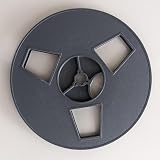
- 7 Inch Full Blue Anodized Aluminum Film Reels, 2 Pieces Per Set
- 3 Spoke Hollow Cutout Design, Lightweight & High Stability
- Plastic Central Core with Metal Screw Fastening, Smooth Rotation
- Rustproof & Bend Resistant Anodized Aluminum Surface for Long Term Use
- Compatible with 8mm & 16mm Vintage Movie Film Projectors
What did 35 mm projection involve?
Ramnath describes reel-based 35 mm projection as a practical, physical craft. The projectionist had to handle film reels and make smooth changeovers as a screening progressed. A cinema’s projection work depended on managing the print as well as operating the machine; continuity on screen relied on the person behind it.
The feature also explains “shuttling”: cinemas shared reels to reduce costs. That arrangement meant a print could move between venues rather than being held exclusively by one cinema. It adds an economic dimension to projection work, where handling and timing mattered beyond the booth.
Rank #2
- DUAL 8MM Reel with Adapter
- NEW OLD STOCK
- High Quality Plastic - Various Colors
Why was Maru’s work part of a changing cinema culture?
In 2015, Ramnath described reel-based projection as a fading craft as Mumbai cinemas shifted toward digital projection. The contrast is between physical film reels and their machine-based handling on one side, and digital projection on the other. The feature does not quantify the scale or pace of that transition, but it presents Maru’s work as part of a cinema culture in change.
Maratha Mandir was also associated with its long-running screenings of Dilwale Dulhania Le Jayenge. The article noted an 11:30 a.m. showing at the time. That is a detail from 2015, not a current schedule or confirmation that the run continues.
Rank #3

- 8mm Film Take-Up Reel 7" Metal Reel
- For Use with 8mm Film Projectors
What does the film reveal about Maru?
The documentary’s subject is not only a job title but a person at work and at home. Ramnath reports that Maru told family members being filmed to “be more natural,” and asked his wife, Bharati, to make more noise while washing vessels. The moments connect the film’s observation of everyday life with the unshowy precision required in the projection booth.
Independent reader supportYour contribution helps us test, update, and keep practical guides available for everyone.Can you watch Bade TV Wala now?
The 2015 feature identifies the film and its makers but does not establish where it is currently available to stream, buy, or see at a screening. Its publication is not evidence of present-day access.
Quick Recap
Best Value

- PRECISION FRICTION FIT DESIGN – Slides securely onto standard Super 8 and regular 8mm film reels with a snug, wobble-free hold. No adhesives, screws, or modifications needed for a reliable connection every time.
- DURABLE ABS CONSTRUCTION – Built from impact-resistant ABS for long-lasting use during film scanning, playback, and archiving sessions. Resists cracking under repeated mounting and removal cycles without loosening over time.
- TOOL-FREE INSTALLATION – Simply press the adapter onto your existing reel hub and begin working immediately. Removes just as easily when switching between reels, saving valuable time during batch processing workflows.
- VERSATILE FILM COMPATIBILITY – Works with a wide range of Super 8 and standard 8mm reel sizes for projector playback, telecine digitizing, film editing, and archival storage applications across equipment brands.
- COMPACT AND LIGHTWEIGHT – Small enough to store alongside your film canisters or carry to editing sessions. Keeps your workspace organized while providing a dependable reel-to-hub connection whenever you need it.
Rank #4

- 16MM
- SILENT
Product prices and availability are accurate as of the date/time indicated and are subject to change. Any price and availability information displayed on Amazon at the time of purchase will apply.




