Quick wins for a faster PC:
Fix the driver behind crashes, sound loss and screen glitchesFind Drivers →Repair Windows errors before they cause bigger problemsFix Now →For a brief but unforgettable stretch of the late ’80s, American television belonged to a wisecracking alien who loved cats a little too much. When ALF premiered on NBC in 1986, the sitcom felt like lightning in a bottle: part family comedy, part sci‑fi gag reel, and part vaudeville stand-up routine delivered by a fuzzy puppet with impeccable timing. In an era dominated by wholesome family shows, ALF pushed boundaries with sharper jokes, meta humor, and a surprisingly cynical worldview hiding beneath the laugh track.
At its peak, ALF was a ratings juggernaut, drawing tens of millions of viewers and spawning toys, animated spinoffs, catchphrases, and international syndication. The premise was simple but effective: an alien refugee from the destroyed planet Melmac crashes into a suburban garage and proceeds to roast humanity from the couch. Beneath the jokes, the series tapped into Cold War anxieties, Reagan-era domestic ideals, and the enduring appeal of outsiders trying to belong.
| # | Preview | Product | Price | |
|---|---|---|---|---|
| 1 |

|
ALF: The Complete Series (Deluxe Edition) | $45.99 | Buy on Amazon |
| 2 |

|
Alf The Complete Series Box Set | $39.95 | Buy on Amazon |
| 3 |
|
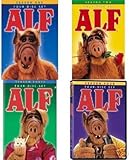
Alf Complete Seasons 1-4 Bundle DVD | $99.20 | Buy on Amazon |
| 4 |
|
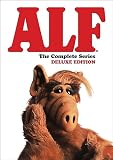
ALF: THE COMPLETE SERIES (DELUXE EDITION) | $45.99 | Buy on Amazon |
| 5 |
|
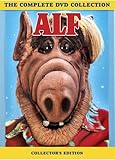
The Alf Collection: Season 1-4 | $40.15 | Buy on Amazon |
Yet ALF’s legacy isn’t just about nostalgia or merchandising; it’s about the people behind the prosthetics, puppetry, and punchlines. The show’s intense production, creative clashes, and sudden ending became almost as famous as the character himself, shaping the careers and lives of its cast in unexpected ways. Looking back at where the actors landed after ALF ended helps explain why this odd little sitcom still lingers in pop culture memory, long after Melmac faded from the stars.
Max Wright (Willie Tanner): From Sitcom Dad to Stage Acclaim and Final Years
As the flustered but big-hearted Willie Tanner, Max Wright anchored ALF’s chaos with a very human sense of exasperation. Willie was the straight man to an alien hurricane, and Wright’s grounded performance gave the series its emotional center. Without him, ALF’s punchlines might have floated away into pure absurdity.
The Tool Desk
Outbyte Driver Updater FREEScan for outdated or missing drivers - takes under a minuteDriver Scan →Outbyte PC Repair FREERepair Windows errors before they cause bigger problemsFix Now →#1 Best Overall
Before and After the Alien
Long before ALF made him a household face, Wright was a deeply respected stage actor. He built his reputation in theater, earning a Tony nomination and critical praise for his work on Broadway and in regional productions. Television and film roles followed, including appearances in All That Jazz and Reds, but the stage was always his artistic home.
When ALF ended in 1990, Wright struggled with the familiar sitcom aftershock: instant fame paired with unexpected career limitations. He was candid in later interviews about how demanding and stressful ALF’s production had been, particularly the technical constraints of acting alongside a puppet-driven lead. The experience left him burned out, and Hollywood wasn’t eager to see him as anything other than Willie Tanner.
Stage Redemption and Personal Battles
Rather than chase sitcom stardom, Wright gradually returned to theater, where his work regained depth and respect. He continued acting on stage, took on teaching roles, and focused on mentoring younger performers. Those who worked with him during this period often described a thoughtful, generous actor reconnecting with his first love.
Wright’s later life wasn’t without hardship. He faced public struggles with addiction in the 1990s, a chapter he never sensationalized but acknowledged as part of a complicated journey. In his final years, he stepped away from the spotlight, prioritizing family and quiet creative pursuits.
Recommended Free Tools
Final Years and Legacy
Max Wright passed away in 2019 at the age of 75 after battling lymphoma. For many fans, he will always be remembered as the dad who tried, and usually failed, to keep an alien houseguest under control. But within the industry, his legacy runs deeper: a serious actor who temporarily detoured into pop culture immortality, then found his way back to the stage where he truly belonged.
Anne Schedeen (Kate Tanner): Life After the Laugh Track and a Turn Toward Teaching
As Kate Tanner, Anne Schedeen played the calm, capable center of ALF’s domestic chaos. While the alien soaked up the attention and Willie absorbed the stress, Kate grounded the series with warmth, intelligence, and a believable maternal steadiness that kept the show emotionally anchored.
Behind the scenes, however, Schedeen has been candid about how difficult ALF could be to make. The technical demands of acting opposite a puppet, the long hours, and the pressure of maintaining sitcom timing under unusual circumstances took a toll. By the time the series wrapped, she was ready for a different pace.
Stepping Away from the Sitcom Spotlight
Unlike many of her contemporaries, Schedeen didn’t aggressively chase another long-running television role. She appeared in occasional guest spots and smaller projects in the years that followed, but her heart wasn’t set on staying in the Hollywood grind. The experience of ALF had clarified what she wanted, and what she didn’t.
What’s actually slowing this PC down?
Pick the symptom - the matching free tool is one click away.
Rather than pursuing fame for its own sake, Schedeen quietly shifted her focus toward craft. Acting, for her, was less about visibility and more about process, discipline, and emotional truth. That mindset naturally led her toward teaching.
Finding Purpose in the Classroom
Schedeen became an acting teacher, working with young performers and aspiring professionals in Los Angeles. Former students have often spoken about her emphasis on preparation, listening, and respect for the work, lessons shaped by her own experiences on both smooth and challenging sets.
Teaching allowed her to stay creatively engaged without the pressures of constant auditions and public scrutiny. It also positioned her as a mentor, helping the next generation navigate an industry she knew could be both rewarding and unforgiving.
A Different Kind of Legacy
While Schedeen may not be a constant presence on screen today, her impact lingers in quieter ways. For ALF fans, she remains an essential part of the show’s emotional memory, the sitcom mom who felt grounded and real amid the absurdity.
For her students, she represents something equally lasting: a working actor who chose fulfillment over fame and passed her hard-earned wisdom forward. In an industry that often celebrates visibility above all else, Anne Schedeen’s post-ALF path stands as a thoughtful alternative.
Rank #2
Andrea Elson (Lynn Tanner): Growing Up on ALF and Choosing Life Beyond Hollywood
As Lynn Tanner, Andrea Elson represented a familiar ’80s sitcom archetype: the slightly older daughter navigating crushes, confidence, and coming of age under one roof. On ALF, she brought a grounded, relatable energy that balanced the show’s high-concept premise, giving younger viewers someone to grow up alongside. For many fans, Lynn felt like the emotional bridge between the Tanner parents and their younger children.
Behind the scenes, however, Elson was experiencing firsthand the pressures that often come with early television fame. Joining ALF as a teenager meant juggling school, long production days, and the unusual challenge of acting opposite a puppet in highly technical setups. Like many child actors of the era, she matured quickly in an environment that didn’t always leave room for normal adolescence.
Life After the Tanner Household
When ALF ended in 1990, Elson made a conscious decision not to chase the next big sitcom role. She appeared in a handful of television movies and guest spots during the early ’90s, but it was clear she wasn’t interested in staying on the Hollywood treadmill at all costs. Instead, she gradually stepped away from acting as a full-time pursuit.
Windows Errors? Fix Them Before They Spread
Repair common Windows errors and clear accumulated junk for a smoother, more stable PC - no reinstall needed.Free scan · no reinstallCrashes, No Sound, or Screen Glitches?
Random freezes, missing sound and display glitches usually trace back to one bad driver. Find and replace yours safely.Free scan · under a minuteThat choice set her apart from many former child stars whose post-show years were marked by high-profile attempts at reinvention. Elson’s exit was quieter, intentional, and rooted in a desire for stability and personal growth rather than continued visibility.
Redefining Success Beyond the Screen
Away from Hollywood, Elson built a life centered on family and personal fulfillment. She became a mother and shifted her professional focus toward education, working as a yoga instructor and educator, a path far removed from soundstages and studio lots. The move reflected a broader recalibration, one that prioritized well-being over fame.
In interviews and fan reflections over the years, Elson has spoken candidly about the challenges of growing up in the industry and the relief she felt in carving out a more grounded adult life. Her story resonates with a generation increasingly aware of how demanding child stardom can be, especially in the pre-social media era when support systems were limited.
Lynn Tanner’s Lasting Place in ALF History
While Andrea Elson may no longer be active in entertainment, her work on ALF remains an essential part of the show’s enduring appeal. Lynn Tanner captured a specific moment in ’80s television, when sitcoms blended family warmth with broader cultural humor, and young actors were asked to carry real emotional weight alongside outlandish comedy.
Do these 3 things before closing this tab:
1Repair Windows errors before they cause bigger problems2Scan for outdated or missing drivers - takes under a minute3Clear out junk files and repair common Windows errorsFor fans revisiting ALF today, Elson’s performance feels authentic and unforced, a reminder of why the show connected beyond its talking-alien gimmick. Her decision to step away from Hollywood doesn’t diminish that legacy; if anything, it underscores the idea that success after a hit series doesn’t always mean staying in the spotlight.
Benji Gregory (Brian Tanner): Child Stardom, Sci‑Fi Fandom, and a Life Out of the Spotlight
As the youngest member of the Tanner family, Brian often served as the audience surrogate on ALF, reacting to the chaos with wide‑eyed sincerity and quiet intelligence. Benji Gregory’s performance grounded the show’s more absurd elements, giving emotional credibility to scenes that could have easily tipped into pure cartoon territory. For many viewers, Brian was the heart of the family, the kid most likely to genuinely believe an alien could be a friend.
Unlike some child actors who chased rapid reinvention, Gregory’s post‑ALF path unfolded gradually and with clear intention. His story is less about chasing fame and more about following personal interests, particularly his long‑standing love of science fiction and storytelling.
A Familiar Face Beyond ALF
Gregory continued acting into the early 1990s, appearing in projects like Jumpin’ Jack Flash and making guest turns on shows such as Punky Brewster and The Twilight Zone. He also found steady work in animation, most notably as a voice actor on Disney’s Fantastic Max, which further cemented his connection to genre television.
Even during these years, it was evident that Gregory wasn’t interested in clinging to child stardom. Acting was something he did well and enjoyed, but it wasn’t the sole identity he wanted to carry into adulthood.
From Child Actor to Real‑World Service
By the mid‑1990s, Gregory stepped away from the entertainment industry altogether, choosing a life largely removed from Hollywood. He later enlisted in the United States Navy, serving as an aerographer’s mate, a move that surprised some fans but aligned with his desire for structure, purpose, and anonymity.
The transition reflected a broader pattern seen among some former child actors of the era, particularly those who grew up before social media blurred the line between public and private life. For Gregory, stepping back wasn’t a retreat; it was a reset.
Fandom, Legacy, and Remembering Brian Tanner
Though he lived mostly out of the public eye, Gregory remained a fondly remembered figure within ALF fandom and the wider sci‑fi community. His performances continued to resonate with viewers rediscovering the series through reruns and streaming, where Brian Tanner’s earnestness still feels timeless.
Free tools Windows power users keep installed
One-click scans. No signup required.
Gregory passed away in 2024, a loss that prompted an outpouring of affection from fans who grew up alongside him on screen. His legacy isn’t defined by longevity in Hollywood, but by the quiet impact of a performance that helped anchor one of television’s most unusual family sitcoms. In ALF history, Brian Tanner remains a symbol of the show’s emotional core, and Benji Gregory’s life stands as a reminder that success after fame can take many forms.
Paul Fusco (The Voice and Soul of ALF): The Man Behind the Puppet and the Franchise’s Enduring Power
If ALF was the face of late-’80s sitcom absurdity, Paul Fusco was its brain, heart, and unmistakable voice. As the co-creator, puppeteer, and performer behind the wisecracking Melmacian, Fusco wasn’t just playing a character; he was steering an entire franchise from beneath the stage.
Unlike most sitcom stars, Fusco’s performance was largely unseen, delivered through a foam-and-fur puppet operated from trapdoors and cramped platforms. That physical separation only heightened the illusion, allowing ALF to feel alive in a way few television characters ever have.
Creating ALF and Controlling the Character
Fusco developed ALF as a stand-up-style character before the sitcom ever existed, drawing from vaudeville rhythms, Catskills humor, and classic insult comedy. When NBC picked up the concept, he retained unusual creative control, serving as executive producer and remaining fiercely protective of ALF’s voice, timing, and attitude.
That control was both a strength and a source of tension. The show’s demanding production schedule, combined with the technical challenges of puppetry, led to well-documented behind-the-scenes stress, particularly during the early seasons. Fusco, however, remained unwavering in his belief that ALF only worked if the illusion never cracked.
Beyond the Sitcom: Keeping ALF Alive
When the original series ended in 1990, Fusco didn’t walk away from the character. He continued voicing ALF in animated spin-offs, TV movies like Project: ALF, and countless guest appearances, commercials, and specials throughout the 1990s and 2000s.
ALF became less a sitcom character and more a pop culture utility player, popping up wherever nostalgia and irreverent humor intersected. Fusco’s voice never changed, and neither did the character’s comic DNA, which helped ALF feel oddly timeless even as television evolved around him.
ALF as a Brand, Not Just a Memory
In the decades since, Fusco has quietly overseen ALF’s legacy, approving appearances, revivals, and merchandise with the same hands-on involvement he showed in the ’80s. While multiple reboot attempts have stalled, ALF’s continued visibility speaks to the durability of the original concept.
For many creators, a breakout hit becomes a chapter. For Fusco, ALF became a lifelong collaboration with a character that refuses to fade away. In an era obsessed with reboots and IP, ALF’s staying power feels less like corporate recycling and more like the result of one performer never letting go of the soul inside the puppet.
Supporting Cast, Guest Stars, and Notable Faces You Forgot Were on ALF
Beyond the Tanner family and ALF himself, the series quietly built a deep bench of supporting players who helped ground the show’s absurdity in a recognizable suburban world. These characters weren’t just punchlines or plot devices; they were essential to selling the illusion that an alien could plausibly hide out in middle‑class Los Angeles without constant exposure.
The Neighbors Who Almost Ruined Everything
No supporting characters were more crucial to ALF’s long-running gag than the Ochmoneks. John LaMotta’s Trevor Ochmonek was the perfect sitcom antagonist: loud, suspicious, and perpetually convinced that something deeply strange was happening next door.
Opposite him, Liz Sheridan’s Raquel Ochmonek brought warmth and unexpected sweetness, often undercutting her husband’s paranoia with charm and sincerity. Sheridan would later become iconic as Jerry Seinfeld’s mother on Seinfeld, but for many fans, Raquel remains her most underrated role.
Workplace Regulars and Familiar ’80s TV Faces
The Tanner household wasn’t the only recurring environment on ALF. Neal Tanner’s office scenes introduced a rotating cast of co-workers and authority figures who reflected late-’80s workplace sitcom energy, often leaning into dry sarcasm and situational irony.
Jim J. Bullock, already a recognizable sitcom presence at the time, appeared as one of Neal’s colleagues, bringing his signature blend of nervous humor and affability. His appearances helped tie ALF into the broader sitcom ecosystem of the era, where character actors frequently hopped between shows.
Guest Stars Who Dropped In for a Surprise Visit
Like many long-running network comedies, ALF attracted a number of guest stars who felt both organic and slightly surreal within its universe. John Ritter’s guest appearance stands out as a particularly memorable crossover moment, blending his physical comedy instincts with the show’s fast-paced banter.
These appearances were rarely stunt casting. Instead, they functioned as gentle rewards for attentive viewers, moments where ALF briefly intersected with the wider television world without breaking its internal logic.
The Tool Desk
Outbyte Driver Updater FREEScan for outdated or missing drivers - takes under a minuteDriver Scan →Outbyte PC Repair FREERepair Windows errors before they cause bigger problemsFix Now →Before They Were “That Actor”
ALF also featured a steady stream of character actors and young performers who would go on to long, reliable careers across television. While few became household names, many went on to appear in crime procedurals, sitcoms, and made-for-TV movies throughout the 1990s and 2000s.
Rewatching the series now, part of the fun is spotting faces that feel oddly familiar, even if you can’t immediately place them. It’s a reminder of how ALF functioned as a training ground of sorts, blending established talent with up-and-coming performers navigating the peak years of network television.
A Sitcom World That Felt Bigger Than Its Premise
What ultimately made ALF’s supporting cast so effective was how seriously they played the reality around the joke. The neighbors, co-workers, and guest characters treated their world as real, which allowed ALF’s wisecracking alien energy to land without collapsing the illusion.
In hindsight, that balance is a big reason the show still holds up. ALF wasn’t just a one-character novelty; it was a fully populated sitcom universe, filled with faces that quietly helped turn a bizarre premise into a lasting piece of television history.
Crashes, No Sound, or Screen Glitches?
Random freezes, missing sound and display glitches usually trace back to one bad driver. Find and replace yours safely.Free scan · under a minutePC Slower Than It Used to Be?
A free scan shows the junk files, broken settings and background clutter dragging Windows down - then fixes them in one click.Free scan · Windows 10 & 11Behind the Scenes: Why ALF Was Infamously Difficult to Make
For all its cozy, family-friendly charm, ALF was notoriously hard to produce. What looked like a conventional multi-camera sitcom was, in reality, a technical and emotional endurance test that pushed its cast and crew to their limits week after week.
A Sitcom Built on Trapdoors and Patience
Unlike most sitcoms of the era, ALF relied almost entirely on puppetry rather than costumed performance. The Tanner family’s living room was constructed above a network of trapdoors, allowing puppeteers to operate ALF from below the set.
This meant actors were often hitting marks while avoiding holes in the floor, delivering emotional beats to an empty space, and resetting scenes repeatedly when mechanical issues arose. What should have been a brisk sitcom shoot often stretched into 18- to 20-hour days.
Paul Fusco’s Total Control
ALF creator and performer Paul Fusco voiced and operated the character while also serving as executive producer. His perfectionism was legendary, and rewrites were common, sometimes happening mid-scene if a joke didn’t land exactly right.
Best Value
That creative control helped define ALF’s distinct voice, but it also added to the pressure on set. Scenes were frequently reblocked to accommodate the puppet, not the actors, which ran counter to how most sitcoms were traditionally staged.
Tension Behind the Tanner Family Smiles
The physical and emotional strain reportedly took a toll on several cast members, most notably Max Wright, who played Willie Tanner. Wright later spoke openly about his frustration during the show’s run, describing the experience as exhausting and creatively limiting despite the series’ success.
While Anne Schedeen, Andrea Elson, and Benji Gregory maintained a more measured public stance, it was clear that the workload was unusually demanding, especially for a show marketed as light entertainment.
Long Hours, Young Actors, and Network Pressure
The challenges were amplified by the presence of child actors, who required stricter scheduling and added logistical hurdles. Balancing labor laws with the show’s punishing production pace often meant scenes had to be reshuffled or delayed.
All of this unfolded under the watchful eye of NBC, which depended on ALF as a reliable ratings hit. The pressure to deliver consistently strong episodes left little room to slow down or rethink the show’s demanding production model.
A Hit That Was Harder Than It Looked
Ironically, the very elements that made ALF such a cultural phenomenon were the same ones that made it so difficult to create. The seamless illusion of a wisecracking alien living in suburbia required constant technical finesse and an extraordinary amount of behind-the-scenes labor.
Knowing what went into each episode adds a new layer to rewatching the series today. What once felt effortless now reads as a minor miracle of 1980s television engineering, held together by talent, tension, and an alien who refused to make anything easy.
The Unresolved Ending, Cult Status, and ALF’s Legacy in Today’s Pop Culture
Given everything that went into making ALF work week after week, it’s fitting that the show’s ending remains one of its most discussed and debated elements. The series didn’t conclude with a tidy farewell or sentimental wrap-up, but with a cliffhanger that felt startling even by late-1980s standards.
A Cliffhanger That Refused to Fade Away
The final episode, “Consider Me Gone,” ends with ALF being captured by the U.S. military after deciding to sacrifice his own freedom to protect the Tanner family. It was a jarring note for a sitcom built on humor and heart, leaving audiences without resolution as the screen cut to black.
Plans for a fifth season collapsed amid creative burnout and production strain, leaving viewers hanging for years. It wasn’t until the 1996 TV movie Project: ALF that fans learned Melmac’s favorite son escaped captivity, though the darker tone and long gap made it feel more like a footnote than true closure.
From Network Sitcom to Cult Phenomenon
While ALF was a mainstream hit during its original run, its reputation evolved in syndication. Reruns introduced the show to younger audiences, while adults revisiting it found layers of sarcasm, social commentary, and self-awareness that felt ahead of its time.
The humor, once compared to traditional family sitcoms, now reads closer to the meta, genre-aware comedy that would flourish decades later. ALF’s pop culture fluency, constant fourth-wall flirtation, and unapologetic oddness helped the show age far better than many of its contemporaries.
Do these 3 things before closing this tab:
1Fix the driver behind crashes, sound loss and screen glitches2Clear out junk files and repair common Windows errors3Scan for outdated or missing drivers - takes under a minuteALF in the Meme Age and Modern Media
In the internet era, ALF has enjoyed an unexpected second life. GIFs, memes, and ironic nostalgia have transformed the character into a shorthand for 1980s excess and surreal sitcom humor, while appearances in shows like Mr. Robot and references in animated comedies reaffirm his cultural footprint.
Hollywood has flirted repeatedly with reboot and revival ideas, though none have fully materialized. The hesitation feels telling; ALF isn’t just a character, but a product of a specific technological, cultural, and comedic moment that’s difficult to replicate without losing its charm.
Why ALF Still Matters
Beyond the puppet and punchlines, ALF endures because it represents a rare television balancing act. It was family-friendly without being simplistic, subversive without being cynical, and ambitious despite the very real toll it took on those who made it.
Today, ALF stands as both a beloved relic and a quiet influence, a reminder of when network television took big risks and somehow made them work. Rewatching it now, knowing the pressures behind the scenes and the unresolved goodbye, only deepens its legacy as one of TV’s strangest, funniest, and most enduring visitors from outer space.
Free tools Windows power users keep installed
One-click scans. No signup required.
Quick Recap
Product prices and availability are accurate as of the date/time indicated and are subject to change. Any price and availability information displayed on Amazon at the time of purchase will apply.




