Some toys from the 1980s are still familiar; others are less widely recalled today. Here are nine toy lines and toys documented by museum sources—not a definitive ranking or a claim that they are forgotten everywhere. Recognition varies by age, country, and personal experience, and the examples here draw mainly on UK and US museum sources.
Dolls and soft toys
Care Bears
The Care Bears began as characters on greeting cards in 1981 before becoming plush toys. The Victoria and Albert Museum reports that more than 40 million Care Bears plush toys sold from 1983 to 1987. The characters also appeared in television and films, alongside products including books, audio tapes, clocks, toothbrushes, and records. That broad reach makes them a poor fit for a literal claim that the line has been forgotten: the Strong National Museum of Play lists Care Bears in its Toy Hall of Fame. Victoria and Albert Museum; The Strong National Museum of Play.
My Little Pony
My Little Pony launched in 1982. The V&A reports that more than 150 million ponies sold from 1982 through 1990. Its bright figures and collecting appeal helped establish a toy line that extended beyond the decade; those sales figures cover the period through 1990, not the 1980s alone. Victoria and Albert Museum.
Cabbage Patch Kids
Coleco first produced Cabbage Patch Kids in 1982. Each doll came with adoption papers, giving the toy a distinctive identity beyond its clothes and soft body. The National Museum of Toys and Miniatures describes a major Christmas 1983 craze, with some stores using lotteries to manage demand. Victoria and Albert Museum; National Museum of Toys and Miniatures.
Do these 3 things before closing this tab:
1Repair Windows errors before they cause bigger problems2Scan for outdated or missing drivers - takes under a minute3Clear out junk files and repair common Windows errors#1 Best Overall

- Every Turtle is authentically sculpted and decorated as he appeared in the hit 1980's animated TV show.
Rainbow Brite
Rainbow Brite is among the 1980s examples named by the National Museum of Toys and Miniatures in its account of how cartoons and toys became closely connected. The museum describes toy makers either capitalizing on the popularity of cartoons or funding shows to help drive toy sales. The source supports Rainbow Brite as part of that cultural pattern, but does not establish a launch date or sales figure here. National Museum of Toys and Miniatures.
Action figures and transforming toys
He-Man and Masters of the Universe
Mattel created He-Man and Masters of the Universe in 1983. The V&A describes the toy line’s reach across animated television, comics, and a feature film. That mix of figures and storytelling helped make the range more than a collection of standalone characters. Victoria and Albert Museum.
Rank #2

- INDIANA JONES RETRO COLLECTION: The Retro Collection features design and detailing inspired by the original 1980s Kenner Indiana Jones toys
- KENNER-INSPIRED PACKAGING: Indiana Jones Retro Collection 3.75-inch-scale figures feature packaging re-creating the classic 1980s Kenner branding
- ENTERTAINMENT-INSPIRED DESIGN: Imagine exciting action with this premium Indiana Jones toy, inspired by Indiana Jones and the Last Crusade
- CHARACTER -INSPIRED ACCESSORIES: This collectible Indiana Jones action figure includes detachable Holy Grail, pistol, and satchel accessories that makes a great addition to any Indiana Jones collection
- QUICK-ACTION ARM: This Indiana Jones figure features a quick-action arm for exciting quickdraw pistol action
Transformers
Hasbro launched Transformers as a toy in 1984, drawing on an earlier Japanese concept. The central play mechanic was the transformation: robots could change into objects such as cars, animals, or planes, and back again. Comics and cartoons accompanied the toys. Victoria and Albert Museum.
Teenage Mutant Ninja Turtles
The Teenage Mutant Ninja Turtles began as a Mirage Studios comic in 1984. The 1987 television series helped bring them to a wider audience, and Playmates figures followed in 1988. In the UK, the characters were known as Hero Turtles. Their history shows how a toy line could grow out of comics and television rather than begin as a toy alone. Victoria and Albert Museum.
Quick wins for a faster PC:
Scan for outdated or missing drivers - takes under a minuteDriver Scan →Repair Windows errors before they cause bigger problemsFix Now →Rank #3

- This MOTU Origins Cartoon Collection Tri-Klops action figure will bring back fond memories of the 1980s and the beloved 200X toy line based on He-Man and the Masters of the Universe TV series.
- This Tri-Klops toy is a modern execution of the toy released in 2002 of the evil character that sees everything. He’s designed at 5.5-inch scale, with 16 points of articulation for battle-ready poses.
- The visor included with the figure turns to expose each of his 3 eyes; the figure with visor and sword is inspired by He-Man and the Masters of the Universe episode “Robot’s Gambit.”
- Removable body parts on the figure provide mix and match possibilities with other MOTU Origins figures. All figures sold separately, subject to availability.
- Fans will want to gather all the Cartoon Collection 200X figures to form a nostalgic showcase that evokes the childhood wonder of these toys from the 2000s!
Talking and interactive toys
Teddy Ruxpin
Teddy Ruxpin first appeared in 1985 as a talking bear. Its special cassette used one track for recorded sound and another for electronic pulses that controlled the toy’s movements; it could also play ordinary audio cassettes. Stories, accessories, and an animated series extended the character beyond the toy itself. The Strong National Museum of Play.
Smarty Bear
Licensed by Lewis Galoob Toys in 1986, Smarty Bear was an interactive toy designed to respond to children. The Strong contrasts its limited mainstream success with Teddy Ruxpin’s greater reach. It is a useful reminder that a notable idea and a famous competitor do not guarantee a toy will become a lasting household name. The Strong National Museum of Play.
Rank #4

- This selection of WWE Superstars features in-ring Legends and modern-day Superstars in the retro 1980's action figure style.
- Iconic accessories, from entrance gear to championship titles, are included.
- Each figure features 16 points of articulation to play out signature moves and poses.
- The flexibility is perfect for twisting these WWE figures into in-ring battle positions.
- Gift a favorite to a fan or collector to create even more epic match ups (each sold separately, subject to availability).
Why some 1980s toys are harder to recall
Several of these examples were part of a wider entertainment system: toys connected to cartoons, comics, films, and other licensed products. The National Museum of Toys and Miniatures points to both sides of that relationship—companies used popular cartoons to sell toys, and some companies funded shows to support toy sales. A toy that once had extensive media exposure may remain familiar, while another may be remembered mainly by people who encountered it at the right age or in the right market.
“Forgotten” is therefore a subjective label, not a measurable status. The Strong’s Toy Hall of Fame, established in 1998 to honor toys associated with creative play and sustained popularity, offers one useful counterpoint: Care Bears is included, despite being easy to place on a nostalgia list. The Strong National Museum of Play.
Best Value
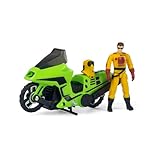
- The ultimate covert rider returns! Introducing the MASK Condor by The Loyal Subjects!
- 2-in-1 Functionality: Converts from high-speed motorcycle to rotor-powered helicopter in just a few steps.
- Brad Turner Figure: Includes classic pilot in yellow jumpsuit with removable mask and a second interchangeable long fit mask.
- Showcases: Spinning Propeller Action, Real Rolling Rubber Tires, Detailed Engine & Sculpt and Hidden Fairing Cannon.
- Sticker Sheet: Included for customer applied personalization.
This is a curated group of nine examples supported by the cited museum accounts, not a verified top 25. A longer list would need evidence for each additional toy’s decade and historical context. Decade boundaries matter, too: the V&A places Furby in the late 1990s, so it does not belong in an 1980s list. Victoria and Albert Museum.
Quick Recap
Product prices and availability are accurate as of the date/time indicated and are subject to change. Any price and availability information displayed on Amazon at the time of purchase will apply.




