30 Easter hymns that celebrate the resurrection range from historic congregational standards to modern worship songs: “Christ the Lord Is Risen Today” is the natural anchor, while “Up from the Grave He Arose,” “Thine Be the Glory,” “Because He Lives,” “See, What a Morning,” and “Living Hope” serve different musical and theological purposes.
“Easter hymn” has a useful broad meaning here. The term includes hymns written specifically for Easter as well as songs regularly used during Eastertide because they celebrate the empty tomb, victory over death, new life, Christ’s reign, discipleship, or resurrection hope.


Key takeaways
- “Christ the Lord Is Risen Today” is the natural anchor for Easter worship; Charles Wesley’s hymn was published in 1739.
- Easter hymnody includes Anglican, Methodist, Lutheran, medieval-derived, gospel, African American, global, and contemporary Christian traditions.
- Some hymns proclaim the empty tomb directly, while others emphasize victory over death, Christ’s reign, new life, discipleship, or resurrection hope.
- The best hymn depends on the service role: congregational opening, choir anthem, solo, piano prelude, response, recessional, or Eastertide worship.
- Hymnal numbers vary by denomination and edition; United Methodist resources list “Christ the Lord Is Risen Today” as UMH 302, “The Day of Resurrection” as UMH 303, “Thine Be the Glory” as UMH 308, and “Up from the Grave He Arose” as UMH 322.
“Easter hymn” can mean a traditional hymn written specifically for Easter or a resurrection-centered worship song regularly used during Eastertide. The 30 Easter hymns that celebrate the resurrection below range from historic congregational standards about the empty tomb to modern songs about new life, Christian hope, and Christ’s victory over death.
Historic congregational Easter standards
These hymns are strong choices for Easter morning because they are direct, communal, and easy to connect with the central proclamation of the Christian feast. Official United Methodist worship-planning resources place several of these titles among Easter Sunday choices, while Presbyterian worship resources offer additional Easter-season options.
Do these 3 things before closing this tab:
1Clear out junk files and repair common Windows errors2Fix the driver behind crashes, sound loss and screen glitches3Repair Windows errors before they cause bigger problems#1 Best Overall

- Piano Solo
- Pages: 80
- Instrumentation: Piano/Keyboard
1. Christ the Lord Is Risen Today — Charles Wesley
“Christ the Lord Is Risen Today” is the defining historic Easter hymn for many English-speaking congregations. The text is exuberant and communal, with repeated “Alleluia” acclamations that make the congregation an active participant in the resurrection proclamation. According to C. Michael Hawn’s United Methodist hymn history published in 2021, Charles Wesley’s hymn was published in Hymns and Sacred Poems in 1739.
The same history explains that the original publication contained 11 stanzas under the title “Hymn for Easter Day,” while many modern hymnals print only four to seven. The hymn works especially well as an opening hymn, processional, or large congregational finale.
2. Jesus Christ Is Risen Today — anonymous text associated with Lyra Davidica
“Jesus Christ Is Risen Today” offers a straightforward resurrection proclamation built around repeated Alleluias. The hymn is historically related to early Easter repertory associated with Lyra Davidica, but it should not be treated as simply another version of Charles Wesley’s hymn. Its concise, celebratory character makes it useful for congregational singing, children’s worship, and Easter morning services that need an immediate declaration of joy.
3. The Day of Resurrection — John of Damascus text in English translation
“The Day of Resurrection” draws worshippers into the cosmic joy of Easter morning. The hymn does not merely describe a private spiritual experience; it calls the gathered church to see, rejoice, and worship. The English text comes from a hymn associated with John of Damascus, and the title appears in official Easter-season planning resources. Its stately character suits an opening hymn, organ-led procession, or choir-and-congregation setting.
Recommended Free Tools
4. Christ Is Alive! Let Christians Sing
“Christ Is Alive! Let Christians Sing” is a modern congregational hymn for a celebratory opening or sending. The title itself gives the congregation a clear Easter proclamation, while the hymn’s broader emphasis connects the Resurrection with the church’s continuing witness. It is a good option when a service wants a newer congregational text without leaving the traditional hymn format.
5. Christ Is Risen! Shout Hosanna!
“Christ Is Risen! Shout Hosanna!” is a lively Easter hymn with a direct proclamation at its center. The energetic wording makes it especially suitable for an opening procession, a children’s choir, or a service designed around congregational participation. United Methodist Easter planning materials list it among possible Easter Sunday selections.
6. Easter People, Raise Your Voices — William Marceus James
“Easter People, Raise Your Voices” moves beyond celebration toward discipleship. The hymn treats Easter joy as a call for the church to live courageously and resist evil rather than as a feeling confined to one morning. United Methodist hymn history identifies William Marceus James as the author and notes that the hymn appeared in its present form in Songs of Zion in 1981. The source summarizes its central idea plainly: “The triumph of the Resurrection over evil is the theme of ‘Easter People.’”
7. Crown Him with Many Crowns
“Crown Him with Many Crowns” is broader than a narrowly defined empty-tomb hymn, but it is a strong Easter choice when the service emphasizes the risen Christ’s reign. The hymn connects resurrection with kingship, praise, and Christ’s authority. It works well as a majestic opening or recessional, especially with organ, brass, or a large choir.
Crashes, No Sound, or Screen Glitches?
Random freezes, missing sound and display glitches usually trace back to one bad driver. Find and replace yours safely.Free scan · under a minutePC Slower Than It Used to Be?
A free scan shows the junk files, broken settings and background clutter dragging Windows down - then fixes them in one click.Free scan · Windows 10 & 118. Rejoice, the Lord Is King — Charles Wesley
“Rejoice, the Lord Is King” is a jubilant royal hymn that is not exclusively about Easter. It fits the resurrection season because its language of rejoicing, Christ’s reign, and confident faith complements Easter proclamation. Use it when the service wants to move from “Christ is risen” toward the implications of Christ’s continuing rule.
9. Hail, Thou Once Despised Jesus — Charles Wesley
“Hail, Thou Once Despised Jesus” presents a broad theological arc from rejection and suffering to exaltation. The hymn is useful when an Easter service wants to hold together Good Friday’s suffering and Easter’s victory rather than treating the Resurrection as an isolated celebration. Its doctrinal breadth makes it particularly suitable for a choir, a communion service, or a reflective congregational hymn.
10. Come, Ye Faithful, Raise the Strain
“Come, Ye Faithful, Raise the Strain” is a historic Easter hymn about joyful proclamation and the renewed life of the church. The hymn’s communal invitation makes it a natural congregational choice, while its historic character gives an Easter service a sense of continuity. It can serve as an opening hymn or as a bridge between Scripture readings and the central Easter sermon.
Resurrection victory and the empty tomb
These hymns focus more directly on Christ rising from the dead, the defeat of death, the movement from burial to triumph, or the witnesses who proclaim the empty tomb.
11. Up from the Grave He Arose — Robert Lowry
“Up from the Grave He Arose” is a nineteenth-century gospel-style Easter standard whose musical movement mirrors the change from burial to triumph. Robert Lowry wrote and composed the hymn in 1874, according to the United Methodist hymn-history article about the song. That source says the hymn “captures perfectly the spirit of the transition from Good Friday to Easter Sunday.”
The hymn is especially effective when a congregation wants a direct, highly recognizable resurrection song. United Methodist resources list it as UMH 322, although other hymnals use different numbers.
12. He Lives
“He Lives” turns resurrection belief into personal testimony. Instead of presenting only a historical announcement, the hymn asks the singer to express faith that the risen Christ remains present and active. That testimony-oriented character makes it suitable for a solo, gospel choir, congregational response, or service focused on how Easter changes daily life.
13. Thine Be the Glory, Risen, Conquering Son
“Thine Be the Glory, Risen, Conquering Son” is a forceful congregational or recessional hymn centered on resurrection victory. The repeated acclamation gives the hymn a public, triumphant quality, while its language of conquest connects Easter with Christ’s defeat of death. United Methodist and Presbyterian worship resources both list it for Easter use. United Methodist resources identify it as UMH 308, but hymn numbers are edition-specific.
14. The Strife Is O’er, the Battle Done
“The Strife Is O’er, the Battle Done” is a compact victory hymn suited to an Easter proclamation, a service transition, or a closing response. Its central image is not simply that Christ has risen, but that the decisive struggle has ended. The hymn’s concise structure can work particularly well when a service has several readings, musical responses, or short congregational settings.
15. Christ Has Arisen, Alleluia
“Christ Has Arisen, Alleluia” uses a repeated resurrection acclamation to create a global and Easter-season atmosphere. The refrain-like quality helps a congregation join in quickly, even when the surrounding verses are less familiar. It is a useful choice for an intercultural service, a choir-led celebration, or a worship setting that wants a strong recurring response.
Rank #3

- Piano Solo
- Pages: 80
- Instrumentation: Piano/Keyboard
16. Christ Has Risen While Earth Slumbers
“Christ Has Risen While Earth Slumbers” combines the stillness of Easter morning with the startling announcement of resurrection. The contrast gives the hymn a more contemplative mood than some of the loudest Easter standards. It suits an Easter vigil, early-morning service, choir anthem, or reflective point immediately after the resurrection reading.
17. Christ Jesus Lay in Death’s Strong Bands — Martin Luther
“Christ Jesus Lay in Death’s Strong Bands” is a Reformation-era Easter hymn with a pronounced death-and-victory structure. The text begins with the confinement of death and turns toward Christ’s triumph, making it a strong choice for listeners seeking a historic Lutheran perspective on Easter. Its theological and musical weight favors a choir, organ, or congregation comfortable with older hymn repertory.
Free tools Windows power users keep installed
One-click scans. No signup required.
18. Christ Is Risen, Christ Is Living
“Christ Is Risen, Christ Is Living” moves from the historical Resurrection to its continuing presence in Christian life. The hymn is a good fit for a congregation that wants Easter language connected to mission, community, and daily discipleship. It can function as a sending hymn because its emphasis does not end at the empty tomb.
19. O Sons and Daughters, Let Us Sing
“O Sons and Daughters, Let Us Sing” is a traditional Easter-season text associated with the disciples’ encounters with the risen Christ and their proclamation. The hymn works well in services that move through the post-resurrection appearances rather than focusing only on Easter morning. Its narrative quality also makes it useful for a choir or a service with multiple Scripture readings.
20. Now the Green Blade Riseth
“Now the Green Blade Riseth” uses seed and growth imagery to present resurrection as new life emerging from apparent death. The result is gentler and more image-rich than a trumpet-like Easter standard. Music-publishing resources list the hymn in Easter choral materials, making it a natural choice for a choir, an offertory, a piano prelude, or an Eastertide service with a meditative tone.
Eastertide, Ascension, and the continuing meaning of resurrection
Easter is also a season rather than only one Sunday. These hymns are useful when worship extends from the empty tomb to Christ’s Ascension, the life of the church, the communion of saints, and the hope of resurrection.
21. Hail the Day That Sees Him Rise — Charles Wesley
“Hail the Day That Sees Him Rise” is technically an Ascension hymn, so it belongs here rather than in a narrow list of Easter morning songs. It remains a defensible Eastertide choice because it continues the resurrection narrative toward Christ’s exaltation. The United Methodist hymn-history entry records its publication in 1739 under the title “Hymn for Ascension-Day.”
22. Hail Thee, Festival Day
“Hail Thee, Festival Day” is a processional Easter-season hymn suited to a large congregation or choir. Its festival character makes it especially effective at the beginning of a service or during a procession. The hymn can also provide continuity across the Easter season when a church wants a recurring celebratory song rather than a title used only on Easter Sunday.
23. A Hymn of Glory Let Us Sing!
“A Hymn of Glory Let Us Sing!” connects resurrection with Ascension and the church’s continuing celebration. It is a useful choice for congregations that want to look beyond Easter morning toward the wider liturgical season. The hymn can serve an Ascension service, an Eastertide closing hymn, or a choir-led celebration of Christ’s glory.
Rank #4
24. Sing with All the Saints in Glory
“Sing with All the Saints in Glory” connects resurrection with the communion of saints and eternal hope. Its emphasis makes it suitable for Eastertide, All Saints-related worship, or a service that places Christ’s resurrection within the larger promise of life with God. The hymn is less about the mechanics of the empty tomb and more about the final hope opened by resurrection.
25. He Is Lord, He Is Lord!
“He Is Lord, He Is Lord!” is a short acclamatory song that works well as a congregational response or repeated refrain. Its brevity makes it easy to insert between readings, after a sermon, or at the end of a prayer. It can also give a choir or worship band a simple musical response without requiring a full-length hymn.
Modern resurrection-centered worship songs
Modern worship songs often apply the Resurrection to personal testimony, present hope, and daily Christian life. The following titles are not all Easter-exclusive, but each is a defensible choice for Easter or the wider resurrection season.
26. Because He Lives — Bill and Gloria Gaither
“Because He Lives” is a testimony and hope song that applies resurrection belief to ordinary life. Its central idea is that Christ’s living presence changes how believers face the future. Music-publishing catalogs include the song among Easter hymn and choir materials, making it suitable for a solo, gospel choir, congregational setting, or reflective Easter service.
27. I Will Rise — Chris Tomlin and collaborators
“I Will Rise” is a contemporary resurrection-and-hope song for churches seeking modern worship repertoire. The song’s focus extends from Christ’s resurrection toward the believer’s hope of resurrection, giving it a natural place in Easter worship, memorial settings, or an Eastertide service about Christian hope. Contemporary arrangements can support a worship band, soloist, or choir.
What’s actually slowing this PC down?
Pick the symptom - the matching free tool is one click away.
28. See, What a Morning (Resurrection Hymn) — Keith Getty and Stuart Townend
“See, What a Morning (Resurrection Hymn)” is explicitly labeled a resurrection hymn and combines modern songwriting with a congregational hymn approach. The title and subject make the song an obvious fit for Easter morning, while its arrangement possibilities support either a congregation or a choir. Musicnotes includes the song in its Easter sheet-music catalog.
29. Living Hope
“Living Hope” emphasizes resurrection as the source of Christian hope. Rather than concentrating only on the historical scene at the tomb, the song applies Easter’s meaning to forgiveness, new life, and confidence in God. Easter choral arrangements are available through music-publishing catalogs, so the song can work for a worship band, soloist, or choir depending on the arrangement.
30. In Christ Alone — Keith Getty and Stuart Townend
“In Christ Alone” is not exclusively an Easter hymn, but it is a strong resurrection-season choice because its narrative culminates in Christ’s death, resurrection, and the believer’s hope. The song is particularly useful when a service wants to connect the cross and empty tomb rather than separate Good Friday and Easter themes. It can function as a congregational hymn, choir selection, or reflective closing song.
Independent reader supportYour contribution helps us test, update, and keep practical guides available for everyone.Which Easter hymn should you choose?
The right Easter hymn depends on the theological emphasis, musical character, service placement, and performers available. “Best” is not an objective popularity ranking; a hymn that works brilliantly as a congregational opening may be less suitable as a piano prelude or solo.
Quick wins for a faster PC:
Clear out junk files and repair common Windows errorsFree Scan →Scan for outdated or missing drivers - takes under a minuteDriver Scan →Repair Windows errors before they cause bigger problemsFix Now →Best Value
| Hymn or song | Main emphasis | Musical character | Good use |
|---|---|---|---|
| Christ the Lord Is Risen Today | Resurrection proclamation | Exuberant, communal | Opening hymn or recessional |
| The Day of Resurrection | Cosmic Easter joy | Majestic, historic | Procession or opening |
| Easter People, Raise Your Voices | Discipleship and victory over evil | Energetic, mission-focused | Sending hymn |
| Up from the Grave He Arose | Victory over death | Gospel-style, triumphant | Congregation or gospel choir |
| Thine Be the Glory | Resurrection victory | Strong, celebratory | Recessional or choir |
| Christ Jesus Lay in Death’s Strong Bands | Death and triumph | Reformation-era, weighty | Organ or historic choir |
| Now the Green Blade Riseth | New life and growth | Gentle, image-rich | Offertory or reflective service |
| He Is Lord, He Is Lord! | Acclamation and confession | Short, repetitive | Response between readings |
| Because He Lives | Personal testimony and hope | Gospel, reflective | Solo or congregational song |
| See, What a Morning | Resurrection morning | Modern hymn, celebratory | Congregation or choir |
| Living Hope | Resurrection as present hope | Contemporary worship | Band, solo, or choir |
| In Christ Alone | Cross, resurrection, and hope | Modern hymn, narrative | Congregational or closing hymn |
How do you choose an Easter hymn for a congregation, choir, or solo?
Choose a direct proclamation such as “Christ the Lord Is Risen Today,” “Jesus Christ Is Risen Today,” or “Thine Be the Glory” when the whole congregation needs to sing the central Easter message together. Choose “Up from the Grave He Arose” or “Because He Lives” when a gospel or testimony-oriented sound fits the congregation.
For a choir, consider “Now the Green Blade Riseth,” “See, What a Morning,” “Living Hope,” or “Christ Has Risen While Earth Slumbers,” depending on whether the desired mood is meditative, modern, or triumphant. For a solo, “He Lives” and “Because He Lives” make the personal dimension of resurrection especially clear. For a piano prelude, an instrumental arrangement of a familiar hymn can establish the Easter theme without requiring congregational singing.
For pianists and worship leaders
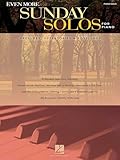
Hal Leonard’s Easter piano solos collection is a piano-solo book identified by the publisher as Easter Piano Solos: 30 Triumphant Hymns and Classical Pieces. The collection is relevant to pianists, accompanists, music teachers, and worship leaders who need Easter-related instrumental repertoire. It is a piano-solo collection, not a congregational hymnal, and readers should not assume that it contains the exact 30 titles in this article.
Choir directors can also look through Easter choral sheet music and Easter church-music collections for SATB, piano, vocal, organ, and other formats. Availability and licensing depend on the particular arrangement.
The Tool Desk
Outbyte PC Repair FREERepair Windows errors before they cause bigger problemsFix Now →Outbyte Driver Updater FREEScan for outdated or missing drivers - takes under a minuteDriver Scan →What should churches check before printing or performing these hymns?
Authors, composers, texts, tunes, and arrangements can have different copyright statuses. An older hymn text or tune may be public domain while a modern arrangement remains protected. Churches should verify the edition, obtain any required license, and avoid reproducing full lyrics unless the church has permission to do so.
Hymnal numbers are also not universal. For example, United Methodist resources identify “Christ the Lord Is Risen Today” as UMH 302, “The Day of Resurrection” as UMH 303, “Thine Be the Glory” as UMH 308, and “Up from the Grave He Arose” as UMH 322. A different denomination or edition may assign different numbers, so the printed hymnal in use should be treated as the final reference.
Why are these called Easter hymns?
Some titles on this list are explicitly about Easter morning, the empty tomb, or Christ rising from the dead. Others belong to the wider Eastertide tradition because they celebrate consequences of the Resurrection: Christ’s reign, new life, discipleship, Ascension, the communion of saints, or the believer’s future hope. That broader definition reflects how churches actually select music across the Easter season.
The list therefore includes historic Anglican and Methodist hymns, Lutheran and medieval-derived texts, nineteenth-century gospel songs, African American hymn traditions, global Easter repertory, and contemporary Christian worship. The categories describe function and emphasis, not an objective ranking of popularity.
Frequently Asked Questions
What is the best traditional Easter hymn about the resurrection?
“Christ the Lord Is Risen Today” is the strongest traditional all-purpose choice because it is explicitly centered on the Resurrection, highly communal, and associated with Easter Day in English-speaking worship. Churches may choose another hymn when they need a different emphasis, such as personal testimony, new life, Christ’s reign, or a reflective Eastertide mood.
Is an Ascension hymn appropriate for Easter worship?
Yes. “Hail the Day That Sees Him Rise” is technically an Ascension hymn, but it is appropriate for the wider Eastertide season because it continues the resurrection story toward Christ’s exaltation. “A Hymn of Glory Let Us Sing!” is another resurrection-to-Ascension option.
What are good Easter hymns for a church choir?
Good Easter hymns for a choir include “Now the Green Blade Riseth,” “See, What a Morning,” “Living Hope,” “Christ Has Risen While Earth Slumbers,” and “Thine Be the Glory.” The best choice depends on the choir’s arrangement, skill level, accompaniment, and desired mood.
Are Easter hymn numbers the same in every hymnal?
Hymnal numbers are edition-specific. In United Methodist resources, “Christ the Lord Is Risen Today” is UMH 302, “The Day of Resurrection” is UMH 303, “Thine Be the Glory” is UMH 308, and “Up from the Grave He Arose” is UMH 322; other hymnals may use different numbers.
The Tool Desk
Outbyte PC Repair FREERepair Windows errors before they cause bigger problemsFix Now →Outbyte Driver Updater FREEScan for outdated or missing drivers - takes under a minuteDriver Scan →The Bottom Line
The strongest all-purpose choice is “Christ the Lord Is Risen Today”, but the most suitable Easter hymn depends on the service. Use direct proclamation for congregational singing, gospel testimony for a solo or choir, gentler growth imagery for reflection, and modern resurrection songs when the service emphasizes present hope and new life.
Quick Recap
Product prices and availability are accurate as of the date/time indicated and are subject to change. Any price and availability information displayed on Amazon at the time of purchase will apply.