Quick wins for a faster PC:
Clear out junk files and repair common Windows errorsFree Scan →Fix the driver behind crashes, sound loss and screen glitchesFind Drivers →Repair Windows errors before they cause bigger problemsFix Now →Anime has always understood something that Western pop culture often hesitates to embrace: villains are rarely born, and monsters are almost always made. Redemption arcs transform antagonists from narrative obstacles into emotional centerpieces, reframing conflict as a deeply human struggle rather than a simple clash of good versus evil. When anime commits to redemption, it asks viewers to sit with guilt, accountability, and the possibility of change rather than offering easy absolution.
What makes these arcs resonate is the work required to earn them. The best redemptions in anime are not about a single heroic sacrifice or a last-minute apology, but about sustained consequence, loss, and self-awareness. Characters like former war criminals, tyrants, or bullies are forced to confront the weight of their actions, often without the guarantee of forgiveness, which gives their transformation real dramatic gravity.
In a medium built on heightened emotion and long-form storytelling, redemption arcs thrive because they unfold over time. Anime allows characters to fail repeatedly, relapse into old habits, and struggle against their own nature before taking genuine steps toward change. That patience is why these stories linger with audiences long after the final episode, turning once-hated villains into some of the most unforgettable figures in the medium.
How We Ranked Them: Narrative Stakes, Consequences, and Emotional Payoff
Redemption arcs live or die by the standards we hold them to, and for this list, surface-level heel turns were never enough. We looked at how deeply a character’s past actions damaged the world around them, how hard it was to come back from those choices, and whether the story allowed that redemption to feel earned rather than convenient. In short, we prioritized transformation that hurts before it heals.
#1 Best Overall
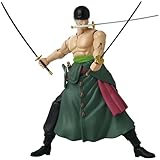
- Join the Straw Hat Crew in their search for the One Piece with Anime Heroes One Piece 6.5 inch action figures, from Bandai Namco Toys & Collectibles
- Relive or recreate epic moments from one of the longest running anime titles with over 1000 episodes and countless adventures to be had
- Anime Heroes brings all the iconic One Piece characters to life with fan favorites that remind you why you love the show, and how the journey of finding the One Piece isn't finished yet
- With over 20 points of articulation, it's primed for dynamic, action-packed poses that will ignite your imagination and keep the adventures going non-stop!
- For Ages 4+
Narrative Stakes That Actually Matter
The first question we asked was simple: what did this character do, and how much did it cost others? The most powerful redemption arcs begin with genuinely high stakes, often involving betrayal, mass violence, systemic abuse, or personal cruelty that leaves lasting scars. A character who starts as a mild antagonist has less ground to cover than one whose actions shaped wars, destroyed families, or altered entire societies.
Equally important was whether the story treated those actions with the gravity they deserved. Redemption doesn’t resonate when the narrative minimizes past sins or reframes them as misunderstandings. We favored arcs where the damage is undeniable and impossible to ignore, forcing both the character and the audience to wrestle with moral discomfort.
Consequences That Don’t Magically Disappear
True redemption in anime is rarely clean, and we rewarded stories that understood this. Characters on this list are often punished, exiled, imprisoned, or emotionally isolated long after they begin changing. Forgiveness, when it comes at all, is partial, delayed, or deeply complicated.
Some characters never receive full absolution, and that restraint strengthens their arcs. The willingness of a story to let consequences linger, even as a character grows, separates meaningful redemption from narrative wish fulfillment. Growth matters more when it doesn’t erase the past.
Recommended Free Tools
Emotional Payoff Built Over Time
Anime’s long-form structure allows redemption to unfold gradually, and we placed enormous value on that patience. The best arcs aren’t defined by a single sacrificial act or tearful confession, but by repeated choices made under pressure. Relapses, hesitation, and internal conflict are not flaws in these stories; they are the point.
When emotional payoff finally arrives, it feels earned because the audience has lived through every step of the journey. Whether that payoff is quiet acceptance, tragic atonement, or hard-won self-forgiveness, it resonates because it was built episode by episode, not handed out in a climactic shortcut.
Consistency of Character and Theme
A redemption arc must feel like a natural extension of who a character is, not a sudden rewrite. We examined whether the transformation aligned with established motivations, fears, and emotional wounds. Even the most dramatic shifts needed to feel psychologically honest within the world of the story.
We also considered how well each arc reinforced the anime’s larger themes. The strongest redemptions don’t just change one character; they clarify what the series believes about justice, violence, empathy, and the possibility of change.
Why These Arcs Endure
Finally, we looked at staying power. Some redemption arcs linger in fan discussions for decades because they tap into universal anxieties about guilt and identity. These are the characters viewers argue about, defend, and revisit, not because their actions are excusable, but because their struggle feels real.
By weighing narrative stakes, lasting consequences, and emotional payoff together, this ranking celebrates redemption arcs that challenge audiences rather than comforting them. These are stories that trust viewers to sit with complexity, and in doing so, remind us why anime remains one of the most powerful mediums for character-driven storytelling.
The Lower Ranks (20–16): Flawed Starts and Partial Redemptions
These entries sit at the bottom of the list not because they lack emotional weight, but because their redemptions are incomplete, contentious, or still unfolding. They represent characters whose journeys toward change matter deeply, even when forgiveness remains complicated or deliberately withheld. In many ways, these arcs reflect anime at its most honest about the limits of transformation.
20. Katsuki Bakugo (My Hero Academia)
Bakugo’s arc is less about becoming kinder and more about unlearning a toxic definition of strength. Early My Hero Academia frames him as gifted but cruel, fueled by insecurity he refuses to acknowledge. His slow recognition of his own fear and inferiority, especially in relation to Midoriya, marks genuine growth even when his abrasive personality remains intact.
Outdated Drivers Are Slowing You Down
One free scan finds every outdated or missing driver and matches the right update for your exact hardware.Free scan · exact hardware matchPC Slower Than It Used to Be?
A free scan shows the junk files, broken settings and background clutter dragging Windows down - then fixes them in one click.Free scan · Windows 10 & 11What keeps Bakugo this low is intentional restraint. The series never fully redeems his past behavior or asks other characters to absolve him on the audience’s behalf. Instead, his redemption exists in effort and accountability, making it realistic, messy, and ongoing rather than cathartic.
19. Endeavor (My Hero Academia)
Endeavor’s redemption arc is one of the most uncomfortable in modern shōnen, and that discomfort is precisely why it works. As an abusive parent and morally hollow hero, he embodies the cost of obsession without empathy. His rise to the Number One position forces him to confront the emptiness of his achievements.
Rank #2

- Anime-Inspired Warrior Figure Set:This action figure set includes 6 or 8 unique warrior-style characters, inspired by classic anime martial arts themes, each featuring dynamic poses and expressive details for collectors and fans.
- Compact Size for Display:Each figure measures approximately 7.8inches tall, made from durable PVC material, suitable for shelves, desks, display cabinets, or small figure collections.
- Dynamic Energy Style Design:Designed with spiky hair, battle-ready stances, and energy-inspired details, these figures capture the spirit of anime combat scenes without referencing any specific franchise.
- Great for Display & Party Use:Ideal as desk decor, cake toppers, party favors, or collectible displays, also suitable for themed events, birthdays, and anime-style decorations.
- Gift-Ready Collectible Set:A fun gift choice for anime fans, figure collectors, teens, and adults, suitable for holidays, birthdays, or as a starter figure set for new collectors.
Crucially, the narrative never confuses remorse with forgiveness. Endeavor changes because he must live with the harm he caused, not because his family owes him reconciliation. That unresolved tension keeps his arc grounded, but also prevents it from reaching the emotional completeness of higher-ranked redemptions.
18. Scar (Fullmetal Alchemist: Brotherhood)
Scar begins as an avenger defined entirely by righteous rage, his violence framed as understandable but unsustainable. Over time, his worldview shifts from annihilation to preservation, culminating in a choice to rebuild rather than destroy. His redemption is ideological before it is personal.
What holds Scar back from the upper tiers is emotional distance. His arc serves the series’ themes beautifully, but his inner life often remains opaque. The redemption resonates intellectually and symbolically, even if it doesn’t always land with the same intimate punch as more character-focused transformations.
17. Reiner Braun (Attack on Titan)
Reiner’s redemption is fragmented, painful, and deliberately unresolved for much of Attack on Titan. Introduced as a traitor and mass murderer, his internal collapse reveals a man crushed by guilt and self-loathing. Rather than seeking absolution, Reiner actively believes he doesn’t deserve to live.
This arc earns its place through psychological realism. Reiner doesn’t become heroic in a traditional sense; he endures. His struggle reframes the series’ themes of war and identity, even as the question of redemption remains hauntingly open-ended.
16. Hiei (Yu Yu Hakusho)
Hiei’s transition from antagonist to reluctant ally is a classic example of old-school shōnen redemption. Initially introduced as cold, violent, and self-serving, his gradual loyalty to Yusuke’s team reveals a buried sense of honor. The change feels earned through action rather than confession.
The Tool Desk
Outbyte PC Repair FREEClear out junk files and repair common Windows errorsFree Scan →Outbyte Driver Updater FREEFix the driver behind crashes, sound loss and screen glitchesFind Drivers →Yet Hiei never fully confronts his past or seeks forgiveness for it. His redemption is functional, not emotional, prioritizing trust built in battle over introspection. That restraint keeps his arc compelling, but places it firmly among partial redemptions rather than transformative ones.
The Middle Tier (15–11): Earned Growth Through Pain, Loss, and Self-Awareness
These redemption arcs sit at the crossroads between functional change and emotional transformation. The characters here don’t simply switch sides; they are broken down by consequence, grief, and self-recognition before rebuilding themselves in quieter, more complicated ways. Their journeys resonate because redemption isn’t handed to them—it’s survived.
15. Gaara (Naruto)
Gaara’s early portrayal as a hollowed-out weapon of trauma makes his redemption one of Naruto’s most emotionally direct transformations. His shift from bloodthirsty antagonist to protective leader is catalyzed not by punishment, but by being genuinely seen and understood. Naruto offers Gaara a mirror of what unchecked loneliness can become.
What keeps Gaara from ranking higher is how quickly his arc stabilizes after that turning point. The pain that defines him never fully vanishes, but the narrative smooths his transition into Kazekage more than it interrogates it. Even so, his redemption remains one of shōnen’s most empathetic statements about how compassion interrupts cycles of violence.
14. Piccolo (Dragon Ball Z)
Piccolo’s redemption is one of anime’s foundational slow burns, unfolding across battles, mentorship, and quiet moral recalibration. Originally defined by inherited hatred, his bond with Gohan forces him to choose protection over revenge. His defining moment isn’t a speech, but a sacrifice.
The brilliance of Piccolo’s arc lies in how understated it is. He never seeks forgiveness, nor does the world pause to absolve him. Instead, his redemption is expressed through consistent action, loyalty, and self-denial, establishing a template countless anime would later refine.
13. Endeavor (My Hero Academia)
Endeavor’s redemption is deliberately uncomfortable, and that discomfort is the point. Unlike many anime villains, he cannot undo the damage he inflicted on his family. His arc centers on accountability without expectation of forgiveness.
What elevates Endeavor is the series’ refusal to let redemption equal reconciliation. He changes because he must, not because it guarantees absolution. The pain he caused remains, and his growth exists in learning to live with that truth rather than escaping it.
Free tools Windows power users keep installed
One-click scans. No signup required.
Rank #3

- Dragon Ball Evolve delivers a high-quality figure created to look exactly like your favorite character from the popular anime series, Dragon Ball Super
- Each character in the Evolve series is approximately 5 inches tall with 27 points of articulation!
- Dragon Ball Super Evolve figures are so authentic and realistic you can recreate the epic battles and favorite moments from the anime
- Look for more characters from the Evolve series and grow your collection
- Ages 4+
12. Shoya Ishida (A Silent Voice)
Shoya’s redemption is internal, intimate, and devastatingly human. Introduced as a bully, his arc follows the long-term psychological consequences of cruelty, including guilt, isolation, and self-hatred. His desire for redemption manifests not as heroism, but as a desperate need to make amends.
What makes Shoya’s journey resonate is its emotional honesty. Redemption here isn’t triumphant; it’s fragile and ongoing. The film understands that self-forgiveness can be harder than being forgiven by others, grounding the arc in lived emotional reality.
11. Meruem (Hunter x Hunter)
Meruem’s redemption unfolds in reverse of expectation. Introduced as an inhuman tyrant, his gradual awakening to empathy through his bond with Komugi reframes intelligence, power, and worth. He doesn’t abandon his nature so much as transcend it.
The tragedy of Meruem’s arc is that redemption arrives just as annihilation becomes inevitable. His growth is profound but fleeting, making his final moments haunting rather than triumphant. It’s a redemption defined by realization, not redemption earned through survival, and that bittersweet limitation keeps it just outside the top tier.
Do these 3 things before closing this tab:
1Clear out junk files and repair common Windows errors2Fix the driver behind crashes, sound loss and screen glitches3Repair Windows errors before they cause bigger problemsThe Upper Tier (10–6): When Redemption Redefines the Entire Series
If the previous entries proved how powerful redemption can be on a personal level, the upper tier shows what happens when a character’s moral evolution reshapes the identity of the story itself. These arcs don’t just rehabilitate individuals; they recalibrate themes, genre expectations, and even how audiences interpret earlier conflicts. Redemption here becomes structural, altering the narrative’s emotional gravity long after the transformation begins.
10. Scar (Fullmetal Alchemist: Brotherhood)
Scar begins as righteous vengeance given human form, a walking indictment of Amestris’ genocidal sins. His initial role as an antagonist feels justified yet terrifying, embodying the cycle of violence the series is determined to interrogate. Redemption arrives not through forgiveness, but through ideological evolution.
What makes Scar’s arc exceptional is its philosophical weight. He abandons revenge without abandoning justice, choosing reconstruction over destruction. By the finale, Scar represents Fullmetal Alchemist’s ultimate thesis: that acknowledging historical atrocity is meaningless unless it leads to systemic change.
9. Gaara (Naruto)
Gaara’s early presence is pure horror, a child molded into a weapon who embraces cruelty as proof of existence. His redemption pivots on Naruto’s refusal to dehumanize him, reframing pain not as destiny but as a shared burden. This single ideological clash becomes the emotional backbone of Naruto’s worldview.
What’s actually slowing this PC down?
Pick the symptom - the matching free tool is one click away.
Gaara’s transformation doesn’t just save his life; it validates the series’ belief in empathy as power. His rise from feared monster to respected leader retroactively deepens the entire shinobi world. Naruto’s idealism works because Gaara exists as living evidence that it can.
8. Vegeta (Dragon Ball Z)
Vegeta’s redemption is slow, uneven, and frequently regressive, which is precisely why it endures. Introduced as a proud mass murderer, his gradual shift toward humanity unfolds across years of rivalry, failure, and reluctant attachment. He never stops being Vegeta, and the series is smarter for it.
What elevates his arc is its resistance to clean absolution. Vegeta doesn’t fight to be forgiven; he fights because he chooses Earth, family, and self-awareness over pride. In doing so, Dragon Ball Z evolves from power fantasy into generational legacy.
7. Reiner Braun (Attack on Titan)
Reiner’s redemption is psychological rather than heroic, built from guilt, fragmentation, and survival rather than triumph. Once unmasked, he becomes the series’ most painfully human casualty of war ideology. His torment exposes how systems weaponize children and call it destiny.
Attack on Titan fundamentally changes once Reiner stops being a villain and starts being a mirror. His continued existence forces the story to abandon moral simplicity. Redemption here isn’t absolution; it’s enduring responsibility in a world that offers none.
6. Thorfinn (Vinland Saga)
Thorfinn’s redemption doesn’t arrive with a climactic battle, but with the quiet rejection of violence itself. After seasons defined by bloodshed, his choice to pursue peace reframes the entire narrative. The series transforms from revenge epic to existential meditation.
Rank #4

- Naruto Uzumaki, as seen in "NARUTO: Shippuden," rejoins S.H.Figuarts with all new joint technology
- [Set Contents] Main Body, Three left and four right optional hands, Four optional expressions, Kunai, "Rasengan" effect, Crossed arm parts
- Stands approximately 5.5" tall
- The product box will have a Bandai Namco warning label, which is proof that you are purchasing an officially licensed product
What makes Thorfinn’s arc extraordinary is its bravery. Vinland Saga asks whether true strength is the refusal to harm, even when justified. By committing fully to that question, Thorfinn’s redemption becomes the soul of the series rather than a single character beat.
The Elite Five (5–1): Anime’s Most Devastating and Triumphant Redemption Arcs
5. Piccolo (Dragon Ball Z)
Piccolo’s redemption is foundational, not just for Dragon Ball Z, but for shōnen anime as a whole. Born as the literal reincarnation of evil, he begins as a conqueror with nothing but hatred for Goku and humanity. What changes him isn’t ideology or forgiveness, but responsibility.
What’s actually slowing this PC down?
Pick the symptom - the matching free tool is one click away.
Training Gohan forces Piccolo into proximity with vulnerability, and the experience quietly rewires him. His ultimate sacrifice against Nappa isn’t framed as a grand moral awakening, but as a choice made without hesitation. Piccolo’s redemption endures because it’s simple, earned, and irreversible; once he becomes a protector, he never looks back.
4. Scar (Fullmetal Alchemist: Brotherhood)
Scar’s arc is one of anime’s most politically charged redemptions, rooted in genocide, faith, and historical trauma. Introduced as a religious extremist murderer, he embodies righteous fury twisted into indiscriminate violence. His transformation doesn’t deny that anger; it refines it.
What elevates Scar is his willingness to confront the limits of vengeance. By choosing to dismantle Amestris’ corrupt power structure rather than simply punish its soldiers, he evolves from executioner to revolutionary. Fullmetal Alchemist: Brotherhood uses Scar to argue that justice without reflection becomes another form of tyranny.
3. Itachi Uchiha (Naruto Shippuden)
Itachi’s redemption is retroactive, tragic, and deliberately destabilizing. For years, he exists as Naruto’s purest expression of villainy: a brother-killing traitor who shattered an entire clan. The reveal reframes everything, turning cruelty into sacrifice and silence into burden.
Free tools Windows power users keep installed
One-click scans. No signup required.
What makes Itachi’s arc resonate is that redemption comes without relief. He never lives to be understood by the world, only partially by Sasuke. In choosing to be remembered as a monster to prevent greater catastrophe, Itachi becomes Naruto’s most haunting meditation on the cost of peace.
2. Lelouch Lamperouge (Code Geass)
Lelouch’s redemption is theatrical, calculated, and morally explosive. A revolutionary who topples empires through manipulation and mass death, he is never absolved of his crimes. Instead, he weaponizes his own infamy.
The Zero Requiem is one of anime’s boldest narrative gambits, turning the protagonist into history’s final villain so the world can heal without him. Lelouch doesn’t seek forgiveness or survival; he seeks results. His redemption lies in the willingness to be hated forever if it means lasting peace.
1. Kenshin Himura (Rurouni Kenshin)
Kenshin Himura remains anime’s definitive redemption arc because it is not a destination, but a lifelong sentence. Once the feared Hitokiri Battōsai, he lives every day beneath the weight of lives taken in the name of revolution. His vow never to kill again is not symbolic; it is his punishment.
What makes Kenshin’s journey unmatched is its moral consistency. Redemption isn’t achieved through a single act of heroism, but through constant restraint, empathy, and accountability. Rurouni Kenshin understands that some sins never vanish, and that choosing kindness anyway is the bravest act of all.
Independent reader supportYour contribution helps us test, update, and keep practical guides available for everyone.Common Themes Across the Greatest Redemptions: Guilt, Sacrifice, and Moral Reckoning
What unites anime’s most powerful redemption arcs isn’t a clean moral reset or a triumphant return to heroism. It’s the refusal to look away from the damage already done. Whether framed through operatic tragedy or quiet atonement, these stories insist that redemption must be earned in pain, not declared through victory.
Guilt as the Engine, Not the Obstacle
In anime, guilt is rarely something characters “overcome.” Instead, it becomes the engine that drives every decision forward. Characters like Kenshin, Itachi, and Scar are not paralyzed by remorse; they are shaped by it, allowing guilt to inform restraint, sacrifice, and moral clarity.
This is where anime diverges from Western redemption tropes. The past is never erased or softened through justification. It lingers, reappearing in flashbacks, scars, and fractured relationships, reminding both character and audience that growth doesn’t undo harm.
Best Value

- Ultimate Legends - Naruto delivers a high-quality figure created to look exactly like your favorite character from the popular anime series, Naruto Shippuden
- Each character in the Ultimate Legend series is approximately 5 inches tall with 27 points of articulation
- Recreate iconic scenes from the anime
- Look for more characters from the Ultimate Legends series and grow your collection!
- Ages 4+
Sacrifice Without Applause
The greatest redemption arcs reject public forgiveness. Lelouch dies hated, Itachi dies misunderstood, and Vegeta’s growth unfolds long before anyone calls him a hero. These characters don’t redeem themselves for recognition; they accept isolation as part of the cost.
Anime treats sacrifice not as spectacle, but as subtraction. Power, identity, legacy, and even life itself are surrendered, often without assurance that the world will improve. Redemption becomes meaningful precisely because it offers no guarantees.
Moral Reckoning Over Moral Cleansing
True redemption in anime is less about becoming “good” and more about confronting the systems and beliefs that enabled past atrocities. Scar’s arc isn’t simply about stopping violence; it’s about interrogating the cycle of vengeance and institutional cruelty that created him.
These stories demand ethical accountability rather than emotional absolution. Characters must face the consequences of their actions, often directly, sometimes repeatedly. Redemption isn’t a reward; it’s a responsibility.
Do these 3 things before closing this tab:
1Repair Windows errors before they cause bigger problems2Scan for outdated or missing drivers - takes under a minute3Clear out junk files and repair common Windows errorsLiving With the Aftermath
Perhaps the most distinctive theme is that redemption doesn’t end when the arc concludes. Kenshin’s vow is daily. Vegeta’s humility is hard-won and easily lost. Even in death, characters like Itachi and Lelouch leave behind unresolved grief and complex legacies.
Anime understands that redemption is not a moment, but a condition of living differently. The past remains present, shaping every act of kindness, restraint, or defiance that follows.
Honorable Mentions and Controversial Omissions: The Debates That Never End
Any list that attempts to crown the greatest redemption arcs in anime is destined to provoke argument. That tension is part of the appeal, because redemption is deeply subjective, shaped by genre, tone, and how much moral weight a viewer believes a character can realistically carry. Some arcs resonate through quiet atonement, others through dramatic sacrifice, and not all of them fit neatly into a ranked hierarchy.
What follows are the characters who came close, sparked fierce debate, or remain divisive precisely because their redemption is incomplete, ambiguous, or ongoing.
Recommended Free Tools
Nearly Canonical: Redemption Arcs That Just Missed the Cut
Zuko from Avatar: The Last Airbender is often cited in these discussions, even though his series sits just outside traditional anime classification. His arc is still worth acknowledging, if only to note how profoundly anime redemption storytelling influenced Western animation. Zuko’s slow, painful unlearning of propaganda mirrors the very arcs that define shōnen at its best.
In strictly anime terms, characters like Endeavor from My Hero Academia and Reiner Braun from Attack on Titan generate similar conversations. Endeavor’s reckoning with abuse and legacy is raw and uncomfortable, but still unfolding, leaving some viewers unwilling to call it redemption just yet. Reiner’s arc, steeped in guilt and psychological collapse, offers no clear absolution, only survival under unbearable weight.
The Villains Who Changed, But Never Escaped Their Shadow
Some characters evolve profoundly without ever fully crossing into redemption. Light Yagami’s descent in Death Note is often misread as corruption alone, but his early conviction and later unraveling invite uncomfortable reflection on how power distorts moral certainty. The absence of redemption becomes the point, a warning rather than a transformation.
Similarly, Griffith from Berserk is frequently brought up not because he redeems himself, but because fans debate whether redemption was ever possible. His choices sever the emotional contract with the audience so completely that the discussion shifts from forgiveness to inevitability, highlighting the limits of redemption as a narrative tool.
Ongoing Arcs and the Problem of Timing
One of the hardest exclusions comes from characters whose journeys aren’t finished. Sasuke Uchiha’s redemption, for example, has defenders and critics in equal measure. Some see his post-war atonement as earned through loss and self-imposed exile; others argue the scale of his crimes outpaces the narrative’s willingness to confront them.
This tension underscores a core truth about anime redemption arcs: timing matters. Redemption that arrives too quickly feels unearned, while redemption delayed too long risks emotional exhaustion. Many ongoing series are still negotiating that balance in real time.
Why These Debates Matter
The fiercest arguments aren’t about rankings, but philosophy. How much suffering justifies forgiveness? Can intention outweigh consequence? Is redemption internal, or does it require recognition from others? Anime invites these questions without offering uniform answers.
That openness is why redemption arcs endure as one of anime’s most powerful storytelling traditions. They reflect not who characters were meant to be, but who they struggle to become, often in worlds that refuse to forget their sins.
PC Slower Than It Used to Be?
A free scan shows the junk files, broken settings and background clutter dragging Windows down - then fixes them in one click.Free scan · Windows 10 & 11Outdated Drivers Are Slowing You Down
One free scan finds every outdated or missing driver and matches the right update for your exact hardware.Free scan · exact hardware matchIn the end, the best redemption arcs don’t settle debates; they sustain them. They linger in memory, rewatched and reinterpreted as audiences grow older and more complicated themselves. And that may be the highest achievement of all, transforming fictional atonement into a lifelong conversation about guilt, growth, and the cost of choosing to change.
Quick Recap
Product prices and availability are accurate as of the date/time indicated and are subject to change. Any price and availability information displayed on Amazon at the time of purchase will apply.




