There is no official Pokémon ranking of the “most evil” species. This fan-style editorial ranking uses three measures: evidence of intent or agency, harmful behavior described in an official source, and the severity or scale of that harm. It distinguishes deliberate coercion from frightening effects, dangerous instincts, and tragic origins—because a sinister Pokédex entry is not, by itself, proof of evil.
That distinction also sets a limit: the available primary-source evidence supports only a small number of candidates, not a reliable top 15. Rather than inventing lore to fill slots, this list ranks the strongest documented examples and explains why several familiar names remain unproven.

Which Pokémon are actually evil, and which are just scary?
Pokémon does not publish an objective moral taxonomy or an official ranking of evil species. Pokémon Support says creators intend questions not answered in the games, animated movies, or TV shows to be left to fans’ imagination and interpretation. The ranking below is therefore an editorial judgment, not canon.
The strongest case is not necessarily the Pokémon with the creepiest design. A useful distinction is whether a source describes intentional harm, a harmful ability without a stated motive, or a disturbing origin that does not establish wrongdoing. Pokémon Support’s guidance is especially relevant where lore leaves that distinction unresolved.
The Tool Desk
Outbyte Driver Updater FREEScan for outdated or missing drivers - takes under a minuteDriver Scan →Outbyte PC Repair FREERepair Windows errors before they cause bigger problemsFix Now →#1 Best Overall
The strongest documented candidates
1. Mega Malamar — coercion and control
Evidence of intent: strongest among the candidates documented here. The official Pokémon Legends: Z-A description says Mega Malamar can overwrite personalities or memories and may hypnotize its Trainer when it disagrees with an order. Target and severity: the ability threatens a person’s agency and memory, including its own Trainer. This is a description of Mega Malamar specifically; it should not be generalized to every Malamar. (Pokémon Legends: Z-A)
That combination of coercive power and a stated use against a Trainer makes Mega Malamar the clearest entry here for deliberate, controlling behavior. The source establishes what it can do and the circumstance in which it may use hypnosis; it does not supply a broader account of how often it happens.
2. Spiritomb — misdeeds, left unspecified
The official Pokémon Philippines Pokédex says Spiritomb was bound to the Odd Keystone after committing “constant mischief and misdeeds.” That is unusually direct evidence of a harmful or wrongful past, but the entry does not say what those acts were, who suffered, or how serious they were. (Pokémon Philippines Pokédex)
Spiritomb ranks highly for the explicit wording, but the missing details matter: “misdeeds” supports a reputation for wrongdoing, not a specific allegation or a clear measure of harm.
Rank #2

- The Pokémon TCG: Pokémon Day 2026 Collection includes 1 foil promo card featuring Pikachu with a Pokémon Day stamp.
- This also comes with 1 Pokémon coin.
- You will also receive 3 Pokémon TCG booster packs.
- Booster Packs May Vary from those pictured.
3. Darkrai — nightmare-causing, motive unknown
The official Pokémon Legends: Arceus profile describes Darkrai as causing people to experience nightmares. That establishes a frightening effect, not malicious intent. Without evidence that Darkrai chooses to harm people or understands the consequences, it is more accurate to call it dangerous or ominous than definitively evil. (Pokémon Legends: Arceus)
Darkrai belongs on a discussion of frightening Pokémon because of the impact attributed to it. It ranks below Mega Malamar and Spiritomb on an intent-based scale because the cited profile does not establish a motive.
Independent reader supportYour contribution helps us test, update, and keep practical guides available for everyone.Why the list stops short of 15
Several Pokémon are often named in discussions of disturbing Pokédex lore, but a name or a secondhand summary is not enough to rank them fairly. The exact wording can vary by game, so a claim should identify the edition and be checked against that game’s entry. A secondary overview can point readers toward candidates, but it is not a substitute for the relevant primary text. (GameSpot’s guide to creepy Pokédex entries)
Hypno and Drifloon — verify the specific entry
Secondary coverage highlights depictions associated with child abduction for both Pokémon. Before treating either as evil, the specific Pokédex entry must be checked and attributed to its game version. The available evidence here does not establish the exact primary-source wording or support a fair comparison of intent and severity.
Free tools Windows power users keep installed
One-click scans. No signup required.
Rank #3
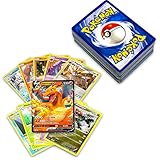
- 50+ Pokemon Cards
- 5 Holos Guaranteed minimium per order
- 1 GX, EX, V, VMax, Full Art, Tag Team, or Secret Rare
Froslass, Gourgeist, Gengar, and Jellicent — unsettling is not a verdict
These species also appear in coverage of disturbing entries, but that does not establish a moral case on its own. Their particular in-game claims need to be assessed in context: a frightening description, mischief, or danger to people is not automatically evidence of deliberate cruelty. In Jellicent’s case, a claim about deaths at sea would need to be distinguished from deliberate wrongdoing.
Banette — a grudge is not proof of evil
The official Pokémon India Pokédex says Banette developed from an abandoned doll and amassed a grudge. That supports a tragic origin and resentment; it does not, by itself, establish a particular harmful act or prove that Banette is evil. (Pokémon India Pokédex)
Why there are no invented entries for ranks 9–15
A complete list of fifteen would require reliable, game-specific evidence for every selection. The sources available for this ranking do not establish that evidence for enough candidates. Filling the remaining places with Pokémon chosen for a Dark typing, a sinister appearance, or a familiar fan reputation would turn an editorial ranking into unsupported lore.
Quick Recap
How to judge a Pokémon’s morality from its lore
- Look for agency: does the source say the Pokémon chooses to act, or only that an effect occurs?
- Identify the behavior and target: what does it do, and to whom?
- Separate consequence from motive: harm can be real even when a source does not show malicious intent.
- Check the game version: Pokédex descriptions can differ between games, so quote and cite the relevant edition rather than treating every entry as one universal account.
- Do not infer evil from aesthetics: a ghostly design, dark typing, or tragic history is not proof of deliberate wrongdoing.
Product prices and availability are accurate as of the date/time indicated and are subject to change. Any price and availability information displayed on Amazon at the time of purchase will apply.
Quick wins for a faster PC:
Scan for outdated or missing drivers - takes under a minuteDriver Scan →Repair Windows errors before they cause bigger problemsFix Now →Fix the driver behind crashes, sound loss and screen glitchesFind Drivers →



