Windows Errors? Fix Them Before They Spread
Repair common Windows errors and clear accumulated junk for a smoother, more stable PC - no reinstall needed.Free scan · no reinstallCrashes, No Sound, or Screen Glitches?
Random freezes, missing sound and display glitches usually trace back to one bad driver. Find and replace yours safely.Free scan · under a minuteThere is no evidence-based, definitive list of 15 legendary bands that “actually suck.” The phrase is a provocation, not a measurable category: criticism depends on whether you value songwriting, performance, consistency, influence, or the distance between a band’s reputation and what its records deliver. The more defensible question is narrower: Are these the most overrated albums of all time?
Why a definitive list of 15 bands would be misleading
The available examples concern disputed albums and reputations, not a verified lineup of 15 bands. No named statistical study establishes which bands “actually suck,” and a numerical ranking would imply a method and evidence that do not exist. A list can still be entertaining criticism, but it needs to identify its criteria and make clear that its verdict is an argument rather than a fact.
![Greatest Hits[The Ultimate Collection] [Deluxe 2 CD]](https://m.media-amazon.com/images/I/41+1N9ogQ-L._SL160_.jpg)
![60 Hits of Classic Rock Collection Fraturing Chicago, ZZ Top, Foreigner, The Doobie Brothers and more.. [3 CD, Box Set]](https://m.media-amazon.com/images/I/616YSBbOBhL._SL160_.jpg)
![Classic Rock Greatest Hits: 60+ Songs Featuring Journey Toto Meat Loaf Heart Lita Ford Korn and many More! [CD]](https://m.media-amazon.com/images/I/51wKpexA9zL._SL160_.jpg)
There is also a basic distinction between criticizing a record and condemning the group that made it. The Independent includes The Beatles’ Sgt. Pepper’s Lonely Hearts Club Band among its overrated-album choices. That is a judgment about one album’s reputation relative to its musical merits; it does not establish that The Beatles are a bad band. The Independent’s feature on overrated albums is best read on that narrower basis.
What “overrated” can mean in music criticism
A useful critique says what standard it is applying. A band might be faulted for uneven albums, unremarkable songwriting, performances that have aged poorly, or a reputation that exceeds the listening experience. Those are different arguments. Influence and popularity may explain why a band matters historically, but neither guarantees that every record remains compelling to every listener.
Free tools Windows power users keep installed
One-click scans. No signup required.
#1 Best Overall
![Gold: Classic Rock [2 CD]](https://m.media-amazon.com/images/I/51sx5NJedlL._SL160_.jpg)
- Various- Classic Rock Gold
- Songwriting: Do the melodies, lyrics, arrangements, and structures hold up?
- Performance: Do the musicians’ playing and vocals make the material persuasive?
- Consistency: Is the criticism about one celebrated release, a particular era, or the catalogue as a whole?
- Reputation versus listening: Does the cultural standing of the work match the experience of hearing it now?
- Influence: Is the claim about a band’s historical effect, or about whether its music is enjoyable today?
Keeping these questions separate prevents a common critical shortcut: treating “I do not enjoy this record” as proof that a group lacks importance, or treating historical importance as proof that the music cannot be criticized.
Canonical records are still open to disagreement
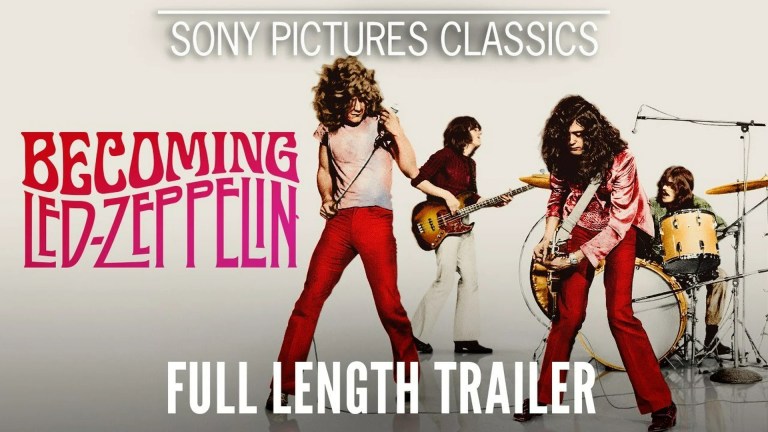
Euronews’ 2026 feature revisits arguments around Led Zeppelin IV, Pink Floyd’s The Wall, and Prince’s catalogue. These examples show that famous work can prompt disagreement; they do not settle the quality of the artists’ entire bodies of work. Read the Euronews discussion of whether these are the most overrated albums of all time as one writer’s assessment of contested material, not as a verdict shared by all critics or listeners.
Rank #2
That distinction matters especially when an article’s headline targets bands but its evidence targets albums. A fair argument would name the particular recordings or period at issue, acknowledge the group’s strongest work, and explain why the criticism does or does not extend further. Without that work, a whole-band takedown turns a debatable listening judgment into an unsupported generalization.
Popularity and critical approval do not always align
Commercial success is not the same measure as critical esteem. CBS News discusses the idea that some acts can be “critic-proof,” reporting a general observation from Rolling Stone senior editor Nathan Brackett about artists whose commercial appeal persists despite critical dislike. That context helps explain why a band can remain popular while attracting harsh reviews; it does not identify any particular act as artistically worthless. CBS News’ account of critic-proof artists and commercial appeal addresses that divide.
Why reputations change
Music criticism does not operate outside its era. The New Yorker’s account of the changing practice and standards of music criticism offers context for why later writers may reassess records that were once dismissed or celebrated. A shift in critical taste is not, by itself, proof that an earlier consensus was wrong; it is a reason to ask what standards and assumptions shaped each judgment. The New Yorker’s history of music criticism provides broader context rather than evidence against any individual band.
Independent reader supportYour contribution helps us test, update, and keep practical guides available for everyone.How to make a “15 bands” list worth reading
A credible version of the premise should define its scope before naming names. Is it ranking groups whose reputations outstrip their records, groups with weak catalogues despite landmark influence, or groups whose music the writer simply dislikes? Those categories produce different lists. For each entry, the writer should separate documented reception or commercial history from personal evaluation, identify the work being criticized, and avoid using one album as proof about an entire career.
Until a specific lineup is established and each claim is sourced, naming 15 bands as though they have been shown to “actually suck” would manufacture certainty. The stronger critical project is to examine why a celebrated album or reputation feels overrated—and to make the case with listening, criteria, and evidence rather than a supposedly objective verdict.
Quick Recap
Best Value

- Shrink-wrapped
Product prices and availability are accurate as of the date/time indicated and are subject to change. Any price and availability information displayed on Amazon at the time of purchase will apply.