Ask ten people who the funniest stand-up comedian of all time is, and you’ll get twelve answers — usually delivered with the conviction of a closer. Comedy is shaped by when you grew up, who raised you, what you’re offended by, and what you secretly laugh at when no one’s around. One generation swears by the raw rebellion captured in grainy club footage, another by Netflix-era polish and viral bits dissected online.
Yet history has a way of separating personal favorites from undeniable giants. Watch enough landmark specials, revisit the sets that changed what comics were allowed to say onstage, or trace the DNA of modern stand-up back to its source, and patterns emerge. Certain performers didn’t just get laughs; they shifted the culture, influenced peers, and redefined the rules of the art form.
| # | Preview | Product | Price | |
|---|---|---|---|---|
| 1 |

|
JIM GAFFIGAN STAND UP COMEDY COLLECTION | $6.38 | Buy on Amazon |
| 2 |

|
Eddie Murphy - Delirious | $8.34 | Buy on Amazon |
| 3 |

|
Blue Collar Comedy Tour - The Movie | $8.15 | Buy on Amazon |
| 4 |

|
The Original Kings of Comedy | $5.25 | Buy on Amazon |
| 5 |
|
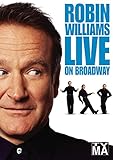
Robin Williams: Live On Broadway | $7.99 | Buy on Amazon |
That’s where this list lives. It’s not about declaring a single, objective winner — comedy doesn’t work that way — but about recognizing the rare comedians whose material, voice, and impact transcended era, medium, and taste. Whether they challenged censorship, reinvented storytelling, or simply made audiences laugh harder and longer than anyone else, these legends rose above the noise and earned their place in stand-up history.
How the Rankings Were Determined: Craft, Consistency, Cultural Impact, and Influence
Ranking comedy is less about math and more about judgment sharpened by history. This list weighs laughs, yes, but also longevity, originality, and the ability to bend the medium in new directions. These aren’t just the comics who killed onstage — they’re the ones whose work still echoes through clubs, specials, and the voices of comedians who followed.
What’s actually slowing this PC down?
Pick the symptom - the matching free tool is one click away.
#1 Best Overall
Craft: Joke Writing, Delivery, and Command of the Stage
At its core, stand-up is a craft, and the greatest comedians treat it like a discipline. This includes precision joke writing, rhythm, timing, physicality, and the often-invisible skill of making something meticulously constructed feel effortless. Whether it’s a perfectly engineered one-liner or a sprawling story that lands every beat, mastery of form matters.
We looked closely at how these comedians build sets, control rooms, and adapt their voices to different eras without losing what makes them distinct. The funniest comics aren’t just saying funny things — they’re shaping chaos into something intentional, repeatable, and deadly accurate.
Consistency: The Ability to Deliver Over Time
One great special can make a career. Multiple great specials define a legend. Consistency across decades, tours, and changing audiences was a major factor in these rankings.
Some comedians burned bright and brief, while others evolved, sharpened, or even reinvented themselves to remain relevant. This list rewards performers who didn’t just have a moment, but sustained excellence — comics you could trust to deliver, year after year, regardless of trends or platforms.
Cultural Impact: When Comedy Changes the Conversation
The greatest stand-ups don’t just reflect culture; they push against it. Many of the comedians ranked here forced audiences to confront uncomfortable truths, challenged censorship, or gave voice to perspectives that had been ignored or dismissed.
We considered how often a comedian’s material became part of the broader cultural dialogue — quoted, debated, banned, dissected, or immortalized. If their jokes sparked outrage, inspired think pieces, or permanently altered what could be said onstage, that impact mattered.
Influence: The Comedians Who Created More Comedians
Influence is comedy’s version of legacy. These are the performers whose cadence, subject matter, or fearlessness can be traced through generations of stand-ups who followed.
If younger comics openly cite them as inspirations, if entire styles emerged in their wake, or if modern stand-up simply wouldn’t exist in the same form without them, their ranking rose accordingly. The greatest comedians don’t just make audiences laugh — they quietly teach others how to do it, too.
The Top 10 Funniest Stand-Up Comedians of All Time (Ranked)
10. Bill Burr
Bill Burr made righteous anger funny again, weaponizing frustration into tightly structured rants that feel both reckless and meticulously engineered. His genius lies in turning the audience against him, then dragging them back to his side with brutal honesty and airtight logic. Specials like Let It Go and Paper Tiger cemented him as the voice of modern irritation. Burr’s influence is everywhere in today’s confessional, anti-polished comedy boom.
9. Joan Rivers
Joan Rivers shattered ceilings with a microphone, delivering ferocious one-liners long before stand-up welcomed women as equals. Her comedy was unapologetically sharp, self-lacerating, and fearless in its pursuit of taboo. Rivers helped redefine what women could say onstage and how brutally funny they could be while doing it. Modern stand-up’s no-holds-barred candor owes her a permanent debt.
8. Robin Williams
Robin Williams wasn’t just performing stand-up — he was unleashing it. His rapid-fire improvisation, elastic physicality, and stream-of-consciousness brilliance felt like watching comedy in overdrive. While his sets were chaotic by design, they showcased a once-in-a-generation mind operating without limits. Few comedians have ever matched his sheer velocity or joy.
7. Jerry Seinfeld
Jerry Seinfeld turned the mundane into a masterclass, proving that observational comedy could be both pristine and endlessly relatable. His precision, economy of language, and obsession with structure influenced generations of comics who value craftsmanship over shock. Seinfeld may not shout, but his jokes land with surgical consistency. He redefined how clean comedy could still be devastatingly funny.
Recommended Free Tools
6. Louis C.K.
At his peak, Louis C.K. revolutionized modern stand-up by making self-awareness brutally uncomfortable and impossible to ignore. His ability to expose personal flaws while dismantling social hypocrisies felt raw, honest, and dangerously funny. Specials like Shameless and Oh My God showcased a comedian operating at total command of form. His influence on confessional comedy remains undeniable.
Rank #2
- Factory sealed DVD
5. Eddie Murphy
Eddie Murphy changed stand-up forever before he turned 25. Delirious and Raw combined star power, fearlessness, and undeniable charisma into something that felt seismic. Murphy’s swagger, timing, and ability to dominate an arena set a new bar for what stand-up could look and feel like. His shadow still looms large over comedy’s biggest stages.
4. Chris Rock
Chris Rock perfected the art of saying uncomfortable truths with precision and clarity. His rhythm, repetition, and willingness to tackle race, politics, and relationships made his material both accessible and incendiary. Bring the Pain didn’t just define a career — it reshaped stand-up’s relationship with social commentary. Rock makes complex ideas feel unavoidable and hilarious.
3. Dave Chappelle
Dave Chappelle turned stand-up into cultural confrontation. His ability to blend philosophical reflection with explosive punchlines made his later specials feel less like performances and more like events. Chappelle commands silence as effectively as laughter, bending rooms to his will through confidence alone. Few comedians have wielded influence this powerfully, or sparked conversation so consistently.
The Tool Desk
Outbyte PC Repair FREEClear out junk files and repair common Windows errorsFree Scan →Outbyte Driver Updater FREEFix the driver behind crashes, sound loss and screen glitchesFind Drivers →2. Richard Pryor
Richard Pryor didn’t just tell jokes — he told the truth, stripped of safety nets. His storytelling transformed personal pain into universal comedy, setting a new standard for vulnerability onstage. Pryor’s raw honesty opened doors that had never existed in stand-up before. Almost every comedian who followed is standing somewhere in his shadow.
1. George Carlin
George Carlin stands alone as stand-up’s greatest philosopher-warrior. His evolution from observational comic to cultural executioner showed unmatched growth, fearlessness, and precision. Carlin didn’t chase laughs — he earned them by dismantling language, power, and hypocrisy with surgical brilliance. No comedian better combined intelligence, consistency, influence, and relentless laughter than George Carlin.
Iconic Bits and Specials That Changed Comedy Forever
Certain stand-up moments don’t just land laughs — they redraw the map. These are the bits and specials that altered what comedians felt allowed to say, how they could say it, and how big the stage could be. Together, they form a shared language that still echoes through clubs, theaters, and streaming queues.
George Carlin’s “Seven Dirty Words” and Jammin’ in New York
Carlin’s infamous “Seven Dirty Words” routine didn’t just shock audiences; it went all the way to the Supreme Court. More than profanity, it was a linguistic takedown of American hypocrisy that proved stand-up could be intellectually dangerous. Jammin’ in New York later crystallized his late-career fury, blending precision writing with cultural demolition. Carlin showed that comedy could be radical, rigorous, and relentlessly funny.
Crashes, No Sound, or Screen Glitches?
Random freezes, missing sound and display glitches usually trace back to one bad driver. Find and replace yours safely.Free scan · under a minuteWindows Errors? Fix Them Before They Spread
Repair common Windows errors and clear accumulated junk for a smoother, more stable PC - no reinstall needed.Free scan · no reinstallRichard Pryor’s Live on the Sunset Strip
Live on the Sunset Strip felt less like a special and more like a public reckoning. Pryor’s unfiltered storytelling about addiction, violence, and self-destruction redefined honesty in comedy. He turned personal trauma into communal catharsis, shifting stand-up away from punchlines and toward truth. After Pryor, hiding onstage felt impossible.
Dave Chappelle’s Killing Them Softly
Killing Them Softly announced a generational voice with surgical clarity. Chappelle’s racial commentary, delivered with casual confidence and airtight structure, became endlessly quotable without losing its bite. He proved that social critique could be both mainstream and uncompromising. The special remains a masterclass in economy, timing, and controlled provocation.
Chris Rock’s Bring the Pain
Bring the Pain hit like a manifesto. Rock’s sharp segmentation of race, relationships, and politics distilled complex ideas into chant-ready rhythms that audiences instantly absorbed. It reset expectations for political comedy in the ’90s and beyond. Stand-up suddenly sounded louder, leaner, and more urgent.
Eddie Murphy’s Delirious and Raw
Murphy’s red leather suit became as iconic as the jokes themselves. Delirious and Raw fused arena-sized charisma with razor-sharp act-outs, turning stand-up into an event spectacle. His pacing, confidence, and command influenced everything from delivery to fashion. Murphy didn’t just sell out arenas — he made comedians believe they could.
Robin Williams’ Live at the Met
Live at the Met captured comedy at the speed of thought. Williams’ improvisational explosion blurred the line between stand-up, theater, and manic brilliance. The special redefined energy onstage, proving that velocity itself could be a punchline. No one had ever moved like that before, and few have dared since.
Jerry Seinfeld’s “The Pop-Tart Joke” and I’m Telling You for the Last Time
Seinfeld’s Pop-Tart bit turned trivial observation into airtight comedy engineering. I’m Telling You for the Last Time showcased the perfectionist peak of observational stand-up. Every word was weighed, every pause deliberate. It validated the idea that clean, precise comedy could still be devastatingly funny.
Rank #3
- DVD
- Multiple Formats, Closed-captioned, Color
- English (Subtitled), French (Subtitled), Spanish (Subtitled)
- 1
- 105
Bill Hicks’ Revelations
Revelations felt confrontational by design. Hicks challenged audiences to question consumerism, religion, and authority with unapologetic intensity. Laughter often came with discomfort, and that was the point. He helped legitimize stand-up as countercultural resistance.
Joan Rivers’ A Piece of Work Era Material
Rivers’ relentless self-roasting and taboo-breaking jokes about gender, aging, and celebrity shattered expectations for women in stand-up. Her rapid-fire delivery left no room for mercy, including toward herself. She proved that comedy could be glamorous, cruel, and fearless all at once. Modern insult and confessional comedy owe her a debt.
Free tools Windows power users keep installed
One-click scans. No signup required.
Why These Moments Still Matter
These bits and specials didn’t just age well — they became reference points. You can hear them in modern cadences, see them in risk-taking, and feel them whenever a comedian pushes too far on purpose. Comedy keeps evolving, but these moments remain the load-bearing walls. Without them, stand-up wouldn’t look, sound, or feel the same.
Generational Impact: How These Comics Shaped What Came After
Stand-up doesn’t evolve in isolation. Each generation builds its voice using the rhythms, risks, and rebellions of the comics who came before them. What makes the funniest stand-up comedians of all time truly immortal isn’t just how hard they killed in the room — it’s how deeply their DNA runs through modern comedy.
The Blueprint Era: Craft Becomes Canon
Richard Pryor, George Carlin, and Jerry Seinfeld turned stand-up into a discipline as much as an instinct. Pryor’s confessional honesty rewired how comedians talked about race, pain, and identity, opening the door for raw storytellers like Chris Rock, Dave Chappelle, and Kevin Hart. Carlin’s linguistic precision and philosophical rage became the foundation for socially conscious comics who treat the microphone like a weaponized essay.
Seinfeld’s influence is quieter but everywhere. His obsession with structure, cadence, and economy shaped generations of joke writers, from late-night monologues to Netflix-era observational stars. Even comedians who reject his clean style still measure themselves against his craftsmanship.
Breaking Ceilings and Expanding Space
Eddie Murphy didn’t just change what a stand-up set looked like — he changed where it could go. Arena comedy, superstar branding, and crossover dominance became viable paths because Murphy proved stand-ups could command pop culture the way rock stars did. You see his shadow in everyone from Chris Rock’s swagger to Hart’s global empire.
Joan Rivers’ impact is equally seismic. She carved out space for women to be vicious, vulnerable, sexual, and unapologetically ambitious onstage. Without Rivers, there’s no direct line to comics like Nikki Glaser, Sarah Silverman, Amy Schumer, or Chelsea Handler pushing boundaries with confidence and control.
Chaos as Influence: Energy, Speed, and Risk
Robin Williams made velocity a viable comedy weapon. His improvisational chaos influenced alternative comedy, sketch performers, and stand-ups who blur character work with stream-of-consciousness madness. You can feel his presence in comics like Jim Carrey, Bo Burnham, and even podcast-era performers who treat tangents as art rather than mistakes.
Bill Hicks’ legacy runs darker but just as deep. He normalized discomfort as a comedic tool, emboldening comics to alienate audiences in pursuit of truth. Modern provocateurs and truth-tellers — from Chappelle to underground political comics — operate in a world Hicks helped make possible.
Do these 3 things before closing this tab:
1Fix the driver behind crashes, sound loss and screen glitches2Repair Windows errors before they cause bigger problems3Scan for outdated or missing drivers - takes under a minuteThe Modern Echo Chamber
Today’s stand-up landscape is a collage of these influences. Podcasts favor Pryor’s intimacy, Netflix specials chase Murphy’s scale, and socially charged sets echo Carlin and Hicks in tone and intent. Even when comedians claim to be doing something entirely new, they’re often remixing the language these legends invented.
What separates the funniest stand-up comedians of all time from merely great performers is permanence. Their jokes may belong to a moment, but their impact outlives it. Every punchline that dares more, reveals more, or risks more is part of the lineage they left behind.
Close Calls and Honorable Mentions That Just Missed the Cut
When you’re ranking the funniest stand-up comedians of all time, the hardest part isn’t picking the top tier — it’s deciding who gets left standing just outside the spotlight. These comics didn’t miss the cut because they lacked brilliance, influence, or iconic material. They missed it because stand-up history is crowded with giants, and the margins are cruelly thin.
Rank #4
Masters of the Craft Who Defined Their Eras
Jerry Seinfeld’s exclusion will be controversial, but it speaks to how narrowly this list was drawn. His observational precision reshaped late-’80s and ’90s comedy, and his ability to mine laughs from minutiae remains unmatched. While his impact is undeniable, his style favored refinement over reinvention, placing him just outside the final tier.
Quick wins for a faster PC:
Scan for outdated or missing drivers - takes under a minuteDriver Scan →Repair Windows errors before they cause bigger problemsFix Now →Steve Martin, meanwhile, helped dismantle traditional stand-up altogether. His absurdist, anti-comedy persona in the 1970s paved the way for alternative comedy decades before it had a name. His influence is massive, but his career’s pivot toward film and music makes his stand-up legacy feel more like a brilliant chapter than a sustained reign.
Boundary Pushers and Cult Icons
Sam Kinison burned fast, loud, and unforgettable. His volcanic rage and primal scream delivery shattered the idea that stand-up had to be likable or polite. While his career was tragically short, his influence on shock comedy and aggressive performance still reverberates.
Patrice O’Neal remains a near-mythic figure among comedians. His fearless honesty, conversational dominance, and refusal to pander created a blueprint for podcast-era stand-up and unfiltered crowd work. Had his career lasted longer, his placement would be unquestionable.
Modern Powerhouses Who Redefined the Game
Louis C.K.’s omission is complicated but unavoidable to address. Artistically, his body of work redefined modern stand-up structure, confessional storytelling, and thematic cohesion across specials. His influence is embedded everywhere, even as his legacy remains fractured by his personal downfall.
Recommended Free Tools
Kevin Hart also narrowly misses, despite becoming one of the most commercially successful stand-ups in history. His relentless energy, self-mythologizing, and stadium-sized relatability made stand-up globally accessible in a new way. The scale is undeniable, but longevity at the highest creative peak ultimately kept him just outside the top tier.
Voices That Changed Who Got to Speak
Whoopi Goldberg’s original Broadway special remains one of the boldest debut statements in stand-up history. Her character-driven storytelling expanded who could command the stage and how comedy could intersect with identity, politics, and performance art.
Norm Macdonald, beloved by comics and devotees alike, mastered anti-punchline comedy with surgical timing and mischievous intent. His influence is subtle but profound, shaping generations of performers who value commitment to the bit over audience approval.
These honorable mentions aren’t footnotes — they’re alternate versions of the list, depending on what you value most: innovation, influence, danger, or dominance. In another configuration, several of them could easily sit among the greatest. That they don’t here is less a dismissal than a testament to how impossibly high the bar truly is.
Quick wins for a faster PC:
Scan for outdated or missing drivers - takes under a minuteDriver Scan →Repair Windows errors before they cause bigger problemsFix Now →Fix the driver behind crashes, sound loss and screen glitchesFind Drivers →Enduring Legacy: Why These Comedians Are Still Quoted, Streamed, and Debated
What separates great stand-up from immortal stand-up is repeatability. These comedians didn’t just crush rooms in their era; they built material that survives rewatches, rewinds, and rewrites. Their jokes still circulate because they’re engineered around human behavior, power, hypocrisy, and identity — themes that refuse to age out.
Streaming has only amplified that durability. A Richard Pryor bit can sit next to a modern Netflix special and still feel dangerous. A George Carlin monologue sounds less like a relic and more like a leaked TED Talk from the future.
Quotability as Cultural Currency
These comics are quoted the way movies are quoted, with shorthand recognition and instant context. A single line from Eddie Murphy, Chris Rock, or Dave Chappelle can still dominate a conversation because the joke carries an entire worldview inside it. That kind of compression is rare, and it’s why their words become social references rather than punchlines.
Quotability also signals trust. Audiences return to these comedians because they believe the comic will articulate something they already feel but can’t quite say. When that connection clicks, the joke stops belonging to the performer and starts living in the culture.
Best Value
- DVD
- Multiple Formats, Color, Dolby
- English (Original Language), English (Unknown)
- 1
- 305
Built for Rewatching, Not Just Applause
Many modern specials are optimized for immediacy, but the greats built sets that reward revisiting. Pryor’s vulnerability deepens with age. Seinfeld’s observational precision becomes more impressive the more distracted the world gets. Carlin’s structure reveals new layers every time you notice how carefully the argument is assembled.
This rewatch value is why these comedians thrive on streaming platforms. Algorithms may surface the clip, but it’s the craftsmanship that keeps people watching the full hour again.
Debate Is the Final Proof of Relevance
The funniest comedians of all time are still argued over because their work invites interpretation. Was the joke satire or sincerity? Was the target power or the audience? Those questions keep their material alive long after the laugh fades.
Controversy doesn’t erase their influence; it sharpens it. When people argue about Chappelle, Hicks, or Carlin, they’re really debating the role of comedy itself — what it’s allowed to say, who it’s for, and how far it should go.
Influence You Can Hear on Today’s Stage
Listen closely to any open mic or podcast today and you can hear echoes of these voices. The confessional honesty, the extended riffs, the moral interrogations disguised as jokes — none of it appeared by accident. These comedians didn’t just succeed; they rewired the language of stand-up.
That influence ensures they’re never truly replaced. New stars rise, styles shift, and platforms change, but the foundation remains. As long as comedians are chasing truth through laughter, these names will keep coming up — quoted, streamed, and endlessly debated.
The Eternal Comedy Argument: Who Should Be Higher, Lower, or Number One?
If there’s one thing more reliable than a great punchline, it’s the argument that follows any “greatest of all time” list. Rankings turn fans into amateur historians, ethics professors, and comedy club bouncers all at once. Who you place at number one often says as much about when you grew up as what you value in comedy.
The Carlin vs. Pryor vs. Chappelle Triangle
Every debate eventually narrows to a familiar triangle. George Carlin represents precision, philosophy, and linguistic control, turning stand-up into a structured argument with laughs as the evidence. Richard Pryor is raw truth and emotional risk, redefining vulnerability onstage in ways comedy still hasn’t fully caught up to. Dave Chappelle sits at the modern intersection, blending social commentary, personal reflection, and cultural provocation in a way that feels tailored to the current moment.
Free tools Windows power users keep installed
One-click scans. No signup required.
Arguing which of them should be number one often comes down to whether you value craft, catharsis, or cultural impact most. There’s no clean answer, and that tension is exactly why the argument never ends.
Generational Bias Is Not a Bug, It’s the Point
Comedy doesn’t exist in a vacuum; it exists in time. A comic who felt revolutionary in the 1970s may feel measured today, while a performer who speaks directly to modern anxieties might not land the same way for older audiences. That doesn’t diminish anyone’s greatness; it contextualizes it.
When someone insists a newer comedian can’t outrank a legend, they’re often protecting an era, not just a performer. Likewise, younger fans elevating contemporary voices are responding to relevance, not disrespect.
Clean vs. Dirty, Observational vs. Confrontational
Some rankings hinge on taste as much as talent. Jerry Seinfeld’s meticulous, clean observations appeal to audiences who admire economy and universality. Comics like Chris Rock or Eddie Murphy thrive on swagger, social tension, and the electricity of confrontation.
Neither approach is inherently superior, but they reward different instincts. Lists tend to elevate whichever style feels braver, sharper, or more necessary at the time they’re written.
Why the Number One Spot Will Never Settle
The truth is that comedy greatness isn’t a finish line; it’s a conversation. Influence shifts, cultural needs evolve, and jokes gain or lose weight as the world changes around them. A definitive number one would require comedy itself to stop evolving, and that’s not how laughter works.
The best lists don’t try to end the debate. They invite it, knowing that disagreement is part of what keeps these comedians alive in the culture.
In the end, the funniest stand-up comedians of all time aren’t just measured by laughs per minute or sold-out specials. They’re defined by how often we return to them, argue about them, and use their words to make sense of our own lives. If the debate never dies, neither does their legacy.
Quick Recap
Product prices and availability are accurate as of the date/time indicated and are subject to change. Any price and availability information displayed on Amazon at the time of purchase will apply.

