The Tool Desk
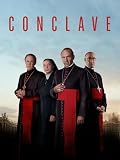
Outbyte PC Repair FREEClear out junk files and repair common Windows errorsFree Scan →Outbyte Driver Updater FREEFix the driver behind crashes, sound loss and screen glitchesFind Drivers →Conclave arrived at a moment when audiences were primed for stories about closed-door power and moral ambiguity, and it understood that the Vatican remains one of cinema’s most potent political arenas. Edward Berger’s film strips away the pageantry of papal elections to reveal them as tense exercises in strategy, compromise, and survival. By treating faith as both sincere belief and institutional leverage, Conclave reminded viewers why the Holy See has long functioned like the ultimate geopolitical chessboard.
What made the film resonate so sharply was its refusal to frame Vatican intrigue as relic or fantasy. Its cardinals maneuver like modern power brokers, haunted by scandal, ideology, and the weight of history pressing down on every whispered conversation. The locked rooms, ritualized secrecy, and ancient rules feel less mystical than brutally procedural, turning sacred tradition into a pressure cooker for human ambition.
| # | Preview | Product | Price | |
|---|---|---|---|---|
| 1 |
![Conclave [DVD]](https://m.media-amazon.com/images/I/414z7SfMfmL._SL160_.jpg)
|
Conclave [DVD] | $10.99 | Buy on Amazon |
| 2 |
|
Conclave | $3.99 | Buy on Amazon |
| 3 |

|
Conclave DVD | Ralph Fiennes, Stanley Tucci, John Lithgow | Region 4 (Australia) | $17.76 | Buy on Amazon |
| 4 |

|
Conclave Como Se Elige Un Papa Dvd | $15.00 | Buy on Amazon |
| 5 |

|
Conclave: How a Pope Is Elected | $53.94 | Buy on Amazon |
That approach reignited interest in a specific cinematic tradition: thrillers that treat the Church not as a backdrop, but as an active political organism. In the wake of Conclave, audiences are once again seeking films that explore how belief intersects with corruption, how secrecy sustains authority, and how faith can be weaponized in the pursuit of control. The Vatican conspiracy movie, long a staple of intelligent genre filmmaking, suddenly feels urgent again.
Ranking Criteria: What Makes a Great Vatican Conspiracy Thriller
To rank the best Vatican conspiracy films alongside Conclave, it’s not enough to count plot twists or secret passages. The strongest entries in the genre understand that the Vatican is not merely a mysterious setting, but a living political system shaped by doctrine, tradition, and human ambition. These films succeed when they treat faith and power as inseparable forces rather than opposing ideas.
#1 Best Overall
- Genre: Mystery / Suspense; Thriller
- Number of Discs: 1
- Number of Tracks: 0
- Playback Duration: 121
- Director: Edward Berger
Institutional Authenticity Over Spectacle
Great Vatican thrillers ground their intrigue in believable institutional mechanics. Papal elections, curial politics, doctrinal disputes, and centuries-old protocols must feel researched and procedural, not ornamental. The drama emerges from rules being bent, exploited, or weaponized, not from fantasy or pulp exaggeration.
Secrecy as a System, Not a Gimmick
Secrecy in these films works best when it feels structural rather than conspiratorial for its own sake. Locked archives, private chambers, and unspoken hierarchies create tension because they reflect how information actually circulates within power. The audience should sense that every withheld truth protects someone higher up the chain.
Moral Ambiguity at the Core
The most compelling Vatican conspiracy films refuse easy villains or saints. Cardinals, priests, and investigators operate in moral gray zones where compromise is survival and righteousness can be dangerous. Like Conclave, the best entries understand that belief does not purify ambition; it often intensifies it.
Faith Treated as Ideology and Vulnerability
These films resonate when faith is portrayed as both sincere conviction and political currency. Belief motivates characters, but it also exposes them to manipulation, guilt, and doubt. The tension between spiritual duty and institutional loyalty is where the genre finds its emotional weight.
Recommended Free Tools
Procedural Tension Over Action
Vatican conspiracy thrillers thrive on conversation, strategy, and quiet confrontation. Votes, confessions, and bureaucratic maneuvers carry more suspense than chases or violence. Silence, glances, and withheld decisions often matter more than explosive reveals.
Architecture as Psychological Pressure
The physical spaces of the Vatican are never neutral. Narrow corridors, cavernous halls, and ritualized chambers should feel oppressive, amplifying paranoia and isolation. Great films use architecture to remind characters that they are small within an ancient machine that will outlast them.
Political Stakes with Global Consequences
Finally, the best Vatican conspiracy films understand that internal Church conflicts ripple outward. Decisions made in private rooms affect nations, ideologies, and millions of believers. When a film frames Vatican intrigue as geopolitics rather than theology alone, it earns its place beside Conclave in the modern canon.
The Inner Circle: Films That Penetrate Papal Elections, Curial Politics, and Holy Power (Top Tier Picks)
These films operate closest to the nerve center of Vatican authority, where succession, secrecy, and spiritual legitimacy collide. Like Conclave, they understand that the Church’s most dangerous battles are waged quietly, through alliances, procedures, and controlled revelation. Each title below peers into the inner sanctum, treating papal power not as abstraction but as a contested, human institution.
Angels & Demons (2009)
Often dismissed as a pure conspiracy romp, Angels & Demons earns its place here by anchoring its spectacle in the mechanics of a papal conclave. The film dramatizes the vulnerability of the Church during interregnum, when ancient rituals collide with modern threats and internal dissent. Beneath the bombast lies a pointed idea: moments of spiritual transition invite both reformers and opportunists to seize control.
Its Rome is a pressure cooker, where curial secrecy becomes both shield and liability. The urgency of the conclave, combined with rival ideological factions, echoes Conclave’s interest in how fragile authority becomes when succession is unresolved.
The Godfather Part III (1990)
Francis Ford Coppola’s final Godfather film is arguably the most cynical Vatican thriller ever produced by a mainstream studio. The Church is portrayed as a financial and political power broker, deeply entangled with criminal interests and institutional self-preservation. Papal elections and Vatican banking are not spiritual matters here, but transactional ones.
What makes the film essential is its refusal to separate sin from structure. Corruption is not the result of individual moral failure alone, but of a system designed to protect itself at all costs, a theme that resonates strongly with Conclave’s institutional skepticism.
What’s actually slowing this PC down?
Pick the symptom - the matching free tool is one click away.
The Shoes of the Fisherman (1968)
A rare film that treats the papacy as a geopolitical office as much as a spiritual one, The Shoes of the Fisherman explores what happens when moral idealism reaches the highest level of Church power. Its conclave sequences are procedural, solemn, and quietly suspenseful. Every vote feels weighted by history and consequence.
The film’s strength lies in its understanding that a pope’s conscience can destabilize global power structures. For viewers drawn to Conclave’s emphasis on responsibility over righteousness, this remains one of the genre’s most thoughtful precursors.
Rank #2
Habemus Papam (2011)
Nanni Moretti’s understated masterpiece approaches Vatican power from an unexpected angle: fragility. When a newly elected pope collapses under the psychological weight of his role, the film exposes the human cost of institutional expectation. The conclave is not corrupt here, but deeply anxious.
What connects it to Conclave is its focus on process and silence rather than scandal. The cardinals are trapped by ritual, unsure how to respond when divine certainty gives way to doubt, revealing the Church as an organization unprepared for vulnerability at the top.
The Confessional (Le Confessionnal) (1995)
Though less widely known, this Québécois thriller uses Vatican secrecy as an offscreen gravitational force shaping lives and moral choices. Confession, withheld truth, and clerical authority become mechanisms of control rather than liberation. The Church’s power is subtle, pervasive, and psychologically invasive.
For fans of Conclave’s quieter tensions, this film offers a reminder that Vatican politics extend beyond Rome. The real intrigue lies not in spectacle, but in how institutional silence travels across borders and generations, protecting itself through obedience and fear.
Secret Orders, Forbidden Texts, and Heretical Truths: The Best Vatican Mysteries and Cover‑Up Thrillers
If Conclave frames Vatican politics as an internal chess match, these films push the lens outward, into the shadowy margins where doctrine, secrecy, and suppressed knowledge collide. Here, the Church is not just an institution struggling with conscience, but a fortress guarding truths that could destabilize faith itself. The tension comes from what is hidden, who decides what the faithful are allowed to know, and how far the system will go to preserve doctrinal control.
The Name of the Rose (1986)
Jean-Jacques Annaud’s adaptation of Umberto Eco’s novel remains one of the most intellectually rigorous Vatican-set thrillers ever made. Set in a medieval monastery, the film transforms theological debate into a deadly mystery, where forbidden books are treated as existential threats. Knowledge itself becomes heresy when it challenges institutional authority.
Do these 3 things before closing this tab:
1Fix the driver behind crashes, sound loss and screen glitches2Clear out junk files and repair common Windows errors3Scan for outdated or missing drivers - takes under a minuteWhat makes it essential viewing for Conclave fans is its portrayal of the Church as a self-protecting system terrified of destabilization. The mystery is compelling, but the real horror lies in how fear of dissent justifies cruelty, censorship, and murder in the name of preserving spiritual order.
Angels & Demons (2009)
Often overshadowed by its predecessor, Angels & Demons is actually the more Vatican-focused of Dan Brown’s adaptations. The film plunges viewers into a conclave under siege, where secret societies, ritual symbolism, and internal power struggles collide at a moment of papal transition. The Vatican is depicted as both sacred space and political battleground.
While more overtly pulpy than Conclave, the film taps into a similar anxiety about succession and legitimacy. Its thriller mechanics are heightened, but the underlying question is familiar: who truly controls the Church when tradition, ambition, and secrecy intersect?
The Da Vinci Code (2006)
Few films have so aggressively challenged the Church’s narrative authority in popular culture. The Da Vinci Code frames Catholic history as a carefully curated lie, maintained through covert organizations and suppressed gospels. Faith, in this world, is inseparable from power and narrative control.
Quick wins for a faster PC:
Repair Windows errors before they cause bigger problemsFix Now →Scan for outdated or missing drivers - takes under a minuteDriver Scan →For viewers drawn to Conclave’s skepticism toward institutional transparency, the film’s appeal lies less in its puzzles than in its provocation. It asks whether religious truth survives because it is sacred, or because it is enforced, a question that echoes through many Vatican-set political dramas.
The Ninth Gate (1999)
Roman Polanski’s occult thriller shifts away from Catholic orthodoxy into the dangerous allure of forbidden texts. While not Vatican-centric in a literal sense, the film draws heavily on the idea of the Church as a historical gatekeeper of esoteric knowledge. Books become weapons, and belief becomes obsession.
Its connection to Conclave is thematic rather than procedural. Both films suggest that institutions built on belief attract those who crave power over meaning itself, and that secrecy often breeds corruption more effectively than overt ambition.
Amen. (2002)
Costa-Gavras’ uncompromising drama tackles Vatican silence during the Holocaust, framing moral failure as an institutional choice rather than individual weakness. The Church’s bureaucracy, diplomacy, and fear of political consequences become barriers to action, even in the face of genocide.
Rank #3
- DVD Movies, DVD TV Shows
For audiences captivated by Conclave’s moral seriousness, Amen. offers one of the most devastating examinations of faith constrained by self-preservation. There are no secret societies here, only documents, meetings, and carefully chosen inaction, exposing how procedural caution can become its own form of complicity.
Faith vs. Corruption: Movies That Expose Moral Decay Inside Sacred Institutions
Spotlight (2015)
While Spotlight operates far from the Vatican’s marble corridors, its impact on the Church’s global moral authority is seismic. The film exposes systemic abuse and institutional cover-ups not as isolated sins, but as failures embedded within Church governance itself. Faith is present, but it is constantly undermined by hierarchy, legal strategy, and reputation management.
For viewers drawn to Conclave’s examination of power behind closed doors, Spotlight offers a modern, procedural counterpart. It strips away ritual and symbolism to reveal how silence becomes policy, and how moral authority erodes when preservation of the institution outweighs the suffering of individuals.
The Magdalene Sisters (2002)
Peter Mullan’s harrowing drama confronts corruption at its most intimate and devastating. Set within Church-run laundries in Ireland, the film exposes how religious authority can cloak cruelty in the language of discipline and salvation. The institution’s claim to moral purity becomes a mechanism for control, punishment, and systemic abuse.
Windows Errors? Fix Them Before They Spread
Repair common Windows errors and clear accumulated junk for a smoother, more stable PC - no reinstall needed.Free scan · no reinstallCrashes, No Sound, or Screen Glitches?
Random freezes, missing sound and display glitches usually trace back to one bad driver. Find and replace yours safely.Free scan · under a minuteLike Conclave, the film is less interested in villains than in systems. The horror lies not in secret cabals, but in the normalization of suffering justified as spiritual correction, revealing how unchecked authority rots from within.
The Confessional (1995)
Robert Lepage’s underseen thriller places the sacrament of confession at the center of a moral and political maze. Set against the backdrop of Quebec’s Quiet Revolution, the film interrogates the Church’s power over personal truth and public silence. What is sacred privacy for the soul becomes a shield for institutional wrongdoing.
Fans of Conclave will recognize the tension between spiritual ideals and bureaucratic reality. The film suggests that when faith is administered through rigid systems, absolution can become indistinguishable from erasure.
The Shoes of the Fisherman (1968)
At first glance, this Cold War-era drama appears reverent, even optimistic, about papal authority. Yet beneath its stately surface lies a sharp meditation on the compromises demanded by the office itself. The Vatican is portrayed as a political entity navigating global crises where moral clarity is perpetually threatened by realpolitik.
For audiences interested in Conclave’s depiction of leadership under spiritual and political pressure, The Shoes of the Fisherman offers a foundational text. It frames the papacy not as divine certainty, but as an impossible balancing act between faith, diplomacy, and the fear of moral failure on a global stage.
Political Chess Behind Sacred Walls: Vatican Conspiracies as Geopolitical Thrillers
Where films like Conclave excel is in revealing how spiritual authority intersects with global power. These stories treat the Vatican not only as a religious center, but as a sovereign state whose decisions ripple through diplomacy, intelligence networks, and history itself. In this cinematic tradition, faith becomes leverage, secrecy becomes currency, and belief systems collide with geopolitical reality.
Amen. (2002)
Costa-Gavras’ Amen. is one of the most uncompromising Vatican thrillers ever made, framing moral failure as a political decision rather than a personal flaw. Set during World War II, the film interrogates the Church’s response to the Holocaust, portraying silence as a calculated act shaped by fear of political fallout.
Like Conclave, it refuses easy villains. The Vatican emerges as an institution paralyzed by its own global influence, where speaking truth risks destabilizing diplomatic relationships. Power here is measured not by doctrine, but by what leaders choose not to say.
Free tools Windows power users keep installed
One-click scans. No signup required.
The Odessa File (1974)
This Cold War-era thriller pulls the Vatican into a shadowy web of postwar conspiracies, exploring allegations that Church networks helped Nazi war criminals escape Europe. The film blends investigative journalism with political paranoia, positioning religious institutions as unwilling participants in global intelligence games.
For fans of Conclave’s procedural tension, The Odessa File offers a similarly methodical unraveling of institutional secrecy. Faith operates in the background, while bureaucratic self-preservation drives the plot forward with chilling inevitability.
Angels & Demons (2009)
Often dismissed as pulp entertainment, Angels & Demons functions surprisingly well as a Vatican-set geopolitical thriller. Its depiction of papal succession under threat reframes the conclave itself as a flashpoint for international crisis, with science, faith, and political legitimacy colliding in real time.
While less restrained than Conclave, the film taps into the same anxiety: that ancient rituals still hold modern consequences. The Vatican becomes a battleground where symbolism, spectacle, and power politics converge beneath layers of ceremony.
The Godfather Part III (1990)
Francis Ford Coppola’s final Godfather chapter transforms Vatican banking into the linchpin of a global criminal conspiracy. The film exposes how financial corruption erodes spiritual authority, positioning the Church as both moral compass and compromised institution.
In its portrayal of papal succession and shadow negotiations, the film echoes Conclave’s interest in leadership shaped by compromise. Redemption is sought, but power has already rewritten the rules, leaving faith entangled in the machinery of influence.
The Two Popes (2019)
While not a traditional conspiracy thriller, The Two Popes deserves inclusion for its geopolitical framing of doctrinal conflict. The film treats theological debate as a proxy war for the Church’s future, shaped by globalization, scandal, and political pressure.
Like Conclave, it understands that papal decisions reverberate far beyond St. Peter’s Basilica. Personal belief becomes inseparable from institutional survival, revealing how even moments of humility are negotiated within structures of immense power.
Windows Errors? Fix Them Before They Spread
Repair common Windows errors and clear accumulated junk for a smoother, more stable PC - no reinstall needed.Free scan · no reinstallOutdated Drivers Are Slowing You Down
One free scan finds every outdated or missing driver and matches the right update for your exact hardware.Free scan · exact hardware matchHow These Films Echo — and Expand Upon — the Themes of ‘Conclave’
Taken together, these films treat the Vatican not simply as a religious center, but as one of the world’s most symbolically potent political arenas. Like Conclave, they understand that ceremony is never just pageantry; it is a language of power, designed to legitimize decisions made behind closed doors. Every procession, vote, and whispered conversation carries geopolitical weight.
Where Conclave excels in procedural realism, many of these films widen the lens, exploring how Vatican politics intersect with global finance, intelligence agencies, scientific institutions, and criminal networks. The Church becomes a node in a much larger web, its influence extending far beyond theology into markets, diplomacy, and covert operations.
Ritual as a Tool of Power
A recurring idea across these films is that ritual itself functions as governance. Conclave frames the papal election as a controlled performance meant to project unity, even as internal fractures threaten to destabilize the process. Angels & Demons and The Godfather Part III push this further, showing how public displays of faith can mask private corruption or manipulation.
In these stories, ancient traditions are not relics but mechanisms. They slow down scrutiny, obscure accountability, and grant moral authority to decisions shaped by compromise and ambition. Faith becomes inseparable from optics.
Do these 3 things before closing this tab:
1Clear out junk files and repair common Windows errors2Fix the driver behind crashes, sound loss and screen glitches3Repair Windows errors before they cause bigger problemsSecrecy, Surveillance, and Institutional Self‑Preservation
Much like Conclave’s locked doors and sealed ballots, these films obsess over who controls information. The Vatican is portrayed as an institution built on selective transparency, where silence is often framed as spiritual discipline rather than political strategy. The Odessa File and similar thrillers emphasize how secrecy is justified as protection of the faithful, even when it shields wrongdoing.
This obsession with secrecy creates tension not through action, but through process. Documents are buried, alliances quietly shift, and truth emerges only when power miscalculates its own containment.
Faith Versus Governance
Perhaps the most resonant thematic echo is the uneasy coexistence of belief and administration. The Two Popes articulates this conflict explicitly, while Conclave treats it as an underlying pressure shaping every decision. Personal conviction is constantly weighed against institutional survival.
These films suggest that the higher one ascends within the Church, the more faith becomes policy. Moral clarity is eroded not by cynicism alone, but by the necessity of compromise in a global institution that cannot afford purity without consequence.
Best Value
- Movie dvd
The Vatican as a Global Actor
What ultimately links these films is their insistence that the Vatican is not isolated from modern power struggles. It is embedded within them. Whether through banking scandals, scientific controversies, or international intrigue, the Church is shown responding to the same forces that shape secular governments.
Conclave resonates so strongly because it strips that reality down to its most concentrated form: a room, a vote, and the future of an institution that still moves the world. The films on this list expand that idea outward, revealing just how far the consequences of those decisions can reach.
Essential Viewing Guide: Where to Start Depending on What You Loved Most About ‘Conclave’
Not every viewer comes to Conclave for the same reason. Some are drawn to its procedural intensity, others to its quiet theological tension or its portrait of power exercised behind closed doors. If you’re looking to continue that experience, the best place to start depends on which aspect of Conclave lingered with you most.
If You Were Gripped by the Ritual and Process
Begin with Angels & Demons. While more overtly kinetic than Conclave, it shares a fascination with Vatican ritual as a form of power. The film treats ceremonies, symbols, and ancient protocols not as background texture, but as mechanisms that shape political outcomes.
What’s actually slowing this PC down?
Pick the symptom - the matching free tool is one click away.
For a more restrained approach, The Shoes of the Fisherman offers a slower, introspective look at papal procedure. Its drama emerges from process rather than spectacle, echoing Conclave’s belief that bureaucracy itself can be suspenseful when the stakes are spiritual and global.
If You Loved the Psychological Power Struggles
The Godfather Part III is an essential next step, particularly in how it frames the Vatican as an arena for competing ambitions masked by piety. The film’s portrayal of clerical alliances, financial maneuvering, and moral compromise mirrors Conclave’s emphasis on personality over ideology.
Habemus Papam approaches similar tensions from a different angle, focusing on the internal collapse of a man elevated by institutional consensus. Where Conclave examines the battle to become pope, this film interrogates the cost of winning that battle.
If the Intersection of Faith and Modern Politics Fascinated You
The Two Popes is the most direct thematic companion to Conclave. Its strength lies in conversation rather than conspiracy, but the questions it raises about governance, reform, and spiritual authority feel like an extension of Conclave’s core concerns.
The Tool Desk
Outbyte PC Repair FREEClear out junk files and repair common Windows errorsFree Scan →Outbyte Driver Updater FREEFix the driver behind crashes, sound loss and screen glitchesFind Drivers →For a darker counterpoint, The Odessa File explores how religious institutions intersect with post-war geopolitics. Its Vatican-adjacent elements emphasize how moral authority can be leveraged, or withheld, in the name of stability.
If You Want Conspiracy Taken to Its Most Dangerous Extreme
The Da Vinci Code remains unavoidable, not because of subtlety, but because it externalizes everything Conclave keeps internal. Secrets are no longer whispered but chased, and theology becomes a battleground rather than a debating chamber.
Spotlight, while not a traditional conspiracy thriller, offers the most sobering evolution of Conclave’s themes. It strips away ritual and focuses on institutional self-preservation, asking what happens when secrecy stops being symbolic and starts causing measurable harm.
Final Benediction: Why Vatican Conspiracy Films Remain Cinema’s Most Dangerous Playground
Vatican conspiracy films endure because they operate at the crossroads of faith and power, a place where belief systems shape real-world politics and moral authority carries global consequences. Unlike conventional political thrillers, these stories draw tension from institutions designed to appear eternal and infallible. The danger lies not in explosions or assassinations, but in the possibility that sacred systems are as compromised as any secular government.
Free tools Windows power users keep installed
One-click scans. No signup required.
Theatre of Power Hidden Behind Ritual
What makes the Vatican such fertile cinematic ground is its reliance on secrecy as both function and symbol. Rituals, vestments, and ancient language become narrative camouflage, allowing ambition and manipulation to unfold behind layers of tradition. Films like Conclave understand that silence, procedure, and protocol can be more suspenseful than overt violence when the outcome affects millions of believers.
Faith as a Political Weapon
These films resonate because they challenge the idea that faith exists apart from governance. Whether through financial corruption, ideological schisms, or personal crisis, Vatican-centered thrillers repeatedly ask who controls doctrine and to what end. The most compelling entries never dismiss belief outright; instead, they dramatize how belief can be exploited, negotiated, or fractured under institutional pressure.
Why These Stories Refuse to Fade
Audiences return to Vatican conspiracy films because they tap into a timeless anxiety: that moral authority may be governed by fallible humans making irreversible decisions in private rooms. As global politics grow increasingly polarized, these narratives feel less like historical curiosities and more like cautionary tales. The Church, portrayed neither as villain nor savior, becomes a mirror reflecting humanity’s struggle to reconcile ideals with reality.
In the end, films like Conclave and its spiritual companions endure because they respect the intelligence of the viewer while daring to interrogate sacred ground. They remind us that the most dangerous conspiracies are not the ones that destroy institutions, but the ones that quietly preserve them at any cost.
Quick Recap
Product prices and availability are accurate as of the date/time indicated and are subject to change. Any price and availability information displayed on Amazon at the time of purchase will apply.




