Windows Errors? Fix Them Before They Spread
Repair common Windows errors and clear accumulated junk for a smoother, more stable PC - no reinstall needed.Free scan · no reinstallCrashes, No Sound, or Screen Glitches?
Random freezes, missing sound and display glitches usually trace back to one bad driver. Find and replace yours safely.Free scan · under a minuteCourtroom dramas occupy a rare space where entertainment collides directly with real-world institutions most people will never experience firsthand. For many viewers, movies and television aren’t just storytelling devices; they become the default education on how trials work, how lawyers behave, and how justice is supposedly delivered. When a film gets the law right, it doesn’t just feel smarter, it feels heavier, because the stakes resonate as something real rather than theatrical fantasy.
The problem is that courtroom cinema has long been addicted to shortcuts. Surprise witnesses, last-minute evidence, grandstanding speeches, and judges who barely control their own courtrooms make for exciting trailers, but they often bear little resemblance to actual legal practice. Over time, these exaggerations have trained audiences to expect chaos rather than procedure, emotional monologues rather than methodical strategy.
| # | Preview | Product | Price | |
|---|---|---|---|---|
| 1 |

|
Fracture (DVD) (WS) | $8.49 | Buy on Amazon |
| 2 |

|
Compulsion | $9.47 | Buy on Amazon |
| 3 |
|
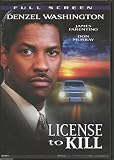
License to Kill | $5.08 | Buy on Amazon |
| 4 |

|
Sleepers (DVD) | $8.99 | Buy on Amazon |
| 5 |

|
Time to Kill, A (DVD) | $4.27 | Buy on Amazon |
This article focuses on the rare films that resist that impulse. These are courtroom dramas that understand legal accuracy is not the enemy of drama, but its foundation, and that tension is often stronger when the rules are real and the consequences are earned.
Accuracy Builds Stakes, Not Boredom
Legal accuracy matters because real trials are already dramatic without embellishment. Objections, evidentiary rulings, witness credibility, and jury perception are all pressure points that can shift a case without anyone shouting. Films that respect these mechanics allow suspense to build organically, grounded in decisions that actually matter rather than cinematic tricks.
Do these 3 things before closing this tab:
1Repair Windows errors before they cause bigger problems2Fix the driver behind crashes, sound loss and screen glitches3Clear out junk files and repair common Windows errors#1 Best Overall
- Factory sealed DVD
When viewers sense that a film understands how the system works, the emotional payoff deepens. A cross-examination lands harder when it follows authentic procedure, and a verdict feels earned when the audience has watched the slow, grinding accumulation of proof. Authenticity creates trust, and trust allows the drama to breathe.
Why Hollywood Keeps Getting Courtrooms Wrong
Most inaccuracies stem from compression and clarity rather than ignorance. Real trials are slow, repetitive, and often dominated by procedural housekeeping that doesn’t translate easily to screen time. To keep narratives moving, filmmakers collapse timelines, invent evidentiary miracles, and let lawyers behave more like stage performers than disciplined advocates.
There’s also a myth that accuracy alienates audiences, when the opposite is often true. Films that embrace realism tend to respect the intelligence of viewers, allowing nuance, uncertainty, and ethical tension to drive the story. The best courtroom dramas don’t simplify the law to make it exciting; they reveal how inherently dramatic the law already is when portrayed honestly.
How We Ranked These Films: Legal Standards, Realism, and Dramatic Integrity
Evaluating courtroom dramas for legal accuracy requires more than spotting correct terminology or realistic set dressing. We approached these films the way a seasoned trial lawyer or law professor might: by asking whether the courtroom behavior, legal strategy, and outcomes align with how the system actually functions under pressure. Accuracy was the baseline, but it was never the only factor.
To make the list, each film had to respect the law as a living process, not just a backdrop for speeches. That meant acknowledging limits, consequences, and ethical constraints, while still delivering compelling storytelling that justifies its place in cinematic history.
Procedural Accuracy and Legal Plausibility
First and foremost, we examined whether the films portray courtroom procedure in a way that would be recognizable to practicing attorneys and judges. This includes how objections are raised and ruled on, how evidence is introduced, how witnesses are examined, and how judges manage the courtroom. Films that rely on constant sidebar theatrics, surprise evidence with no foundation, or wildly improper conduct without consequence were downgraded.
We also assessed whether the legal outcomes made sense given the facts presented. Verdicts had to be earned through credible strategy and proof, not last-minute revelations or emotional manipulation. Even when a film condensed timelines or simplified elements for pacing, the underlying logic of the case needed to hold up.
Authentic Trial Strategy and Lawyer Conduct
Courtroom dramas often stumble by turning attorneys into moral crusaders or verbal gladiators rather than disciplined professionals. In our rankings, we favored films that depict lawyers thinking several moves ahead, weighing risks, and making strategic compromises. Cross-examinations that unfold patiently and arguments that build incrementally carried more weight than fiery monologues designed for applause.
Ethics mattered as much as tactics. Films that seriously engage with conflicts of interest, prosecutorial discretion, defense obligations, and the gray areas of advocacy scored higher than those that treat winning as the only value. Real law is shaped by judgment calls, and the best films understand that tension.
Respect for Institutional Constraints
No trial exists in a vacuum, and the strongest courtroom dramas acknowledge the broader legal ecosystem. We looked for films that recognize the influence of judges, juries, precedent, and procedural rules rather than presenting the courtroom as a lawless stage. Judges who act like referees instead of passive spectators, and juries portrayed as unpredictable decision-makers rather than moral absolutes, added credibility.
Institutional realism also includes acknowledging limits on what the law can fix. Films that allow ambiguity, imperfect justice, or unresolved moral questions often feel more truthful than those that tie every case into a clean moral victory.
Dramatic Integrity Without Legal Shortcuts
Finally, we considered whether the drama arises from the law itself rather than from shortcuts that undermine realism. The highest-ranked films generate tension through preparation, uncertainty, and consequence, trusting the audience to stay engaged without being spoon-fed spectacle. These stories prove that restraint can be more powerful than exaggeration.
A legally accurate film still has to work as cinema. Performances, pacing, and emotional stakes mattered, but never at the expense of credibility. The films on this list succeed because they understand that when the rules are real, the drama feels real too, and that authenticity is what makes these courtroom stories endure.
The Top 10 Courtroom Dramas Ranked: Where Legal Precision Meets Powerful Storytelling
10. Primal Fear (1996)
Primal Fear earns its place for how seriously it treats defense strategy and attorney-client dynamics, even as it edges into psychological thriller territory. Richard Gere’s defense attorney relies on investigation, expert testimony, and negotiated strategy rather than courtroom theatrics alone.
The film accurately portrays how mental health defenses are constructed and contested, including the ethical tightrope lawyers walk when advocating zealously for clients who may be manipulating the system. While its final twist is heightened, the legal groundwork beneath it is impressively sound.
9. A Civil Action (1998)
This environmental litigation drama captures a side of the law rarely depicted with honesty: the slow, grinding attrition of civil discovery and financial pressure. Depositions, expert battles, evidentiary motions, and procedural setbacks drive the story more than courtroom speeches.
Quick wins for a faster PC:
Repair Windows errors before they cause bigger problemsFix Now →Scan for outdated or missing drivers - takes under a minuteDriver Scan →Clear out junk files and repair common Windows errorsFree Scan →John Travolta’s portrayal of a plaintiff’s attorney shows how litigation can consume personal finances and professional judgment. The film’s realism lies in its refusal to glamorize winning, emphasizing instead how the civil justice system often rewards endurance over moral clarity.
Rank #2
- Factory sealed DVD
8. The Verdict (1982)
The Verdict presents one of the most authentic depictions of trial preparation and courtroom recovery in cinema. Paul Newman’s alcoholic attorney doesn’t stumble into victory; he rebuilds his case through painstaking witness preparation and a risky but legally grounded trial strategy.
The film respects evidentiary rules, judicial authority, and the consequences of procedural missteps. Its emotional payoff comes not from surprise revelations, but from watching a flawed lawyer finally respect the process he once abandoned.
7. Inherit the Wind (1960)
Though stylized and politically charged, Inherit the Wind remains remarkably faithful to the structure and purpose of courtroom advocacy. The film accurately frames trial as a forum for testing ideas within procedural limits, not a free-for-all debate.
Cross-examinations, objections, and judicial interventions all serve narrative and legal functions. Its enduring power comes from understanding how courts mediate cultural conflict without pretending that law alone can resolve ideological divides.
6. My Cousin Vinny (1992)
Often cited by law professors, My Cousin Vinny is arguably the most procedurally accurate comedy ever set in a courtroom. From voir dire to rules of evidence, expert qualification, and chain of custody, the film gets the details right.
The humor never undermines the legal realism. Instead, it highlights how competence, preparation, and procedural knowledge matter more than polish or pedigree in real trial advocacy.
5. Kramer vs. Kramer (1979)
This intimate divorce drama portrays family court with uncommon honesty. Custody proceedings unfold through evaluations, judicial discretion, and emotionally restrained advocacy rather than dramatic confrontations.
The lawyers understand that their role is to navigate a system focused on the child’s best interests, not moral victory. The film’s restraint mirrors the reality of family law, where the most important outcomes are often the least cinematic.
4. Judgment at Nuremberg (1961)
Judgment at Nuremberg confronts the moral and procedural limits of international justice without sacrificing legal rigor. The film accurately portrays judicial deliberation, evidentiary challenges, and the tension between legal accountability and political reality.
Judges are not presented as omniscient arbiters, but as decision-makers constrained by law, precedent, and global consequence. Its power lies in acknowledging that even legally sound judgments can carry unresolved moral weight.
3. Philadelphia (1993)
Philadelphia stands out for its careful depiction of civil rights litigation and employment discrimination law. The trial unfolds through methodical discovery, strategic witness selection, and evidenti battles rather than grandstanding.
What’s actually slowing this PC down?
Pick the symptom - the matching free tool is one click away.
The film accurately reflects how bias is proven indirectly, through patterns and inference rather than explicit confession. Its emotional impact is grounded in legal process, making the outcome feel earned rather than engineered.
2. 12 Angry Men (1957)
Although it takes place almost entirely in a jury room, 12 Angry Men is one of the most legally insightful courtroom dramas ever made. The film precisely captures the burden of proof, the standard of reasonable doubt, and the fragility of jury decision-making.
Jurors debate evidence, credibility, and logic rather than morality alone. Its brilliance lies in showing how justice depends not on certainty, but on the willingness to question assumptions within the rules of the system.
1. Anatomy of a Murder (1959)
At the top of the list is Anatomy of a Murder, a film still taught for its unmatched legal authenticity. From voir dire to evidentiary objections, expert testimony, and judicial rulings, nearly every procedural detail reflects real trial practice.
Recommended Free Tools
The film grapples seriously with attorney ethics, client manipulation, and the ambiguity of truth. It understands that the law does not always reveal what happened, only what can be proven, and that insight makes it the gold standard for legally accurate courtroom storytelling.
Rank #10–#7: Strong Procedural Foundations with Select Dramatic License
These films do not aim for documentary-level precision, but they respect the structure, ethics, and rhythm of real litigation. Each takes measured dramatic liberties while remaining anchored in how courts actually function, making them reliable entry points for viewers seeking authenticity without sacrificing narrative momentum.
Rank #3
- A grieving family, whose teenage daughter was killed in a car accident by a drunk driver, struggles to find justice as they encounter bureaucratic delays in bringing the case to trial. Their only hope is young, District Attorney Martin Sawyer (Denzel Washington, The Great Debaters, American Gangster), who, ruling after ruling, is hard-pressed to overcome the shameless tactics the defense lawyer us
10. The Verdict (1982)
Sidney Lumet’s The Verdict earns its place through its sober depiction of civil litigation and trial preparation. The film accurately portrays pretrial motions, evidentiary suppression, expert testimony, and the uphill battle plaintiffs face against institutional defendants with deeper resources.
Paul Newman’s flawed attorney does not win through theatrics, but through persistence, procedural gambles, and a clear understanding of burden shifting. The courtroom drama is heightened, yet rooted in strategies that real trial lawyers recognize as plausible, if risky.
The Tool Desk
Outbyte PC Repair FREEClear out junk files and repair common Windows errorsFree Scan →Outbyte Driver Updater FREEFix the driver behind crashes, sound loss and screen glitchesFind Drivers →9. Inherit the Wind (1960)
Loosely based on the Scopes “Monkey” Trial, Inherit the Wind takes historical liberties but remains legally grounded in its depiction of constitutional argument and trial advocacy. The film accurately reflects how courts manage relevance, admissibility, and judicial control when cases become cultural battlegrounds.
Its most authentic element is the tension between legal argument and public spectacle. While speeches are stylized, the underlying clash between statutory law and constitutional principles mirrors real courtroom dynamics in landmark cases.
8. Witness for the Prosecution (1957)
Billy Wilder’s courtroom thriller excels at showing how evidentiary rules shape trial outcomes. Cross-examination, impeachment, and credibility assessments are treated as decisive legal tools rather than dramatic shortcuts.
The film’s twists are heightened for entertainment, but the mechanics behind them are grounded in legitimate trial strategy. It understands that cases are often won not by proving absolute truth, but by dismantling the opposing narrative within procedural constraints.
Free tools Windows power users keep installed
One-click scans. No signup required.
7. Erin Brockovich (2000)
Although much of Erin Brockovich unfolds outside the courtroom, its legal accuracy lies in its portrayal of mass tort litigation and discovery-driven cases. The film correctly emphasizes document review, expert analysis, settlement negotiations, and the slow accumulation of leverage rather than dramatic trial wins.
What it gets right is the unglamorous reality of civil justice: cases are built through persistence, procedural pressure, and strategic settlement rather than climactic verdicts. Its storytelling humanizes the legal process without distorting how it actually works.
These films may heighten emotion or streamline timelines, but they respect the architecture of the legal system. Their credibility comes from understanding that real courtroom drama emerges from process itself, not from ignoring it.
Rank #6–#4: Exceptional Trial Strategy, Ethics, and Authentic Courtroom Dynamics
As the list moves higher, accuracy stops being a supporting feature and becomes the foundation of the drama. These films don’t just depict courtroom procedure correctly; they understand how legal strategy, professional ethics, and judicial constraints shape every decision a lawyer makes. The result is storytelling that feels tense precisely because it follows the rules.
Crashes, No Sound, or Screen Glitches?
Random freezes, missing sound and display glitches usually trace back to one bad driver. Find and replace yours safely.Free scan · under a minuteWindows Errors? Fix Them Before They Spread
Repair common Windows errors and clear accumulated junk for a smoother, more stable PC - no reinstall needed.Free scan · no reinstall6. My Cousin Vinny (1992)
Often mislabeled as a pure comedy, My Cousin Vinny is widely respected within the legal community for its procedural accuracy. From voir dire missteps to evidentiary foundations and expert witness qualification, the film gets the mechanics right while letting character-driven humor emerge naturally.
What the movie truly nails is trial strategy. Vinny’s success doesn’t come from theatrics, but from mastering discovery, understanding burdens of proof, and exploiting inconsistencies through precise cross-examination. Even the judge’s impatience reflects a realistic courtroom response to unprepared counsel rather than exaggerated hostility.
5. Anatomy of a Murder (1959)
Anatomy of a Murder remains one of the most legally faithful courtroom films ever made, largely because it refuses to simplify moral ambiguity. The film’s depiction of defense strategy, particularly around mental state and intent, mirrors how real criminal trials explore gray areas rather than clear-cut innocence.
Judicial rulings on objections, evidentiary limits, and attorney conduct are portrayed with rare restraint. The lawyers argue within the law’s boundaries, and the tension arises from how those boundaries constrain what can be said, shown, or implied to a jury. It’s a masterclass in how legal ethics and strategy collide in serious criminal litigation.
Quick wins for a faster PC:
Scan for outdated or missing drivers - takes under a minuteDriver Scan →Repair Windows errors before they cause bigger problemsFix Now →Fix the driver behind crashes, sound loss and screen glitchesFind Drivers →4. Philadelphia (1993)
Philadelphia stands out for its accurate portrayal of civil rights litigation within an employment discrimination framework. The courtroom scenes reflect proper motion practice, evidentiary objections, and the strategic use of witness testimony rather than emotional grandstanding.
What makes the film especially authentic is its respect for professional responsibility. Attorneys are shown navigating bias, client counseling, and evidentiary risk while staying within ethical lines, even when the subject matter is deeply personal. The courtroom drama works because it understands that persuasion in civil trials is built methodically, not emotionally improvised.
Rank #3–#2: Near-Textbook Legal Realism Without Sacrificing Tension
As the list moves into its top tier, the emphasis shifts from impressive accuracy to something rarer: films that could function as practical case studies without ever feeling instructional. These movies respect procedure, understand professional incentives, and still deliver high-stakes drama built on how the law actually works.
Rank #4
- DVD
- Multiple Formats, Color, NTSC
- English (Original Language)
- 1
- 148
3. A Civil Action (1998)
A Civil Action earns its ranking by portraying civil litigation as a war of attrition rather than a single climactic courtroom showdown. The film is meticulous about discovery practice, expert witness battles, and the crushing financial pressure contingency-fee litigation places on plaintiffs’ attorneys.
What’s actually slowing this PC down?
Pick the symptom - the matching free tool is one click away.
What it gets especially right is how evidence is developed, challenged, and sometimes buried through motion practice and procedural maneuvering. Depositions, document production, and judicial gatekeeping are treated as decisive moments, reflecting the reality that most civil cases are won or lost long before a jury ever hears opening statements.
The tension comes from realism rather than melodrama. The legal system is shown as structurally imbalanced but internally consistent, and the film understands that ethical dilemmas in civil law often arise not from bad intentions, but from economic survival within the rules.
2. The Verdict (1982)
The Verdict remains one of the most accurate depictions of trial lawyering ever put on screen, particularly in its treatment of evidentiary rules and courtroom ethics. From impeachment strategy to objections sustained on proper legal grounds, the film operates with an almost clinical understanding of trial mechanics.
Paul Newman’s Frank Galvin doesn’t win by surprise confessions or theatrical speeches. His case turns on admissibility, witness credibility, and a risky but legally sound strategy that hinges on exploiting procedural openings rather than emotional appeals.
The Tool Desk
Outbyte PC Repair FREEClear out junk files and repair common Windows errorsFree Scan →Outbyte Driver Updater FREEFix the driver behind crashes, sound loss and screen glitchesFind Drivers →What elevates The Verdict is its respect for judicial authority and trial structure. The judge enforces rules consistently, opposing counsel operates aggressively but within ethical boundaries, and the jury is persuaded through cumulative proof, not manipulation. It’s a film that trusts the law itself to generate drama, and proves that accuracy can be just as gripping as spectacle.
Rank #1: The Gold Standard of Legally Accurate Courtroom Drama
1. My Cousin Vinny (1992)
It may arrive disguised as a broad comedy, but My Cousin Vinny is widely regarded by judges, trial attorneys, and law professors as the most legally accurate courtroom film ever made. Beneath the humor is a remarkably precise understanding of criminal procedure, evidentiary rules, and trial advocacy, all presented without slowing the story or diluting its entertainment value.
The film’s greatest strength is its treatment of evidence. From chain of custody issues to the admissibility of eyewitness testimony, the case turns on legally sound arguments rather than narrative convenience. Vinny’s wins come from exposing unreliable assumptions, not from surprise confessions or theatrical outbursts, reflecting how real trials are often decided.
Expert witness procedure is handled with rare fidelity. Mona Lisa Vito’s testimony follows proper qualification standards, foundational questioning, and relevance requirements, and her expertise directly addresses material facts at issue. The scene is frequently used in law schools because it demonstrates how expert testimony should work when done correctly.
Free tools Windows power users keep installed
One-click scans. No signup required.
The courtroom itself behaves like a real one. Objections are timely and grounded, the judge enforces decorum without becoming a caricature, and contempt powers are used sparingly but credibly. Even voir dire is treated seriously, showing how jury selection can shape a case long before opening statements.
What ultimately earns My Cousin Vinny the top ranking is that it never sacrifices accuracy for laughs. The comedy emerges from character and circumstance, not from bending legal reality. It proves that legal precision and mass appeal are not opposing goals, and remains the rare film that both entertains general audiences and earns the respect of those who actually practice law.
Independent reader supportYour contribution helps us test, update, and keep practical guides available for everyone.Honorable Mentions: Excellent Films That Just Missed the Cut on Accuracy
Not every great courtroom film can make a top-ten list built on strict legal fidelity alone. Some movies get most of the mechanics right but indulge in heightened drama, compressed timelines, or narrative shortcuts that slightly bend real-world procedure. These honorable mentions remain outstanding works of courtroom storytelling, even if they occasionally prioritize cinematic momentum over technical precision.
Judgment at Nuremberg (1961)
Few films capture the moral gravity of law as powerfully as Judgment at Nuremberg. Its portrayal of post-war tribunals thoughtfully explores judicial ethics, individual culpability, and the limits of legal positivism. While the film simplifies international legal procedures and consolidates complex historical events, its core arguments about judicial responsibility remain intellectually honest and legally grounded.
Philadelphia (1993)
Philadelphia deserves credit for treating civil litigation with seriousness and respect, particularly in its handling of discovery, expert testimony, and evidentiary burdens in discrimination cases. The courtroom scenes are largely sound, but the trial itself moves at an unrealistically brisk pace to accommodate the film’s emotional focus. Its greatest accuracy lies not in procedural detail, but in portraying how law intersects with human dignity and social change.
A Civil Action (1998)
Based on real litigation, A Civil Action offers one of the most authentic depictions of complex civil discovery and environmental tort law in mainstream cinema. The film accurately conveys how document battles, expert costs, and procedural setbacks can grind down even well-funded plaintiffs. It falls just short due to narrative compression and a tendency to simplify judicial rulings for clarity.
The Verdict (1982)
Paul Newman’s portrayal of a washed-up attorney staging a legal comeback is emotionally resonant and often grounded in recognizable trial tactics. The film correctly emphasizes preparation, witness control, and strategic risk-taking, but stretches plausibility in its surprise witness and ethical gray areas. Even so, its understanding of how trial advocacy actually feels earns it enduring respect among practitioners.
Primal Fear (1996)
Primal Fear gets much of its defense strategy right, particularly in plea negotiations, client counseling, and courtroom demeanor. Its portrayal of competency issues and psychiatric testimony, however, pushes beyond legal reality into thriller territory. The film remains compelling, but its climactic revelations rely on psychological twists that courts would be unlikely to accept without far greater scrutiny.
Recommended Free Tools
Best Value
Erin Brockovich (2000)
While not a traditional courtroom drama, Erin Brockovich accurately depicts pretrial investigation, client development, and the slow-building mechanics of mass tort litigation. The film downplays procedural complexity and overstates individual influence for dramatic clarity. Still, its depiction of how cases are won long before trial is one of its most legally truthful contributions.
Inherit the Wind (1960)
Loosely inspired by the Scopes Trial, Inherit the Wind is more allegory than legal reenactment. Its courtroom exchanges are rhetorically brilliant but often legally implausible, particularly in evidentiary rulings and judicial neutrality. What keeps it in this discussion is its enduring insight into how trials can become cultural battlegrounds rather than purely legal contests.
The Rainmaker (1997)
Adapted from John Grisham’s novel, The Rainmaker offers a surprisingly realistic look at insurance litigation, bad-faith practices, and the imbalance between corporate defense firms and solo practitioners. The courtroom proceedings occasionally lean into wish fulfillment, but its depiction of pretrial maneuvering and client advocacy feels rooted in genuine legal experience.
These films may not meet the strictest standards of procedural accuracy required for the main rankings, but each demonstrates a deep respect for the law as a storytelling engine. They remind us that even when legal realism bends, thoughtful craftsmanship can still produce courtroom dramas that feel truthful in spirit, if not always in every rule citation.
What These Films Get Right About the Law—and Why It Makes Them Better Movies
What ultimately separates these courtroom dramas from more sensational entries in the genre is not just accuracy for accuracy’s sake, but an understanding of how the law actually generates drama. Real legal conflict is slow, strategic, and often morally ambiguous. These films embrace that reality, trusting viewers to engage with tension that unfolds through process rather than spectacle.
Procedure Creates Stakes, Not Obstacles
In real courtrooms, rules of evidence, objections, and motions are not technical hurdles to be skipped over; they are the battlefield itself. The strongest films on this list recognize that procedural limits heighten suspense by forcing lawyers to think creatively within constraints. When a key piece of evidence is excluded or a witness is tightly confined on cross-examination, the audience feels the pressure precisely because the rules matter.
This fidelity to procedure also grounds victories and losses in credibility. When a case turns on a narrow evidentiary ruling or a carefully preserved objection, the outcome feels earned rather than arbitrary. The drama emerges from watching skilled advocates navigate a system designed to resist easy answers.
Lawyers Win Long Before the Closing Argument
Many courtroom movies fixate on fiery summations, but legally accurate films understand that trials are usually decided well before that moment. Investigation, discovery, depositions, and pretrial motions shape what the jury is even allowed to hear. By devoting screen time to these stages, the films capture how much of legal work happens outside the courtroom spotlight.
This approach also deepens character. Lawyers are shown as strategists and counselors, not just performers, weighing risks, advising clients, and making compromises that will never earn applause. The result is a more textured portrait of the profession and a more believable path to the verdict.
Ethical Constraints Are Dramatic, Not Limiting
One of the most common inaccuracies in legal films is the heroic lawyer who bends or breaks ethical rules for justice. The best courtroom dramas reject that shortcut. They portray professional responsibility as a source of tension, forcing characters to choose between winning and doing what the law permits.
These ethical boundaries raise the emotional stakes. When a lawyer knows the truth but cannot ethically present it, or must defend an unpopular client with diligence and respect, the conflict feels painfully real. The drama comes from restraint, not rebellion, and that restraint makes the story resonate with authenticity.
Judges and Juries Behave Like Real Power Centers
Legally grounded films resist turning judges into passive referees or juries into emotional weather vanes. Judges rule, interrupt, and control the pace of proceedings, often to the frustration of counsel. Juries listen, misunderstand, deliberate, and bring their own biases into the room, rarely reacting as cleanly as movie logic would prefer.
By portraying these dynamics honestly, the films acknowledge where true power lies in a courtroom. Lawyers may guide the narrative, but they do not control it. That uncertainty keeps the audience engaged and mirrors the unpredictability that defines real trials.
Legal Outcomes Are Often Incomplete
Perhaps the most truthful choice these films make is allowing resolutions to feel imperfect. Verdicts do not always align with moral clarity, and justice is frequently partial or compromised. Settlements, plea deals, and procedural dismissals replace cathartic wins, reflecting how the system actually resolves most disputes.
These endings linger because they feel lived-in rather than staged. By resisting the urge to tie everything into a triumphant bow, the films honor the emotional reality of legal work and leave audiences thinking long after the credits roll.
In the end, legal accuracy does more than satisfy lawyers and law students. It sharpens character, deepens conflict, and allows courtroom drama to emerge from the same forces that drive real cases: uncertainty, strategy, and human limitation. These films prove that when the law is treated seriously, it does not diminish cinematic power—it amplifies it.
Quick Recap
Product prices and availability are accurate as of the date/time indicated and are subject to change. Any price and availability information displayed on Amazon at the time of purchase will apply.

