Crashes, No Sound, or Screen Glitches?
Random freezes, missing sound and display glitches usually trace back to one bad driver. Find and replace yours safely.Free scan · under a minutePC Slower Than It Used to Be?
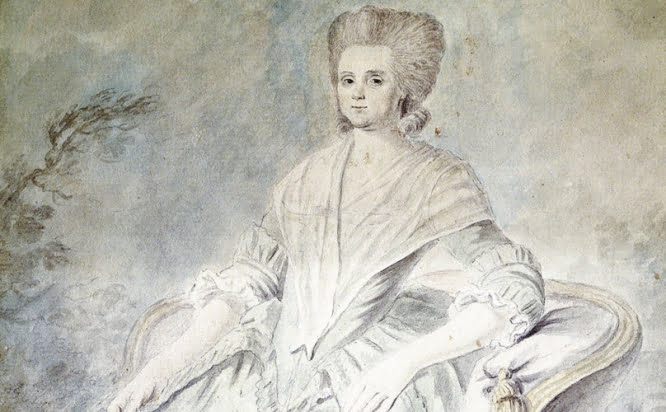
A free scan shows the junk files, broken settings and background clutter dragging Windows down - then fixes them in one click.Free scan · Windows 10 & 11Olympe de Gouges, born Marie Gouze, was a French writer and political activist whose plays, pamphlets, and public arguments addressed citizenship, equality, slavery, and social policy during the French Revolution. Her best-known work is the 1791 Déclaration des droits de la femme et de la citoyenne, which adapted the rights language of the 1789 declaration to make women’s political and legal equality explicit.
Who Was Olympe de Gouges?
De Gouges was born in Montauban in 1748 and was executed in Paris in 1793. The Ministry of Culture characterizes her as a prolific, politically engaged writer and a pioneer of French feminism. The Bibliothèque nationale de France (BnF) identifies her literary work across novels, plays, and pamphlets—not only political declarations.


Her writing intervened in debates of her time, including women’s citizenship, slavery, poverty, shelter, divorce, and capital punishment. In 1788, she published Réflexions sur les hommes nègres, a pamphlet against the slave trade and slavery, as described by the City of Paris history profile.
The 1791 Declaration of the Rights of Woman
De Gouges published the Déclaration des droits de la femme et de la citoyenne in 1791, taking the 1789 Déclaration des droits de l’homme et du citoyen as her model. The work was a political intervention applying universal civic principles to women explicitly; it was not a law adopted by the revolutionary government. The BnF catalogue summary says the Convention rejected it.
Do these 3 things before closing this tab:
1Scan for outdated or missing drivers - takes under a minute2Clear out junk files and repair common Windows errors3Fix the driver behind crashes, sound loss and screen glitches#1 Best Overall
The National Assembly describes the Declaration as having a preamble, 17 articles, and a postamble. It opens by addressing Queen Marie-Antoinette and urging her to join women’s struggle for equality. Its demands include suffrage, equal access to public employment, property rights, equality before the law, freedom of opinion, and social proposals such as free unions and maternity homes.
Article I states that woman is born free and equal to man in rights. The text also argues that citizens, including women, should participate in forming the law and be equally eligible for public offices.
In Article X, de Gouges writes: “La femme a le droit de monter sur l’échafaud, elle doit avoir également celui de monter à la tribune” (“Woman has the right to mount the scaffold; she must likewise have the right to mount the rostrum”). This is a line from the Declaration, not a separate interview or personal statement.
Rank #2
Writing and Political Interventions
De Gouges used drama, pamphlets, and public argument to engage with political questions. Her anti-slavery writing and her work on women’s rights belong to the same broader effort to challenge exclusions and abuses. The BnF catalogue summary also lists her advocacy on bread prices for people in need, shelters for people without homes, divorce, and opposition to the death penalty.
The Tool Desk
Outbyte Driver Updater FREEScan for outdated or missing drivers - takes under a minuteDriver Scan →Outbyte PC Repair FREERepair Windows errors before they cause bigger problemsFix Now →Her final political position is described differently in the institutional summaries. The National Assembly places her among the victims of the Terror after she spoke against revolutionary violence and dates her execution by guillotine to 6 November 1793. The City of Paris profile says she was executed because of her support for constitutional monarchy.
What Did Olympe de Gouges Write Besides the Declaration?
She wrote novels, plays, and pamphlets as well as political declarations. One notable example is the 1788 anti-slavery pamphlet Réflexions sur les hommes nègres. Her literary work and political interventions are closely connected: both addressed the rights and treatment of people excluded from power.
Rank #3
FAQ
Why did Olympe de Gouges write the Declaration?
She adapted the rights language of the 1789 Declaration of the Rights of Man and of the Citizen to assert that women should have equal civic and legal rights, including political participation.
What rights did the Declaration demand?
It called for women’s suffrage, equal access to public employment, property rights, equality before the law, and freedom of opinion, among other civic and social claims.
What’s actually slowing this PC down?
Pick the symptom - the matching free tool is one click away.
Was the Declaration adopted as law?
No. It was a political text rather than an enacted law; the BnF catalogue summary says the Convention rejected it.
When was Olympe de Gouges executed?
The National Assembly dates her execution by guillotine to 6 November 1793, in Paris.
What did Olympe de Gouges write about slavery?
Her 1788 pamphlet Réflexions sur les hommes nègres opposed the slave trade and slavery, according to the City of Paris history profile.
Quick Recap
Product prices and availability are accurate as of the date/time indicated and are subject to change. Any price and availability information displayed on Amazon at the time of purchase will apply.