The Tool Desk
Outbyte PC Repair FREEClear out junk files and repair common Windows errorsFree Scan →Outbyte Driver Updater FREEScan for outdated or missing drivers - takes under a minuteDriver Scan →City on Fire: A Boyhood in Aligarh is journalist Zeyad Masroor Khan’s memoir of growing up in a city marked by communal tension, and of the friendships, institutions and everyday acts of solidarity that complicate that history. The book follows Khan from Aligarh to Delhi, using personal memory to consider identity, grief and what a divided city can still hold together.
What is City on Fire about?
Published by HarperCollins, City on Fire: A Boyhood in Aligarh is a coming-of-age memoir by Zeyad Masroor Khan. It moves chronologically through his childhood and youth in Aligarh and later years of study and work in Delhi. Khan has said that his home stood between Hindu- and Muslim-majority neighbourhoods, a location that shaped his experience of recurring communal violence.


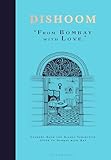

In a 2024 interview with The Times of India, Khan explained why he wanted to write about the city: “To understand my story, you’ll have to understand where I come from.” He described seeing riots and violence in Aligarh and feeling that the people who died in them had not been written about.
How the memoir moves between Aligarh and Delhi
Priavi Joshi’s Scroll review describes a chronological structure, with a little more than two-thirds of the book set in Aligarh and the rest in Delhi. Aligarh is not just a backdrop: the account returns to Khan’s ancestral home, Farsh Manzil, near Kanwari Ganj and Upar Kot, and to the neighbourhood relationships formed around it.
#1 Best Overall
The later Delhi chapters extend the memoir’s perspective beyond childhood. Maaz Bin Bilal’s Hindustan Times review describes Khan’s studies and work in the capital, and his return to write after the 2020 northeast Delhi riots. The movement between cities lets the book connect personal memory to later events without making it a comprehensive history of either place.
Violence, protection and the work of living together
The memoir’s account of Aligarh holds fear and fracture alongside neighbourly protection, elders who resolve conflicts, and shared local life. Joshi’s review emphasizes these countercurrents: the city is shaped by recurring violence, but it is also a place where people can protect one another across communal lines. These are interpretations of Khan’s narrative, not a substitute for independently documented history of Aligarh’s conflicts.
Rank #2
That balance gives the book its emotional force. It does not make solidarity erase the damage of violence; instead, personal stories and relationships show what is at stake when intolerance grows. The memoir asks readers to see a city through the people who inhabit it, rather than reducing it to a sequence of riots.
Identity, institutions and pop culture
Joshi identifies identity and community under religious polarisation, pop culture and institutions, and the losses that may follow rising intolerance as central concerns. Khan’s story treats identity as something lived through family, neighbourhood and changing circumstances, rather than an abstract category alone.
Quick wins for a faster PC:
Repair Windows errors before they cause bigger problemsFix Now →Scan for outdated or missing drivers - takes under a minuteDriver Scan →Aligarh Muslim University and Jamia Millia Islamia figure in the narrative as places where Khan formed friendships and encountered interaction beyond religious identity. Along with pop culture, these institutions broaden the memoir beyond the home and neighbourhood: they show how education and shared cultural life can create connections, while remaining part of a society shaped by division.
What reviewers question
The book’s reflections are personal, and they should be read as such rather than as settled claims about all communities or traditions. Bin Bilal’s review praises the memoir’s subjects while criticizing some of its assertions as presented truisms, including generalizations about language and Islam. That criticism is the reviewer’s assessment; it is a useful reminder to distinguish Khan’s individual perspective from universal explanations of religion, language or social life.
Independent reader supportYour contribution helps us test, update, and keep practical guides available for everyone.Edition and publication details
Google Books lists the HarperCollins title as published on December 6, 2023, with 312 pages. A 2024 Hindustan Times interview gives a different page count—347 pages—and a price of ₹599, without specifying the edition or market in the cited excerpt. Those details may refer to different editions; check the listing for the edition and territory you want before relying on a page count or price.
Quick Recap
Best Value
Product prices and availability are accurate as of the date/time indicated and are subject to change. Any price and availability information displayed on Amazon at the time of purchase will apply.
Recommended Free Tools




