Do these 3 things before closing this tab:
1Fix the driver behind crashes, sound loss and screen glitches2Clear out junk files and repair common Windows errors3Scan for outdated or missing drivers - takes under a minuteBill Watterson named his two leads after two philosophers from different centuries. Calvin takes his name from John Calvin, the 16th-century Protestant theologian associated with predestination. Hobbes takes his name from Thomas Hobbes, the 17th-century philosopher whom Watterson described as holding a dim view of human nature. The explanation comes from Watterson’s own account in his introduction to The Complete Calvin and Hobbes, as reported by The Washington Post in 2005. The official Andrews McMeel Syndication feature on the strip confirms the same namesakes.
Who the two namesakes were
The names are borrowed from historical figures, not from characters in fiction. Knowing who each man was helps explain why the pairing reads as deliberate rather than random.
| # | Preview | Product | Price | |
|---|---|---|---|---|
| 1 |
|
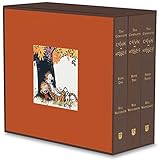
The Complete Calvin and Hobbes | $134.54 | Buy on Amazon |
| 2 |

|
The Essential Calvin and Hobbes: A Calvin and Hobbes Treasury (Volume 1) | $10.58 | Buy on Amazon |
| 3 |

|
The Calvin and Hobbes Portable Compendium Set 1 (Volume 1) | $9.67 | Buy on Amazon |
| 4 |

|
Calvin and Hobbes | $8.73 | Buy on Amazon |
| 5 |

|
The Indispensable Calvin and Hobbes: A Calvin and Hobbes Treasury | $11.74 | Buy on Amazon |
| Character | Namesake | Era and field | Idea Watterson associated with the namesake | How the strip portrays the character |
|---|---|---|---|---|
| Calvin | John Calvin | 16th century; Protestant theologian | Predestination | A six-year-old with several alter egos, according to the Andrews McMeel Syndication feature |
| Hobbes | Thomas Hobbes | 17th century; philosopher | A dim view of human nature | Smart, patient, and a skilled pouncer, according to the same feature |
Calvin: the theologian
According to The Washington Post‘s account of Watterson’s book introduction, the name points to John Calvin and to the doctrine of predestination. The strip does not turn Calvin into a spokesman for that doctrine. The name is a label the cartoonist chose, and the boy who carries it is a restless, imaginative six-year-old whose fantasies regularly collide with school, parents and neighbours.
Hobbes: the philosopher
Watterson’s explanation for Hobbes rests on Thomas Hobbes’s pessimistic view of human nature. The tiger’s name carries that association, but the character himself is not written as a demonstration of Hobbes’s political theory. In the strip Hobbes is the calm, observant friend who tolerates Calvin’s schemes, which is a different thing from a philosopher illustrating an argument.
Recommended Free Tools
#1 Best Overall
The Kenyon College background
Watterson studied political science at Kenyon College, according to profiles published in 1987 by The Washington Post and the Los Angeles Times. Both profiles also reported that the names came from Calvin and Hobbes. Taken together, the two facts make the pairing easy to read as a political-science in-joke, with a theologian and a political philosopher standing in for the cartoonist’s own training.
That reading is an interpretation. The sources establish the subject’s coursework and the namesakes Watterson cited. They do not establish that he meant the names as a private joke for political-science students. Readers who repeat the in-joke framing should present it as one plausible reading.
Rank #2
Name inspiration versus philosophical stand-ins
The names show what Watterson drew on for the two characters, but they do not mean the strip systematically dramatises either thinker’s ideas. Calvin’s predestination and Hobbes’s dim view of human nature are reference points for the names. The characters’ behaviour, the Sunday strips, and the comedy of the boy and his tiger are not organised around those doctrines. Treating the names as a key that unlocks each joke overstates what the sources support.
Quoting the explanation
The wording of Watterson’s introduction is not reproduced in the sources available for this article. The 2005 Washington Post account paraphrases it, so any description of his reasoning should be paraphrased too, and attributed to that account. Readers who need his exact words should consult The Complete Calvin and Hobbes directly.
Where to verify the details
- The official Andrews McMeel Syndication feature on Calvin and Hobbes confirms both namesakes and summarises each character.
- The Washington Post piece “The Tiger Strikes Again” (2005) reports Watterson’s introduction to The Complete Calvin and Hobbes.
- The 1987 profiles by The Washington Post (“‘CALVIN,’ IN PERSPECTIVE”) and the Los Angeles Times (“Calvin and Hobbes Creator Draws on the Simple Life”) cover Watterson’s Kenyon background.
No current edition, price or availability for The Complete Calvin and Hobbes has been checked for this article, so confirm those details with a bookseller or the publisher before buying.
Quick Recap
Rank #4
Product prices and availability are accurate as of the date/time indicated and are subject to change. Any price and availability information displayed on Amazon at the time of purchase will apply.




