A Far Side cartoon involving Jane Goodall sparked an objection from the Jane Goodall Institute—but Goodall herself reportedly found it funny. The difference came down to a provocative joke about chimpanzees, human behavior and the way people talk about animals.
What was the Jane Goodall Far Side cartoon?
The single-panel cartoon shows chimpanzees discussing a human hair. One asks whether another has been doing “research” with a “Jane Goodall tramp.” The joke’s deliberately crude wording turns Goodall’s fieldwork into a sexual insinuation, which is why the panel could read as an insult rather than simply an absurd chimpanzee conversation.
| # | Preview | Product | Price | |
|---|---|---|---|---|
| 1 |

|
The Far Side® Gallery | $12.00 | Buy on Amazon |
| 2 |

|
The Far Side® | $8.31 | Buy on Amazon |
| 3 |
|
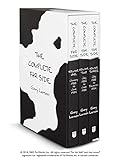
The Complete Far Side | $101.02 | Buy on Amazon |
| 4 |

|
The Far Side® Gallery 2 | $10.08 | Buy on Amazon |
| 5 |

|
Beyond The Far Side® | $7.49 | Buy on Amazon |
The incident is described in a tertiary reference account. It says the Jane Goodall Institute considered the cartoon in bad taste and had lawyers draft a letter to Gary Larson and his syndicate. The account does not establish the cartoon’s exact publication date, and a primary record of the letter has not been verified.
Why did the Jane Goodall Institute object—and why did Goodall laugh?
According to that account, Goodall was in Africa when the Institute reacted. After she returned and saw the cartoon, she reportedly found it amusing, and the effort to object was stopped. The Institute’s initial response and Goodall’s personal reaction were therefore not the same.
What’s actually slowing this PC down?
Pick the symptom - the matching free tool is one click away.
#1 Best Overall
The account also says Goodall wrote a preface to The Far Side Gallery 5 describing the episode, and that the Institute’s letter appeared beside the cartoon in The Complete Far Side. These details are reported rather than independently confirmed by a primary record.
What was Goodall’s explanation for finding it funny?
In Sarah Larson’s 2020 New Yorker feature on Larson and his work, Goodall explained the appeal of humor that puts humans alongside animals rather than above them: “It all helps to put us humans in our place, and we desperately need putting in our place.” The line offers a way to understand her reported reaction: the cartoon’s target could be human self-importance, not Goodall personally.
Rank #2
That interpretation does not erase the joke’s coarse wording or prove what every reader should think of it. It does explain how Goodall could see the panel as irreverent humor rather than an attack. The available accounts do not establish that she and Larson met or became close friends.
Why did The Far Side provoke strong reactions?
The strip’s unusual humor was not limited to the Goodall episode. The New Yorker’s 2020 retrospective says The Far Side ran from 1980 to 1995, appeared in more than 1,900 newspapers and built an audience for surreal, often animal-centered single-panel jokes. The same sensibility could delight readers while confusing or offending others.
Do these 3 things before closing this tab:
1Scan for outdated or missing drivers - takes under a minute2Clear out junk files and repair common Windows errors3Fix the driver behind crashes, sound loss and screen glitchesRank #3
A 2003 Washington Post report reproduced reader complaints about the strip, including one letter demanding that the Minneapolis Tribune drop it until Larson completed “psychotherapy.” That was a reader’s hostile opinion, not a medical judgment or an assessment made by the newspaper. The Goodall panel is a memorable controversy, but the available sources do not support ranking it as objectively the strip’s most controversial cartoon.
Independent reader supportYour contribution helps us test, update, and keep practical guides available for everyone.What the anecdote says about the cartoon
The episode captures the tension in Larson’s humor: a joke can sound insulting on its face yet work, for some readers, by making humans seem ridiculous rather than dignified. In this case, the Institute reportedly objected before Goodall saw the panel; Goodall’s own reported response turned the story toward laughter at human self-importance. That contrast—not a claim that the wording was harmless—is the heartwarming turn in the cartoon’s backstory.
Quick Recap
Best Value
Rank #4
- Author: Larson, Gary.
- Publisher: Andrews McMeel Publishing
- Pages: 192
- Publication Date: 2003
- Edition: Illustrated
Product prices and availability are accurate as of the date/time indicated and are subject to change. Any price and availability information displayed on Amazon at the time of purchase will apply.




