Do these 3 things before closing this tab:
1Repair Windows errors before they cause bigger problems2Scan for outdated or missing drivers - takes under a minute3Clear out junk files and repair common Windows errorsSatyajit Ray’s Nayak (The Hero), a 1966 Bengali-language film, turns a train journey into a searching portrait of celebrity: the public image of a beloved star meets the private doubts of the man who must live inside it. Uttam Kumar’s performance gives that tension unusual force, while a conversation with journalist Aditi draws out what fame can conceal.
What is Nayak about?
Arindam Mukherjee, a famous film actor, is travelling by train to Delhi to receive an award. Among the other passengers is Aditi, a journalist whose conversation with him opens space for reflection on his life and success. Encounters along the journey place his celebrity within an ordinary social setting rather than leaving him sealed off in the world of the screen.


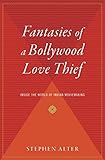
The train gives Ray a natural frame for these meetings and disclosures. The film’s interest is less in a chain of plot twists than in what happens when Arindam’s polished public identity is brought into contact with private unease. Aditi is not merely an audience for his stardom: as a journalist, she mediates between curiosity about the famous actor and attention to the person beneath the image.
Why Uttam Kumar’s casting matters
Uttam Kumar was a major Bengali film star, and that real-world celebrity gives his performance an extra dimension. As Criterion’s account of The Hero notes, Kumar draws on his own star image in playing Arindam. The result is a meeting of actor and role: the audience sees a fictional idol whose public appeal echoes the performer’s own.
#1 Best Overall
That overlap sharpens the film’s central question. Arindam is not simply pretending to be confident for the public; his identity has been shaped by the expectations attached to his success. The film considers the distance between being admired and understanding oneself, without reducing that conflict to a simple exposure of a fraud.
How the train journey makes fame visible
Arindam’s status travels with him, but the train is a shared, everyday space. Its passengers give his celebrity a social context: he is both set apart by recognition and physically among people going about their journeys. That contrast keeps the film from treating fame as an abstract idea.
Rank #2
Aditi’s interview-like exchange offers a different kind of enclosure. Away from the screen persona and public performance, Arindam has room to speak—and the journalist has to decide how to listen. Their conversation gives the film its psychological focus, while the train’s encounters broaden the portrait beyond a two-person study.
Close-ups, mirrors and the image of the star
In her review of the restored theatrical release, Nandini Ramnath of Scroll highlights cinematographer Subrata Mitra’s close-ups, expressive lighting and mirror shots. These visual choices make self-image part of the film’s storytelling. A mirror can suggest the gap between the person and the image he presents; a close-up holds attention on the face that audiences know as a star’s, but which also registers doubt and discomfort.
The Tool Desk
Outbyte PC Repair FREERepair Windows errors before they cause bigger problemsFix Now →Outbyte Driver Updater FREEScan for outdated or missing drivers - takes under a minuteDriver Scan →Rank #3

- Used Book in Good Condition
Ramnath also reads Kumar’s casting as a deliberate convergence of the actor’s public identity and Arindam’s fictional persona. That is a critical interpretation rather than a neutral production fact, but it helps explain why the film’s meditation on celebrity feels unusually intimate.
Is Nayak worth watching?
Yes, especially for viewers interested in performance, fame and the private costs of a public life. Nayak is a character study more than a conventional, plot-driven drama; its momentum comes from conversations, encounters and shifts in how Arindam sees himself. The train setting gives those quieter turns structure, and the visual attention to his face and reflections reinforces the film’s concern with image.
Rank #4
Ray’s own film profile offers a measured view of its place in his career: it says Nayak “is not among his best,” while still calling it “a delight to watch and far superior to average cinema.” That is the profile’s judgment, not a settled consensus, and it captures the distinction between a film that may not rank at the very top of Ray’s work and one that remains compelling on its own terms.
Independent reader supportYour contribution helps us test, update, and keep practical guides available for everyone.Film details and restoration context
Nayak, known in English as The Hero, is a 1966 Indian Bengali-language feature written and directed by Satyajit Ray. The Satyajit Ray Org film profile describes it as black and white, in Bengali with subtitles, and 120 minutes long; the BFI catalog also lists a 120-minute running time. Sharmila Tagore plays Aditi.
What’s actually slowing this PC down?
Pick the symptom - the matching free tool is one click away.
The Satyajit Ray Society’s restoration history lists Nayak among Ray films restored through work with the Academy Film Archive. Scroll’s review appeared on February 21, 2025, alongside the restored film’s theatrical release. The available information does not specify the technical master or workflow used for that release.
Where to watch Nayak
A Criterion Collection page exists for The Hero, but that alone does not establish current stock, format or region compatibility. Netflix also has a title page for Nayak; a listing is not proof that the film is playable in every country. Check the service or retailer in your region for current availability.
Quick Recap
Product prices and availability are accurate as of the date/time indicated and are subject to change. Any price and availability information displayed on Amazon at the time of purchase will apply.




