Museum of Illusions Seattle is an interactive attraction at 1330 5th Avenue in downtown Seattle. Its rooms, installations, optical images and holograms play with perception, while the venue also frames some exhibits as ways to explore science, technology, art, history and mathematics.
What is the Museum of Illusions Seattle?
The museum is organized around visual and spatial effects rather than a traditional gallery of objects to view from a distance. Visitors encounter illusion rooms, installations and images designed to change how a scene, person or space appears. The venue presents the experience as both playful and educational; its learning claims are the museum’s own, not an independent evaluation of educational outcomes.


Visit Seattle lists it as a downtown option for families, friends, date nights, school visits and group functions. That description reflects the destination organization’s listing, rather than an independent assessment of exhibit quality.
What can you see and do?
Rooms, images and holograms
The museum describes its offerings as illusion rooms, installations and images, including holograms and optical illusions. The effects invite visitors to look closely at how perspective and visual cues shape what they think they see.
Outdated Drivers Are Slowing You Down
One free scan finds every outdated or missing driver and matches the right update for your exact hardware.Free scan · exact hardware matchWindows Errors? Fix Them Before They Spread
Repair common Windows errors and clear accumulated junk for a smoother, more stable PC - no reinstall needed.Free scan · no reinstall#1 Best Overall
Named installations
Examples named on the venue’s installations page include Head on a Platter, Cloning Table and Beuchet Chair. These staged effects alter the apparent size, arrangement or perspective of visitors and their surroundings, making them natural spots for interactive photos.
Why does the museum include science and education?
The venue connects its exhibits with perception and the way people interpret visual information, and it offers field trips with lesson plans created with STEM.org. The museum says those materials cover science, technology, art, history and mathematics. Teachers and families can use the exhibits as a starting point for discussion, but should treat the learning framing as the venue’s stated approach rather than a measured outcome.
Rank #2
Where is it, and when is it open?
The address is 1330 5th Avenue, Seattle, WA 98101. The museum’s contact page lists hours of 10 a.m.–9 p.m. Sunday through Thursday and 10 a.m.–10 p.m. Friday and Saturday. Hours can change, so confirm the live listing before setting out. The venue’s contact page also provides parking notes; check it for current nearby options.
How should you plan tickets?
The venue says tickets can be booked online or purchased at the entrance, unless capacity has been reached. Its FAQ says children four and under do not need a ticket. Current admission prices were not established in the venue information summarized here, so check the official ticket page for prices, available time slots and current child-ticket terms before visiting.
Do these 3 things before closing this tab:
1Scan for outdated or missing drivers - takes under a minute2Repair Windows errors before they cause bigger problems3Fix the driver behind crashes, sound loss and screen glitchesRank #3
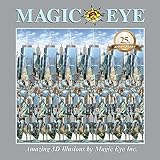
- New York Times Bestselling Property! For twenty-five years, Magic Eye has fascinated children and adults alike worldwide with its amazing 3D images.
The FAQ describes ticket and merchandise purchases as non-refundable and says rescheduling depends on policy and availability, usually requiring at least 24 hours’ notice. Because terms can change, review the current FAQ and ticket conditions before completing a purchase.
Independent reader supportYour contribution helps us test, update, and keep practical guides available for everyone.What should visitors know about accessibility?
The museum says its locations are wheelchair and scooter accessible, but mobility aids are not provided on site. It also notes slanted floors, lighting effects, projections and LED lights that may vary in intensity; effects can be bypassed as needed. If you have a specific access requirement or question about an exhibit, contact the venue before your visit.
Quick Recap
Best Value

- THE PUZZLE THEY WON’T BELIEVE YOU FINISHED: This 1000-piece optical illusion jigsaw puzzle is an expert-level puzzle for adults. The image looks like it moves, disorienting even the sharpest minds. Based on the work of Dr. Akiyoshi Kitaoka, Professor of Psychology at Ritsumeikan University, Kyoto, Japan, it’s a mind-bending hard puzzle—and a serious flex when complete.
- THE ILLUSION OF MOTION – RIGHT BEFORE YOUR EYES: The finished puzzle appears to shift and swirl as you stare. This isn’t just an image—it’s a kinetic visual experience that plays tricks on your brain. Friends will be stunned. Your eyes will be fooled. It’s a uniquely impossible visual illusion puzzle they’ll never forget.
- ELEGANTLY GIFTABLE & FRAME-WORTHY: A refined gift for lovers of visual trickery and high-level brainteasers. Whether for the holidays, birthdays, or a host gift, it’s striking in the box—and even more captivating once framed.
- PREMIUM BUILD QUALITY & DESIGN: Thick, matte-finish board resists glare and offers a satisfying hand-feel. Precision-cut pieces interlock cleanly—though the illusion will still tempt you to second-guess every fit.
- FINISHED SIZE & INCLUSIONS: Completed puzzle measures 27” x 19”. Includes a reference poster (optional for purists). Conquer the hardest puzzle in your collection—if you dare.
Product prices and availability are accurate as of the date/time indicated and are subject to change. Any price and availability information displayed on Amazon at the time of purchase will apply.




