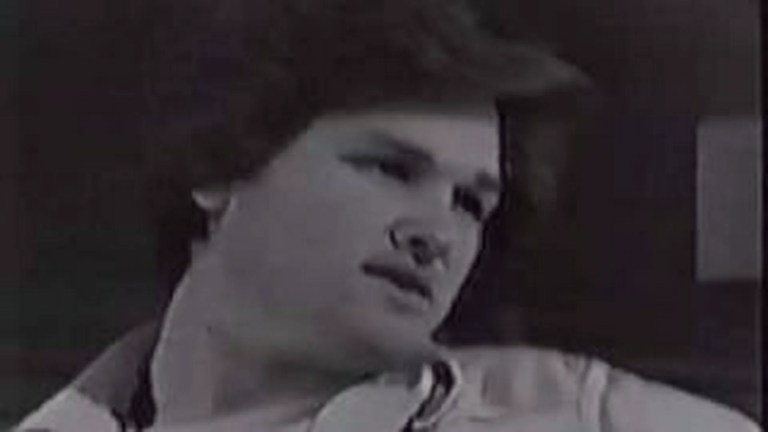
Haseena Atom Bomb, Black Cat and Adam Khor are three distinct Pashto-language films that Milan Hulsing uses to illuminate a lively, genre-mixing strand of Pakistani popular cinema. In his 2016 essay, Hulsing describes films that combine horror with action, comedy, music and rough-edged spectacle—not a single franchise, but examples from a regional film culture centered in Khyber Pakhtunkhwa, including Peshawar.
What the three films are—and when they appeared
The films are not sequels or parts of one story. Their release years, as given in Hulsing’s account, are 1990, 1997 and 1991 respectively. A filmography database independently lists Haseena Atom Bomb among its 1990 entries, corroborating that title’s year but not Hulsing’s interpretation of the film.
| # | Preview | Product | Price | |
|---|---|---|---|---|
| 1 |
![The Purge: 5-Movie Collection [DVD]](https://m.media-amazon.com/images/I/517iM+OEDHL._SL160_.jpg)
|
The Purge: 5-Movie Collection [DVD] | $9.99 | Buy on Amazon |
| 2 |
![Blumhouse of Horrors 10-Movie Collection [DVD]](https://m.media-amazon.com/images/I/51RwN1AH+4L._SL160_.jpg)
|
Blumhouse of Horrors 10-Movie Collection [DVD] | $24.00 | Buy on Amazon |
| 3 |
|
Saw: 8-Film Collection - DVD | $25.00 | Buy on Amazon |
| 4 |
![Blumhouse of Horrors 10-Movie Collection [DVD]](https://m.media-amazon.com/images/I/61txc3XzrSL._SL160_.jpg)
|
Blumhouse of Horrors 10-Movie Collection [DVD] | Buy on Amazon | |
| 5 |
![Today You Die [DVD]](https://m.media-amazon.com/images/I/51t-2kWa1wL._SL160_.jpg)
|
Today You Die [DVD] | $16.99 | Buy on Amazon |
| Film | Year | What Hulsing highlights |
|---|---|---|
| Haseena Atom Bomb | 1990 | A Mussarrat Shaheen star vehicle styled like a moving comic book or James Bond picture, with pop-art sets and oversized gadgets. The atomic-bomb subject is chiefly present in the title and prologue. |
| Adam Khor (Cannibal) | 1991 | Qaiser Sanober’s tale combines village blood revenge, a hairy monster and a cannibal living in the hills. Hulsing identifies it as the beginning of the horror trend he discusses. |
| Black Cat (also called Lady Boss) | 1997 | Baqar Rizvi’s comic cult example, featuring cat characters in low-budget black-bag costumes. |
How Pashto horror became a genre-blending spectacle
Hulsing places these films within a broader history of Pashto popular filmmaking in Khyber Pakhtunkhwa, rather than treating them as representative of every Pashto film or audience. He sketches a tradition developing from the 1970s onward and sets the horror cycle alongside earlier Pakistani horror, including the 1967 Urdu film Living Corpse (Zinda Laash).
In Hulsing’s account, the cycle’s appeal and strangeness came from mixing conventions rather than observing strict genre boundaries. Horror sat alongside action, comic-book imagery, music, comedy, sexualized performance and intentionally rough effects. That combination helps explain why a film such as Haseena Atom Bomb could promise atomic peril in its name yet function largely as flamboyant pop spectacle.
Do these 3 things before closing this tab:
1Repair Windows errors before they cause bigger problems2Scan for outdated or missing drivers - takes under a minute3Clear out junk files and repair common Windows errors#1 Best Overall
Hulsing calls Adam Khor the starting point of the trend he traces, writing: “The current Pashto horror trend started in 1991, with Qaiser Sanober’s bizarre Cannibal (Adam Khor).” This is his historical framing of a particular cycle, not a definitive boundary for all Pashto horror cinema.
Other landmarks in Hulsing’s account
The three headline films sit among other titles Hulsing presents as milestones: Monster (Balaa, 1992), Undertaker (Goorkund, 1995) and Beautiful as the 14th Moon (Da Khwar Lasme Spogmay, 1997). The grouping signals a broader period of inventive popular filmmaking, not a claim that every title shares the same plot, style or level of documentation.
Hulsing also gives a sense of the industry’s scale at particular moments: he reports that as many as twenty-five Pashto films were being made annually by 1984, and that for a period five Pashto movies were made each year. These are figures reported in his 2016 essay, not current production rates or independently verified industry statistics.
Women’s roles and the essay’s mixed judgment
Hulsing’s account does not present the films’ treatment of women as uncomplicated. He criticizes misogynistic elements and sexual violence while also noting women’s action roles. He points in particular to Shehnaz Begum’s creative participation in Undertaker, a reminder that women’s involvement could extend beyond performance even in a film culture whose imagery he regards as troubling.
Recommended Free Tools
Rank #3
- Let the games begin! Own the genre-defining Saw horror series in all its grisly glory. Five-disc set includes: Saw (2004), Saw II (2005), Saw III (2006), Saw IV (2007), Saw V (2008), Saw VI (2009), Saw: The Final Chapter (2010) and Saw 3D: The Final Chapter (2010).
- Genre: Horror
What this history can—and cannot—tell you
Hulsing’s essay is a detailed critical account of a particular Pashto film cycle in Khyber Pakhtunkhwa, with Peshawar part of its geographic frame. It offers a way to understand the exuberant mixture of genres and styles in these examples; it should not be taken as a complete history of Pashto cinema or as a universal description of the region’s audiences.
The essay was excerpted from Cinema and Society: Film and Social Change in Pakistan, edited by Ali Khan and Ali Nobil Ahmad. The sources documenting these films do not establish where legitimate editions are currently available to stream or buy.
Quick Recap
Best Value
Rank #4
- Region 1 NTSC
- Widescreen
- Dolby Digital
Sources and further reading
- Milan Hulsing, “Haseena Atom Bomb! Black Cat! Adam Khor! The twisted and terrific world of the Pashto horror film,” Scroll.in, 8 August 2016. The essay is excerpted from Cinema and Society: Film and Social Change in Pakistan.
- Pakistan Monthly Movies / PakMag filmography, which lists Haseena Atom Bomb among 1990 entries.
Product prices and availability are accurate as of the date/time indicated and are subject to change. Any price and availability information displayed on Amazon at the time of purchase will apply.