Recommended Free Tools
No single company owns or administers every right connected to Tolkien’s Middle-earth stories. Embracer Group owns Middle-earth Enterprises, which describes rights in certain Tolkien works covering film, merchandising, stage and other uses. Amazon’s multi-season episodic television arrangement came separately from the Tolkien Estate, while HarperCollins handles publishing-rights requests and permissions to quote published Tolkien works. The boundaries of private contracts are not fully public, so the answer depends on the work and the use.
Corporate ownership is not the same as owning Tolkien’s works
Embracer owns Middle-earth Enterprises
Embracer Group acquired Middle-earth Enterprises in 2022. That is a statement about corporate ownership: Embracer owns the company. It does not mean Embracer owns every Tolkien work or every right connected to it. Middle-earth Enterprises describes its own licensed rights in particular literary works, including The Lord of the Rings and The Hobbit.
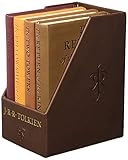

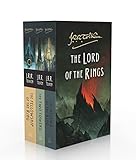

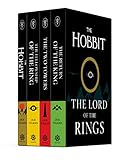
The Tolkien Estate has a separate role
The Estate’s public guidance covers Tolkien’s texts and artwork, and it directs some enquiries to other organizations. Its role should not be collapsed into that of Middle-earth Enterprises, a film studio, or a publisher. Public descriptions identify routes and broad categories, not every term in the underlying agreements.
Who handles which rights?
Film adaptations
Middle-earth Enterprises describes its rights in certain Tolkien works as including exclusive worldwide motion-picture rights. Warner Bros. and New Line Cinema have partnered with the company on further films. A studio partnership or license does not mean that the studio owns the underlying literary copyrights. The Tolkien Estate directs enquiries about Peter Jackson’s films to Warner Bros.
The Tool Desk
Outbyte PC Repair FREEClear out junk files and repair common Windows errorsFree Scan →Outbyte Driver Updater FREEFix the driver behind crashes, sound loss and screen glitchesFind Drivers →#1 Best Overall
Episodic television
Middle-earth Enterprises’ official chronology says Amazon optioned multi-season, episodic television-series rights from the Tolkien Estate in 2017. The Estate directs questions about the Amazon series to Amazon. The public pages do not spell out the contract’s detailed boundaries, so claims about exact episode-count limits or other specific restrictions should not be treated as established by those pages.
Publishing and quotations
The Tolkien Estate directs publishing-rights enquiries and requests to quote published Tolkien works to HarperCollins. Middle-earth Enterprises also names HarperCollins for permissions to use published material. These contact routes are useful for an enquiry, but they do not disclose every publishing agreement or settle every question about copyright.
Merchandise, games and stage uses
The Estate says it is not directly involved in merchandise relating to The Lord of the Rings and The Hobbit, and directs relevant enquiries to Middle-earth Enterprises. The company lists licensing contacts for merchandise based on the books and for stage rights. Embracer has also identified licensed games published by Asmodee.
The basis of a license matters: a product drawing on a film may involve different rights from one drawing on a book. An online listing by itself does not establish that a proposed use is authorized. For a business enquiry, Middle-earth Enterprises publishes a licensing contact for merchandise based on the books, stage rights and related services.
Rank #3
Copyright and trademarks
The Tolkien Estate says Tolkien text and artwork are protected and describes restrictions on unlicensed adaptations and commercial uses. It also says many names and elements from The Hobbit and The Lord of the Rings are trademarked by Middle-earth Enterprises. Those are the Estate’s public guidance and should not be read as a complete legal analysis of a particular project. For a proposed use, contact the relevant rights holder or licensee.
How the rights arrangements developed
| Year | Publicly described event |
|---|---|
| 1976 | Middle-earth Enterprises’ history says the Saul Zaentz Production Company acquired rights to The Hobbit and The Lord of the Rings from United Artists. |
| 1998 | Middle-earth Enterprises’ history says New Line Cinema picked up the Lord of the Rings film-rights option from Miramax. |
| 2017 | Middle-earth Enterprises’ chronology says Amazon optioned multi-season, episodic television-series rights from the Tolkien Estate. |
| 2022 | Embracer Group announced its acquisition of Middle-earth Enterprises. |
| 2024 | Embracer announced two further films in partnership with Warner Bros. Pictures and New Line Cinema, naming The Lord of the Rings: The Hunt for Gollum as the first and giving a then-planned 2026 release. That was the schedule stated in the 2024 announcement, not confirmation of the film’s current release date. |
Where to start with a permission request
- Identify the source material. Say whether the project uses a book, published text, artwork, a film, or elements associated with more than one of them.
- Describe the use. A film adaptation, a quotation in a publication, merchandise, a game, and a stage production are different kinds of requests.
- Use the relevant public contact route. For publishing rights or permission to quote published Tolkien works, the Estate points to HarperCollins. For Lord of the Rings and Hobbit merchandise, stage rights, and related licensing, Middle-earth Enterprises lists contacts. The Estate directs Amazon-series questions to Amazon and Peter Jackson film enquiries to Warner Bros.
- Get project-specific guidance before proceeding. The public descriptions do not substitute for the terms of a license or a legal assessment of a proposed use.
What public announcements do—and do not—establish
Embracer’s 2022 acquisition announcement cited 17 Oscars in describing the films; that is an awards figure, not evidence about ownership. Its 2024 announcement described the combined Lord of the Rings and Hobbit trilogies as having earned “nearly $6 billion,” but the cited passage does not define the accounting basis. It should not be treated as audited revenue or as a valuation of the rights.
Rank #4
Likewise, an announced partnership identifies a public business relationship, not the complete allocation of rights between the parties. The public sources describe broad categories and contact routes; they do not provide a comprehensive inventory of current rights or the private contracts that define them.
Quick Recap
Best Value
Product prices and availability are accurate as of the date/time indicated and are subject to change. Any price and availability information displayed on Amazon at the time of purchase will apply.




