Do these 3 things before closing this tab:
1Fix the driver behind crashes, sound loss and screen glitches2Repair Windows errors before they cause bigger problems3Scan for outdated or missing drivers - takes under a minuteThe It Ends With Us Blake Lively Justin Baldoni controversy timeline runs from the 2024 film’s promotion to opposing lawsuits, major dismissals, and a May 4, 2026 settlement. The settlement ended the expected federal trial, but its terms were not disclosed, so it is neither an admission nor a court verdict.
As of August 14, 2026, the public record supports a careful chronology rather than a definitive verdict about every disputed event. Lively alleged sexual harassment and retaliation; Baldoni and Wayfarer denied wrongdoing and made counter-allegations about defamation, extortion, contractual rights, and reputational harm.
The timeline below distinguishes allegations, court rulings, public statements, and settlement consequences. That distinction matters because neither side’s full factual account was tested in the expected trial.


Key takeaways
- Blake Lively filed a California Civil Rights Department complaint that was closed effective December 20, 2024, then filed a federal lawsuit in New York on December 31, 2024.
- Justin Baldoni and Wayfarer Studios responded with a separate lawsuit seeking a reported $400 million, while Baldoni also sought a reported $250 million from The New York Times; neither figure was a court award.
- On June 9, 2025, a federal judge dismissed Baldoni and Wayfarer’s claims against Lively and associated parties and dismissed Baldoni’s defamation case against The New York Times.
- On April 2, 2026, the judge dismissed most of Lively’s claims, including her sexual-harassment claims against Baldoni, while allowing a narrower set of claims, including a retaliation claim, to continue temporarily.
- Lively and Baldoni announced a settlement on May 4, 2026, ending the expected trial without publicly disclosed financial or other terms.
What happened between Blake Lively and Justin Baldoni?
The dispute began publicly during the 2024 promotion of It Ends With Us, a film adaptation about domestic abuse that starred Blake Lively as Lily Bloom and Justin Baldoni as Ryle Kincaid. Baldoni also directed the film. Reports of tension during the promotional campaign were followed by an administrative complaint, competing federal lawsuits, extensive public filings, major dismissals, and a settlement.
Quick wins for a faster PC:
Scan for outdated or missing drivers - takes under a minuteDriver Scan →Repair Windows errors before they cause bigger problemsFix Now →The two sides presented sharply different accounts. Lively alleged sexual harassment during production and retaliation or reputation-related conduct after she raised concerns. Baldoni and Wayfarer denied wrongdoing and alleged that Lively, Ryan Reynolds, Leslie Sloane, and others defamed them, used improper pressure, breached agreements, and damaged their reputations. Those competing allegations should not be treated as a single confirmed narrative.
#1 Best Overall
The film’s subject matter is important context, but the legal dispute was not simply a disagreement about the plot or about whether the movie accurately adapted the book. The public and legal conflict centered on alleged conduct during filming, workplace boundaries, creative control, publicity strategy, crisis communications, and alleged retaliation.
What is the source novel and film behind the controversy?
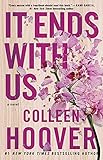
It Ends with Us was published by Colleen Hoover in 2016 and became the source novel for the 2024 film. Hoover’s official product page identifies the book as Book 1 of 2 in the series, while her official books catalog identifies the two titles as It Ends with Us and It Starts with Us. The official book page for It Ends with Us provides the source-material context without resolving any of the later legal allegations.
Sony Pictures describes the 2024 adaptation as a drama-romance based on Hoover’s novel, with Lively playing Lily Bloom and Baldoni playing and directing Ryle Kincaid. The film’s story includes domestic abuse, which became part of the public discussion about the movie’s promotion and the seriousness with which its subject matter was handled. The official Sony Pictures film page is the appropriate source for the adaptation’s basic credits and release information.
The Tool Desk
Outbyte PC Repair FREEClear out junk files and repair common Windows errorsFree Scan →Outbyte Driver Updater FREEFix the driver behind crashes, sound loss and screen glitchesFind Drivers →It Ends With Us Blake Lively Justin Baldoni controversy timeline
| Date | Event | What the event means |
|---|---|---|
| 2016 | Colleen Hoover publishes It Ends with Us. | The novel becomes the source material for the later film adaptation. |
| 2024 | The film is released, with Blake Lively starring as Lily Bloom and Justin Baldoni starring as Ryle Kincaid and directing. | During promotion, reports of tension and separate publicity narratives circulate publicly; those reports are public perception, not established findings of misconduct. |
| December 20, 2024 | The California Civil Rights Department complaint filed by Lively is closed effective this date. | The closure notice establishes the administrative complaint’s closure date; the notice is not a judicial finding that every allegation was true or false. |
| December 31, 2024 | Lively files a federal lawsuit in New York against Baldoni, Wayfarer Studios, and associated parties. | Her claims describe alleged sexual harassment and alleged retaliation or reputation-related conduct connected to production and promotion. |
| January 2025 | Baldoni and Wayfarer file a separate federal lawsuit against Lively, Ryan Reynolds, Leslie Sloane, and others. Baldoni and Wayfarer also sue The New York Times. | The opposing claims allege defamation, extortion, breach of contract, and related theories. The reported $400 million and $250 million demands are pleaded amounts, not damages awarded by a court. |
| June 9, 2025 | The federal judge dismisses Baldoni and Wayfarer’s claims against Lively and associated parties and dismisses Baldoni’s defamation action against The New York Times. | The dismissal ends those actions at that stage; it is not a jury verdict deciding the truth of every underlying allegation. |
| April 2, 2026 | The judge dismisses most of Lively’s claims, including her sexual-harassment claims against Baldoni, while leaving three claims, including a retaliation claim, available against some defendants. | A narrower case remains temporarily. The ruling does not establish that the alleged conduct did not occur, and it does not prove Lively’s factual allegations. |
| May 4, 2026 | Lively and Baldoni announce a settlement about two weeks before the expected trial. | The expected federal trial ends without publicly disclosed financial or other settlement terms. |
| June 12, 2026 | A judge allows Lively to recover some legal costs after the settlement but does not award punitive damages or other requested relief, according to the Associated Press. | The cited report does not establish the full amount or operative language of the order, so no precise fee award should be stated. |
What happened in 2024 during the film’s promotion?
During the 2024 promotional cycle, Lively and Baldoni appeared to follow separate publicity narratives, and reports of tension circulated. The available chronology does not turn those reports into proof of harassment, retaliation, or a coordinated campaign. Public appearances, promotional choices, and anonymous or social-media commentary are not substitutes for findings based on admissible evidence.
The film was released against the background of a story about domestic abuse. That subject matter made questions about promotional tone, workplace conduct, and survivor advocacy especially sensitive, but sensitivity around the subject does not determine which party’s later allegations were legally established.
What was Lively’s complaint and federal lawsuit?
Lively first filed a complaint with the California Civil Rights Department. The department’s notice says the complaint was closed effective December 20, 2024. The complaint was later the subject of reporting about alleged misconduct during production and an alleged campaign to damage Lively’s reputation.
Free tools Windows power users keep installed
One-click scans. No signup required.
Rank #2

- The Colleen Hoover Bestselling 2 Book Collection It Ends with Us and It Starts with Us
- ABIS BOOK
- Language: English
On December 31, 2024, Lively filed a federal lawsuit in New York against Baldoni, Wayfarer Studios, and other associated parties. Her lawsuit alleged sexual harassment and retaliation or reputation-related conduct tied to her complaints about production and promotion. A complaint records a party’s allegations; filing a complaint does not prove that every alleged event occurred.
The administrative complaint and the federal lawsuit were separate steps. The California closure date did not itself function as a verdict on the federal claims, and the later federal rulings addressed legal claims and motions rather than providing a complete factual account of the production.
What did Justin Baldoni and Wayfarer claim?
Baldoni and Wayfarer rejected Lively’s account and filed their own federal action in January 2025 against Lively, Reynolds, Sloane, and others. Public reporting described claims involving defamation, extortion, breach of contract, and related theories, including allegations that Lively and associated parties used media and legal pressure to harm Baldoni and his companies.
The reported amounts were substantial but must be described accurately. According to 2025 coverage by the Los Angeles Times, Baldoni and Wayfarer sought $400 million in claims against Lively and associated parties, while Baldoni’s action against The New York Times sought $250 million. A demand in a pleading is not a judgment, settlement payment, finding of liability, or measure of proven loss.
How did the two sides describe the dispute?
The following comparison separates the competing accounts from what the court actually decided. Neither party’s column is a judicial finding, and the descriptions should be read as allegations, defenses, or litigation positions.
| Issue | Lively’s allegations or account | Baldoni and Wayfarer’s allegations or account |
|---|---|---|
| Conduct during filming | Lively alleged boundary violations, sexual conduct, and unacceptable working conditions during production. | Baldoni and Wayfarer denied wrongdoing and presented an alternative account of the production and disputed conduct. |
| Retaliation and publicity | Lively alleged a coordinated reputation-damaging campaign after she raised concerns about the production. | Baldoni alleged that Lively and associated parties used media and legal pressure to damage him and his companies. |
| Creative control | Lively described her actions as seeking workplace protections and exercising contractual rights. | Baldoni alleged that Lively sought control over the film and its promotion. |
| Legal posture | Lively filed claims including sexual harassment and retaliation; most claims were dismissed on April 2, 2026, while a narrower set remained until the settlement. | Baldoni and Wayfarer’s reported $400 million action was dismissed on June 9, 2025, as was Baldoni’s reported $250 million defamation action against The New York Times. |
| Evidence status | The public record included pleadings, messages, emails, statements, and exhibits offered to support a contested account; the allegations were never tested in the expected trial. | The defense and counterclaims relied on competing filings, messages, emails, statements, and exhibits; the dismissal and settlement did not turn every disputed assertion into an established fact. |
What did the judge decide in the Blake Lively lawsuit?
The judge made two major sets of rulings before the parties settled: the judge dismissed Baldoni and Wayfarer’s principal lawsuits in 2025, then narrowed Lively’s lawsuit in 2026 while leaving a limited retaliation-related path open for a time.
Rank #3
June 9, 2025: Baldoni’s claims were dismissed
On June 9, 2025, the federal judge dismissed Baldoni and Wayfarer’s $400 million claims against Lively and associated parties. The judge also dismissed Baldoni’s $250 million defamation action against The New York Times. The Los Angeles Times report on the June 9 dismissals describes those outcomes.
A dismissal is a legal disposition of claims. Depending on the basis for dismissal, it can reflect pleading defects, legal deficiencies, or other procedural and substantive grounds. The June 9 ruling was not a jury verdict establishing that every allegation made by Lively was true, nor was it a factual finding that every allegation made by Baldoni was false.
April 2, 2026: most of Lively’s claims were dismissed
On April 2, 2026, the judge dismissed most of Lively’s claims, including her sexual-harassment claims against Baldoni. The Associated Press reported that three claims, including a retaliation claim against some defendants, remained available to proceed and could have allowed a jury to hear evidence relevant to alleged retaliation by Baldoni’s production company.
The Associated Press account of the April 2 ruling is important because it captures both parts of the order: most claims were dismissed, but the case was not completely eliminated at that point. The ruling should therefore be described as a narrowing of Lively’s case on legal grounds, not as a finding that the alleged conduct did not happen and not as proof that Lively’s factual allegations were correct.
Did Blake Lively and Justin Baldoni settle?
Yes. Blake Lively and Justin Baldoni announced a settlement on May 4, 2026, ending the expected federal trial and the central dispute described in the cited reports. The Associated Press settlement report and Reuters coverage of the settlement both report the resolution.
The parties’ joint statement said: Raising awareness, and making a meaningful impact in the lives of domestic violence survivors – and all survivors – is a goal that we stand behind.
The statement also described the film as a source of pride for the people who made it. The statement did not publicly disclose the settlement’s financial terms or other operative terms.
Outdated Drivers Are Slowing You Down
One free scan finds every outdated or missing driver and matches the right update for your exact hardware.Free scan · exact hardware matchWindows Errors? Fix Them Before They Spread
Repair common Windows errors and clear accumulated junk for a smoother, more stable PC - no reinstall needed.Free scan · no reinstallWhat were the settlement terms?
The cited reports do not disclose the settlement’s financial or other terms. It is not established by the available record whether either side paid the other, whether either side admitted fault, or whether the agreement contains confidentiality, non-disparagement, or other provisions. Those details should not be guessed from the announcement.
The settlement should not be described as an admission, exoneration, or merits verdict. A settlement resolves the litigation without requiring the parties to obtain a trial judgment on every disputed fact. The absence of a trial means the public record does not contain a jury’s final determination about the competing accounts.
Independent reader supportYour contribution helps us test, update, and keep practical guides available for everyone.What happened after the settlement?
On June 12, 2026, the Associated Press reported that a judge allowed Lively to recover some legal costs after the settlement but did not award punitive damages or other requested relief. The report does not provide enough detail to establish the full amount or exact operative language of the order, so a precise award should not be stated. The Associated Press report on the post-settlement legal-fee proceeding is the basis for that limited description.
As of August 14, 2026, the settlement remains the end of the expected trial, while the terms remain undisclosed in the cited reporting. The legal-fee proceeding does not convert the settlement into a merits ruling on the underlying allegations.
How should readers evaluate the evidence?
The public record contains different types of material, and each type carries a different meaning:
- Administrative complaint: The California Civil Rights Department complaint records allegations submitted to a state agency. The closure notice establishes that the complaint closed effective December 20, 2024; it does not, standing alone, establish the truth or falsity of the allegations.
- Federal complaint or counterclaim: A pleading states what a party alleges and the legal theories that party asks a court to recognize. Pleadings are not findings of fact.
- Texts, emails, and exhibits: Messages and documents may be offered as evidence, but their authenticity, completeness, context, interpretation, and legal relevance can be disputed.
- Party statements and public reporting: Statements from Lively, Baldoni, their representatives, or news organizations can explain each side’s position, but attribution matters and anonymous or incomplete accounts should not be converted into facts.
- Judicial rulings: A dismissal tells readers which claims survived under the court’s legal analysis. It does not necessarily answer every factual question about the underlying events.
- Settlement: A settlement ends the dispute according to the parties’ agreement, but it is not automatically an admission, exoneration, or merits judgment.
Where can readers watch the film?
For readers who want to separate the film from the court record, Sony’s official page lists digital, Blu-ray, and DVD options for It Ends With Us. Readers can watch It Ends With Us through an option listed by the studio, but availability can vary by territory, subscription, retailer, and date, so current access should be verified before purchase or viewing.
Watching the film does not resolve the disputed allegations, and viewing availability should not be presented as evidence for either party’s legal position.
Why the wording of this timeline matters
The most accurate summary is not that one side made allegations and then won a completed trial. The dispute moved through a state administrative complaint, Lively’s federal action, Baldoni and Wayfarer’s opposing federal action, a separate action against The New York Times, extensive contested filings, major dismissals, and a settlement before trial.
The legal outcomes are also not interchangeable. Baldoni and Wayfarer’s principal claims were dismissed on June 9, 2025. Most of Lively’s claims were dismissed on April 2, 2026, but a narrower retaliation-related case remained temporarily. The parties then settled on May 4, 2026, without publicly disclosed terms. None of those events, individually or together, supplies a trial verdict resolving every disputed fact.
Frequently Asked Questions
Did Blake Lively and Justin Baldoni settle?
Yes. Blake Lively and Justin Baldoni announced a settlement on May 4, 2026, ending the expected federal trial. The cited reports do not disclose the settlement’s financial or other terms, so the settlement should not be described as an admission, exoneration, or merits verdict.
What did the judge decide in the Blake Lively lawsuit?
The judge dismissed Baldoni and Wayfarer’s principal claims against Lively and associated parties, as well as Baldoni’s defamation case against The New York Times, on June 9, 2025. On April 2, 2026, the judge dismissed most of Lively’s claims, including her sexual-harassment claims against Baldoni, while leaving a narrower set of claims available temporarily.
How much money was involved in the It Ends With Us lawsuits?
Baldoni and Wayfarer were reported to have sought $400 million from Lively and associated parties, while Baldoni sought $250 million from The New York Times. Those were pleaded demands, not damages awarded by a court, and the separate settlement amount was not publicly disclosed.
Recommended Free Tools
Did the settlement prove that either Blake Lively or Justin Baldoni was right?
No. The cited record does not contain a completed trial verdict resolving the competing allegations. The dismissals were legal rulings, and the May 4, 2026 settlement ended the expected trial without publicly disclosed terms.
The Bottom Line
Bottom line: The Blake Lively–Justin Baldoni dispute over It Ends With Us ended in a May 4, 2026 settlement before trial. Baldoni and Wayfarer’s principal lawsuits had already been dismissed, most of Lively’s claims had also been dismissed while a narrower retaliation-related case remained, and the settlement terms were not publicly disclosed. The settlement is not a factual verdict, admission, or exoneration.
Quick Recap
Product prices and availability are accurate as of the date/time indicated and are subject to change. Any price and availability information displayed on Amazon at the time of purchase will apply.