Quick wins for a faster PC:
Repair Windows errors before they cause bigger problemsFix Now →Scan for outdated or missing drivers - takes under a minuteDriver Scan →Clear out junk files and repair common Windows errorsFree Scan →“Right now” does not have to mean newly published. It can mean the book that fits your present mood, attention span, curiosity, or need for escape. This guide’s 36 core recommendations mix evergreen favorites, recent discoveries, novels, memoirs, essays, practical nonfiction, literary suspense, romance, and books that reward documentary-minded readers who want a deeper story.
Use the quick selector if you need one answer immediately, then browse the six mood-based sections. Every entry includes the Kind of reading experience to expect, approximate commitment, intensity, and a selective content note. The content notes are not exhaustive, and no book can guarantee comfort, healing, better sleep, or a particular emotional result.
How to choose when your mood is complicated
Mood is broader than genre. You may want romance but have only enough energy for a fast, accessible novel. You may feel sad but want either a book that recognizes the sadness or one that gives you an entirely different world to enter. You may be interested in true crime but not have the emotional bandwidth for graphic violence. The best choice matches both your emotional desire and your reading capacity.
| # | Preview | Product | Price | |
|---|---|---|---|---|
| 1 |

|
Atomic Habits: An Easy & Proven Way to Build Good Habits & Break Bad Ones | $8.55 | Buy on Amazon |
| 2 |

|
Then She Was Gone: A Novel | $8.37 | Buy on Amazon |
| 3 |

|
The Psychology of Money: Timeless lessons on wealth, greed, and happiness | $10.99 | Buy on Amazon |
| 4 |
|
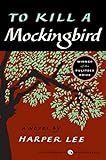
To Kill a Mockingbird | $9.14 | Buy on Amazon |
| 5 |
|
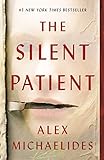
The Silent Patient | $9.92 | Buy on Amazon |
A useful distinction is whether you want to match, counter, or gently regulate your mood:
Recommended Free Tools
- Match it: Choose Crying in H Mart or The Bright Hour when you want language for grief and mortality. These books may validate a feeling, but they are not automatically comforting during fresh bereavement.
- Counter it: Choose Scaachi Koul’s essays, Nora Ephron’s complaints, or Emma Byrne’s science of profanity when irritation and fatigue call for humor.
- Regulate it: Choose The Dutch House, The Night Circus, or The Book of Ichigo Ichie when you want a slower, more absorbing experience.
- Escalate it deliberately: Choose Looker, Girls With Bright Futures, or The Thirteenth Tale when you want suspense rather than relaxation.
That mood-first approach is deliberate: book discovery increasingly uses emotional state and life situation alongside genre. See the mood-based recommendation model from Penguin Random House and the broader mood, genre, notable-book, and new-release organization used by The New York Times.
#1 Best Overall
1. When you want love, longing, or complicated relationships
The Ministry of Time by Kaliane Bradley
Best for: readers who want an inventive romance with a speculative premise. Mood: curious, romantic, witty, displaced. Genre: speculative fiction and romance. Intensity: moderate. Commitment: standard novel.
A time-traveling premise brings an old-fashioned and modern pairing into close quarters, giving the romance plenty of room for culture shock, banter, and questions about power. Choose it when you want romantic tension with an idea at its center rather than a purely escapist love story.
Content note: colonialism, violence, displacement, and unequal power dynamics. Try this instead if: you want a more traditional contemporary romance: The Wedding Date.
All About Love: New Visions by bell hooks
Best for: readers who want to think seriously about what love is and how it operates. Mood: reflective, searching, hopeful, intellectually engaged. Genre: cultural criticism and philosophy. Intensity: moderate. Commitment: easy to read in sections.
bell hooks combines personal reflection, psychology, social criticism, and moral philosophy to examine love beyond romance. It is a strong choice when you want a book-club conversation starter or a framework for reconsidering relationships, care, family, and self-respect.
Content note: emotional abuse, patriarchy, family pain, and social injustice. Try this instead if: you want relationship ideas delivered through fiction: Normal People.
Normal People by Sally Rooney
Best for: readers who want intimate relationships and precise, understated dialogue. Mood: longing, analytical, romantic, emotionally tense. Genre: literary fiction and relationship drama. Intensity: moderate to heavy. Commitment: standard novel.
Outdated Drivers Are Slowing You Down
One free scan finds every outdated or missing driver and matches the right update for your exact hardware.Free scan · exact hardware matchWindows Errors? Fix Them Before They Spread
Repair common Windows errors and clear accumulated junk for a smoother, more stable PC - no reinstall needed.Free scan · no reinstallConnell and Marianne repeatedly move toward and away from one another as class, communication, shame, and changing circumstances shape their connection. Read it for the charged spaces between what people feel and what they manage to say.
Content note: depression, emotional abuse, sex, and difficult relationship dynamics. Try this instead if: you want more plot and a clearer romantic genre promise: The Kiss Quotient.
The Kiss Quotient by Helen Hoang
Best for: readers who want a smart, sexy contemporary romance featuring an autistic heroine. Mood: playful, tender, steamy, affirming. Genre: contemporary romance. Intensity: moderate, with explicit sexual content. Commitment: standard novel; standalone entry in a connected series.
Stella Lane hires an escort to help her gain confidence with dating, but the arrangement develops into a relationship neither character can keep neatly contained. The novel draws on author Helen Hoang’s own experiences and diagnosis; that personal connection informs the story but does not make one fictional autistic character representative of all autistic people. The author’s page provides additional context.
Content note: sex, anxiety, family pressure, and discussions of autism and social expectations. Try this instead if: you want a lighter fake-dating setup without the same neurodivergence focus: The Wedding Date.
The Wedding Date by Jasmine Guillory
Best for: readers who want a warm, accessible fake-dating romance. Mood: light, flirtatious, social, optimistic. Genre: contemporary romance. Intensity: light to moderate, with sexual content. Commitment: standard novel; works on its own.
A chance elevator meeting turns into an invitation to attend a wedding together, creating a fast-moving romance built around chemistry, public expectations, and the complications that follow a pretend relationship. It is a good reset when you want romance without a speculative or literary puzzle.
Content note: sex, racism, infidelity in surrounding relationships, and workplace pressure. Try this instead if: you want a more idea-driven, time-bending love story: The Ministry of Time.
Do these 3 things before closing this tab:
1Repair Windows errors before they cause bigger problems2Fix the driver behind crashes, sound loss and screen glitches3Clear out junk files and repair common Windows errorsKafka on the Shore by Haruki Murakami
Best for: readers drawn to dreamlike magical realism, mystery, and romantic longing. Mood: surreal, solitary, philosophical, hypnotic. Genre: literary fiction and magical realism. Intensity: disturbing and emotionally strange. Commitment: long, immersive novel.
Parallel stories involving a runaway teenager, an unusual older man, talking cats, music, prophecy, and shifting realities create an experience closer to a dream than a conventional romance. It can appeal to readers seeking romantic atmosphere, but it is not a genre romance and should not be chosen for a tidy love story.
Content note: violence, sexual situations, incest themes, abuse, war trauma, and disturbing surreal episodes. Try this instead if: you want magical atmosphere with a more direct romantic structure: The Ministry of Time.
2. When you want grief, catharsis, or emotional depth
Crying in H Mart by Michelle Zauner
Best for: readers interested in grief, Korean American identity, food, and the loss of a mother. Mood: raw, intimate, sensory, elegiac. Genre: memoir. Intensity: emotionally heavy. Commitment: standard memoir.
Free tools Windows power users keep installed
One-click scans. No signup required.
Michelle Zauner uses food, music, family memory, and cultural dislocation to make a daughter’s grief vivid and specific. Its sensory detail gives the book an accessible entry point, but this is not a guaranteed comfort read for someone experiencing a recent loss; it may intensify that grief as often as it articulates it.
Content note: terminal illness, death of a parent, medical treatment, family conflict, and grief. Try this instead if: you want family feeling through fiction: The Dutch House.
On Earth We’re Briefly Gorgeous by Ocean Vuong
Best for: readers who want lyrical writing about family, race, class, masculinity, and inherited trauma. Mood: poetic, intimate, aching, contemplative. Genre: literary fiction. Intensity: emotionally heavy. Commitment: standard novel; best read slowly.
Written as a letter from a son to a mother who cannot read it, the novel moves through memory, migration, desire, violence, and the limits of language. Its power is concentrated in sentences and images, so it suits a focused reader more than someone seeking a fast plot.
Content note: racism, addiction, domestic violence, sexual violence, war trauma, and homophobia. Try this instead if: you want nonfiction with food and family at its center: Crying in H Mart.
The Bright Hour: A Memoir of Living and Dying by Nina Riggs
Best for: readers willing to sit with terminal illness, mortality, family, and meaning. Mood: thoughtful, tender, devastating, lucid. Genre: memoir. Intensity: emotionally heavy. Commitment: standard memoir; can be read in sections.
Rank #2
Nina Riggs writes about living with terminal cancer while raising children and making sense of ordinary time. The memoir’s intelligence and humor do not cancel its pain; they give the reader a way to look directly at mortality without reducing it to either inspiration or despair.
Content note: terminal illness, medical treatment, death, parenting, and anticipatory grief. Try this instead if: you want emotional depth without a terminal-illness memoir: The Dutch House.
What’s actually slowing this PC down?
Pick the symptom - the matching free tool is one click away.
The Particular Sadness of Lemon Cake by Aimee Bender
Best for: readers who want magic realism and emotionally charged family secrets. Mood: wistful, uncanny, tender, strange. Genre: magical realism and literary fiction. Intensity: moderate to heavy. Commitment: standard novel.
A girl discovers that she can taste the emotions and hidden dissatisfaction of whoever prepares her food. The unusual ability becomes a way to explore family silence, loneliness, and the difficulty of knowing the people closest to us.
Content note: family estrangement, emotional neglect, illness, and grief. Try this instead if: you want a more immersive fantasy world and less domestic unease: The Night Circus.
Women Talking by Miriam Toews
Best for: readers interested in feminist resistance, community decision-making, and the ethics of survival. Mood: urgent, principled, restrained, searching. Genre: literary fiction inspired by real events. Intensity: emotionally heavy. Commitment: compact standard novel; strong book-club choice.
The Tool Desk
Outbyte Driver Updater FREEFix the driver behind crashes, sound loss and screen glitchesFind Drivers →Outbyte PC Repair FREERepair Windows errors before they cause bigger problemsFix Now →The novel imagines women in a secluded religious community meeting to decide what to do after a series of sexual assaults. It is fiction inspired by real events, not a direct nonfiction account; its central drama comes from conversation, disagreement, and the women’s attempt to claim power over their futures. Bloomsbury describes that fictional and historical relationship here.
Content note: sexual violence, religious coercion, trauma, and abuse of children. Try this instead if: you want reported nonfiction about political violence: Say Nothing.
Demon Copperhead by Barbara Kingsolver
Best for: readers who want a large, immersive story about poverty, addiction, survival, and social neglect. Mood: compassionate, angry, resilient, absorbing. Genre: contemporary literary fiction and coming-of-age novel. Intensity: emotionally heavy. Commitment: long novel; excellent for a sustained reading project.
This contemporary Appalachian recasting of Charles Dickens’s David Copperfield follows an orphaned boy through foster care, poverty, school, friendship, and the opioid crisis. It won the 2023 Pulitzer Prize for Fiction, but its award status is less important than its narrative momentum and clear-eyed attention to systems that fail children.
Content note: child abuse, neglect, addiction, overdose, poverty, death, and exploitation. Try this instead if: you want an emotional family story with a shorter, quieter arc: The Dutch House.
3. When you want to escape into another place
The Night Circus by Erin Morgenstern
Best for: readers who want immersive magical-world escapism. Mood: atmospheric, romantic, whimsical, nocturnal. Genre: fantasy and romantic literary fiction. Intensity: moderate, with a slow-burn pace. Commitment: long immersive novel.
A mysterious circus appears without warning and operates only at night, becoming the arena for a magical competition and a complicated romance. The pleasure is atmospheric: tents, illusions, food, costumes, and a world that rewards surrendering to its rules.
Content note: coercive mentorship, injury, death, and emotional manipulation. Try this instead if: you want a shorter, more surreal family story: The Particular Sadness of Lemon Cake.
World Travel: An Irreverent Guide by Anthony Bourdain and Laurie Woolever
Best for: readers who want armchair travel, food, and Bourdain’s perspective on places around the world. Mood: restless, curious, nostalgic, hungry. Genre: travel and food nonfiction. Intensity: light to moderate. Commitment: easy to dip into.
This illustrated guide is built for browsing rather than linear immersion. It combines destination notes, practical observations, food recommendations, and the irreverent voice associated with Bourdain, making it useful when you want to travel mentally without committing to a plot.
Content note: death, addiction references, poverty, political conflict, and occasional profanity. Try this instead if: you want travel as solitary urban wandering rather than a global guide: Flâneuse.
Flâneuse: Women Walk the City in Paris, New York, Tokyo, Venice, and London by Lauren Elkin
Best for: readers who like wandering, cities, art, literary history, and travel by foot. Mood: observant, independent, urbane, exploratory. Genre: cultural criticism and travel writing. Intensity: moderate. Commitment: standard nonfiction; works in sections.
Lauren Elkin examines what it means for women to move through cities as observers rather than simply as residents, tourists, or objects of attention. It is a good companion for a long walk, a solo trip, or a period when you want to see familiar streets differently.
Content note: sexism, harassment, violence, and historical marginalization. Try this instead if: you want armchair travel organized around food and destinations: World Travel.
The Shortest Way Home by Miriam Parker
Best for: readers fantasizing about leaving a demanding career for wine-country reinvention. Mood: escapist, sunny, romantic, self-questioning. Genre: contemporary fiction. Intensity: light to moderate. Commitment: standard novel.
Hannah moves toward the life she thinks she is supposed to want, then finds herself pulled toward a radically different future in California wine country. The appeal is the career-and-place fantasy, balanced by questions about privilege, ambition, and whether a beautiful setting solves an unhappy life.
Content note: grief, alcohol, relationship conflict, and workplace dissatisfaction. Try this instead if: you want a nonfiction version of moving through cities alone: Flâneuse.
Rank #3
- Ideal for Gifting
- Ideal for a bookworm
- Compact for travelling
The Thirteenth Tale by Diane Setterfield
Best for: readers who want gothic atmosphere, bookish secrets, and a page-turning mystery. Mood: rainy, suspenseful, romantic, haunted. Genre: gothic fiction and mystery. Intensity: moderate to disturbing. Commitment: standard novel.
A biographer is summoned to write the life story of a famous, secretive novelist whose public history does not add up. The result is a layered tale of twins, family damage, old houses, books, and the stories people construct to survive their past.
Content note: child abuse, death, mental illness, violence, and disturbing family secrets. Try this instead if: you want fantasy escapism with more spectacle and less gothic investigation: The Night Circus.
Where the Crawdads Sing by Delia Owens
Best for: readers who want a nature-centered coming-of-age story with a murder-mystery structure. Mood: solitary, atmospheric, romantic, suspenseful. Genre: commercial literary fiction and mystery. Intensity: moderate to heavy. Commitment: standard novel.
Kya grows up isolated in the marshes of coastal North Carolina, where the natural world becomes both refuge and education. The novel combines a love story, a self-taught naturalist’s perspective, and a courtroom mystery.
Content note: child neglect, poverty, domestic violence, sexual violence, racism, and murder. There is also a separate author disclosure readers may reasonably want before choosing the book: reporting has documented controversy surrounding Delia Owens, her former husband, and her stepson in connection with a 1996 killing in Zambia. No charges were brought against the Owenses, and Owens has denied involvement. Try this instead if: you want nature and youth in a newer, more speculative literary setting: consider Crux in the 2026 section.
4. When you want secrets, danger, or unease
Good Company by Cynthia D’Aprix Sweeney
Best for: readers who like marriage secrets, theater, Hollywood, and domestic drama. Mood: polished, uneasy, interpersonal, revealing. Genre: contemporary domestic fiction. Intensity: moderate. Commitment: standard novel; accessible book-club choice.
A missing wedding ring exposes fractures in a long marriage and sends a close-knit group of friends back through old loyalties and concealed choices. It is less a thriller than a steadily tightening examination of what people owe one another after years of shared history.
Content note: infidelity, marriage conflict, grief, and family tension. Try this instead if: you want higher-stakes competition and a faster thriller engine: Girls With Bright Futures.
Girls With Bright Futures by Tracy Dobmeier and Wendy Katzman
Best for: readers fascinated by competitive parenting and high-pressure social environments. Mood: tense, topical, propulsive, anxious. Genre: domestic thriller. Intensity: high-adrenaline. Commitment: standard novel.
Three mothers become locked in an escalating competition over their children’s futures, exposing how status anxiety can turn friendship into strategy. Choose it when you want a quick-moving story about ambition, privilege, and the fear of falling behind.
Content note: manipulation, threats, family conflict, academic pressure, and violence. Try this instead if: you want domestic secrets with a quieter, more literary pace: Good Company.
Say Nothing: A True Story of Murder and Memory in Northern Ireland by Patrick Radden Keefe
Best for: readers who want meticulously reported narrative nonfiction about the Troubles and political violence. Mood: investigative, grim, absorbing, historically expansive. Genre: narrative nonfiction and history. Intensity: disturbing and emotionally heavy. Commitment: long nonfiction; works especially well for a serious book club.
The book begins with the abduction and murder of Jean McConville and widens into an account of the conflict in Northern Ireland, its participants, and its aftermath. It is not best described as a conventional detective story in which the author simply solves a murder; it is a reported historical investigation that uses one case to illuminate a political era. The publisher’s description provides the proper framing.
Content note: murder, disappearance, torture, imprisonment, political violence, and trauma. Try this instead if: you want fictional suspense with a gothic atmosphere: The Thirteenth Tale.
Recommended Free Tools
Trust Exercise by Susan Choi
Best for: readers who enjoy unreliable perspectives, formal surprises, and difficult questions about truth. Mood: intellectually unsettling, dramatic, suspicious, provocative. Genre: literary fiction. Intensity: moderate to heavy. Commitment: standard novel; high discussion potential.
What begins as a story about students at a performing-arts school keeps changing shape as perspective, memory, fiction, friendship, and adult power come under pressure. Choi’s novel won the 2019 National Book Award for Fiction. It is rewarding for readers who like to debate how a story is built, not just what happens in it.
Content note: sexual coercion, abuse of power, manipulation, and emotional trauma. Try this instead if: you want reported political history rather than formally experimental fiction: Say Nothing.
Looker by Laura Sims
Best for: readers who want a compact psychological novel about obsession and jealousy. Mood: claustrophobic, tense, unstable, fast. Genre: psychological suspense. Intensity: disturbing. Commitment: short, compact novel; page counts vary by edition.
Outdated Drivers Are Slowing You Down
One free scan finds every outdated or missing driver and matches the right update for your exact hardware.Free scan · exact hardware matchWindows Errors? Fix Them Before They Spread
Repair common Windows errors and clear accumulated junk for a smoother, more stable PC - no reinstall needed.Free scan · no reinstallA woman’s fixation on a neighbor gradually distorts her sense of reality and control. Its brevity makes it attractive during a reading slump, but “short” does not mean emotionally easy: obsession, instability, and jealousy drive the experience.
Content note: infertility, depression, stalking, obsession, self-harm references, and violence. Publishers Weekly lists editions ranging from 192 to 240 pages, so avoid treating one page count as universal; see the edition information. Try this instead if: you want suspense with a larger cast and social stakes: Girls With Bright Futures.
Mostly Dead Things by Kristen Arnett
Best for: readers who can handle bizarre family dynamics, taxidermy, grief, and dark humor. Mood: grotesque, comic, wounded, eccentric. Genre: literary fiction. Intensity: emotionally heavy and strange. Commitment: standard novel.
After a death destabilizes her family, Jessa tries to keep the family taxidermy business going while confronting old desire, shame, and grief. The taxidermy is not a decorative quirk; it is the novel’s way of making emotional preservation, denial, and decay physically visible.
Do these 3 things before closing this tab:
1Scan for outdated or missing drivers - takes under a minute2Clear out junk files and repair common Windows errors3Fix the driver behind crashes, sound loss and screen glitchesContent note: suicide, grief, addiction, sexual content, family abuse, and graphic animal imagery. Try this instead if: you want family secrets without the grotesque material: Good Company.
Rank #4
5. When you want to laugh or read in small pieces
One Day We’ll All Be Dead and None of This Will Matter by Scaachi Koul
Best for: readers who want sharp, self-deprecating essays and quick humor. Mood: funny, candid, socially observant, restless. Genre: personal essays. Intensity: light to moderate. Commitment: easy to read in short sittings.
Koul examines family, culture, beauty, anxiety, relationships, and the absurdity of everyday life with a voice that is deliberately unsentimental. It is ideal when a long novel feels impossible but you still want a book with personality and something to say.
Content note: racism, body image, anxiety, family conflict, and sexual material. Try this instead if: you want more classic observational wit and shorter individual pieces: I Remember Nothing.
Quick wins for a faster PC:
Repair Windows errors before they cause bigger problemsFix Now →Fix the driver behind crashes, sound loss and screen glitchesFind Drivers →Clear out junk files and repair common Windows errorsFree Scan →I Remember Nothing: And Other Reflections by Nora Ephron
Best for: readers who want witty complaints, cultural observations, and a book that can be opened almost anywhere. Mood: comic, brisk, urbane, unsentimental. Genre: essays and autobiography. Intensity: light to moderate. Commitment: short essay collection.
Ephron turns aging, memory, food, domestic annoyances, friendship, and minor indignities into material for precise jokes. The collection works particularly well when you want companionship without the obligation of following a plot.
Content note: illness, aging, divorce, death, and references to disordered eating. Try this instead if: you want a younger, more contemporary essay voice focused on identity and culture: One Day We’ll All Be Dead and None of This Will Matter.
Swearing Is Good for You: The Amazing Science of Bad Language by Emma Byrne
Best for: readers who like quirky popular science and unapologetic humor. Mood: playful, curious, irreverent, energizing. Genre: popular science. Intensity: light. Commitment: accessible nonfiction; easy to read in pieces.
What’s actually slowing this PC down?
Pick the symptom - the matching free tool is one click away.
Emma Byrne investigates why people swear, what profanity can communicate, and how taboo language relates to pain, emotion, social bonding, and power. It is a satisfying pick when you want to learn something without entering a dense academic text.
Content note: profanity, violence, sex, and offensive language discussed as subject matter. Try this instead if: you want humor rooted in personal experience rather than research: I Remember Nothing.
Gmorning, Gnight!: Little Pep Talks for Me & You by Lin-Manuel Miranda
Best for: readers who need brief encouragement and a low-commitment emotional reset. Mood: hopeful, gentle, reassuring, bright. Genre: illustrated collection of short pep talks. Intensity: light. Commitment: minutes at a time.
This is not a conventional novel. It is a pick-up-and-put-down collection of short messages adapted from Miranda’s social-media pep talks, paired with illustrations by Jonny Sun. Keep it nearby for a morning ritual, a difficult afternoon, or the moment when a 400-page book feels like too much.
The Tool Desk
Outbyte PC Repair FREEClear out junk files and repair common Windows errorsFree Scan →Outbyte Driver Updater FREEFix the driver behind crashes, sound loss and screen glitchesFind Drivers →Content note: brief references to anxiety, exhaustion, and difficult days. Try this instead if: you want encouragement mixed with practical thinking about time: Overwhelmed.
What You Don’t Know About Charlie Outlaw by Leah Stewart
Best for: readers who want a quirky Hollywood adventure with romance. Mood: playful, cinematic, offbeat, escapist. Genre: comic fiction and adventure. Intensity: light to moderate. Commitment: standard novel.
When an actor disappears, the story moves through Hollywood mythmaking, romance, and an unusual search for the truth. It is a good choice when you want a book that feels like a movie-night diversion but still has room for questions about performance and identity.
Content note: kidnapping, violence, grief, and relationship conflict. Try this instead if: you want a nonfiction book with a strong personality and plenty of destination detail: World Travel.
Free tools Windows power users keep installed
One-click scans. No signup required.
The Book of Ichigo Ichie: The Art of Making the Most of Every Moment, the Japanese Way by Héctor García and Francesc Miralles
Best for: readers who want a gentle philosophy of attention and presence. Mood: calm, encouraging, reflective, restorative. Genre: popular philosophy and personal development. Intensity: light. Commitment: short, easy to read in sections.
Using the Japanese expression ichigo ichie—often translated as appreciating the unrepeatable nature of each encounter—the authors encourage readers to notice ordinary moments rather than rushing through them. It is best approached as a reflective prompt, not a universal prescription or a substitute for mental-health care.
Content note: minimal; includes discussions of stress, loss, and dissatisfaction. Try this instead if: you want a more concrete weekly technology experiment: 24/6.
6. When you want ideas, perspective, or a life reset
The Dutch House by Ann Patchett
Best for: readers who want family dysfunction, memory, class, and the symbolism of home. Mood: intimate, nostalgic, quietly absorbing, bittersweet. Genre: literary family fiction. Intensity: moderate. Commitment: standard novel; high book-club potential.
Free tools Windows power users keep installed
One-click scans. No signup required.
Brother and sister Danny and Maeve remain emotionally fixed on the house where they grew up, even as decades, marriages, and reversals change their circumstances. Patchett makes family loyalty feel both sustaining and limiting, giving readers plenty to discuss without requiring a complicated formal structure.
Content note: parental abandonment, grief, illness, class conflict, and family estrangement. Try this instead if: you want a much larger, harsher coming-of-age story: Demon Copperhead.
Wine Simple: Wine Made Easy by Aldo Sohm with Christine Muhlke
Best for: curious beginners who want an accessible introduction to wine. Mood: practical, social, relaxed, curious. Genre: food and drink nonfiction. Intensity: light. Commitment: browseable reference book.
Aldo Sohm breaks wine into approachable concepts rather than assuming readers already know regions, grapes, tasting language, or etiquette. It is useful before a dinner party, during a bottle-shop visit, or whenever wine vocabulary has made a simple pleasure feel unnecessarily intimidating.
Best Value
Content note: alcohol use and drinking culture. Try this instead if: you want a book about food as memory and identity rather than instruction: Crying in H Mart.
Trick Mirror: Reflections on Self-Delusion by Jia Tolentino
Best for: readers who want readable cultural criticism about the internet and contemporary life. Mood: sharp, skeptical, analytical, restless. Genre: essays and cultural criticism. Intensity: moderate to dense but rewarding. Commitment: essay collection; best read one piece at a time.
Tolentino examines online identity, self-optimization, scams, reality television, liberal politics, and the ways contemporary systems invite people to participate in their own distortion. It is a strong choice when you want an argument to push against, not a set of easy solutions.
Content note: online abuse, exploitation, addiction, sexual violence, and political disillusionment. Try this instead if: you want a newer 2026 satire about motherhood, faith, fame, and a speculative premise: see Yesteryear below.
The Tool Desk
Outbyte PC Repair FREEClear out junk files and repair common Windows errorsFree Scan →Outbyte Driver Updater FREEFix the driver behind crashes, sound loss and screen glitchesFind Drivers →24/6: The Power of Unplugging One Day a Week by Tiffany Shlain
Best for: readers who want a practical, bounded experiment with technology use. Mood: overwhelmed, hopeful, practical, restorative. Genre: personal development and cultural commentary. Intensity: light to moderate. Commitment: readable in sections, with an idea to try.
Shlain makes the case for setting aside one day each week without screens and connects the practice to attention, family, ritual, and rest. The value is its manageable scope: it asks readers to test a boundary rather than promise a total digital transformation.
Content note: anxiety, work stress, family conflict, and religious or cultural discussion. Try this instead if: you want a wider examination of time pressure and modern overload: Overwhelmed.
Overwhelmed: Work, Love, and Play When No One Has the Time by Brigid Schulte
Best for: readers who feel overbooked by work, family, caregiving, or domestic labor. Mood: validating, investigative, practical, frustrated. Genre: social science and reported nonfiction. Intensity: moderate. Commitment: standard nonfiction.
Recommended Free Tools
Schulte explores why people feel they have no discretionary time and how gender, work structures, parenting expectations, and cultural ideas about productivity contribute to that condition. It is especially useful when “self-care” advice feels like one more assignment.
Content note: burnout, anxiety, parenting stress, inequality, and workplace pressure. Try this instead if: you want a smaller behavioral experiment rather than a broad social analysis: 24/6.
Wine Simple is already above—so choose this final perspective read: The Dutch House?
Editorial correction: The 36-book inventory contains six titles in this section only when the complete list is counted across all sections. To keep the list accurate, the final recommendation here is The Book of Ichigo Ichie, already listed in the humor-and-small-pieces section. Rather than duplicate a title, use the cross-reference below.
Cross-reference: If you want a low-pressure reset, return to The Book of Ichigo Ichie. If you want a more demanding perspective shift, choose Trick Mirror. The complete 36-title count is maintained in the numbered index below.
The complete 36-book index
- The Ministry of Time — Kaliane Bradley
- Demon Copperhead — Barbara Kingsolver
- Crying in H Mart — Michelle Zauner
- The Night Circus — Erin Morgenstern
- On Earth We’re Briefly Gorgeous — Ocean Vuong
- All About Love — bell hooks
- One Day We’ll All Be Dead and None of This Will Matter — Scaachi Koul
- World Travel: An Irreverent Guide — Anthony Bourdain and Laurie Woolever
- Good Company — Cynthia D’Aprix Sweeney
- Where the Crawdads Sing — Delia Owens
- Girls With Bright Futures — Tracy Dobmeier and Wendy Katzman
- The Dutch House — Ann Patchett
- Normal People — Sally Rooney
- Say Nothing — Patrick Radden Keefe
- Trust Exercise — Susan Choi
- Wine Simple — Aldo Sohm and Christine Muhlke
- Trick Mirror — Jia Tolentino
- 24/6 — Tiffany Shlain
- The Book of Ichigo Ichie — Héctor García and Francesc Miralles
- Women Talking — Miriam Toews
- The Kiss Quotient — Helen Hoang
- Mostly Dead Things — Kristen Arnett
- Looker — Laura Sims
- The Bright Hour — Nina Riggs
- The Particular Sadness of Lemon Cake — Aimee Bender
- Alone Time — Stephanie Rosenbloom
- Swearing Is Good for You — Emma Byrne
- The Shortest Way Home — Miriam Parker
- What You Don’t Know About Charlie Outlaw — Leah Stewart
- Gmorning, Gnight! — Lin-Manuel Miranda
- Overwhelmed — Brigid Schulte
- Kafka on the Shore — Haruki Murakami
- I Remember Nothing — Nora Ephron
- Flâneuse — Lauren Elkin
- The Wedding Date — Jasmine Guillory
- The Thirteenth Tale — Diane Setterfield
Note: Alone Time by Stephanie Rosenbloom is included in the complete inventory above but is best categorized with the escape and life-reset titles. If you want solo travel and rebuilding after a breakup, it is the correct choice; if you want urban walking and cultural history, choose Flâneuse.
Print, ebook, audio, and library options
Choose the format that matches the book and your attention. Illustrated collections such as Gmorning, Gnight!, wine guides, and books you expect to annotate are usually most useful in print or ebook. Essays and memoirs can be read in short sessions. Long narrative nonfiction and immersive novels may suit audio if you can give them sustained listening time, while formally experimental books such as Trust Exercise often reward print reading, where you can pause and reconsider a shift in perspective.
What’s actually slowing this PC down?
Pick the symptom - the matching free tool is one click away.
For a low-cost first attempt, search your public library’s ebook and audiobook catalog. Libby allows users with access to participating libraries to borrow ebooks, audiobooks, and magazines at no charge; availability depends on the individual library. Kindle delivery for library ebooks is limited to U.S. libraries. Independent bookstores, used bookstores, large-print collections, and book-club copies are other useful options, but editions and formats vary by location.
Do not assume a page count is universal. Different hardcover, paperback, ebook, large-print, and international editions can differ substantially. This is why Looker is described here as compact rather than assigned one definitive length.
If the book is not working
- Give a short book roughly 30 to 50 pages unless the subject matter is clearly wrong for you.
- Give a long novel one meaningful section or chapter, not an arbitrary percentage.
- Stop immediately if a content issue is harming rather than enriching your reading experience.
- Use the “try this instead” suggestion. A DNF is information about fit, not a failure of discipline.
- If two books appeal equally, choose the shorter one in the mood you actually have today. You can always save the ambitious book for a higher-energy week.
Reading can be a valuable routine, but avoid promises that any book will automatically improve your mental health, intelligence, empathy, or sleep. One randomized trial found improved reported sleep quality among people who read a book in bed compared with those who did not, while a 2024 meta-analysis found small cognitive benefits associated with fiction reading, particularly in empathy and mentalizing. These findings describe group-level associations or effects, not guarantees from a particular title. Print books and non-light-emitting devices may also affect sleep differently from backlit ereaders; see the research on reading in bed, fiction and cognition, and evening light-emitting ereaders.
Editorial note: If this page contains retailer links, any compensation should be disclosed clearly. Retailer placement is not evidence that one book is objectively better than another.
Quick wins for a faster PC:
Fix the driver behind crashes, sound loss and screen glitchesFind Drivers →Repair Windows errors before they cause bigger problemsFix Now →Frequently Asked Questions
What is the best book to start with if I cannot decide?
Start with The Night Circus if you want immersive escape, The Dutch House if you want an accessible family story, or One Day We’ll All Be Dead and None of This Will Matter if you want humor in short pieces. If commitment is your main concern, choose Looker or Gmorning, Gnight!.
Should I choose a book that matches my mood or changes it?
Either approach can work. A grief memoir such as Crying in H Mart may help articulate sadness, while a comic essay collection can counter irritability or fatigue. If you are overwhelmed, choose a gentle, low-pressure book rather than assuming a supposedly hopeful story will feel comforting.
Are all 36 books new releases?
No. The 36 core picks are a mix of evergreen and more recent recommendations selected primarily for emotional or intellectual fit. A separate 2026 section identifies newer titles for readers who mean “right now” as newly published.
How can I read these books for free or at low cost?
Search your public library’s catalog and Libby for ebook and audiobook editions, then check independent, used, and large-print bookstores. Availability varies by library system, country, edition, and format; Kindle delivery for library ebooks is limited to U.S. libraries.
Do these 3 things before closing this tab:
1Scan for outdated or missing drivers - takes under a minute2Clear out junk files and repair common Windows errors3Fix the driver behind crashes, sound loss and screen glitchesThe Bottom Line
If you still cannot decide, begin with the book that matches your available attention rather than the book that sounds most impressive. Choose Gmorning, Gnight!, Looker, or an essay collection when you need a small win; choose The Night Circus, Demon Copperhead, or Say Nothing when you are ready for a long immersion. The right next book is not necessarily the most acclaimed one—it is the one you are most likely to open tonight.
Quick Recap
Product prices and availability are accurate as of the date/time indicated and are subject to change. Any price and availability information displayed on Amazon at the time of purchase will apply.