Dinosaurs sit at the perfect crossroads of imagination and fear, tapping into a primal fascination that cinema has exploited for more than a century. They represent a world both scientifically grounded and mythic, creatures that once ruled the Earth yet feel as fantastical as dragons when brought to life on screen. That tension between authenticity and awe is what makes dinosaur movies endlessly watchable across generations.
At their best, these films balance wonder with terror, letting audiences marvel at prehistoric beauty one moment and recoil from its danger the next. Groundbreaking visual effects have always been central to the genre, from stop-motion pioneers to revolutionary CGI milestones that reshaped blockbuster filmmaking. When paired with strong storytelling and iconic direction, dinosaurs stop being effects showcases and become unforgettable characters.
| # | Preview | Product | Price | |
|---|---|---|---|---|
| 1 |
![We're Back! A Dinosaur's Story [Blu-ray]](https://m.media-amazon.com/images/I/61zXmqoTKGL._SL160_.jpg)
|
We're Back! A Dinosaur's Story [Blu-ray] | $7.92 | Buy on Amazon |
| 2 |

|
The Good Dinosaur | $8.99 | Buy on Amazon |
| 3 |
|
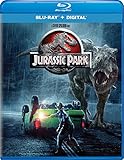
Jurassic Park - Blu-ray + Digital | $7.89 | Buy on Amazon |
| 4 |

|
Jurassic Park III - Blu-ray + Digital | $7.99 | Buy on Amazon |
| 5 |

|
When Dinosaurs Ruled the Earth (1970) | $21.99 | Buy on Amazon |
This enduring appeal is why certain dinosaur movies rise above the rest, leaving cultural footprints far larger than their box office numbers alone. The greatest entries don’t just showcase extinct animals; they redefine cinematic spectacle, influence future filmmakers, and embed themselves into pop culture memory. Ranking the best dinosaur movies means celebrating where technology, storytelling, and sheer movie magic collide.
#9: “The Land Before Time” (1988) – Prehistoric Heartbreak for a Generation
Not all great dinosaur movies roar; some whisper, cry, and quietly devastate. The Land Before Time earns its place on this list by proving that prehistoric storytelling doesn’t need spectacle to leave a lasting mark, only emotional honesty and unforgettable characters. For an entire generation, this animated classic was their first cinematic encounter with dinosaurs as living, feeling beings rather than monsters or marvels.
The Tool Desk
Outbyte PC Repair FREERepair Windows errors before they cause bigger problemsFix Now →Outbyte Driver Updater FREEFix the driver behind crashes, sound loss and screen glitchesFind Drivers →#1 Best Overall
- Shrink-wrapped
Produced by Steven Spielberg and George Lucas and directed by Don Bluth, the film strips away comfort quickly. Its opening act delivers one of the most quietly traumatic moments in family cinema, setting a tone that respects young audiences enough to trust they can handle grief, fear, and perseverance. That emotional weight is precisely why the film has endured.
Dinosaurs as Emotional Anchors
Unlike most dinosaur movies, The Land Before Time doesn’t rely on awe or terror to engage viewers. Instead, it centers its story on friendship, loss, and survival through the eyes of young dinosaurs navigating a dying world. Littlefoot, Cera, Ducky, Petrie, and Spike may be animated, but their personalities are distinct and deeply human.
The dinosaurs here aren’t attractions; they’re stand-ins for childhood vulnerability. By grounding prehistoric creatures in relatable emotional experiences, the film creates a connection that lingers long after the credits roll. It’s a reminder that dinosaurs can be just as powerful when they’re gentle.
Animation That Aged with Grace
Visually, The Land Before Time showcases Don Bluth’s signature hand-drawn style at its most restrained and effective. The backgrounds evoke a world in collapse, all cracked earth and fading greenery, reinforcing the story’s stakes without overwhelming its young heroes. While it lacks the technical ambition of later animated films, its craftsmanship remains timeless.
Recommended Free Tools
The decision to keep the dinosaurs expressive rather than anatomically exact works in the film’s favor. Emotional clarity matters more here than scientific precision, and the animation serves the story with remarkable discipline. Few animated films of the era balance beauty and melancholy so effectively.
A Cultural Footprint Larger Than Its Scale
Though modest in scale compared to later dinosaur blockbusters, The Land Before Time left an enormous cultural imprint. Its legacy includes multiple sequels, countless rewatches on VHS and DVD, and a reputation as one of the most emotionally resonant animated films of the late 20th century. For many viewers, it was a formative cinematic experience.
Ranking it among the greatest dinosaur movies isn’t about box office dominance or technical breakthroughs. It’s about impact, memory, and the unique way it used dinosaurs to tell a story that still resonates decades later. In a genre often defined by spectacle, The Land Before Time stands apart by breaking hearts instead of buildings.
#8: “Walking with Dinosaurs: The Movie” (2013) – Nature Documentary Meets Family Adventure
After the emotional intimacy of hand-drawn animation, Walking with Dinosaurs: The Movie shifts gears toward something more unusual. It blends the tone of a BBC-style nature documentary with a family-friendly coming-of-age story, using state-of-the-art CGI to bring prehistoric life into vivid, tactile focus. The result is a dinosaur film that feels less like fantasy and more like a window into deep time, even when it leans into storytelling conventions.
What’s actually slowing this PC down?
Pick the symptom - the matching free tool is one click away.
At its core, the film follows Patchi, a young Pachyrhinosaurus navigating migration, predators, and rivalry during the late Cretaceous period. Framed as a survival narrative rather than a monster movie, the stakes are rooted in environment and instinct. That approach gives the film a distinct identity within the genre, prioritizing immersion over spectacle.
Documentary DNA with a Narrative Twist
What truly sets Walking with Dinosaurs apart is its heritage. Adapted from the acclaimed BBC television series, the film carries over a commitment to depicting dinosaur behavior within plausible ecosystems. Herd movement, mating rituals, and predator-prey dynamics are staged with an educational backbone rarely seen in theatrical dinosaur films.
The decision to add voice acting and a clear hero’s journey was controversial, but it also made the film accessible to younger audiences. While purists may prefer silent observation, the narration helps translate natural history into emotional storytelling. It’s an attempt to bridge classroom curiosity and multiplex entertainment.
CGI That Prioritizes Realism Over Shock
Visually, the film remains impressive more than a decade later. The dinosaurs are rendered with weight, texture, and believable movement, interacting convincingly with live-action landscapes. Rather than exaggerating size or aggression, the effects aim for realism, making even familiar species feel newly observed.
Free tools Windows power users keep installed
One-click scans. No signup required.
There’s an emphasis on scale and environment rather than jump scares or destruction. Volcanoes, icy plains, and dense forests shape the drama as much as the dinosaurs themselves. This restraint gives the film a contemplative quality uncommon in the genre.
A Different Kind of Dinosaur Legacy
Walking with Dinosaurs: The Movie may not have left behind catchphrases or iconic action set pieces, but its cultural value lies elsewhere. It introduced a new generation to prehistoric life through a lens of curiosity and respect rather than fear. For many families, it functioned as both entertainment and a gateway to real-world paleontology.
Its place among the greatest dinosaur movies comes from daring to be different. By merging documentary authenticity with family adventure, it expands what a dinosaur movie can be, reminding audiences that wonder doesn’t always need chaos to be compelling.
#7: “One Million Years B.C.” (1966) – Stop-Motion, Star Power, and Pulp Mythology
After the grounded realism and educational intent of Walking with Dinosaurs, One Million Years B.C. represents the genre’s opposite pole: pure, glorious prehistoric fantasy. This is a film where cavemen coexist with dinosaurs separated by millions of years, history bends to spectacle, and logic bows to visual wonder. And yet, its influence on dinosaur cinema is impossible to ignore.
Rank #2
- An epic journey into the world of dinosaurs where an Apatosaurus named Arlo makes an unlikely human friend.
Released by Hammer Films during its genre heyday, the movie helped cement the image of dinosaurs as mythic screen monsters rather than scientific subjects. It’s less about accuracy and more about awe, channeling the pulp-adventure spirit that defined mid-century genre filmmaking.
Ray Harryhausen’s Stop-Motion Magic
The film’s lasting legacy belongs to Ray Harryhausen, whose stop-motion creatures remain iconic decades later. His dinosaurs move with personality, weight, and menace, engaging in unforgettable battles with early humans and each other. Even today, there’s a tactile charm to the animation that modern CGI sometimes struggles to replicate.
Harryhausen’s work doesn’t aim for realism so much as operatic spectacle. Every movement is deliberate, every roar exaggerated, creating creatures that feel larger than life. These sequences became foundational touchstones for how audiences expected dinosaurs to behave on screen.
Raquel Welch and the Power of Movie Stardom
No discussion of One Million Years B.C. is complete without Raquel Welch, whose fur bikini became one of the most famous images in cinema history. Her presence elevated the film beyond niche genre fare, turning it into a pop culture phenomenon. Welch embodied the era’s blend of adventure, glamour, and primal fantasy.
Importantly, her performance also anchors the film emotionally. Amid the stop-motion chaos, she provides a human focal point that makes the danger feel tangible. Star power here isn’t just marketing; it’s part of the movie’s enduring appeal.
Pulp Mythology Over Prehistoric Accuracy
From a scientific standpoint, One Million Years B.C. is wildly inaccurate, and proudly so. Dinosaurs, cavemen, and fantastical creatures coexist in a mythic timeline that owes more to comic books than textbooks. That creative freedom allows the film to function as cinematic folklore rather than history.
This approach shaped decades of dinosaur media that followed, particularly in adventure and fantasy genres. It reminds viewers that dinosaurs have always lived at the intersection of science and imagination, and sometimes the latter leaves the bigger cultural footprint.
A Foundational Dinosaur Movie Experience
While modern audiences may smile at its dated effects and narrative simplicity, the film’s influence remains undeniable. It established visual language, creature spectacle, and audience expectations that later blockbusters would refine and expand. Without films like this, the genre’s evolution would look very different.
One Million Years B.C. earns its place among the greatest dinosaur movies not by being accurate, but by being iconic. It captures a time when dinosaurs were cinematic monsters first and scientific discoveries second, and in doing so, it helped shape the genre’s earliest legends.
#6: “King Kong” (1933) – The Birth of Movie Monsters and Dinosaur Mayhem
If One Million Years B.C. represents pulp fantasy, King Kong is where cinematic spectacle truly grew teeth. Released in 1933, it didn’t just feature dinosaurs; it introduced audiences to the idea that movies could unleash entirely new worlds filled with monstrous life. Skull Island remains one of cinema’s most influential imagined landscapes, a place where dinosaurs, giant insects, and mythic creatures coexist in thrilling chaos.
More than a monster movie, King Kong established the blueprint for creature-driven blockbusters. Its sense of scale, danger, and awe reshaped what audiences expected from adventure cinema. Nearly a century later, its DNA is still visible in everything from Jurassic Park to modern kaiju epics.
Skull Island: Where Dinosaurs Became Cinema Stars
King Kong’s dinosaurs aren’t scientifically minded creations; they are primal obstacles, designed to overwhelm both the characters and the audience. From the ferocious Tyrannosaurus battle to the lumbering brontosaurus stampede, these creatures function as living set pieces. Each encounter escalates tension while reinforcing the island’s lawless, prehistoric identity.
Do these 3 things before closing this tab:
1Repair Windows errors before they cause bigger problems2Fix the driver behind crashes, sound loss and screen glitches3Clear out junk files and repair common Windows errorsThese sequences were revolutionary in how they combined fear and spectacle. Dinosaurs weren’t background decoration; they were central antagonists that demanded attention. The film taught Hollywood that prehistoric creatures could carry entire action scenes on their own.
Willis O’Brien and the Art of Stop-Motion Magic
At the heart of King Kong’s enduring power is Willis O’Brien’s groundbreaking stop-motion animation. His creatures move with weight, personality, and intention, far beyond anything audiences had seen before. The dinosaurs feel alive, not because they are realistic by modern standards, but because they interact convincingly with their environment and human co-stars.
O’Brien’s work laid the foundation for visual effects as a storytelling tool. Every stop-motion animator and VFX artist who followed owes something to the techniques pioneered here. The film proved that imagination, when paired with technical innovation, could redefine cinematic possibility.
Fear, Wonder, and the Birth of the Movie Monster
What truly separates King Kong from earlier creature films is emotional complexity. The dinosaurs inspire terror, but Kong himself evokes awe, sympathy, and tragedy. That emotional layering elevated the film beyond novelty, turning it into a lasting cultural myth.
Rank #3
- Brand New in box. The product ships with all relevant accessories
In doing so, King Kong reframed how audiences related to on-screen monsters. Dinosaurs and creatures weren’t just threats; they were forces of nature with narrative weight. This emotional engagement became a crucial ingredient in the greatest dinosaur and monster movies that followed.
A Timeless Influence on Dinosaur Cinema
King Kong’s impact on dinosaur movies is immeasurable. It established the idea that prehistoric creatures could anchor major cinematic events, not just educational shorts or novelty attractions. Its visual language, pacing, and sense of danger became reference points for generations of filmmakers.
Even today, the film’s legacy feels alive. Every roaring dinosaur, every jungle reveal, and every effects-driven showdown owes a debt to Skull Island. King Kong isn’t just a classic; it’s the moment dinosaurs truly became movie legends.
#5: “King Kong” (2005) – Modern Technology Reclaims a Classic Dinosaur Nightmare
Peter Jackson’s King Kong isn’t just a remake; it’s a full-throated love letter to the monster movies that shaped his imagination. By returning to Skull Island with modern visual effects and blockbuster scale, Jackson reintroduced dinosaurs as primal forces of chaos and spectacle. The result is a film that honors classic creature cinema while pushing dinosaur action into the 21st century.
Quick wins for a faster PC:
Repair Windows errors before they cause bigger problemsFix Now →Scan for outdated or missing drivers - takes under a minuteDriver Scan →Skull Island as a Dinosaur Battleground
The Skull Island sequences remain the film’s beating heart, transforming the jungle into a relentless prehistoric war zone. From stampeding brontosauruses to vicious velociraptor-like predators, the dinosaurs are aggressive, territorial, and constantly in motion. These creatures don’t just appear for spectacle; they define the island’s identity as an ecosystem where survival is never guaranteed.
Jackson stages these encounters with an old-school sense of escalation, allowing tension to build before unleashing chaos. The now-iconic T. rex showdown is brutal, extended, and exhausting by design. It feels less like a set piece and more like a sustained nightmare.
Motion Capture Meets Movie Mythology
At the core of King Kong’s success is the seamless blending of performance and technology. Andy Serkis’ motion-capture work gives Kong a physicality and emotional presence that grounds the film’s most fantastical elements. That same attention to movement and weight carries over to the dinosaurs, which feel tactile and dangerous rather than weightless CGI creations.
Weta Digital’s effects work emphasizes interaction, mud, rain, broken trees, and physical consequences. Dinosaurs crash through environments and collide with humans and creatures in ways that feel punishingly real. It’s a crucial step forward from digital spectacle toward immersive creature storytelling.
Outdated Drivers Are Slowing You Down
One free scan finds every outdated or missing driver and matches the right update for your exact hardware.Free scan · exact hardware matchPC Slower Than It Used to Be?
A free scan shows the junk files, broken settings and background clutter dragging Windows down - then fixes them in one click.Free scan · Windows 10 & 11Why King Kong Earns Its Place Among the Greats
While King Kong is often remembered for its tragic title character, its dinosaur sequences are among the most intense ever put on screen. Few films capture the feeling of humans being utterly outmatched by prehistoric life with such sustained ferocity. The dinosaurs are not side attractions; they are essential to the film’s tone, danger, and sense of awe.
Nearly two decades later, King Kong remains a benchmark for how dinosaurs can be integrated into epic storytelling. It bridges classic monster cinema and modern blockbuster filmmaking with confidence and reverence. In doing so, it proves that even in an era of digital excess, dinosaurs still thrive when treated as cinematic nightmares made flesh.
#4: “The Lost World: Jurassic Park” (1997) – Bigger, Meaner, and Surprisingly Dark
If King Kong proved how ferocious dinosaurs could be in the modern blockbuster era, The Lost World: Jurassic Park reminded audiences that the franchise itself was never meant to be comforting. Steven Spielberg’s sequel takes the awe of the original and replaces much of the wonder with menace, survival horror, and a streak of cruelty that still feels unusually bleak for a summer tentpole.
Released at the height of Jurassic Park mania, the film chose escalation over repetition. Instead of inviting audiences back into a controlled theme park, it strands them in the dinosaurs’ world, where humans are trespassers and consequences arrive fast and brutally.
Free tools Windows power users keep installed
One-click scans. No signup required.
A Jurassic Sequel That Leans Into Fear
The Lost World abandons the family-friendly adventure tone that defined much of its predecessor. From the opening attack on the beach to the prolonged nighttime sequences in the jungle, the film emphasizes disorientation, panic, and the constant sense of being hunted. Spielberg shoots Isla Sorna like hostile territory, thick with shadows, rain, and sudden movement.
The result is a dinosaur movie that plays closer to a survival thriller than a fantasy spectacle. Characters make bad decisions, pay for them immediately, and often die without heroics. It’s an unapologetically mean-spirited approach that shocked audiences expecting another victory lap.
Set Pieces That Still Define the Franchise
Few dinosaur films can match The Lost World’s commitment to extended, nerve-wracking sequences. The trailer cliff attack remains one of the most technically impressive scenes Spielberg has ever staged, balancing animatronics, CGI, and physical destruction with relentless pacing. It’s a masterclass in spatial tension, where every movement feels dangerous.
Equally memorable is the long grass velociraptor hunt, which strips visibility down to almost nothing. The dinosaurs are unseen until it’s too late, turning a wide-open field into a death trap. These moments don’t just thrill; they actively redefine how dinosaur suspense works on screen.
Windows Errors? Fix Them Before They Spread
Repair common Windows errors and clear accumulated junk for a smoother, more stable PC - no reinstall needed.Free scan · no reinstallOutdated Drivers Are Slowing You Down
One free scan finds every outdated or missing driver and matches the right update for your exact hardware.Free scan · exact hardware matchThe T. Rex Unleashed
The film’s boldest choice arrives in its controversial third act, when the Tyrannosaurus rex is brought to San Diego. What could have been a gimmick instead becomes a loving homage to classic monster cinema, with Spielberg channeling King Kong and Godzilla through suburban destruction. The image of a T. rex rampaging through city streets is still one of the franchise’s most enduring visuals.
More importantly, the rex is portrayed as an animal, not a villain. Its rampage is motivated by survival and parental instinct, reinforcing the film’s recurring theme that humans are the real intruders. That nuance adds emotional texture to the chaos.
Why The Lost World Deserves Reappraisal
For years, The Lost World lived in the shadow of its legendary predecessor. Yet time has been kind to its darker instincts, practical effects-heavy action, and refusal to soften its edges. It’s one of the few dinosaur blockbusters willing to let fear dominate spectacle.
As a result, The Lost World stands as a crucial chapter in dinosaur cinema history. It proves that bigger doesn’t have to mean safer, and that dinosaurs are often at their most compelling when the film around them isn’t afraid to be cruel.
#3: “Jurassic World” (2015) – Nostalgia Rebooted for a New Generation
By the time Jurassic World arrived, the franchise had been dormant for over a decade. Expectations were cautious, but what director Colin Trevorrow delivered was something sharper than a simple revival. Jurassic World succeeded by understanding exactly what audiences had been missing: the awe of seeing the park actually open, and the terror of watching it all collapse again.
The film became a cultural event almost overnight, shattering box office records and reintroducing dinosaurs to a new generation. It proved that Jurassic Park wasn’t just a beloved relic of the ’90s, but a living cinematic mythology capable of evolving with modern blockbuster sensibilities.
The Park We Were Promised
For the first time in the series, Jurassic World lets viewers experience John Hammond’s dream fully realized. Families wander past enclosures, kids gawk at towering herbivores, and dinosaurs have become entertainment rather than miracles. That sense of normalcy is exactly what makes the inevitable disaster feel so devastating.
The film cleverly mirrors modern theme park culture, complete with corporate sponsorships and audience desensitization. Dinosaurs aren’t enough anymore, and that hunger for bigger thrills becomes the story’s central warning. It’s a meta-commentary that fits the franchise surprisingly well.
Quick wins for a faster PC:
Repair Windows errors before they cause bigger problemsFix Now →Fix the driver behind crashes, sound loss and screen glitchesFind Drivers →Clear out junk files and repair common Windows errorsFree Scan →The Indominus Rex and Modern Monster Design
Jurassic World’s signature creation, the Indominus rex, represents the franchise’s shift into modern blockbuster spectacle. Genetically engineered and weaponized by human arrogance, it’s less an animal and more a reflection of humanity’s obsession with control. The result is a villain that feels intentionally unnatural, both in behavior and design.
While some purists missed the grounded realism of earlier films, the Indominus excels as a cinematic threat. Its intelligence, camouflage, and cruelty push the series into near-horror territory at times. The escalation feels purposeful, not random, reinforcing the idea that tampering with nature has finally crossed a line.
Legacy, Spectacle, and Emotional Payoff
Jurassic World understands the emotional weight of its legacy and leans into it unapologetically. From the return of the original park gates to Michael Giacchino’s reverent use of John Williams’ iconic score, the film constantly acknowledges its roots. These moments land because they’re woven into the story, not dropped in as empty fan service.
The climactic battle, uniting the T. rex, Velociraptor Blue, and the Mosasaurus, is pure blockbuster catharsis. It’s loud, operatic, and knowingly mythic, transforming the dinosaurs into legendary figures rather than mere animals. For longtime fans, it feels like a triumphant passing of the torch.
Why Jurassic World Endures
Jurassic World may not possess the restraint or wonder of the original, but its confidence and clarity of purpose are undeniable. It understands the franchise as both spectacle and cautionary tale, balancing nostalgia with contemporary scale. The result is a film that feels engineered for mass appeal without losing its thematic backbone.
Nearly a decade later, its influence is impossible to ignore. Jurassic World didn’t just revive a franchise; it reset its cultural relevance. In doing so, it secured its place as one of the most important dinosaur films ever made.
#2: “Jurassic Park” (1993) – The Movie That Made Dinosaurs Real
If Jurassic World proved the franchise could evolve for modern audiences, Jurassic Park is the reason dinosaurs ever felt alive on screen in the first place. Steven Spielberg’s 1993 masterpiece didn’t just raise the bar for visual effects; it completely redefined what movie magic could accomplish. Nearly three decades later, its sense of awe remains unmatched.
Before a single dinosaur appears, the film carefully builds anticipation through mood, mystery, and restrained storytelling. When the Brachiosaurus finally steps into view, it’s not presented as a jump scare or action beat, but as a moment of pure cinematic revelation. That sense of wonder is the film’s secret weapon, and it never fades.
The Tool Desk
Outbyte PC Repair FREEClear out junk files and repair common Windows errorsFree Scan →Outbyte Driver Updater FREEScan for outdated or missing drivers - takes under a minuteDriver Scan →Best Value
- Brand New in box. The product ships with all relevant accessories
Revolutionary Effects That Still Hold Up
Jurassic Park’s seamless blend of groundbreaking CGI and practical animatronics was nothing short of revolutionary. The dinosaurs don’t feel like digital creations; they feel physical, weighted, and dangerous. Even today, many of these effects look more convincing than fully digital creatures in modern blockbusters.
Stan Winston’s animatronic work gives the creatures texture and presence, while early CGI is used sparingly and intelligently. Spielberg understood that less is more, allowing the audience’s imagination to do half the work. That restraint is a major reason the film hasn’t aged out of relevance.
Tension, Horror, and the Art of Suspense
Despite its blockbuster status, Jurassic Park often plays like a masterclass in suspense filmmaking. The T. rex breakout sequence remains one of the most nerve-wracking set pieces ever committed to film. Rain, darkness, and sound design combine to create terror without relying on excessive violence.
The Velociraptors, in particular, function like slasher villains in a survival thriller. Intelligent, patient, and relentless, they transform the latter half of the movie into near-horror territory. Spielberg proves that dinosaurs don’t need constant action to be terrifying; they just need to feel unpredictable.
Characters, Themes, and Timeless Storytelling
At its core, Jurassic Park is a cautionary tale about scientific hubris and corporate overreach. Dr. Ian Malcolm’s warnings about chaos and control aren’t just clever dialogue; they form the philosophical backbone of the story. The film never loses sight of the idea that humanity’s desire to dominate nature will always backfire.
The characters are sketched with just enough depth to feel human without slowing the pacing. Alan Grant’s reluctant paternal arc, Ellie Sattler’s intelligence and bravery, and Hammond’s tragic idealism all serve the story efficiently. This balance between character, theme, and spectacle is where the film truly excels.
A Cultural Earthquake That Changed Cinema
Jurassic Park wasn’t just a hit; it was a cultural event that reshaped Hollywood. It accelerated the CGI revolution, influenced an entire generation of filmmakers, and redefined what audiences expected from summer blockbusters. Dinosaurs became pop culture icons overnight.
Its legacy extends far beyond its sequels and imitators. Jurassic Park made the impossible feel tangible, igniting imaginations across generations. Few films can claim to have changed the language of cinema itself, but this one undeniably did.
#1: “Jurassic Park” (1993) – Why It Still Reigns as the Ultimate Dinosaur Movie
All roads in dinosaur cinema lead back to Jurassic Park. More than three decades after its release, Steven Spielberg’s landmark blockbuster remains the gold standard by which every dinosaur movie is judged. It isn’t just the best of its genre; it’s one of the most influential adventure films ever made.
What makes Jurassic Park extraordinary is how effortlessly it balances wonder, terror, and intelligence. Few movies can inspire childlike awe one moment and primal fear the next without tonal whiplash. Spielberg’s control ensures that every dinosaur appearance feels earned, meaningful, and unforgettable.
Revolutionary Effects That Still Hold Up
Jurassic Park changed visual effects forever by seamlessly blending groundbreaking CGI with practical animatronics. At a time when digital creatures were often weightless and artificial, these dinosaurs felt physical, heavy, and alive. The restrained use of CGI ensures that even today, the effects rarely feel dated.
That realism isn’t just technical; it’s cinematic. Spielberg frames the dinosaurs with patience, scale, and reverence, allowing audiences to absorb their presence. The result is a tactile sense of awe that many effects-driven films still struggle to replicate.
Do these 3 things before closing this tab:
1Repair Windows errors before they cause bigger problems2Fix the driver behind crashes, sound loss and screen glitches3Clear out junk files and repair common Windows errorsTension, Horror, and the Art of Suspense
Despite its blockbuster status, Jurassic Park often plays like a masterclass in suspense filmmaking. The T. rex breakout sequence remains one of the most nerve-wracking set pieces ever committed to film. Rain, darkness, and sound design combine to create terror without relying on excessive violence.
The Velociraptors, in particular, function like slasher villains in a survival thriller. Intelligent, patient, and relentless, they transform the latter half of the movie into near-horror territory. Spielberg proves that dinosaurs don’t need constant action to be terrifying; they just need to feel unpredictable.
Characters, Themes, and Timeless Storytelling
At its core, Jurassic Park is a cautionary tale about scientific hubris and corporate overreach. Dr. Ian Malcolm’s warnings about chaos and control aren’t just clever dialogue; they form the philosophical backbone of the story. The film never loses sight of the idea that humanity’s desire to dominate nature will always backfire.
The characters are sketched with just enough depth to feel human without slowing the pacing. Alan Grant’s reluctant paternal arc, Ellie Sattler’s intelligence and bravery, and Hammond’s tragic idealism all serve the story efficiently. This balance between character, theme, and spectacle is where the film truly excels.
What’s actually slowing this PC down?
Pick the symptom - the matching free tool is one click away.
A Cultural Earthquake That Changed Cinema
Jurassic Park wasn’t just a hit; it was a cultural event that reshaped Hollywood. It accelerated the CGI revolution, influenced an entire generation of filmmakers, and redefined what audiences expected from summer blockbusters. Dinosaurs became pop culture icons overnight.
Its legacy extends far beyond its sequels and imitators. Jurassic Park made the impossible feel tangible, igniting imaginations across generations. Few films can claim to have changed the language of cinema itself, but this one undeniably did.
In a genre filled with thrills, creatures, and spectacle, Jurassic Park stands alone because it understands that dinosaurs are only as powerful as the story surrounding them. It delivers awe without excess, terror without cruelty, and meaning without pretension. That rare combination is why, after all these years, Jurassic Park still reigns as the ultimate dinosaur movie.
Quick Recap
Product prices and availability are accurate as of the date/time indicated and are subject to change. Any price and availability information displayed on Amazon at the time of purchase will apply.
Recommended Free Tools




